For the longest time, frizziness has been among the recurring hair problems for almost everyone – straight hair, curly, wavy, or coily hair – all are victims of this annoying and relentless hair phenomenon. Indeed, with each strand having a mind of their own and moving unmanageably, frizzy, fluffy hair can even spoil the entire hair look within just minutes. However, as popular as this problem might be, many people with frizzy hair are still unaware of having them. This lack of knowledge and information have led to misunderstanding which results in even more maintenance and hair care mistakes that ultimately cause the hair condition to even worsen over time.
In this article, we will make sure that the question “What are frizzy hair?” will never go unanswered. As experts in this field, we are able to provide you with the needed knowledge and information for each and every man or woman to detect frizziness in their own hair, and avoid maintenance mistakes for this fragile hair type.
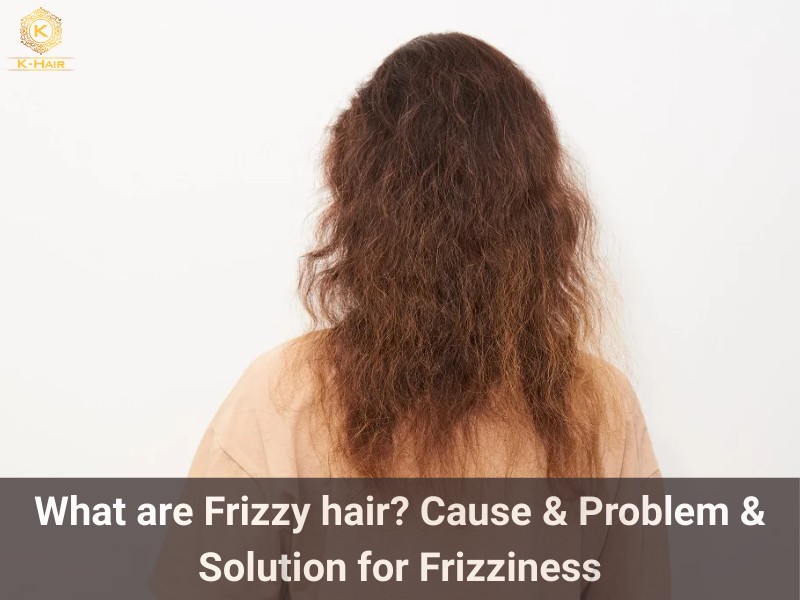
1. What are Frizzy hair?
Before digging deeper into what are frizzy hair, we should first learn a thing or two about the actual construction of the hair strands first.
You see, our hair strands are made with keratin – a strong, fibrous type of protein able to maintain connections. Among the three layers of the hair shaft – the cuticles, cortex, medulla, the most important layer is the outer protective cuticle layer – which consists of different scales, cuticles aligned and pressed against one another like shingles of a roof. It is the cuticles that serve as a shield covering the inner layers and lock in moisture, nutrients to preserve the hair strands as healthy as they are.
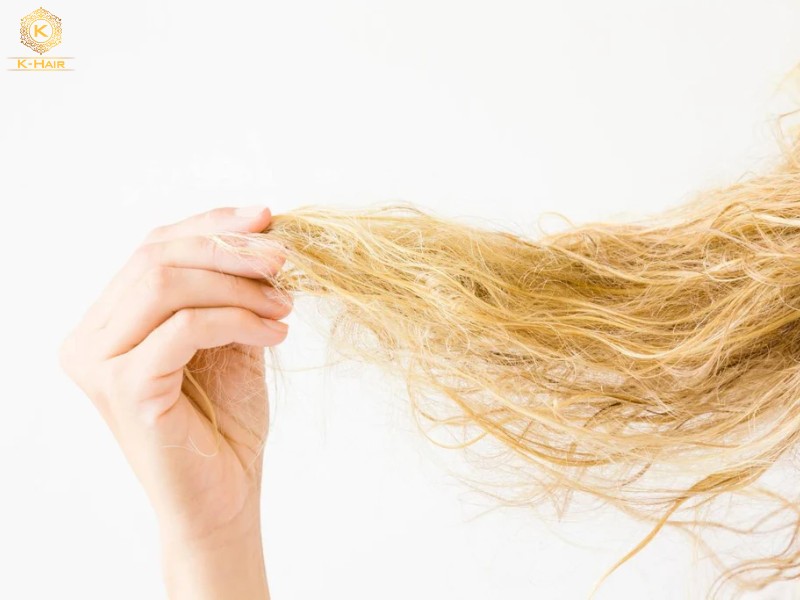
However, what would happen if this protective cuticle layer becomes unaligned and damaged? The answer is simple, the hair becomes frizzy. With all of the cuticles scales completely lifted and open, which may happen due to high humidity and repeated heat styling, the hair strands are more likely to stand up, curl up, facing completely different cuticle alignment with the neighboring strands → creating the ultimate frizzy, dehydrated and poofy hair look associated with frizziness.
Furthermore, damaged, dried out hair strands tend to lose electrons and collect a positive charge – which explains why the hair becomes attracted to the negatively-charged balloon surface after we rub it against each other. And because all of these damaged, frizzy hair strands obtain the same charges, making them repel one another, creating the signature puffy, swollen and brittle appeal. And as puffy and coarse as these strands can get, it is even harder to maintain or style them – which is also another pain in the neck to deal with.
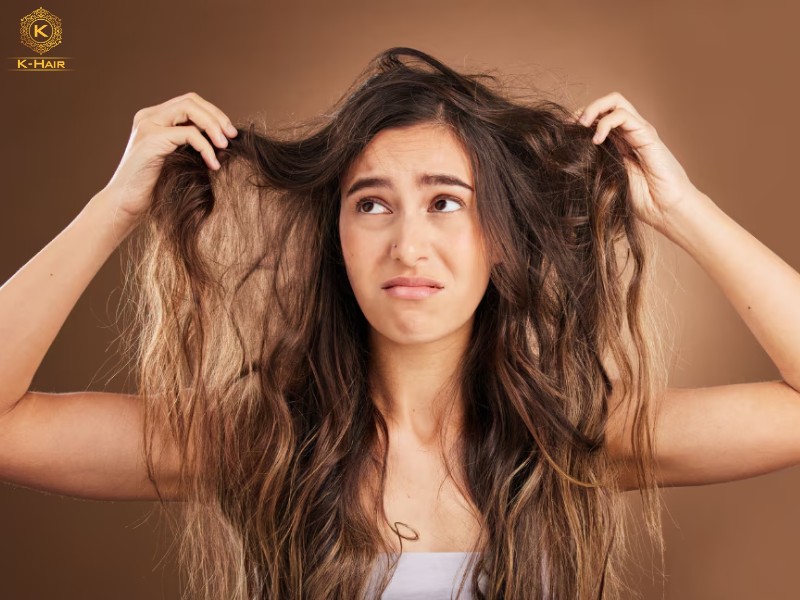
2. What does Frizzy hair look like?
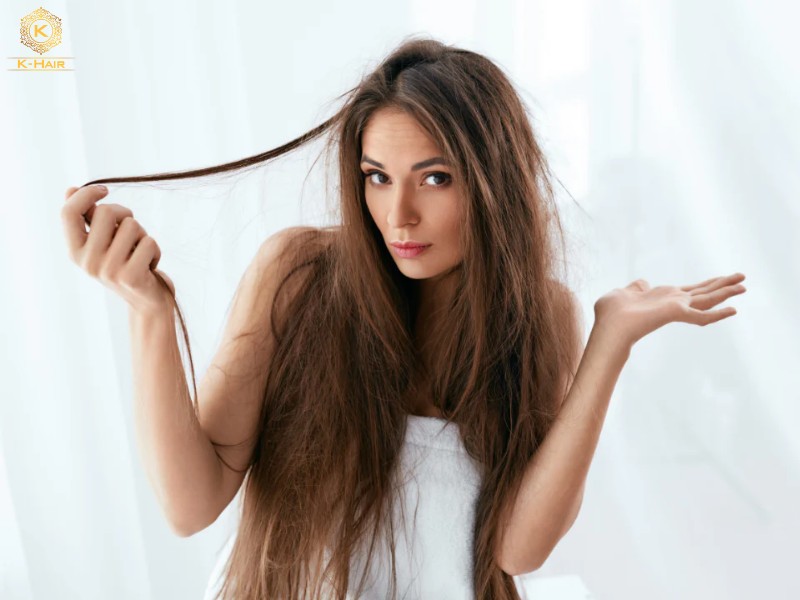
The next step to answer the question “What are frizzy hair” and to identify whether your hair is a type of frizzy hair or not, is to be aware of some signs showcasing frizziness in one’s hair appeal. In fact, unlike what most people might assume, frizzy hair can be extremely easy to detect, given that you follow the signs presented below:
- Brittle hair strands: one of the most significant signs of frizziness is brittleness seen in your hair strands. Indeed, without having aligned and closed cuticle scales, your hair strands will soon become stiff, brittle, creating noticeable bumps and coarseness when you feel along the strand, unlike the soft, silky and smooth strands seen in healthy normal hair. Furthermore, by stretching and touching the strands, you can actually feel their lack of elasticity, making them weaker and weaker to damages from external factors.
- Dehydration: a thing or two about frizziness is that all of its cuticles are likely to be completely open and lifted – creating more open space for external factors such as heat from sunlight to penetrate inside and vaporize the valuable moisture and nutrients stored inside the hair strands’ core. Losing this amount of moisture also means that the hair will be more prone to dryness and frizz – making the hair even more uncontrollable and harder to manage. Furthermore, by having opened cuticles scales, additional moisture provided from conditioners and normal hair masks are quick to pass through the hair strands entirely, with only little proportion able to linger and be absorbed to the inner layers → making the hair even more prone to dehydration.
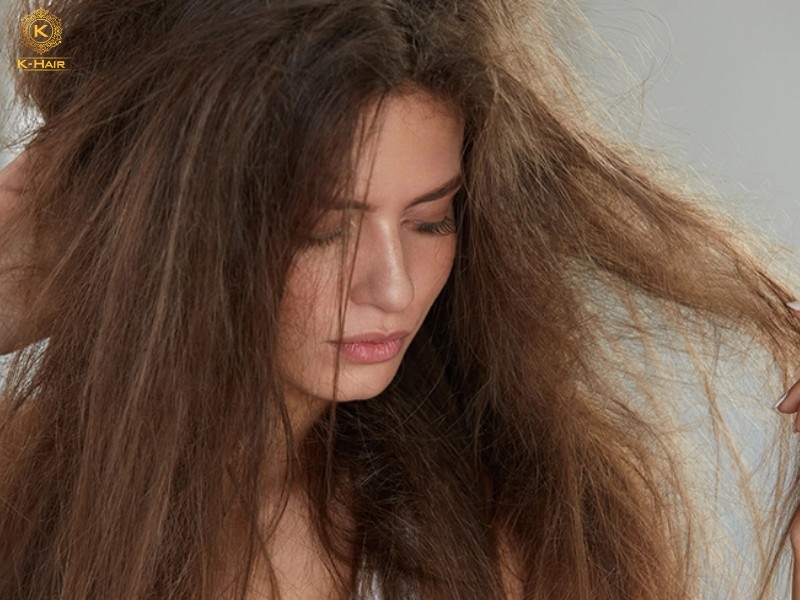
- Breakage & Tangle: another sign of what are frizzy hair is breakage and the emergence of split-ends. Indeed, dryness does not stop at making the hair appear more brittle and undesirable, but also causes the strands to become more fragile and easily subjected to breakage. Losing elasticity means that the strands are easier to break and become damaged, even using more force or higher heat during styling or detangling can already break off the hair and cause the strands to shed and fall out right there! Furthermore,due to having misaligned hair cuticle directions, different hair strands are more likely to tangle → causing huge clumps of hair to detangle every single morning.
- Split-ends: having opened cuticle scales means that there is a high chance where most of the nutrients provided from the root are left completely exposed and vaporized by external factors. Therefore, for bottom-length hair, the whole situation with dryness and dehydration tends to escalate more than the top-length parts at the roots. Indeed, before reaching to the ends of the strands, nutrients and moisture might already be eliminated entirely due to the lifted cuticles → leaving the ends extremely dry and fragile, which will ultimately lead to split-ends that make the bottom-lengths appear even drier and frizzier.
- Loss of luster: for healthy hair with completely aligned and closed cuticles, this outer layer is not only a protective shield, but also a mirror – reflecting light beautifully and delivering the desirable, lustrous hair shine that moves flexibly with every hair movement. However, for frizzy hair, things are rarely the same, due to the lifted cuticles. Hence, with no even layer to reflect light upon, frizzy hair will also appear extremely dull and lifeless, with mostly no hair shine whatsoever.
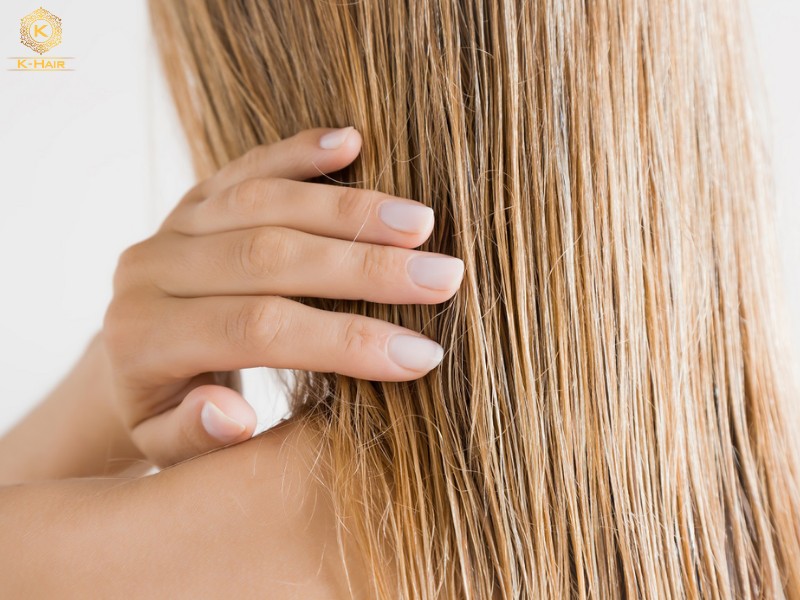
- Irregular texture: unlike healthy hair, frizzy hair rarely stays in one place. In fact, as previously mentioned, having as raised cuticles as it does, the nature of the stands will be altered just as much – as the hair strands tend to gather positive electric charge that makes them repel against one another → ultimately leading to a more puffy, poofy hair appearance, with more flyouts and split-ends integrated in the hair look.
- Short-lasting styling effect: frizzy hair is extremely hard to control – this is now news. In fact, straightening, or curling frizzy hair will not only result in potential breakage due to lack of elasticity, but even when somehow you manage to actually style it, the final hair style is also easy to snap back to its original look, or even spoil the overall, styling effect in general. Indeed, having raised cuticle scales means that frizzy hair can be extremely easy to be subjected to humidity – quick to absorb this moisture and cause the hair strands to swell unevenly and ruin the entire hair look.
3. What are the causes of frizzy hair?
Learning “what are frizzy hair” – you will surely acknowledge that, frizzy hair is among the most hard-to-manage and uncontrollable hair types out there. However, frizzy hair does not appear randomly, and in most cases, it is a consequence of a prolonged amount of time using the wrong maintenance, styling routine. Hence, to get to the bottom of this troublesome hair type, as well as the reasons for why it is the way it is, several factors regarding the way you style, care and maintain the hair can be pointed out as possible explanations for the deteriorated hair quality of the cuticle layer.
3.1. Hair washing habits
One of the most common yet damaging mistakes that leads to frizziness in natural human hair is adopting the wrong hair washing habits – mistakes that most people tend to underestimate and do not realize until it is too late!
Our hair is not as strong and invincible as we might think, and with constant and frequent exposure to unsuitable washing procedures, using the wrong temperature, drying techniques, washing frequencies,… can sure to cause it to take even more damage:
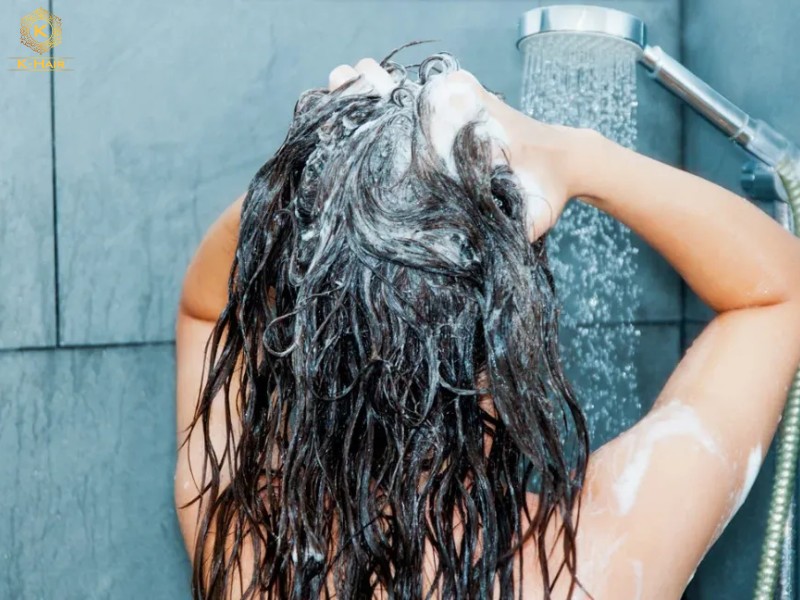
- Washing the hair in hot water: using hot water is considered a relaxing spa ritual for many out there, especially during the colder months of winter. However, scientifically, the high heat that comes with the process can cause the cuticles to lift up and expand in different alignments – the key element in creating frizziness in natural hair. Furthermore, although using warm, hot water and soak the hair in quicker and shorten the overall washing process, overusing this method can also strip the hair off its natural oil on the surface, making the hair surface drier and drier, which will ultimately result in split-ends and dullness.
- Blow-drying using extreme heat: imagine your hair has just undergone high heat washing, and its cuticles have just started to close a little due to temperature differences, you blow dry your hair again using the highest heat setting on your drier. We all know that this method can save you more time spent on drying your hair, especially for those with busy schedules. However, you must also bear in mind that blow-drying in high heat can not only strip your hair off its original moisture and oil, but also make its cuticles open even further, causing more tangles and breakage.
- Rough towel drying: if you think that towel-drying is better than blow-drying at this point – you are wrong. This is also another common misunderstanding – to think that scrubbing the coarse, harsh surface of your bath towel can be the better alternative for using a drier. In fact, the constant rubbing movement used in this method can easily strip more natural oil off your scalp and hair strands. Not only that, having the towel and your hair strands scrubbing against each other also result in more friction – causing more flyout, tangled hair strands, and creating more frizziness.
- Over-washing: for people struggling with dandruff and excessive natural hair oil, most of them would surely think that, the more time and effort spent on washing their hair, the cleaner and cleaner it would be. This is a false and ungrounded assumption, as washing long and hard, especially with hot water, can remove more than just the natural hair oil, but also the protective layer of the strands – making the hair more easily subjected to frizziness and humidity.
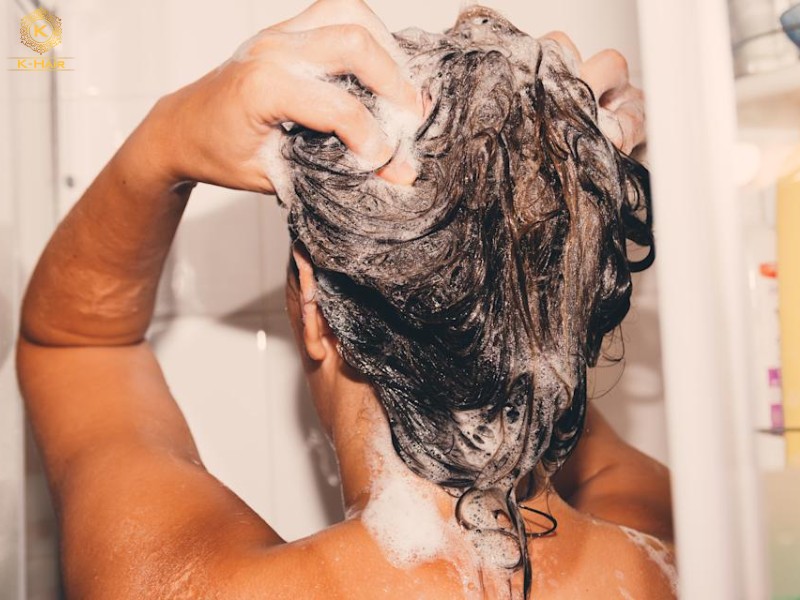
- Using the wrong products: not all the available hair products promoted in the market are suitable for your hair. In fact, a vast proportion of shampoos, conditioners and other related hair hygiene and maintenance products still consist of sulfate, harsh chemicals – substances able to deal more damage to your healthy hair strands, strip away natural hair oil, not only create dryness but also cause scalp discomfort and frizziness. Some examples for these ingredients’ names are: Sodium Lauryl Sulfate, Sodium Laureth Sulfate, and Ammonium Lauryl Sulfate – are available in many hair products in the market!
3.2. Styling habits
Another crucial factor to consider as a possible reason for what are frizzy hair might have a lot to do with your styling habits. In fact, evidently, if you wish to style your hair frequently, you would have to also accept that, the overall process and the final styling effect would come at the expense of your own hair’s wellbeing. Some styling habits that can cause you more issues with frizziness might include:
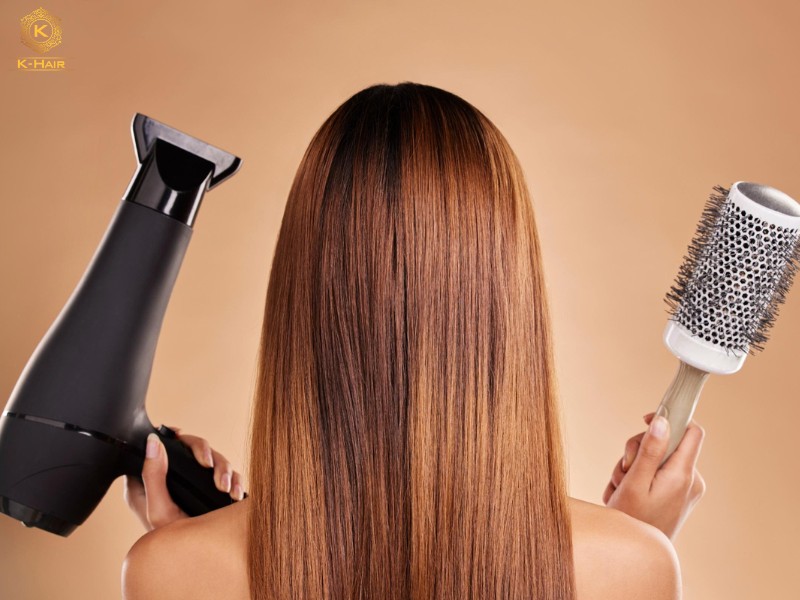
- Frequent high-heat styling: high heat are among the main culprits for hair frizziness – this is evident for so many cases before. Using high-heat settings can indeed help you achieve a quicker, more defined and long-lasting hair result, however, it would also cause more profound and immense damage to the wellbeing of the hair strands. Indeed, the extreme styling heat – much like using high heat in blow-drying or washing, can cause the cuticle scale to lift just as much, or even more in most cases due to using higher heat. This further subjects the hair strands from moisture loss, dehydration and dullness, as well as damaging the elasticity and durability of the strands – making them no longer suitable and usable for styling.
- Chemical-based styling: compared to heat-styling, chemical-based styling can even have more negative effects on the hair’s healthy state. Indeed, unlike heat-styling, whose effects would gradually worsen from time to time, the damage done by chemicals can even be seen and noticed right away. Have you ever noticed how coarse and brittle your hair is after you bleached it? This is completely due to the harsh chemicals involved – able to penetrate into the hair shaft’s core and completely destroy the cuticle layers. Therefore, this method is also the quickest to deal immense damage to the hair, causing the inner nutrients and moisture to escape fast, as well as making the hair look dull and lifeless.
3.3. Excess friction – over brushing
One factor leading to what are frizzy hair that many tend to underestimate or unaware of is the excess friction applied onto the natural human hair. This factor is also unavoidable and extremely hard to detect, hence, the effect and damage coming from this can only be minimized, rather than avoided completely. Some habits that can possibly cause excessive friction that can cause the hair to become frizzy might include:
- Excessive brushing: your hair is frizzy and easily tangle, the first thing that would come into your mind would definitely be to detangle or to comb your hair, which can potentially cause more friction leading to even more frizzy, tangled hair – creating a never ending circle of frizziness. Indeed, constantly brushing or combing your hair can create an excessive and unnecessary amount of friction induced by rubbing the strands against the comb’s teeth – leading to more frizziness and causing the hair to turn more unmanageable and more easily-tangled. Furthermore, using strong force during the detangling can cause the tangled clumps of hair to break or shed – which is also another major concern.
- Using rough towel materials: towel is among the essentials for hair care – you need it to clean off the excessive water before leaving the hair to air-dry, hence, the materials for this drying tool must be paid more attention to. For example, cotton – the most popular material used for head towels is the most prone to friction type out there, hence, completely unsuitable to be used as a hair-drying essential. Furthermore, unlike what most companies advertise, cotton towels are rarely soft, rather, they can be rough on the damp hair strands, leading to even more breakage and frizz.
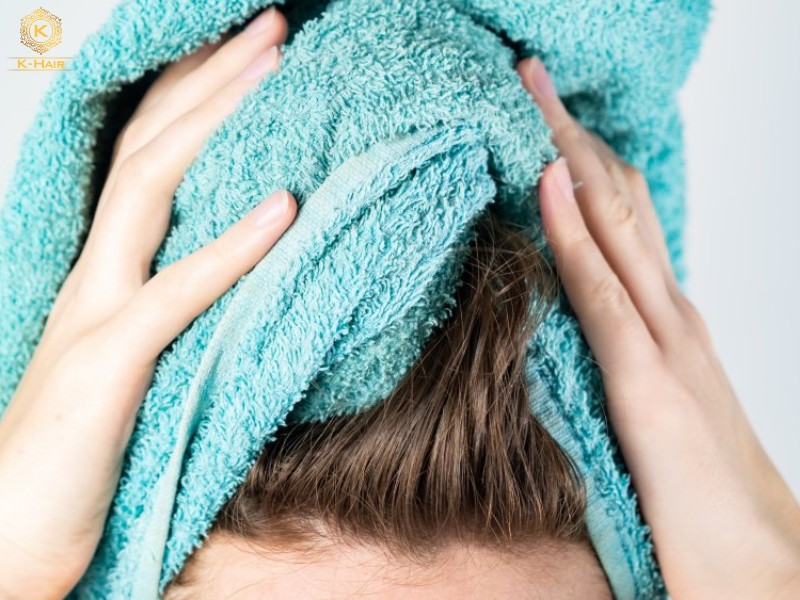
- Tossing and turning in your sleep: you heard that right – your sleeping movement also has something to do with your hair frizziness. However, as this is rather an unavoidable and natural habit of many, the habit is often hard to quit or control. Therefore, you can start with changing the material of your beddings into more friction-reduced materials,…
3.4. Environment & Humidity
Our hair strands are always thirsty – meaning that they are more prone to absorb water, especially for high porosity hair with opened hair cuticles, as well as the dehydrated and dried frizzy hair strands. Therefore, for every chance they get, they will make sure to get the most water out of their surrounding environment.
But what would happen if their surrounding environment had too much water? The answer is simple – that high humidity air, or air that is filled with vapor, will also be among the external factors that lead to hair frizz.
Indeed, when come into contact with the high humidity of the environment – a climate feature seen on rain seasons, the hair will immediately absorb the water vapor surrounding it → causing the cuticle scales to stretch out, and become more open, causing potential frizziness and easily tangling the hair strands.
3.5. Genetics
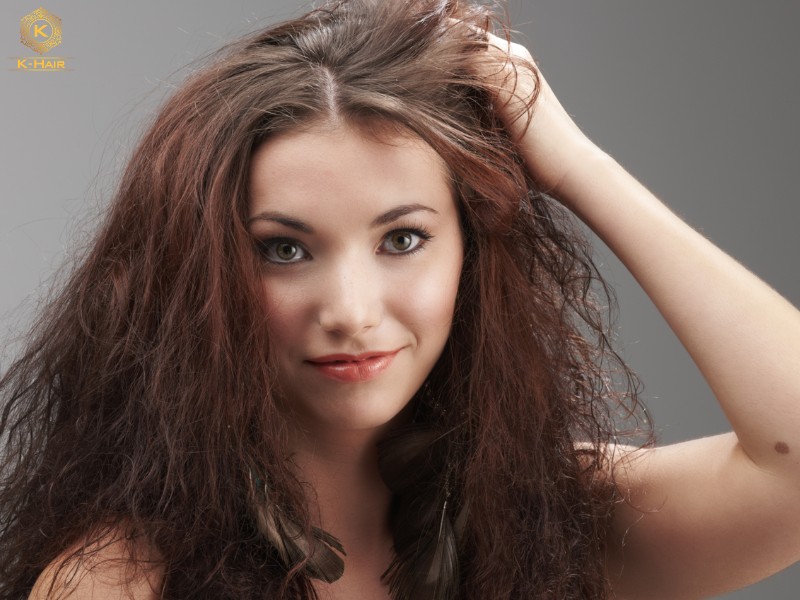
Sometimes, hair frizz is written in the genetic traits and characteristics of the person, rather than rooted from external, behavior sources. In fact, across the globe, the number of people born with frizzy hair, without following any of the aforementioned hair habits, is quite impressive.
Although hair frizz is never a trait strictly associated with any specific hair textures – anyone with any type of hair can become a victim of hair frizz. However, among different types of textures out there, ones that are most prone to frizziness tend to be curly, coily, or tight wavy hair – hair types with the most defined and tight patterns. In fact, for these cases, the hair strands are much more likely to have raised, lifted cuticles, especially alongside the curls of the patterns. Hence, for people born with these types of curl patterns, their hair is much more likely to be subjected to frizziness.
Read More: Hair lowlights vs Hair highlight
4. How to prevent frizzy hair?
Knowing what are frizzy hair is one thing, but learning how to combat this hair issue is another. Indeed, for such a damaged and hard to control type of hair, proper maintenance can provide the only way out of this hair mess, and bring back that healthy, soft and silky shine that most people desire. To care for this specific hair type, the key is to combat the problems at their root – the open cuticles remain the most important priority of the maintenance methods:
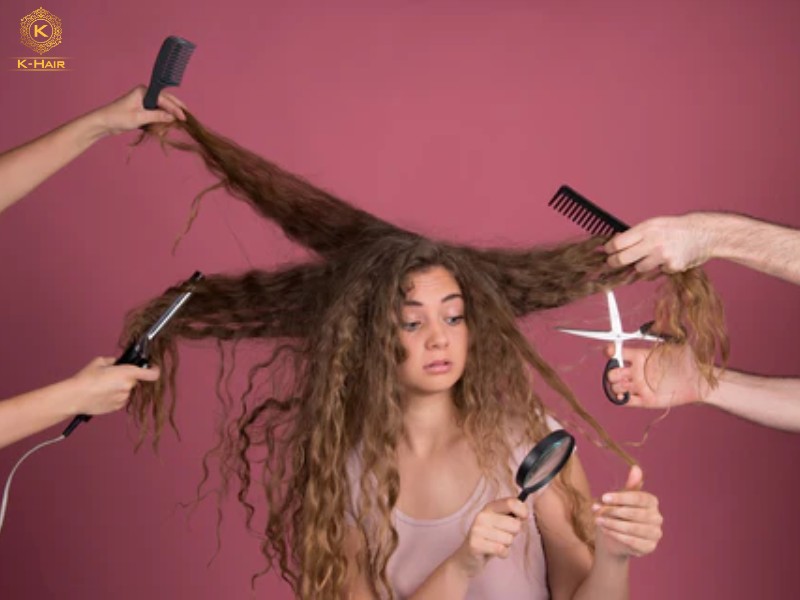
- Using the right washing methods: frizzy hair tends to be naturally dry, meaning frequent washing or using the wrong method can strip the strands of even more moisture. To avoid this, limit washing to 2-3 times a week only, and always follow up with a nourishing conditioner to provide the strands with the moisture and nutrients it desperately needs. When shampooing, focus mainly on the scalp area to avoid over-drying the mid-lengths and ends – as these areas are already dry and dehydrated – using cleaning solutions such as shampoo would only worsen the dehydration. Additionally, always rinse with cool water to close off and tightly seal the cuticle scales so this protective layer can lie flatter, helping the hair look smoother and shinier.
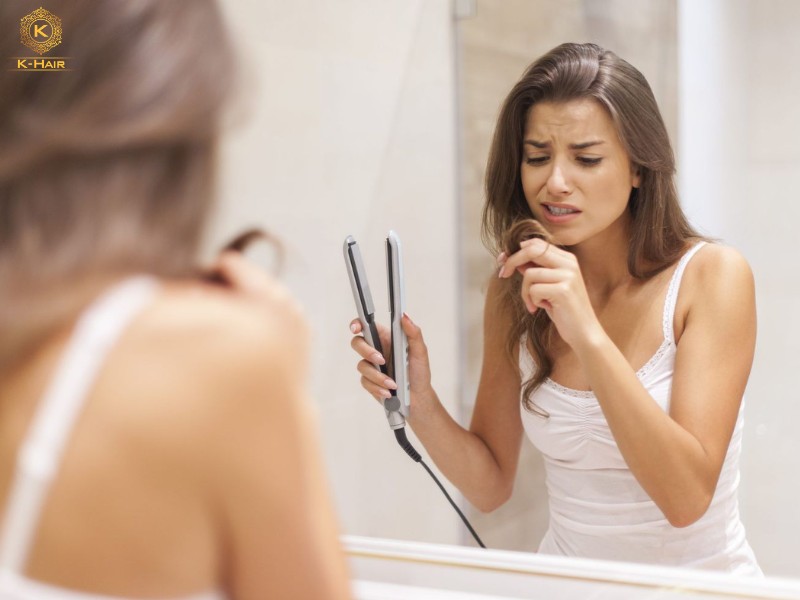
- Avoid direct styling: constant heat styling will only make the cuticles lift even more, leading to frizz, dryness, and breakage. Hence, whenever possible, try to reduce the use of blow dryers, flat irons, and curling tools as much as possible, and try switching to non-damaging styling methods, such as fabric-curling, foam rollers, or braidings to create natural curls without needing to use high, damaging heat. However, if you must use heat, always apply a heat protectant beforehand, and keep the temperature at the lowest effective setting to minimize the possible threat that comes with it. For daily styling, try switching to air-drying, loose braids, or heat-free methods to maintain smoothness without causing additional damage to the already-frizzy hair.
- Avoid using harsh washing products: many shampoos contain sulfates and drying alcohols that strip off the hair’s natural oils, making hair frizz even worse. To better preserve moisture, switch to sulfate-free, gentle and natural formulas that help maintain the hair’s hydration level without disrupting the wellbeing of the cuticle layers. Additionally, choose conditioners or masks rich in nourishing ingredients like shea butter, argan oil, or keratin – heavy, and rich substances. For such lifted cuticles seen in frizzy hair, using such heavy and protein-rich products can surely help fill in the gaps between different cuticles, smoothen the cuticle layer and provide the hair with all the nutrients it might need to bounce back to its healthy state.
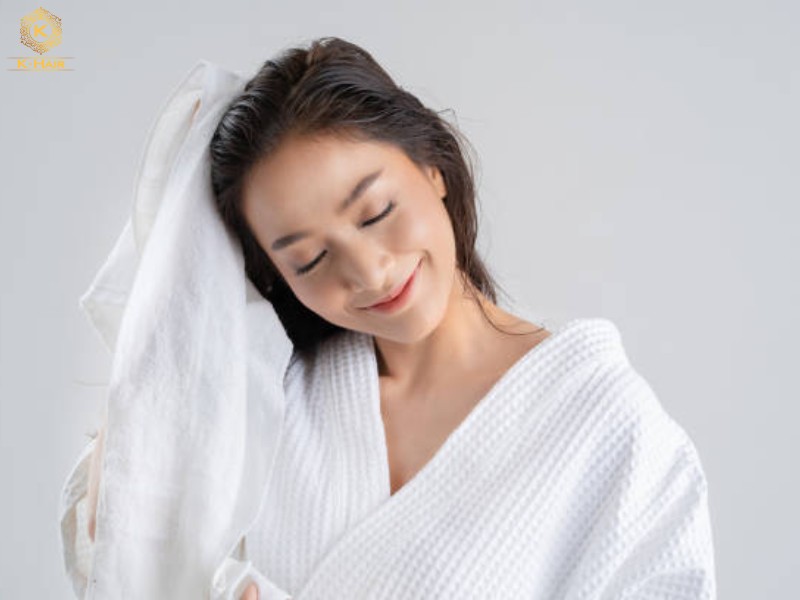
- Switch to a microfiber towel + silk beddings: regular cotton towels and pillowcases tend to be harsh and often cause friction, which leads to frizz, tangling, and unnecessary breakage. To minimize this issue, clients can consider using a microfiber towel when drying the hair, as it absorbs water quickly without roughing up the cuticles. Likewise, sleeping on silk or satin pillowcases not only helps reduce friction, keeping the hair smoother, less tangled, easier to manage for the next day, but also provides more sleeping quality and comfort for its users.
5. Tips for styling frizzy hair
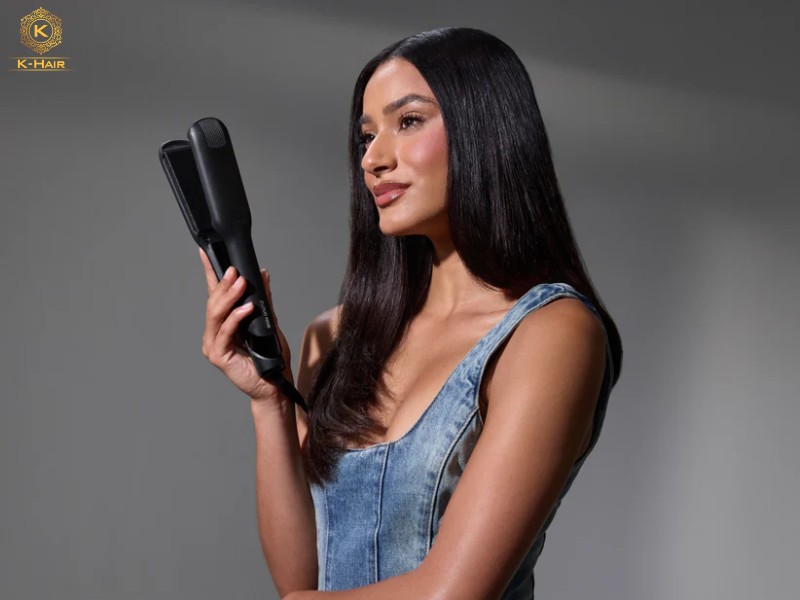
For clients having frizzy hair, but still insist on styling their hair, as experts in the field, we would not say that this is entirely impossible. In fact, several styling tips can also be equipped alongside clients’ knowledge about what are frizzy hair – in order to achieve a desirable, gorgeous styling outcome for the unmanageable hair type:
- Start in the shower: any successful styling process begins with how you wash and prep the hair. As previously mentioned, for frizzy strands, using a hydrating shampoo and a deeply nourishing conditioner is essential, as this helps soften the cuticles and reduce puffiness even before the styling begins. You can also incorporate a weekly hair mask or leave-in conditioning treatment to boost moisture, making the hair smoother, more manageable, and easier to style afterward.
- Using heat protectant: while high-heat styling tools remain the number-one culprit for frizz and dryness, applying a heat protectant creates a protective barrier that minimizes moisture loss and prevents the cuticles from lifting further. Hence, before blow-drying, straightening, or curling, make sure to distribute the product evenly from mid-lengths to ends. This simple step significantly reduces heat damage and gives the final hairstyle a sleeker, more polished finish.
- Start with a simple, easy-to-achieve hair look: for frizzy hair, overly complicated and elaborated hairstyles often require too much time, effort and higher styling heat, which can lead to breakage and even worse frizziness. Therefore, it is better to begin with simple, effortless looks such as low ponytails, messy buns, soft waves, or half-up half-down styles. These hairstyles not only complement the hair’s natural texture but also reduce the need for excessive brushing or styling tools.
- Using non-heat styling methods: to avoid unnecessary damage, clients can explore heatless styling techniques that still offer beautiful results. Options such as flexi rods, foam rollers, braid-outs, twist-outs, or wrapping methods can help shape the hair into defined curls or waves without relying on heat. These methods are gentle, effective, and ideal for maintaining the long-term health of frizzy hair.
- Embracing your natural hair features: in many cases, learning to work with the hair’s natural texture rather than against it can bring surprisingly flattering results. Frizzy hair often has a unique volume and body that, when enhanced correctly, can create stunning, effortless looks. Hence, instead of trying to force a completely sleek appearance, clients can embrace their natural curls or waves by using curl-enhancing creams, mousse, or lightweight gels to define and control the hair while still keeping its original beauty intact.
6. Conclusion
With the information provided in this article, we hope that we have managed to assist young women in the hair industry with the overall information, tips, and most importantly, what are frizzy hair. Navigating through the complex hair industry requires long-term commitment and support from trustworthy partners, we proudly present ourselves not only as a trusted hair expert, but also a supportive friend who will always have your back in this somewhat overwhelming market.
Tired of taking care of your natural hair and thinking about switching to hair extensions and wigs? Contact the best Vietnamese hair factory – K-Hair through the following link:
- Address: 10A, 171 Nguyen Ngoc Vu, Yen Hoa, Hanoi, Vietnam
- Phone: +8492 633 2545
- Email: [email protected]
- Facebook: https://www.facebook.com/KHairFactoryVN/
- Whatsapp: +8492 633 2545