
Whether you’re looking to hide thinning patches or simply want to elevate your natural look with some high-octane glamour, navigating the modern hair market can feel like a maze. With endless origins and grades to choose from, the most pressing question for any buyer is: How much are the hair extensions really worth?
Hair extension pricing is a complex structure determined by origin, grade, and manufacturing labor. To help you invest wisely, we’ve broken down the pricing secrets of the industry – from luxury raw strands to budget-friendly bundles – so you can find the perfect match for your style and your wallet.
1. How much are the hair extensions?
In the market, the most popular hair extension products provided by hair manufacturers are sew-in extensions (hair wefts), clip-ins, tape-ins, keratin bond extensions and I-tip extensions, each are completely distinct with one another, and hence, often with their own pricing model.
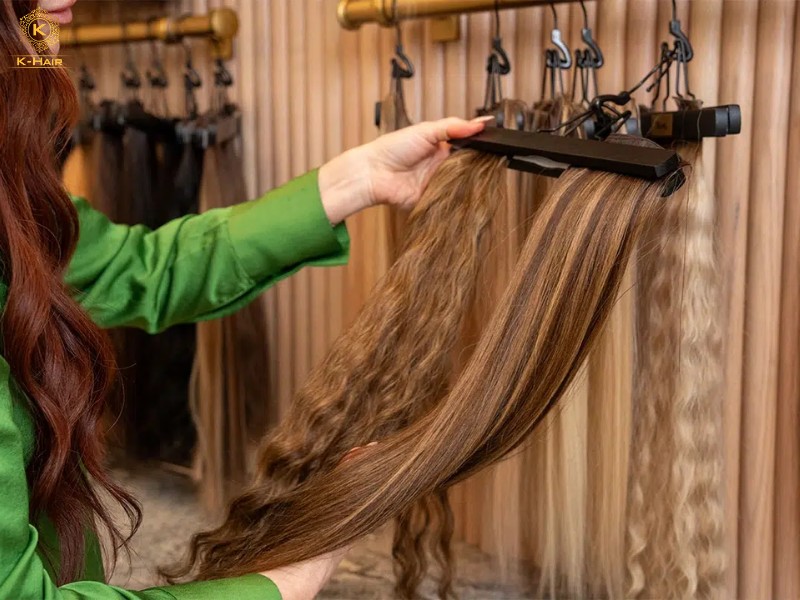
To answer the burning question of how much are the hair extensions, we’ve outlined the most sought-after types:
| Pricing | Application lifespan | Application method | |
| Hair wefts | $10 to $80/piece | 2-3 years | Professional application only. |
| Clip-ins | $25 to $123/piece | 3-12 months | Extremely user-friendly |
| Keratin bond extensions | $25 to $115 | 6-18 months | Professional application only. |
| Tape hair | $20 to $117 | 6-12 months | Professional application recommended. |
| I-tip hair extensions | $24 to $120 | 6-12 months | Professional application only. |
2. Factors affecting the price
Whether you are a business owner stocking up for a rush or an end-user seeking a personal glow-up, remember that pricing is never set in stone. The figures listed above are benchmarks; in reality, the market fluctuates based on several critical variables.
Before you hunt for vendors, it is vital to understand the factors that dictate how much are the extensions so you can adjust your budget and strategy accordingly.
2.1. Hair origin
When researching how much are the hair extensions, you will find that the geographical origin of the strands is the most significant factor in the final quote:
- Vietnamese hair: occupies a premium price point because it is sourced domestically from high-quality raw material, offering superior durability and a silky texture that justifies a factory-direct yet higher-end cost.
- Chinese hair: is priced competitively through mass production and advanced industrial chains; however, because China must outsource its raw materials due to domestic scarcity, the lower price often reflects a trade-off in consistency.
- Indian hair: remains the most affordable option on the market, benefiting from an abundant domestic supply and low labor costs. Yet, this lower price point is frequently tied to non-Remy sources and more basic processing techniques, which may impact the hair’s longevity compared to its higher-priced counterparts.
2.2. Hair types
The grade and quality of hair serve as a direct benchmark for its market value, essentially creating a hierarchy where durability and sourcing ethics dictate how much are the hair extensions:
- Raw hair: sits at the top of the pricing spectrum due to its rarity since it is sourced from a single donor and remains chemically unprocessed, its supreme performance and longevity command a premium
- Virgin hair: while still high-end, is slightly more accessible. It may be sourced from one or multiple donors and often undergoes a very slight steam process. This minor intervention allows for more style variety while maintaining a premium price point just below Raw hair.
- Remy hair: offers a more accessible middle ground, utilizing hair from multiple donors to increase supply and lower costs, though it requires slightly more maintenance.
- Non-remy hair: at the budget end of the human hair market, is significantly cheaper because it is salvaged from waste sources and chemically treated to mask its low quality, often leading to a short lifespan.
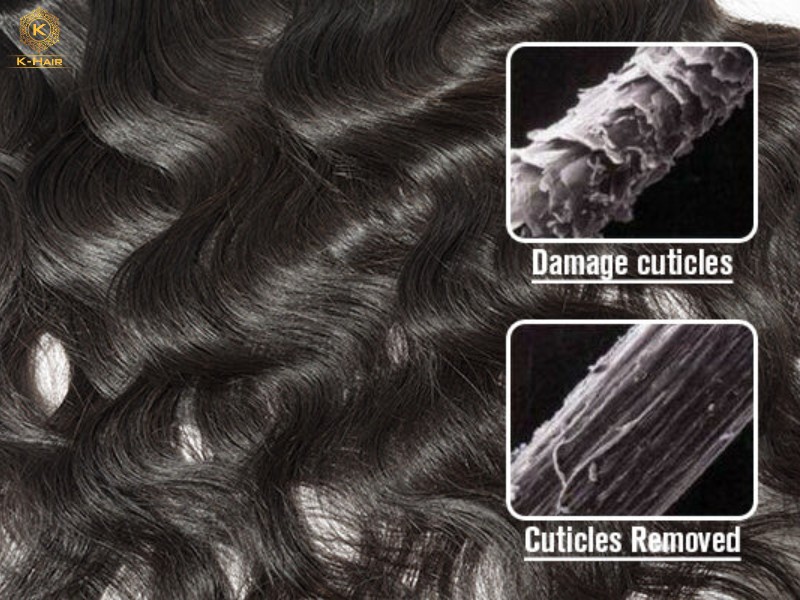
- Synthetic hair: represents the most affordable tier, using inexpensive man-made fibers like nylon and polyester to provide high availability and unique color options at a fraction of the cost of authentic human hair.
2.3. Hair length
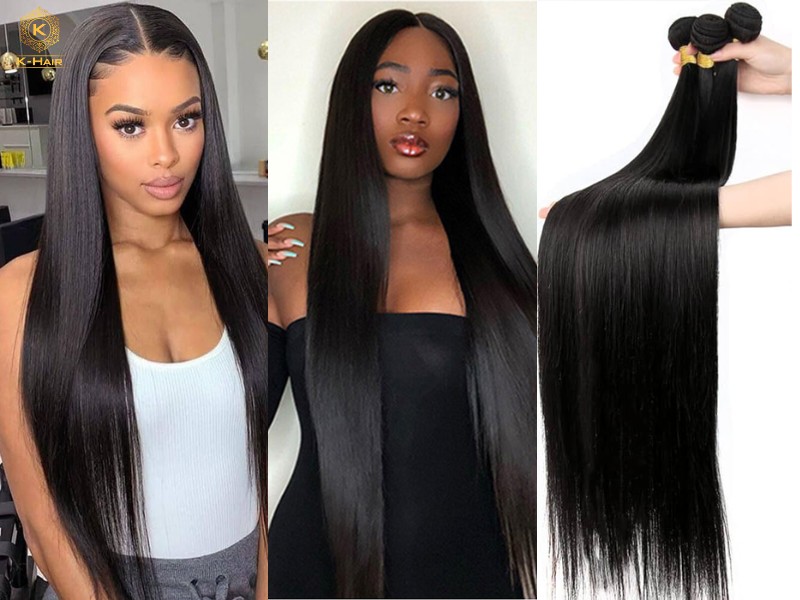
The pricing of hair extensions follows a straightforward scale: the longer the strands, the higher the investment. This is due to a simple biological reality: high-quality, long hair takes years to grow, making it a rare and precious commodity in the global market.
In the past, long hair was a standard of beauty, but modern trends have shifted. Today, shorter, more manageable styles are the trendy choice. Furthermore, as globalization spreads, more women are opting to bleach, dye, and heat-style their natural hair to keep up with international beauty standards.
This shift makes it increasingly difficult for collectors to find raw material that has reached a significant length without being compromised by chemicals or heat damage. This scarcity has a direct impact on the supply chain.
Extreme lengths, such as 38 or 40 inches, have become rare luxury finds, while lengths exceeding 48 inches have nearly disappeared from the market entirely. Because these raw sources are so difficult to harvest and maintain, the manufacturing costs skyrocket as the inches increase. When asking how much are the hair extensions, the length you choose will always be one of the most powerful variables in the final quote.
2.4. Hair density
The hair market rarely has a fixed and consistent set of requirements for the products provided, rather, for different hair buyers, the respective preferences for hair appeal, quality and pricing range would vary greatly, especially preferences for the hair’s volume and thickness.
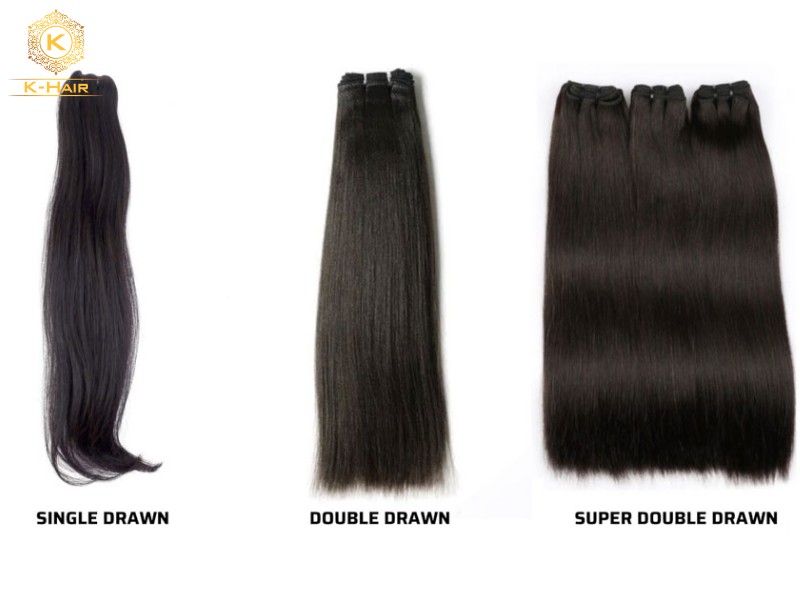
Therefore, as a response to this, hair manufacturers have introduced 3 main hair density levels:
| Hair density level | Price | |
| Single Drawn hair | 40-45% | Inexpensive |
| Double Drawn hair | 60-65% | Medium |
| Super Double Drawn hair | 80-85% | Expensive |
2.5. Color & customization
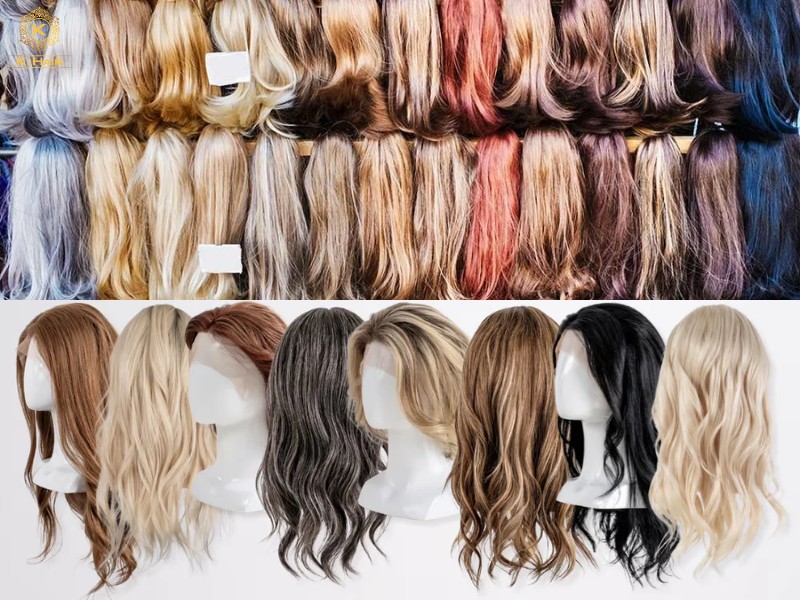
Unlike buying from a distributor, when working with a hair manufacturer, clients are offered with more freedom in deciding the final look of the hair products they are ordering. This is called customization, a special and comprehensive service that is only available in hair factories – those that are directly involved in hair production.
This service also comes with a price. Indeed, to alter and personalize the product to fit a customer’s vision, more material, labour and effort are poured into the customization. Therefore, hair buyers ordering customized products might expect to pay a slightly higher amount – as the expense covers both the additional materials and labour costs of the process.
For example, in K-Hair, a Vietnamese hair manufacturer, the average texture customization expense for one hair bundle would be from $3-$5/piece, and similarly, the cost for coloring customization would be from $4-$7/piece.
3. Evaluating the True Cost of Hair Extensions
Evaluating the true cost isn’t just about the number on the price tag, it’s about understanding the balance between origin, grade, and the longevity of your investment. This will help you understand exactly what you’re paying for- and how to get the most value for every dollar:
3.1. Additional costs
Importing hair from international sources is not as hard as many might assume. However, due to the nature of international trades in overall, for overseas customers buying hair from China, India, or Vietnam, here are some additional costs that must be researched upon and determine how much are the hair extensions once they reach your door:
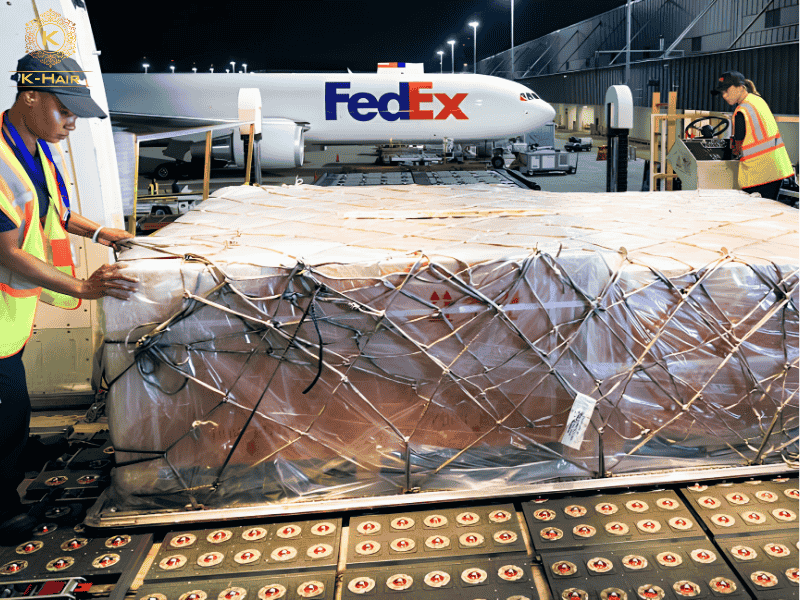
- Shipping costs: Because shipping distance and logistics systems vary for different regions, the transportation fees would obviously differ as well. For instance, the shipping fee for a hair parcel weighing under 0.5kg delivered to the US, the shipping fee would be around $42.61.
- Import duties: Every country has its own port taxes and duty requirements. In 2026, many regions have updated their tariff structures. Some offer 0% duty on specific hair classifications, while others apply significant surcharges.
Expert tip: Always research your local customs regulations before placing an order. This prevents “sticker shock” at the border and protects you from potential exploitation by unreliable vendors who may misquote shipping expenses.
3.2. Maintenance & aftercare costs
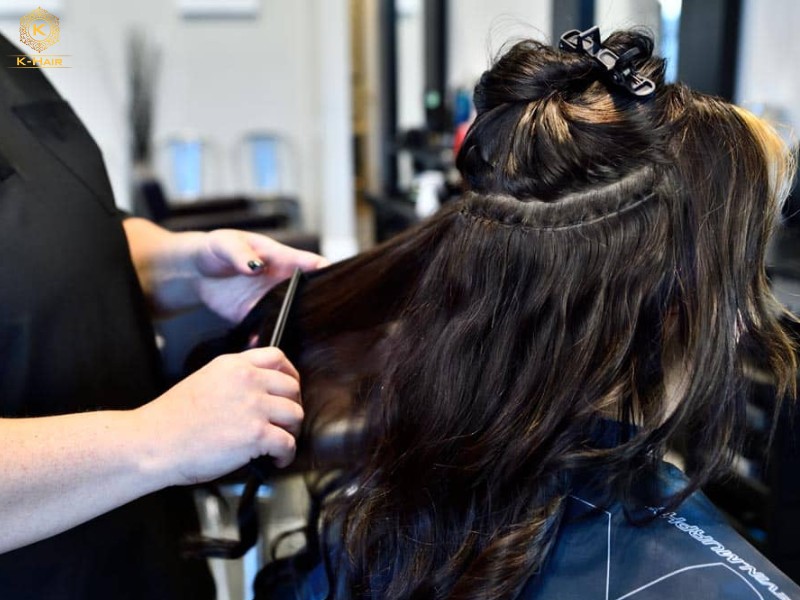
For professional types of hair extensions such as Tape-ins, hair wefts, I-tips and K-tips, hair buyers would also have to pay extra for the hair to be installed onto their natural hair, as well as paying a professional for touch-ups or reinstallation.
However, due to the differences in their application method and requirement for expertise, each type of hair extensions would demand different ranges of installation and maintenance cost:
| Average Application Cost (excluding hair) | Maintenance Frequency | Average Maintenance Cost (per session) | |
| Tape-ins | $100 – $300 | Every 6-8 weeks for re-taping or to move up the tape to positions closer to the scalp | $100 – $300 |
| Hair wefts | $150 – $600 | Every 6-8 weeks for tightening or re-installation | $100 – $250 |
| Keratin bond extensions | $300 – $1,000 | Every 3-6 months for reapplication or adjustment → requiring the least salon visits among the four | $100 – $600 |
| I-tip extensions | $200 – $600 | Every 2-4 months for adjustments | $50 – $200 |
Applying and reinstalling is just the basics. In order to preserve the hair at its healthiest state, as well as to prolong its longevity and make full use out of this investment, hair buyers would also have to learn to maintain and care for extensions, too:
- Sulfate & silicone-free products: Extensions don’t receive natural oils from your scalp, so they need gentle, moisture-rich shampoos and conditioners. High-quality, extension-safe brands typically range from $10–$50.
- Detangling tools: To prevent shedding and manage frizz (especially in curly textures), a specialized extension brush or wide-tooth comb is vital. A durable, professional-grade tool costs between $10–$30.
- Heat protectants: If you style your hair regularly, a heat protectant is a “must-have” to prevent the hair from becoming brittle. These sprays are affordable, usually falling between $10–$40.
- Nighttime care: While not mandatory, silk or satin pillowcases help prevent friction and tangling while you sleep, further extending the hair’s longevity.
3.3. The cost of low-quality stock
Business owners should not only ask how much are the hair extensions at the time of purchase, but also consider the long-term cost of potential returns and lost reputation if they choose low-quality fibers.
In the long run, the cheap option is often the most expensive for B2B buyers, although it may seem like a budget-friendly move due to these reasons:
- Higher “redo” ratio: The lower-grade hair like synthetic or non-remy hair can become matted after a few washes. This leads to “redo” appointments that you must perform for free, wasting your time and resources. And you know, “time is money”.
- Reputational damage: In the beauty industry, your reputation is your currency. If a client’s extension is shedding or tangling after leaving your salon, they won’t blame the hair, they will blame your salon. In this case, you’re not only losing ONE customer, but also MANY. Easy, bad news have wings. And people will only know about you as “bad hair extension”.
Therefore, if you sell low-quality hair that tangles or sheds, the cost of losing a lenient’s trust and future business far outweighs the savings of a cheaper bundle.
4. Strategic sourcing
For salon owners and businesses, the smartest sourcing strategy is buying directly from a Vietnamese factory. This move provides a price and quality advantage that middleman-based sourcing simply cannot match:
- Superior hair quality: Vietnamese raw hair is widely considered more effective and durable than other sources. Since it’s collected from healthy donors and un-processed, it maintains its strength and natural luster through multiple installs.
- Cost savings: By bypassing trading companies and middlemen, you can reduce your procurement costs by 20-30%. This direct-to-factory relationship allows you to either increase your profit margins or offer more competitive pricing to your clients.
If you are looking for the most competitive answer to how much are the hair extensions without sacrificing quality, sourcing directly from a Vietnamese factory is the ultimate strategic move.
Investing in high-quality Vietnamese hair from a reliable supplier like K-Hair minimizes these implicit costs. When the hair lasts longer and styles easily, your true cost decreases while your client satisfaction and retention skyrocket.
5. FAQs about how much are the hair extensions
Here are the most frequently asked questions regarding how much are the hair extensions:
5.1. How much do permanent hair extensions cost?
In 2026, the total cost for a professional, semi-permanent installation (like sew-ins, keratin bonds, or I-tips) typically ranges from $600 to over $3,000.
5.2. How often do wholesale prices fluctuate in the hair industry?
Wholesale prices are highly sensitive and can fluctuate quarterly or even monthly. The primary drivers for these shifts include:
- Raw material availability: Seasonal changes in hair collection (especially in rural Vietnam or India).
- Global logistics: Shifts in fuel prices and international shipping rates.
- Trade regulations: As seen in 2025, new tariffs—such as the significant duties on Chinese imports, which can cause prices to jump by 20% to 50% almost overnight.
For business owners, it is wise to maintain a “buffer” in your budget to account for these market swings.
5.3. How much are 100% human hair extensions?
For a standard set of 100% human hair (roughly 100g–120g), you should expect to pay between $100 and $500.
6. Conclusion
Understanding how much are the hair extensions involves looking past the initial price tag and viewing the purchase as a long-term beauty investment. While the market is flooded with low-cost, short-lived options, choosing an origin like Vietnam ensures that every dollar spent translates into years of wear.
Whether you are a stylist building a brand or an individual seeking a luxury transformation, investing in Vietnamese hair from a seasoned manufacturer like K-Hair.
With 30 years of experience as a premier Vietnamese hair supplier, we specialize in high-durability hair that maintains its luster and strength through countless installs. This is the most cost-effective way to ensure your hair stays as beautiful on day 300 as it was on day one.
Don’t just buy hair, invest in the confidence that comes with the world’s finest strands.


Pingback: Hand Tied vs Machine Weft: The Real Differences? (2026)