
In the eyes of experts, 1A hair is the straightest, finest of all hair types, with lustrous hair shine, uniform and pin-straight textures with no bumps or waves. However, sleek, fine straight hair does not necessarily mean easy, effortless hair maintenance. In many cases, maintaining thin straight hair is more than just cleansing – the very products you choose for your routine can directly affect the wellbeing of your fine strands. Understanding this hair type – its features and demands – is the first step you take towards a healthier mane. Everything below breaks down how to do exactly that.
What Is 1A Hair?
1A hair is the first and most extreme point on the hair typing system: the straightest hair type there is. The number “1” means it’s in the straight-hair family, while the letter “A” marks it as the finest, thinnest, and least textured of all.
Its signature look is pin-straight, smooth, and ultra-shiny, with no curl or wave available along the strand – it falls completely flat from root to tip with zero bend. Smooth cuticles let light bounce off easily, giving it that high shine most other textures can’t match, and the flat cuticle layer also makes it naturally frizz-resistant even in humid weather. Because of how rarely this exact pattern occurs naturally, this texture is widely considered the rarest hair type. A few well-known examples often cited are Cher and Gwyneth Paltrow, whose hair shows that glassy, poker-straight texture.
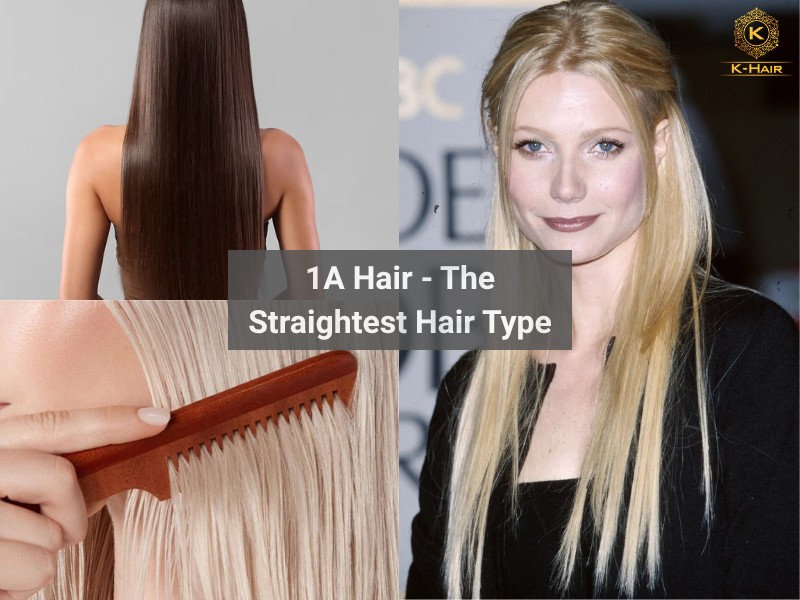
Although being in the same hair family, there are quite a range of differences between the straight hair types.
| Feature | 1A | 1B | 1C |
|---|---|---|---|
| Straightness | Completely straight, no bend throughout | Mostly straight, slight body and bends at the hair tips | Straight with some volume and bends towards hair ends |
| Strand thickness | Very fine | Medium | Medium to coarse |
| Volume | Sleek and pin-straight – lowest of all hair types | Moderate volume due to strand thickness | Higher, fuller volume |
| Oiliness | Quickest to accumulate oil (1-2 days) | Moderate | Slower to show oiliness |
| Holds a style | Poorly | Better | Best of the three |
If you want to place your own hair on the full chart, our Hair Typing System guide will walk you through every type, including the fuller-bodied 1B hair right next to it on the straight-hair spectrum.
How Do I Know If I Have 1A Hair?
You most likely have this hair type if you recognize several of these signs:
- Your hair hangs pin-straight with no natural bend, even when air-dried.
- It looks shiny and silky but goes flat against your scalp quickly.
- It becomes greasy in 1-2 days, far faster than most people’s.
- Curls and waves drop out within hours no matter how you set them – the strand is simply hard to curl without heavy product or heat.
- Individual strands feel very thin and delicate, almost soft to the point of slipping between your fingers.
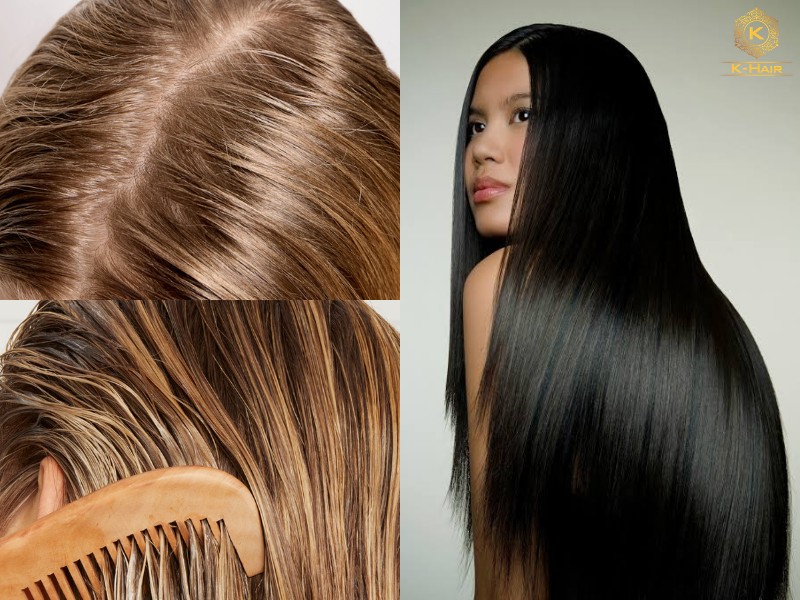
Manufacturer’s Insight (Mrs. Cherry, K-Hair Factory): When we grade raw material for fine, single-donor bundles, the same logic applies as with natural 1A hair – thinner cuticle layers mean the strand carries less weight per inch. That’s why we keep these bundles free of heavy processing: any extra chemical treatment would strip what little body the hair naturally has left.
The 3 Biggest Challenges of 1A Hair
This hair type comes with its own perks and drawbacks. On the one hand – indeed, it truly stands out for its sleek, smooth and lustrous strands. On the other hand, those born with this hair type often have to face 3 major challenges – oiliness, lack of volume, and styling difficulty:
Why Does 1A Hair Get Oily So Fast?
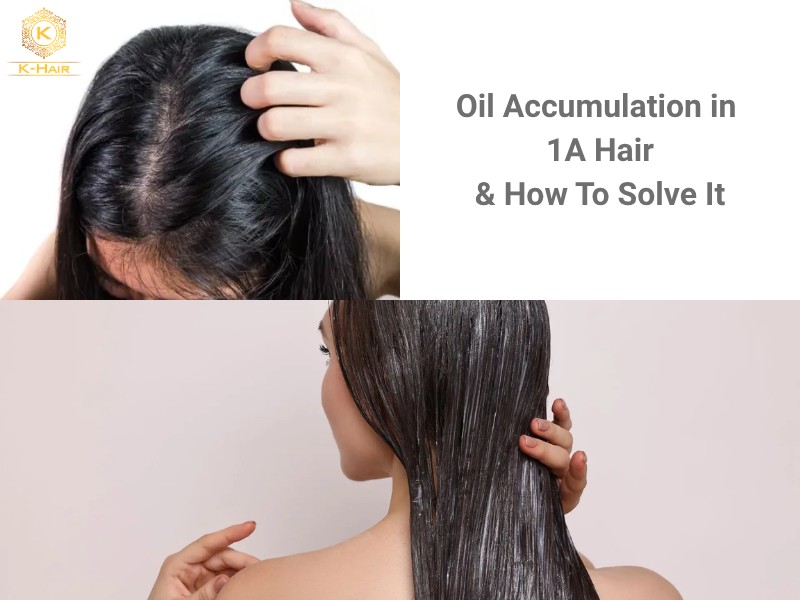
Oiliness is among the biggest headaches for those with these fine strands. Because scalp oils travel down the hair shaft so fast, it can look flat or oily quickly – for example, if it takes 4-5 days for the hair to get oily for other people, for you, it only takes 1-2 days!
And, it only gets worse with styling. The rapid oil distribution only creates more slippage – making your strands more resistant to most styling methods.
To keep oily hair in check without over-stripping it:
- If your hair turns greasy within a day, shampooing every day or every other day with a lightweight, volumizing formula is perfectly fine – daily washing doesn’t damage this hair type the way it does coarser textures. Just build toward a routine of 2-3 washes a week once your scalp settles, since washing far beyond what your oil level needs can trigger a rebound in oil production.
- Detangle from the mid-lengths down rather than brushing from the scalp, so you don’t drag oil through the whole length.
- Let the roots breathe between washes; use dry shampoo or a texturizing powder instead of touching or re-styling, which transfers more oil onto the strands.
How Do I Add Volume to 1A Hair?
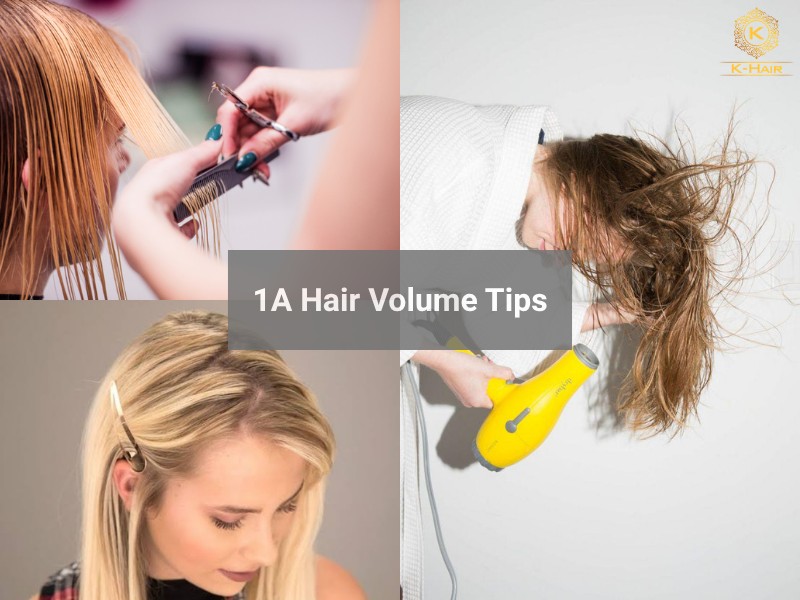
The lustrous, sleek and silky appeal of this hair type comes with a price – its own hair volume. For this hair type, most of its fine strands fall straight down from their roots – lying flat against the scalp. This only creates a light amount of volume – causing your hair to appear thin and unflattering.
- Blow-dry with your head flipped over, or lift sections straight up as you dry, to set an artificial lift at the base.
- Try a zig-zag or deep side part instead of a flat center part. This adds instant lift with no product at all.
- Ask for soft layers and shoulder-length or shorter cuts, which carry more body than long, one-length thin straight hair.
Why Is 1A Hair So Hard to Style?
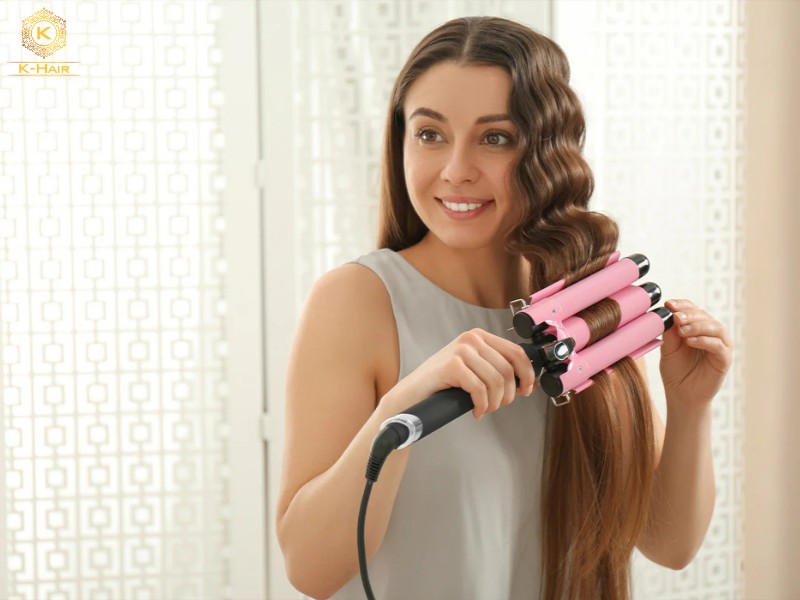
This is one of the most stubborn hair types ever! Its inherent features – oiliness, cuticle alignment – can not only cause more slippage, but also provide less hold altogether. This makes working with these strands extremely time and effort-consuming – a huge challenge for stylists!
The real solution for this stubbornness lies in the technique, not the amount of heat:
- Prep first. Add a texturizing or light styling product before you curl. Styling squeaky-clean, conditioned strands almost guarantees the curl will drop.
- Set the shape with lower heat held for a little longer, rather than blasting it with high heat that causes damage.
- Pin each curl up to cool for a few minutes after shaping. Letting it set cool is the real secret to curls that last on this hair type.
Best Products for Fine Straight Hair
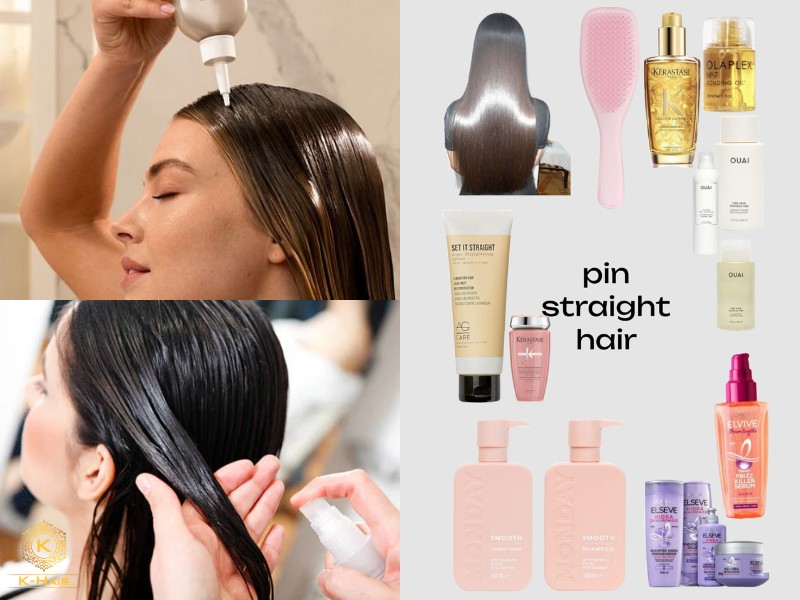
For a sleek, buildup-prone hair type like this, the key is to use lightweight, oily-hair-friendly maintenance products only. Heavy formulas are the fastest way to flatten fine strands and speed up grease.
| Do | Don’t |
|---|---|
| Use residue-free or clarifying shampoo to keep the scalp clean | Use heavy oils or thick, rich creams that weigh hair down |
| Reach for a lightweight or volumizing shampoo and root-lifting spray for volume | Apply rich conditioners or treatments near the roots |
| Apply a small amount of conditioner from the mid-shaft down to the tips only | Coat the scalp or roots, which speeds up the greasy look |
In most cases, the main contributor which leads to that annoying and unkempt oily hair look is often residue from hair care products and natural scalp oil stuck at the roots. Therefore, by giving your scalp a proper cleansing, you are creating a clean and light base for your natural hair oil and products to travel downward and moisturize your strands more evenly.
Best Hair Extensions for 1A and Fine Straight Hair
If you love this sleek texture but wish it had more body, hair extensions for fine hair are the most reliable way to add real volume and length. However, the challenge here is its slippery texture, which might further narrow down your range of options.
What to look for in hair extensions for thin hair:
- Lightweight wefts. Heavy extensions only put more stress on the scalp and slip out quicker. For fine straight hair, thinner, fewer wefts are the better options as they help distribute weight more evenly. Our lightweight clip-in extensions are cut specifically for this.
- Seamless, silicone-lined clips. This hair type is especially thin and flat, therefore, chunky extensions are more likely to create unnatural bumpiness. In such a case, seamless and flat clips that sit flush against the scalp are the more ideal choice.
- 100% Raw human hair. Cuticle-aligned, healthy raw hair blends and reflects light like your own hair, which is essential for a natural finish on fine textures.
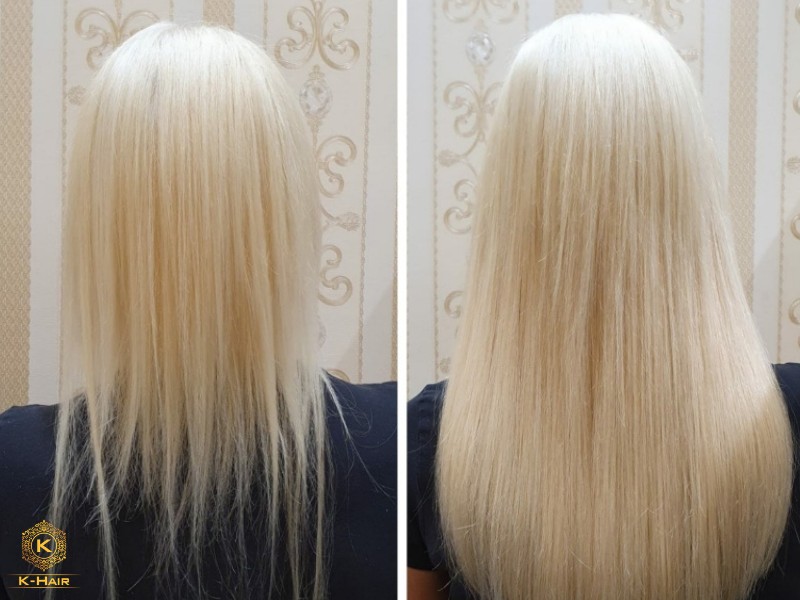
With that same logic, the most suitable hair extensions for fine hair – the best match for this hair type are:
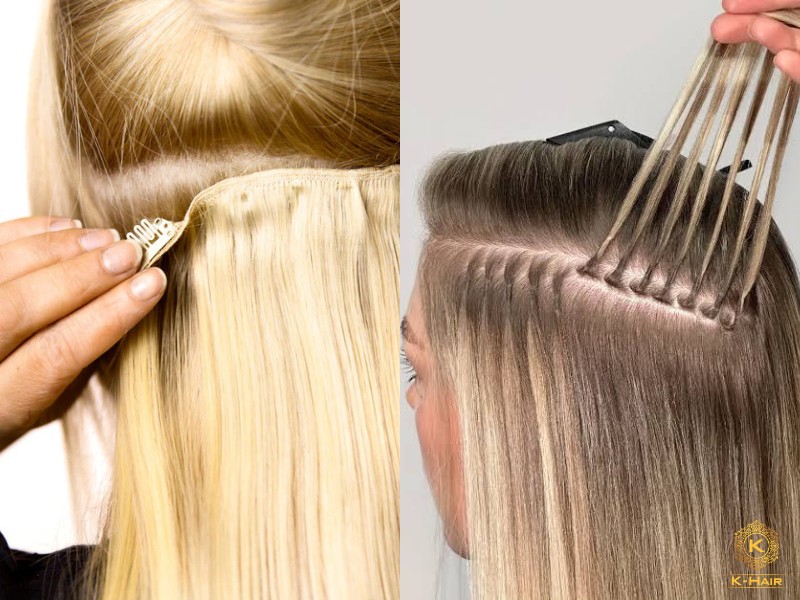
- Seamless, invisible PU clip-in extensions for flexible, damage-free volume control – best suited for everyday wear and temporary volume lifts.
- Keratin bond extensions or nano ring hair extensions, attached to each small hair section using keratin melt or nano beads. For the ultra-sleek fine hair, these are the ideal, safest installation – providing both natural-looking results and long-lasting, slippage-resistant hold.
- Or – if you’re interested in a complete style switch but hesitant about the stubbornness of your strands, you can also give wigs a try. High-quality, well-crafted lace wigs can not only blend in seamlessly into your scalp, but also give you more wavy, curly hair texture options.
It’s worth being honest about what to avoid: heavy sew-in weaves, tight braiding, and bulky clip-in sets put too much tension on delicate strands and can cause breakage over time.
FAQs about 1A Hair
Here are some frequently asked questions about 1A hair:
What is 1A hair?
1A hair is the straightest hair type, with no natural wave or bend at all. It usually looks very sleek and shiny because light reflects easily off the smooth surface, giving it that “silky” appearance.
Why does 1A hair get oily so fast?
Since the hair is completely straight, natural oils from the scalp can travel down the strands very quickly. This is why it often starts to look greasy much sooner than wavy or curly hair types.
Is 1A hair thick or thin?
Most 1A hair is fine and soft in texture, though density can vary from person to person. Because the strands are so smooth and lightweight, it can sometimes appear thinner than it actually is.
What products should I avoid for 1A hair?
It’s best to avoid heavy oils, thick creams, and overly rich conditioners, especially near the roots. These can make the hair greasy faster and reduce any natural volume you might have.
How do I add volume to 1A hair?
Focus on lifting the roots with blow-drying and using lightweight volumizing products. Even small changes like flipping your part or adding subtle layers can make a noticeable difference.
Ready to source premium Vietnamese hair?
Contact K-Hair Factory directly for wholesale pricing, MOQ details, and free samples.
Conclusion
With the information provided in this article, we hope that we have provided all the needed information about this hair type for those curious. In short, you can define this hair type by its ultimate sleekness, with pin-straight, lustrous appeal – one of the rarest hair types on the planet! However, these strands also come with their own challenges, such as rapid oiliness, lack of volume, and extreme styling difficulty.
Working with this hair type can be quite a challenge, which is why many of our wholesale partners turn to wigs and lightweight extensions as an alternative. Unlike natural strands, K-Hair Factory wigs come in multiple volume options, colors, and textures – letting you switch up your look as often as you like, without ever putting stress on your own fine hair.


Pingback: 1B Hair: Straight But Never Completely Flat – Full Guide