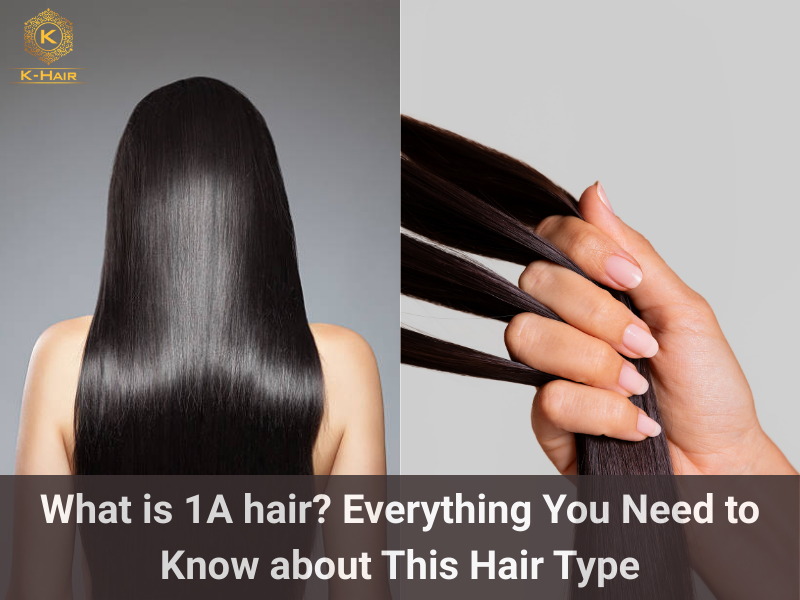
In the world where curly, wavy and kinky hair dominate the market, straight hair suddenly becomes one of the least prevalent hair types out there – with only 31.5% of natural-born straight hair according to the National Library of Medicine. And among the existing variations of straight hair across the globe, 1A hair has successfully named itself as the rarest type of hair ever, So, what is 1A hair that makes it stand out? The answer lies in its ultimate, sleek, and pin-straight appearance.
Much like all the other hair types, 1A hair comes with both pros and cons. Indeed, besides the sleek and lustrous look it brings, generally, the hair care and maintenance routine required for this specific and uncommon type would be quite unique and distinct from the rest. However, this need not be a major obstacle, as if managed thoroughly, you can make the most out of this gorgeous, silky and ultra-smooth hair type, bringing out more of its innate, natural beauty.
1. What is 1A hair?
In today’s modern world, the development of the hair care industry has completely revolutionized how we see and tend to our hair, raising awareness and triggering more interest in finding out more about the nature of our hair and its characteristics. In fact, one major change following this is that, instead of the basic, vague hair type description, classifying our hair merely based on patterns, such as straight, wavy, curly,… there has been a more thorough classification system, with 12 hair types, ranging from 1A, 1B, 1C,… to 4C. The number in these categories represent the overall patterns description: 1 is for straight, 2 is for wavy, 3 is for curly, and 4 is for coily, kinky hair; and the letters stand for how tightly positioned the patterns are. Once explained with the basics, readers can easily infer that, being categorized as 1A would mean the hair belongs to the straight hair subcategory, whose texture is extremely loose – with no visible curls or waves in sight.
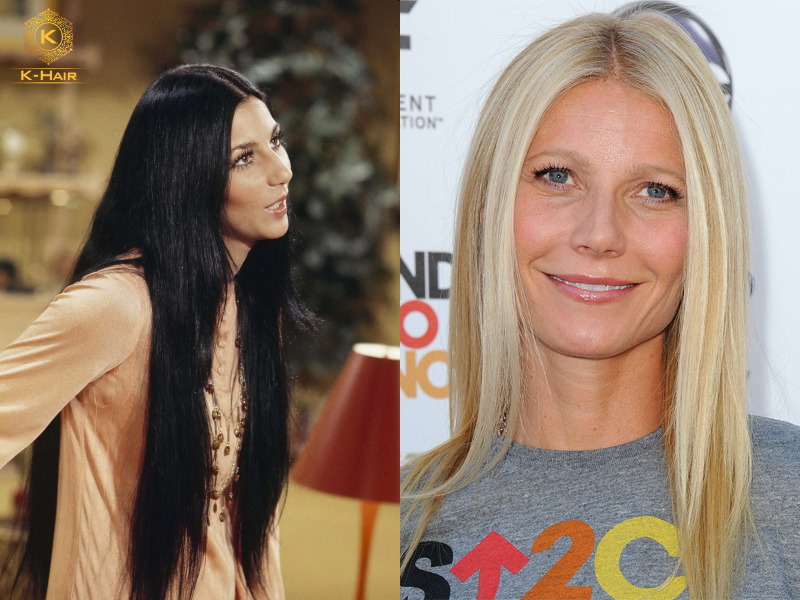
The signature trait of 1A hair is its pin-straight appeal, with ultimate smoothness and hair luster. However, due to years of genetic alteration and climate changes, to find a person with such absolute sleekest hair patterns is extremely hard – explains why 1A hair is the rarest hair type available! Some popular examples of people with natural 1A hair can include: Cher – the iconic pop star, or Gwyneth Paltrow – the famous leading lady of Hollywood, so if you ever find your hair similar to these examples, there is a high chance that you also have the same hair type as theirs.
2. What does 1A hair look or feel like?
Belonging to the same straight hair subtype, 1A hair carries many iconic traits of this hair family, such as volume, manageability and porosity. However, as a distinct type of hair itself, 1A hair also differentiates itself from other straight hair types by its ultimate sleekness and signature texture. Hence, when it comes to answering the question “what is 1A hair?” individuals need to take into account both its unique traits, as well as its shared, common ones, in order to get a clearer picture of this specific hair type’s features and maintenance cautions.
In terms of looks, 1A hair can deliver this distinct, unique look that cannot be seen in any other straight hair categories:
- Sleekness: one signature trait of 1A hair is its pin-straight, smooth, and ultimately sleek texture, with no curls or waves in sight – which means that out of all the straight hair patterns, 1A hair would be the straightest! Hence, when completely relaxed, unstyled and untouched by any heat styling or chemical, the hair tends to lie completely straight down, or flowing down like an undisrupted stream from top to bottom. And thanks to such sleekness, 1A hair can showcase all of its lengths without any shrinkage due to curls → creating the most lustrous and healthiest hair look.
- Texture: despite being as sleek and pin-straight as it is, 1A hair is rarely coarse. Opposite of that, the hair strands seen in 1A hair tend to be finer and thinner than most of the other types of straight hair. Hence, when you feel along the strands, you can even physically feel its strands being soft, smooth and silky, rather than the coarser, stiffer strands seen in 1B or 1C subtypes. However, due to this thinness, 1A hair can also be easily subjected to breakage → demanding for delicate handling when you comb or detangle it.
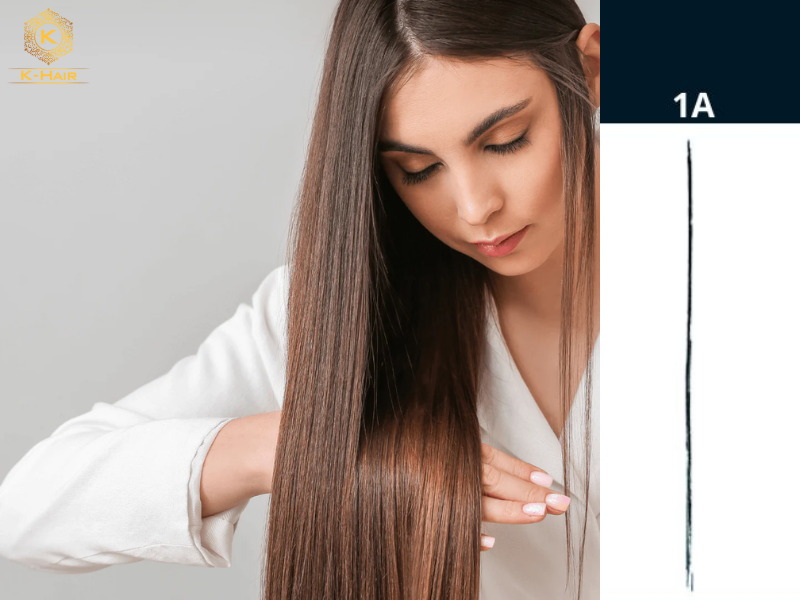
- Volume: another unique trait of 1A hair is that, compared to the other hair types, this specific hair pattern can offer the least volume of all. Indeed, the hair’s sleekness and the lack of curls or waves in its pin-straight texture often cost the hair to appeal much thinner and less voluminous than the other curlier subtypes. As sleek as the hair strands can get, they tend to lie flat against the scalp – this, combined with the fine and delicate hair strands, creates the least volume for the hair, focusing more on lengths rather than width.
- Hair shine: in exchange for volume, 1A hair tends to excel in terms of luster. Indeed, the sleek and straight hair texture allows the hair to reflect light beautifully, creating an eye-catching and flexible hair shine that follows each and every movement. On top of that, this sleek and silky texture also allows a smooth path for the natural hair oil to travel and lubricate the hair strands from top to bottom – adding more gloss and hair shine to the overall hair look.
Read More: What is 1b hair
In terms of innate traits when answering “What is 1A hair”, although still share a lot in common with the other straight hair types, 1A hair can still have its own ways to stand out:
- Closed cuticles: one trait that strictly follows most of straight hair variations is having completely closed and perfectly impenetrable cuticle layer – with scales overlapping tightly and pressed against one another. For the sleek 1A hair, this situation heightens – as almost every cuticle scale of its hair strands is perfectly closed and sealed, which leads to 1A hair having the most moisture retention among all the existing hair types out there. Hence, you can be more assured of the valuable internal moisture and nutrients inside the strands, as they are entirely trapped inside of the hair shaft, making the hair strands less subjected to dehydration and malnourishment.
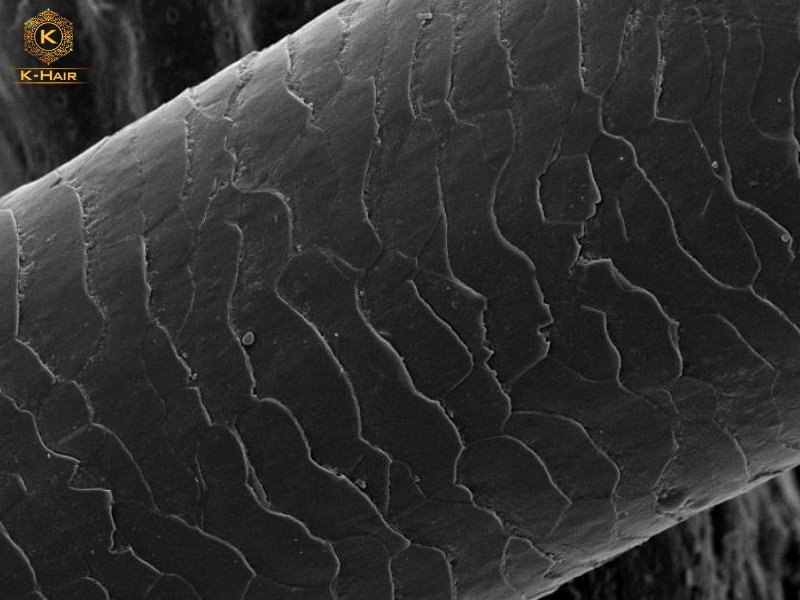
- Manageability: having closed cuticles does not only mean that the hair can preserve more of its innate nutrients, but also means that these internal substances cannot make it ways outside of the cuticles → works wonders in retaining moisture and pushing off environmental effects on hair’s health. Indeed, typically, 1A is extremely resistant toward the outside threat – such as sunlight, high heat, chemicals,… making the hair type the least demanding in maintenance and hair protection. On top of that, one more perk of having sleek hair is that the hair would be much less likely to get tangled or clumped with each other, hence, it would demand less frequent detangling and combing. In most cases, you can achieve the “I woke up like this” sleek, and silky hair look without detangling or styling with 1A hair type – that’s how manageable and convenient it is to have 1A hair!
- Rapid oil Distribution: however, one major drawback that comes with 1A hair is that it would get sticky oily quite quickly. The same thing that helps create the shiny and lustrous hair appeal of 1A hair is also the same reason making the hair as oily and slippery as it is – due to its sleek and aligned cuticle scales, the natural hair oil produced by the scalp can conveniently travel to the hair ends without meeting any obstacle or be absorbed into the strands. Hence, over time, these oils or sebum can easily get saturated along the strands, creating huge build-ups and causing the hair to get sticky, oily, making the hair look unappealing in general. Furthermore, due to this natural oil buildup, 1A hair is also much more slippery compared to the rest, making it unsuitable for tight hairstyles, such as braids or slicked back buns.
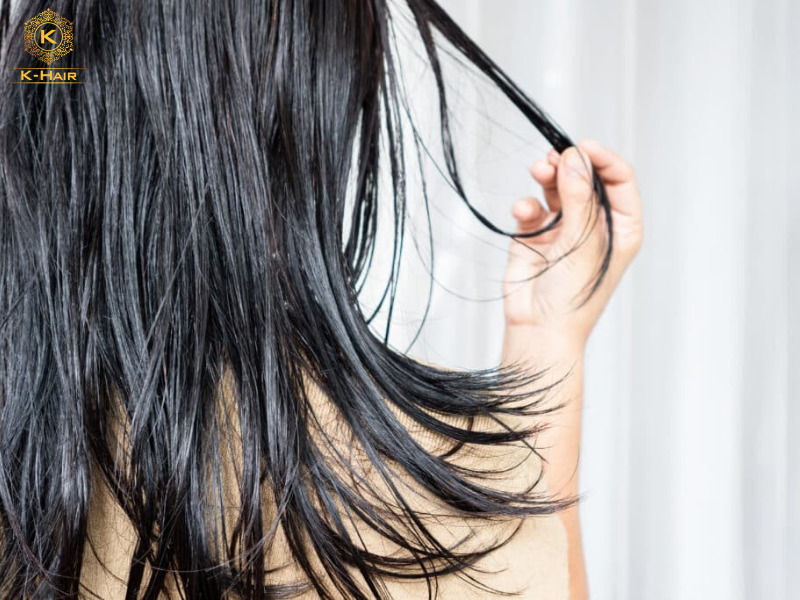
- Resistance to styling: much like all the other hair types, 1A hair has its own setbacks, among which, the most inconvenient and frustrating issue that most people with natural 1A hair have to face is their stubborn resistance to styling. On the one hand, the closed cuticles make it difficult for chemical stylings, like bleaching or dyeing to deliver its desirable effect; and on the other hand, the oily, slippery appeal of 1A hair make it extremely intolerant to not only non-heat, but also to high heat styling. In most cases, to transform 1A hair, to style the hair would require much more hair bleaching, hair dyeing attempts, as well as higher heat for the final look to be delivered → potentially causing more damage and dehydration during the process.
3. Differences between 1A vs 1B vs 1C hair
Learning “what is 1A hair” is merely just a start, or rather, a surface-level information. More knowledge about this specific hair type is still out there for you to discover, and among this source of knowledge, are the crucial information about the differences between 1A vs 1B and 1C hair.
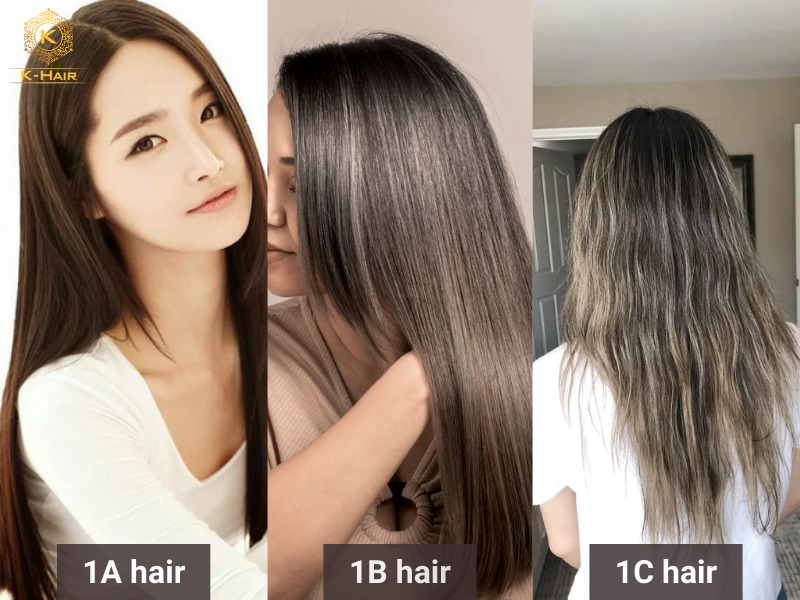
Belonging in the same straight hair category means that 1A, 1B and 1C hair can still share a considerable amount of common features that can make it difficult or confusing for inexperienced individuals to identify and classify their hair. However, no matter how similar they can get, there are still several distinct and unique features that help to separate the three hair categories:
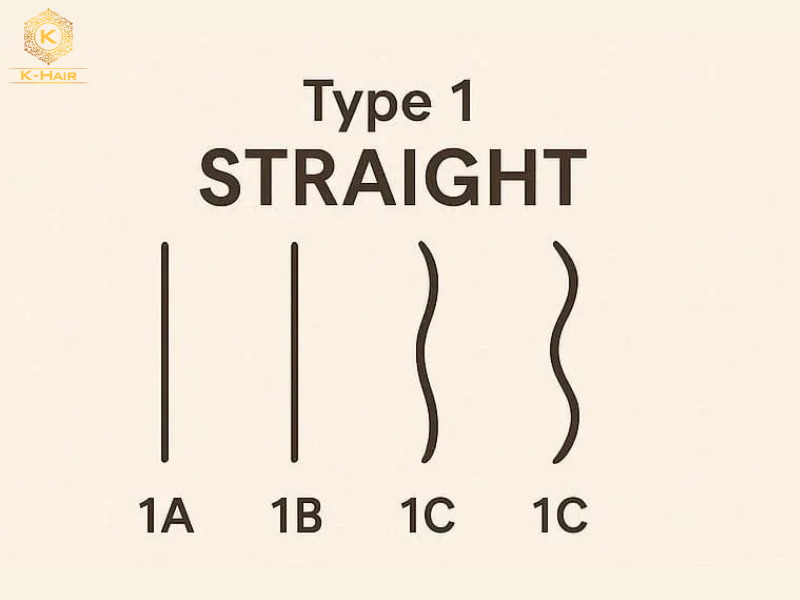
| 1A hair | 1B hair | 1C hair | |
| Texture | Typical 1A hair strands tend to be fine, thin and soft – appear and feel extremely soft to the touch.
→ Delicate, fine and slightly fragile hair strands |
Typical 1B hair strands tend to be slightly thicker and coarser than the standard 1A hair.
→ Sitting in the middle range when it comes to hair thickness |
1C hair has the thickest hair strands out of the three, with the coarsest and densest strands of all straight hair variations. |
| Natural patterns | The ultimate sleek hair patterns:
|
Besides sleekness, 1B hair also have more waves integrated:
|
Having the most curls of all straight hair types:
|
| Volume | Offering the least volume:
|
Sits in the middle range when it comes to volume:
|
Offering the most volume out of the three:
→ Appearing thicker, while still maintaining that overall sleek, silky look |
| Styling ability | Extremely resistant to styling:
→ Take more effort to be styled, and even after that, the final style can hold on for long after recovering to its original pattern |
Is much better at holding styles and curls compared to 1A:
→ Takes less time, effort and heat to be styled, and the final hair look can go on for more hours before snapping back |
The easiest to be styled and transformed:
→ Can be styled more freely without demanding extra effort and substances, as well as can hold style for a much longer time compared to 1A and 1B hair |
| Manageability | 1A hair has always been considered as the healthiest and most manageable hair types:
→ Less prone to tangling and shedding; less subjected to environmental effects and dehydration |
1B hair is also quite manageable, but it can also come with some maintenance cautions:
|
1C hair can come with slightly more maintenance cautions, but all and all, it is still quite manageable:
|
4. The Best Hairstyles and Cuts for 1A Hair?
Now that you have gone through all this provided information about what is 1A hair, you must now be able to identify your hair and decide if your hair falls to the 1A category or not. Every type of hair is beautiful in its own way, and 1A hair is no difference – with the right hair style and styling method, you can actually bring out the inner beauty of this tight and voluminous hair type, as well as be more confident and cherish your own natural beauty and this God-given gift:
4.1. Blunt Bob/One-Length Cut
One of the most suitable hairstyles for the iconic sleek and silky, yet thin 1A hair would definitely be the Blunt Bob or the One-length cut – as it flatters and brings out every single beautiful features that 1A has, while creating an optic illusion of volume to cover for its lack in thickness. By definition, a blunt bob is among the basic, classic hair cuts, able to create a sleek, straight and well-kempt hair look that is perfect for the glossy 1A hair. And much like its name “The Blunt Bob”, this hairdo features a clean and sharp cut along a horizontal line – making sure that all hair sections fall into the same hair length, usually at the jawline or slightly below.
To recreate this hair look, the steps are extremely simple:
- The hair will be conditioned, combed into complete uniformity, before being cut down completely and trimmed in a sharp horizontal line – with not any additional layering involved.
- The hair will then be blow-dried completely and any out-of-line hair strands will also be cut into unison → creating the ultimate elegant and blunt hair look.
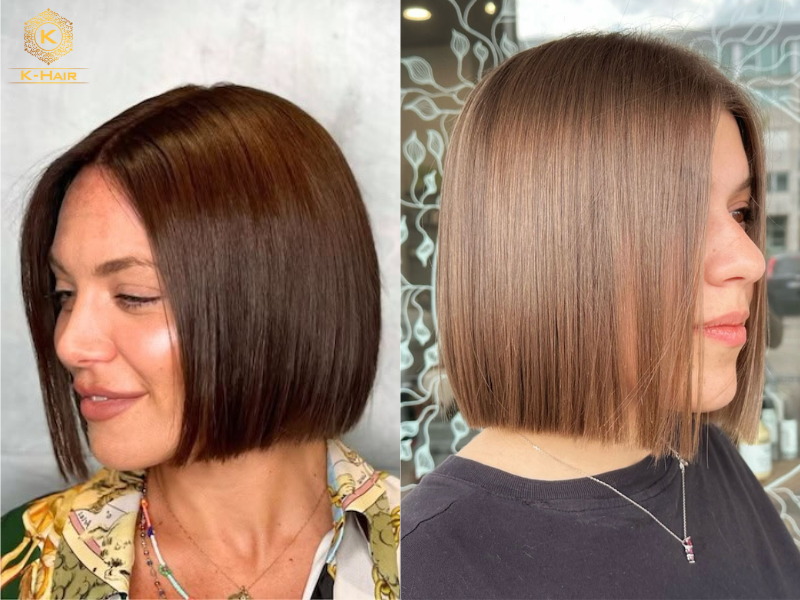
There is a reason why this hair cut is placed above all the rest – it is because the Blunt Bob is often considered the most suitable hair cut for such thin and sleek hair types like the 1A hair. The blunt and sharp final look of the bob can make full use of the inherent glassy appeal of the 1A hair, while the uniformed hair length can make the thin hair appear thicker and fuller – elevating the hair’s natural beauty while concealing its flaws.
Read More: what is 4a hair
4.2. Textured Pixie Cut
When learning “What is 1A hair”, another suitable hairstyle to consider for your 1A hair would definitely be the layered pixie cut – extremely suitable for those wanting to add some extra spice and personality to their daily hair look, without sacrificing the natural beauty and signature features of the hair type. By definition, the textured pixie cut is much different from the rest, as it is a short, modern and stylish hair cut, with integrated layers and edges, instead of the regular sleek and blunt look of most 1A hair cuts. Comparing lengths, this pixie cut would also be the shortest one – with lengths reaching slightly past the nape only – creating an interesting, unique and unisex hair look that makes the hair truly stand out.
To recreate this hair look, the steps are also simple:
- Start with cleansing and conditioning the hair as usual, and start from the bottom up. The hair on the bottom near the nape and at the sides will be cut extremely short, while the hair at the top head will be left longer → creating a layered, choppy hairstyle that looks just like you have been growing your hair out.
- The stylist will blend in the different layers by trimming and razor-cutting, creating a more seamless blend.
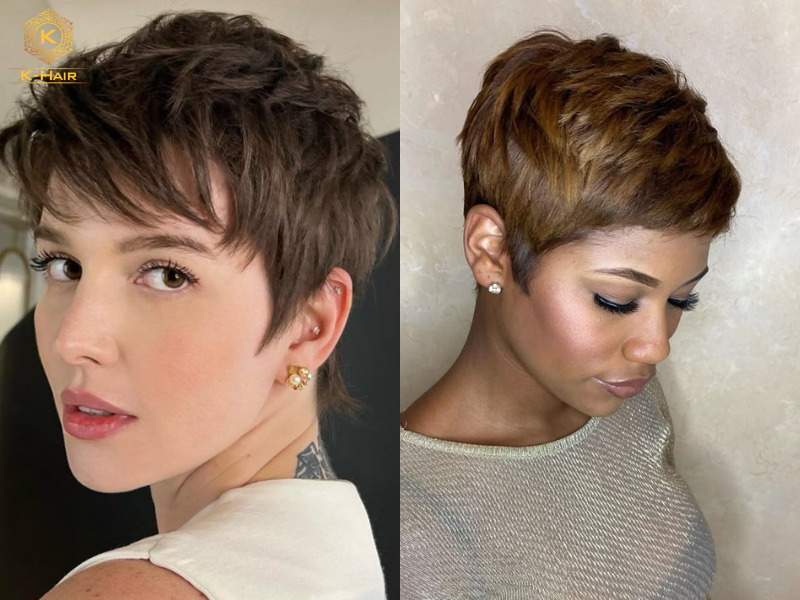
For clients wanting a bold, unapologetic and unique hair look, a hair look that is distinct from the elegant and classy blunt cut – the textured pixie hair cut would definitely be the perfect candidate. And by adding more layers and edges to the hair, this hairstyle would definitely add more dimension and thickness to complement the natural thin volume. And on top of that, with this short hair style, lengthy and time-consuming styling is no longer necessary – making it the suitable choice for those wanting a low-maintenance and ready-to-go haircut.
4.3. Shoulder-length Blunt Cut (Lob)
Third on the list, we would have to mention the iconic Shouler-length blunt cut – the Lob as you might say, as among the most suitable hairstyles for the 1A hair, and the longer alternative of the short blunt cut bob. By definition, the shoulder-length blunt cut is quite similar to the classic Bob – it is also a one-length cut, meaning that all the hair will be cut into having completely uniformed hair length. However, the key difference between the two would be that, instead of stopping at the jawline, the Lob would reach to the shoulder length, with softened, lightly trimmed ends to create a micro-layering and a more natural look – creating a more elegant and effortless style to the 1A hair.
To recreate this hair look, the steps are quite simple:
- Also start with wetting and conditioning the hair, combing out and cutting the hair in a uniformed horizontal line near the shoulder-length.
- After drying the hair, the stylist will continue to trim the hair’s ends into softer edges, making the hair appeal more natural – mimicking the natural hair’s ends and natural hair growth patterns.
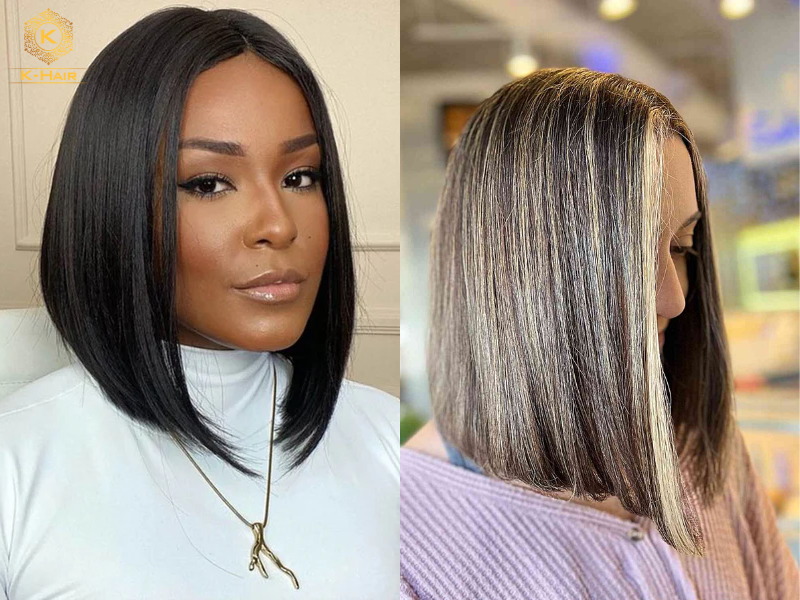
For clients wanting that blunt, classy and elegant look of the Blunt Bob, but hesitant against the extreme short lengths that come with it, especially when you are used to having long hair, such a sharp transformation can be overwhelming and unfamiliar for most people. Additionally, the safer, longer hair lengths offered by the Lob can work extremely well with the sleek and pin-straight, while still delivering a full, heavier bottom length. And on top of that, the more natural, softer edges of the hair, as well as the longer length achieved by the Lob would definitely offer more volume for the thin 1A hair look – celebrating the natural beauty of the hair on one hand, and covering the undesirable hair flaws on the other.
4.4. Long with Face-Framing Layers
Last but not least, when it comes to “What is 1A hair”, among the most suitable hairstyles for the typical 1A hair look, one that should not be overlooked is the long hairstyles with face-framing bang styling – which is often the most popular, widely-requested and flattering haircut among all haircuts for this specific 1A hair. By definition, this hairstyle is somewhat quite similar to the classic Bob or Lob cut – most of the bottom length of the hair will mostly be cut into having one-length only. However, for the bang, the part circulating the face frontal hair line – would be styled and altered to have more shapes, layers and movements – creating a more face-framing effect for those wanting more softness and personalization integrated in their hair look.
To recreate this hair look, the steps are quite simple:
- The hair at the back would be either cut in absolute uniformity in length – to make the hair appear more well-kempt, or more elegant, or be cut into different layers to create the ultimate natural, effortless style.
- The hair at the front hairline would be cut into different layers, or angled sections to soften out the sharp edges near the cheekbones, jawlines, or collarbone → creating softer features for the final look.
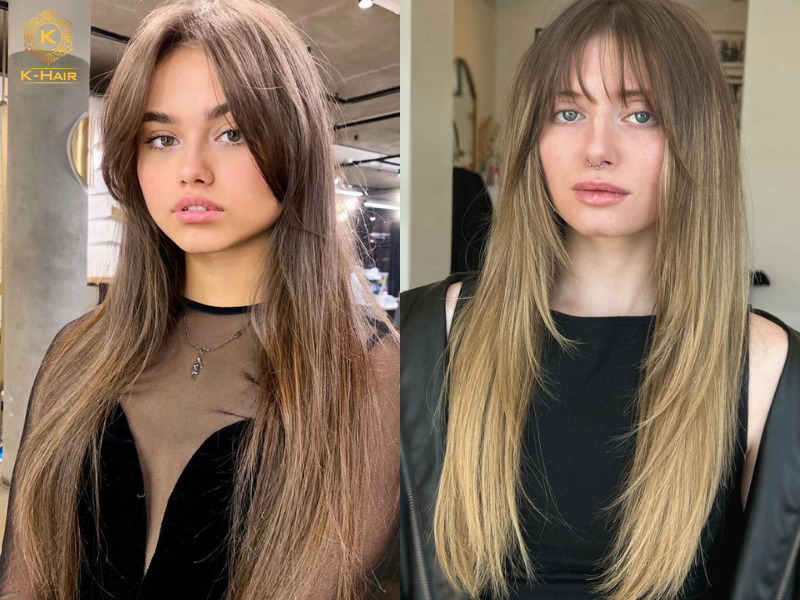
For clients with 1A hair, wanting a voluminous look, but still desire to keep their hair as lustrous and long as it originally is, this hairstyle would be the suitable candidate – making full use of the shiny, glossy appeal of this particular hair type, while still creating a face-framing effect to minimize the impact of its thin hair feature.
5. How to keep 1A hair healthy?
Being often considered as the healthiest hair types of all does not necessarily mean that 1A hair would be completely invincible against all harmful external effects. In fact, much like all the other types of hair existing out there, 1A hair would also come with its own drawbacks – drawbacks that can lead to more profound and severe issues if not properly cared for. Hence, learning “What is 1A hair” is not enough, you would also have to pay more attention into the possible maintenance tips and care routine, in order to make the most use out of this specific hair type, as well as preserving its pristine, undamaged hair health.
For such a particular, sleek and pin-straight type of hair like 1A hair, its maintenance steps would be relatively simpler compared to the kinky, coily hair types out there:
- Regular & Gentle washing: oiliness remains one of the most annoying and troublesome hair problems for most people with natural 1A hair – mainly due to the sleek hair strands and their closed cuticle scales → making it easier for natural hair scalp oil to travel down and cause greasy hair look. This situation can be lifted with regular hair cleansing, as the process can help to get rid of the stubborn residue from natural hair oil and other styling, maintenance products, keeping the hair look sleek and clean without the oily appeal. In fact, the perfect washing frequency would be from 2-3 times per week, maintaining the cleanest hair look without disrupting the natural provision of hair oil and stripping off too many nutrients. On top of that, as the hair strands are extremely fragile and thin, using too much force during hair wash could not do any good to your hair, rather, it can even cause mass-shedding, making the hair look even thinner. Hence, when washing your hair, make sure to maintain a delicate, light force only, and avoid going straight to the scalp and hair roots.
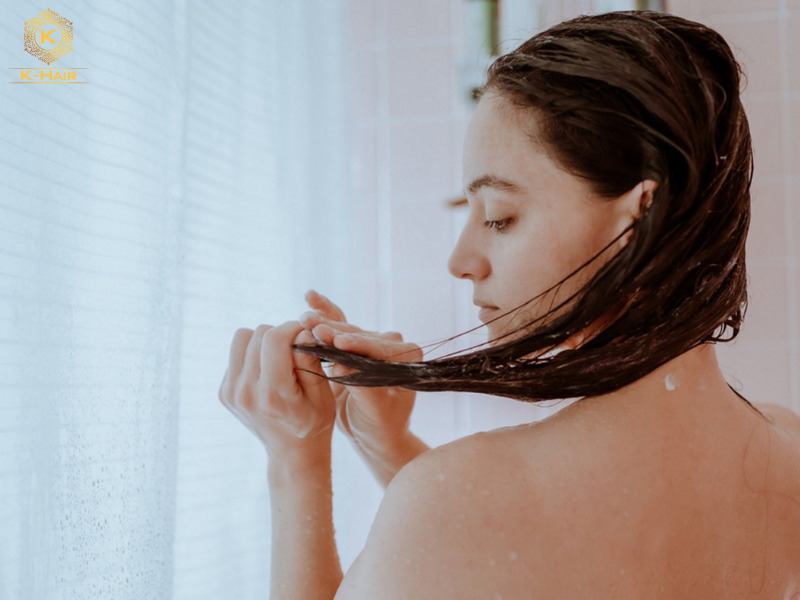
- Delicate handling: as previously mentioned, the number one drawback of 1A hair is having extremely thin and delicate strands, hence, during daily maintenance, the corresponding delicate handling would also be required:
- As sleek as it can get, 1A hair is still quite prone to tangling, due to external factors, therefore, detangling and combing is still a necessary part of the hair care routine. During this process, remember to use delicate, light force only, in order to not disrupt the extremely thin and fragile hair strands.
- Avoid using tense styling methods, such as tying the hair in high, tight knots or ponytails, as these styles can easily add more tension to the fragile hair strands, and ripping them off from the scalps, creating massive hair shedding. Hence, if you still wish to tie your hair, maybe consider using a silk scrunchie, or resorting to looser styles to ease up on the scalp tension.
- Heat protection: one of the number one nemesis of 1A hair types, as well as all hair types alike is high heat – either from the Sun or from styling, as this external factor can easily break down the strand’s protective layer, subjecting it to dryness and hair frizz. Additionally, for 1A hair, where the strands are especially finer and thinner, the influence from high heat can be extra detrimental – causing split-ends, brittleness and roughen up the texture of its natural hair strands. Hence, the effect from heat is to be avoided at all cost:
- Avoid frequent, daily heat-induced styling at all cost to minimize the collective effect that follows. Indeed, instead of styling your hair every-single-day, it is best to give your hair some rest days between these heat styling, or better yet, you can consider switching to non-heat styling. In fact, a lot of non-heat styling has been reported to work just as well as the traditional method using heat – without the extensive hair damage. Some non-heat, non-damaging hair styling options that you can consider for the next section might include: fabric curling, using curl-rollers, or overnight braidings.
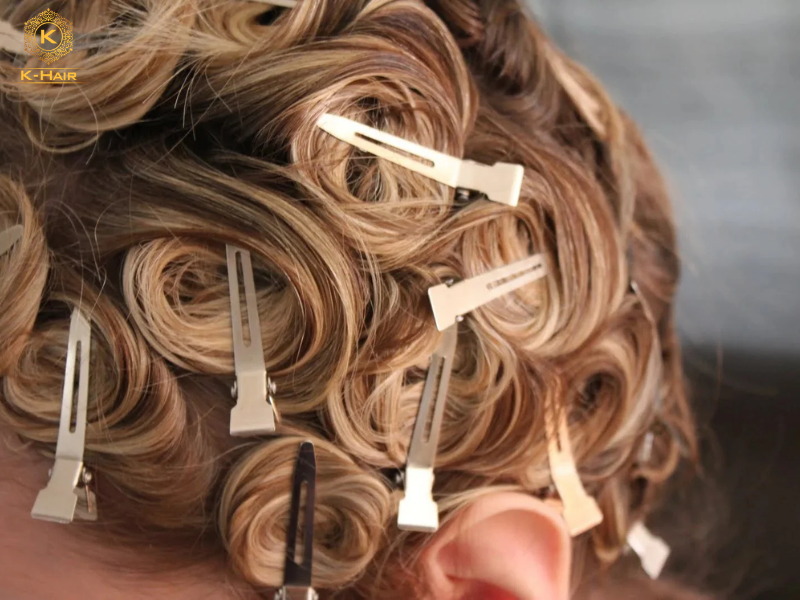
- If you must use heat-styling on your hair, you must approach it with precaution. Before engaging in, it is best to apply your hair with a thin layer of heat-protection first to minimize the influence of heat on your delicate hair. On top of that, the safest styling temperature range for 1A hair would be below 180°C/350°F – to deliver the desirable hair effect, without costing the healthy state of the hair.
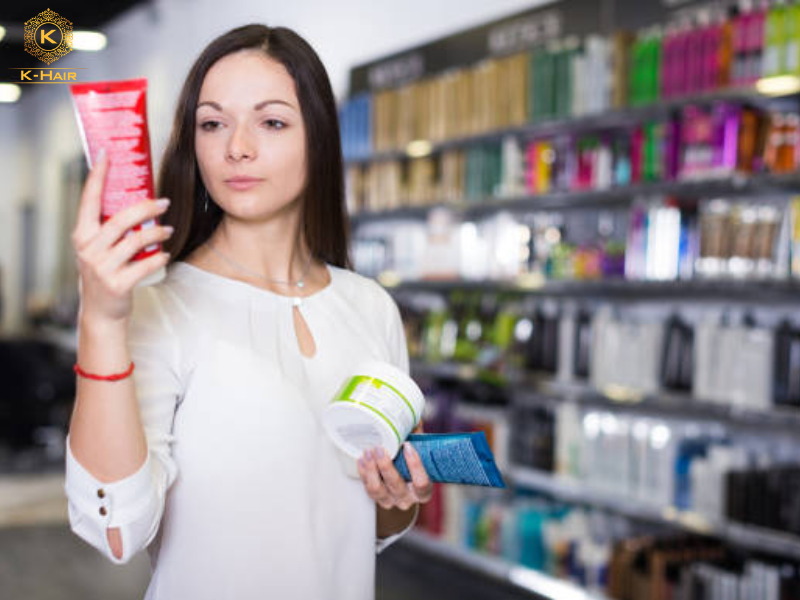
- Using the right products: learning “What is 1A hair” you will find out that for all the maintenance steps mentioned above, make sure that you also pay attention to the products used in these processes.
- 1A hair is a particular and distinct type of hair, as the strands tend to be oily, fragile and sleek, hence, using heavy, thick and protein-rich shampoo, conditioner or serum would not be a great idea – as the products can easily cause more product build-up and conceal the hair’s natural shine and luster. Hence, when shopping for hair products, make sure to prioritize lightweight serum, mist, and spray – the most suitable solutions for your hair build-up problem.
- Not all hair products in the market are equally suitable, as there are still many of them that consist of sulfate, silicon – harsh cleansing substances and heavy products that can subject your hair to more dryness and fragility, while weighing down your hair strands. Hence, these ingredients are also to be avoided when you go shopping for hair products.
- 1A hair type can offer little natural volume to the original hair look – this has been one of the huge concerns for people with natural 1A hair. However, this issue can be solved gradually, by integrating volumizing shampoo, conditioner to your routine.
- Minimize friction: although almost all cuticle scales seen in 1A hair are perfectly aligned or tightly sealed, being exposed to friction can easily cause these scales to open and ultimately lead to dehydration and hair frizz. Hence, you should take extra step to ensure that this protective outer layers stay unbudged by minimizing friction in your daily maintenance:
- Detangling your hair the right way can be the first start. Too frequent combing can subject your hair to having more friction with the comb → making the delicate strands become coarse and drier over time. Therefore, this maintenance step should only be done with moderate frequency only, and be done with wide-tooth, specialized comb.
- Friction can be built on how you move and budge during your sleep – rubbing your hair with your bedding and pillowcase → causing more friction without you even noticing it. To solve such an issue, you can try switching your regular beddings and pillowcases to frictionless, smoother materials, such as silk or satin.
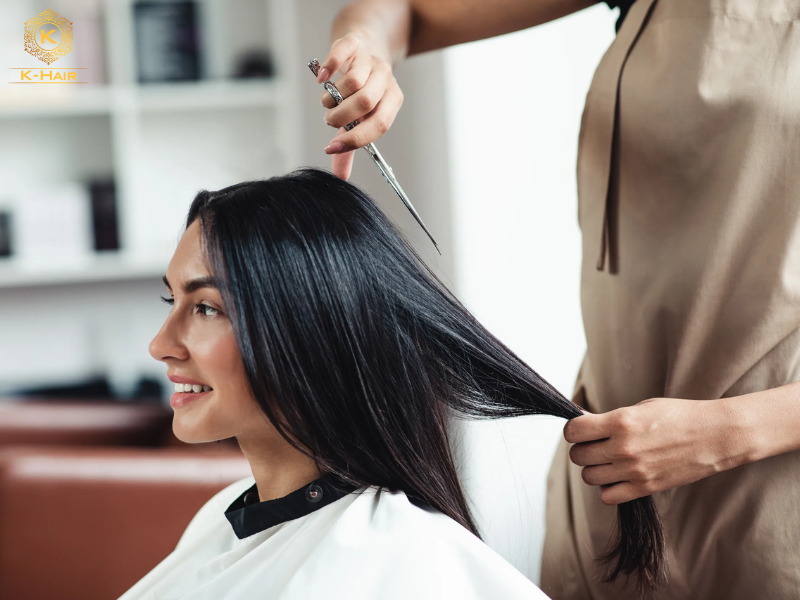
- Trim regularly: as the hair strands lie flat against one another, the split-ends are much more visible in such sleek and thin hair compared to the other curlier hair patterns. For people with long, lustrous 1A hair, regular trimming is highly recommended to get rid of the annoying split-ends, and maintain the hair as sleek and lustrous as it originally was.
6. Conclusion
With the information provided in this article, we hope that we have managed to assist young women in the hair industry with the overall information, tips, and most importantly, what is 1A hair. Navigating through the complex hair industry requires long-term commitment and support from trustworthy partners, we proudly present ourselves not only as a trusted hair expert, but also a supportive friend who will always have your back in this somewhat overwhelming market.
Tired of taking care of your natural hair and thinking about switching to hair extensions and wigs? Contact us through the following link:
- Address: 10A, 171 Nguyen Ngoc Vu, Yen Hoa, Hanoi, Vietnam
- Phone: +8492 633 2545
- Email: [email protected]
- Facebook: https://www.facebook.com/KHairFactoryVN/
- Whatsapp: +8492 633 2545