Among many variations of hair extensions in the market, weaves – despite being one of the long-standing hair items, still managed to secure for itself a stable export volume and capture the attention from a considerable proportion of the global hair industry. In fact, according to Fortune Business Insight, in 2025, the segment representing weave hair extensions revenue accounted for more than 25% of the total hair extension market – ranking third among the existing hair extension types available. As the number might suggest, for hair business owners, this specific product type and its proportionate market demands can provide a lucrative, potential business opportunity, especially for those wanting to jump start their ambition in the hair market.
However, before making rash investing decisions, it is crucial for hair entrepreneurs to prepare themselves with weave hair extensions pros and cons to better grasp their potential and decide on their suitability for your business. This article will provide just that, and more – the origins, price list, and lifespan of this specific product.

1. What are Weave hair extensions?
Despite being introduced for the longest time in the market, many inexperienced, first-time buyers are still unknowing of the specific features, construction, let alone the benefits and drawbacks of these products. To understand weave hair extensions pros and cons, let’s start with the definition: what are weave hair extensions?
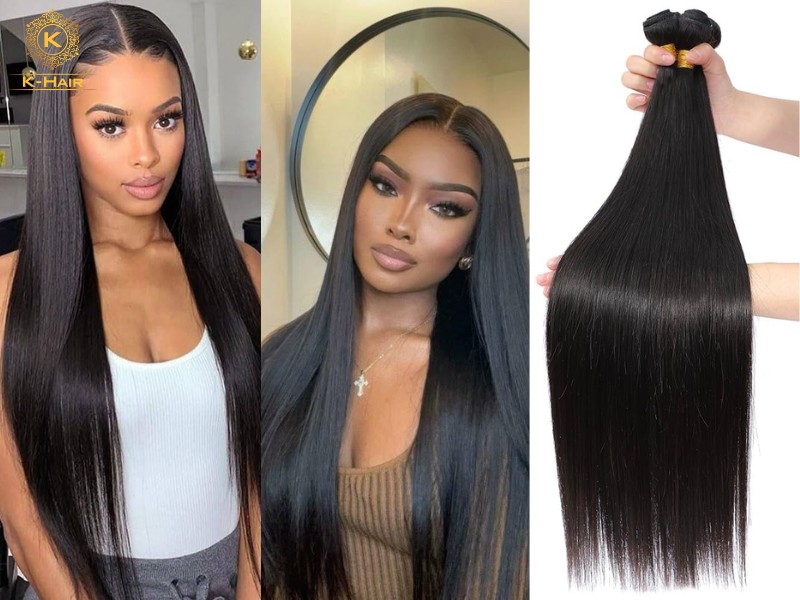
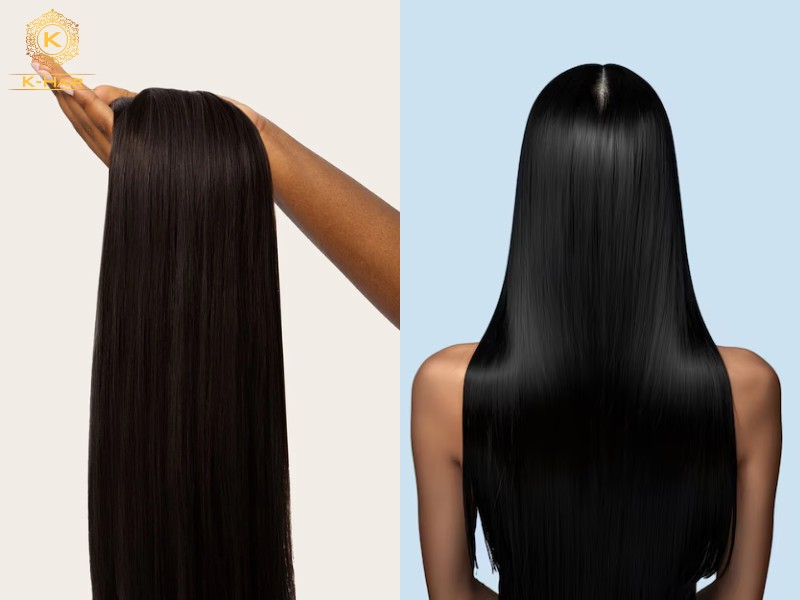
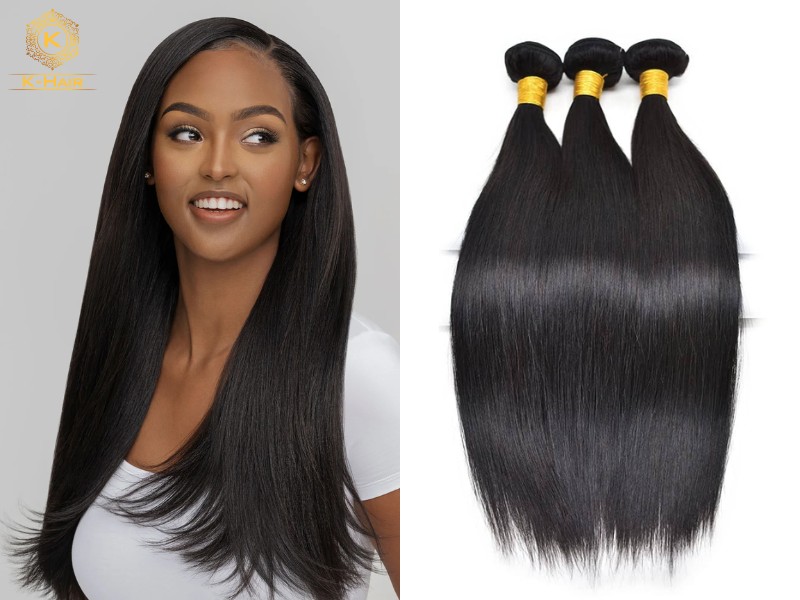
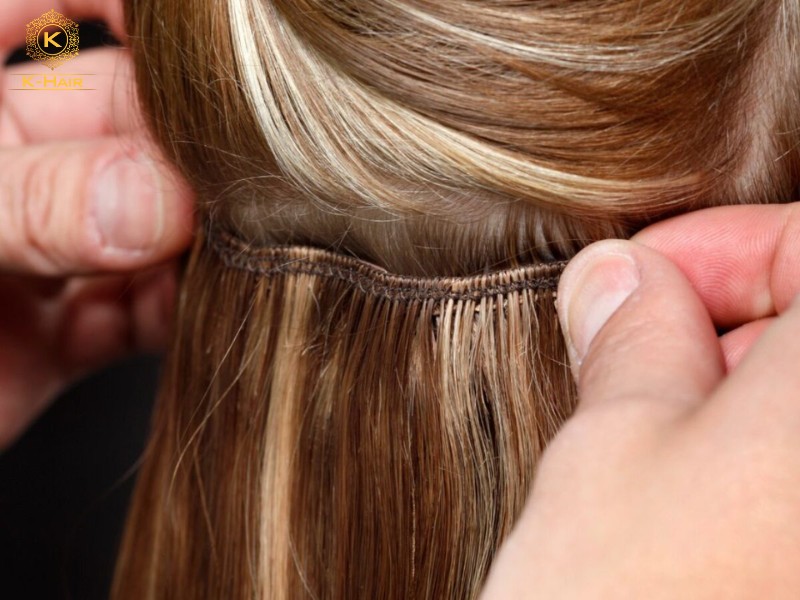
Hair weave extensions, in construction, consist of many hair strands of similar length, sewn and wefted into one singular strip of hair and folded into a bundle – hence, the name hair weaves. As simple as they are, the reasons that many buyers still find it confusing to grasp this specific hair item are mainly for its diverse, varied naming method. Beside the classic “hair weaves”, on the one hand, it can be called “hair bundles” or “hair wefts”- referring to its shape; on the other hand, it can also be known as “sew-in extensions” – referring to its application method. Indeed, different hair suppliers tend to have different preferences and customer base – depending on these factors, they would alter or adopt naming systems accordingly, leading to the rather confusing names for hair weaves we often see in the market.
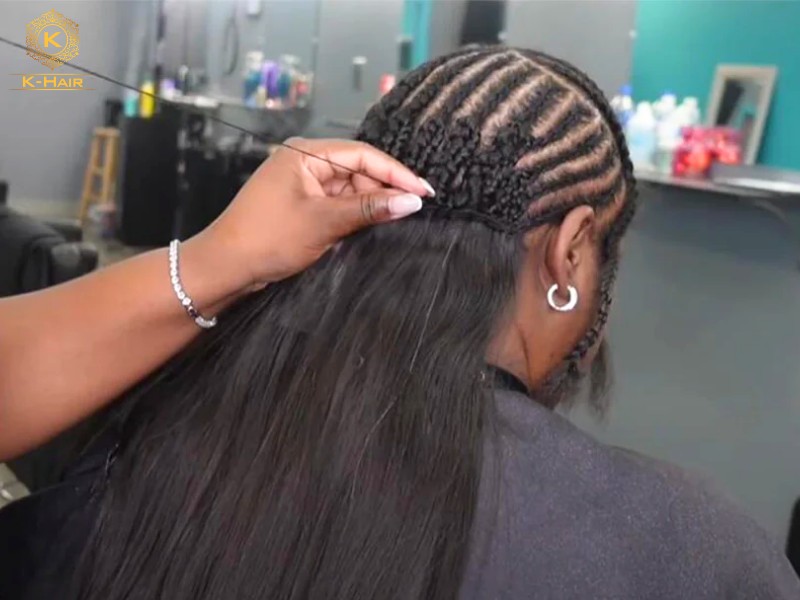
Considering the customer base, hair weaves are extremely popular and highly in-demand among the African American hair community – even its name “weaves” is rooted from African American lexicon. In fact, weaves hair extensions are the main ingredient used in women of color’s sew-in application method, in which the hair wefts will be woven or sewn into the wearer’s hair using braids or cornrows as a base. Another widely-celebrated function of hair weaves is its role in wig-making: since hair wefts can be used alongside hair lace to create a full wig look. Furthermore, hair weaves can also be considered a prototype based on which hair manufacturers can create or develop other extension variations, as it can be cut into smaller wefts to make clip-ins, tape-ins,…
2. Weave hair extensions Pros and Cons
With its multi-functional hair performance, weaves are indeed among the most profitable, potential hair investment for both end-users, professional stylists, wig-makers and hair manufacturers. However, much like any investment, any hair buyer needs to consider the weave hair extensions pros and cons, as purchasing without precaution or careful planning can result in detrimental financial imbalance and over-stocking.
2.1. Pros of Weave hair extensions
Purchasing weave hair extensions can come with several benefits or selling points that business investors can enjoy. When discussing weave hair extensions pros and cons, some of these benefits can be as follow:
2.1.1. Affordability & Availability
Weaves are among the standards, the most basic type of hair extension in the market. Indeed, given the availability of hair enhancement made possible by e-commerce, and the rising hair demands in the market, more and more hair manufacturers are making more effort in producing weaves – considering it is the base ingredient of extensive hair production for other extension types. Hence, when targeting hair bundles as your key product category, hair businesses can enjoy a much more widely available and stable hair supply source to support their operation. Furthermore, thanks to such a prominent presence in the market, hair weaves also come with a lower, more accessible pricing range – suitable for money-conscious buyers or hair startups with limited capitals.
2.1.2. Diverse market sector
Given the process of globalization and the diverse colored demographic in many regions, hair weave providers can target their product to a wide, international customer base for their products. Indeed, hair weaves and their sew-in application method are widely practiced among the African American hair community – mainly for its ability to provide protection for the thin, weak, coarse strands inside the braids, shielding them from the negative effect from external factors. Given the wide-spread colored population across the globe, as well as the essential use of hair weft in this community, hair suppliers can enjoy a wider customer base and gather more income and profit for their business. Furthermore, over the years, the Caucasian hair community has also been showing great interest in this product line – as more and more Caucasian women are using hair wefts in partial sew-ins to further elevate their hair volume.
2.1.3. Long-lasting hair result & Impressive Longevity
Another perks of using and selling hair bundles is that they are extremely durable and long-lasting. For each installation, the final effect of hair weaves would last for 1-2 months, until needing replacement. Overall, the ultimate hair longevity of this specific hair product would range from 2-4 years, depending on the hair types, and frequency of use. As hairstylists or salon professionals, such a durable, long-lasting final hair effect would definitely land in more positive feedback and customer satisfaction, helping build your brand image and reputation. Thanks to its durability, hair weaves are also able to cater to hair users with active lifestyles, athletes, and gymnastics – securing a stable and more diverse customer base for hairstylists and suppliers.
2.1.4. Low maintenance
In the modern world, women are blending in with the busy, bustling lifestyle, leading to less time spent on daily hair maintenance and hair care. Facing such a shift, demanding, delicate hair enhancement products are becoming more and more out-of-favour. Hair weaves, however, are extremely low-maintenance, given its longevity and long-lasting hair effect, requiring less maintenance effort and is often more forgiving for mistakes during the haircare or application. Therefore, for the vast majority of women hair buyers with a busy, tight schedule and in need of a user-friendly extension option, hair weaves are the perfect candidate.
2.1.5. Hair transformation
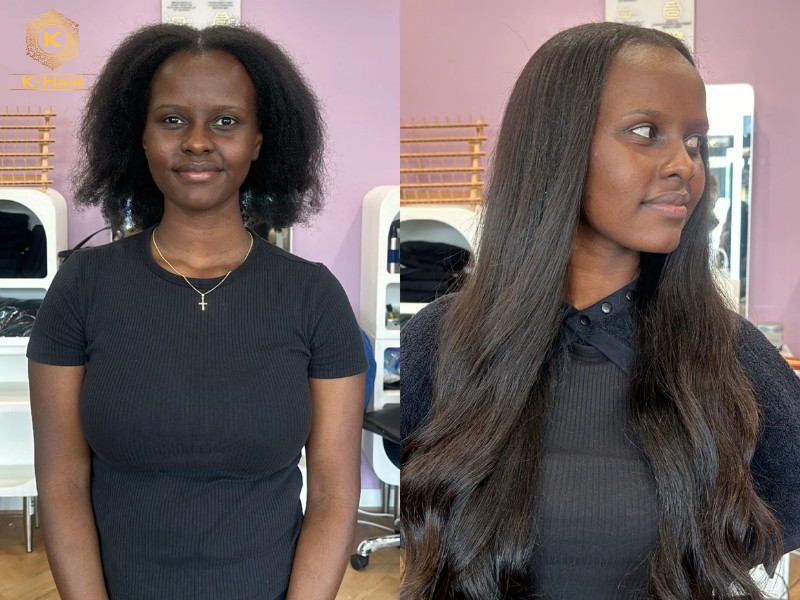
Unlike most hair extensions in the market, only capable of adding more volume and length to the original hair, weaves are able to completely replace and transform the initial, regular hair look, creating a different, desirable hairstyle for their customers. For customers with coarse, weak, or uncontrollable natural hair – using hair weaves can provide them with the natural, elevated look that they desire. Furthermore, for those wanting to switch their hairstyles without committing to a permanent change, hair bundles pose a suitable option, without requiring the hair users to heat-style, bleach, or process their hair and risking its wellbeing.
2.1.6. Collaboration with service providers
Hair weaves and its sew-in method tend to be strictly dependent on professional help to be properly applied onto the wearer’s head. Hence, hair suppliers can team up with salon owners, hairstylists to create a product-and-service package deal to create more incentive for customers, and secure a win-win collaboration with your partners.
2.2. Cons of Weave hair extensions
However, when learning about weave hair extensions pros and cons, you would see that much like any types of hair extensions in the market, hair weaves are rarely perfect and flawless. Indeed, for hair businesses promoting and selling hair wefts, certain drawbacks should be expected and warned beforehand:
2.2.1. Lack of convenience
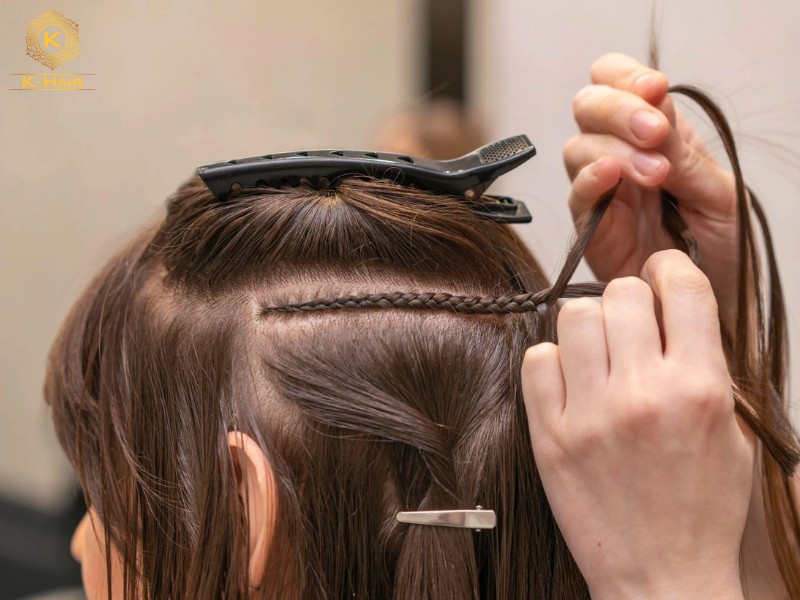
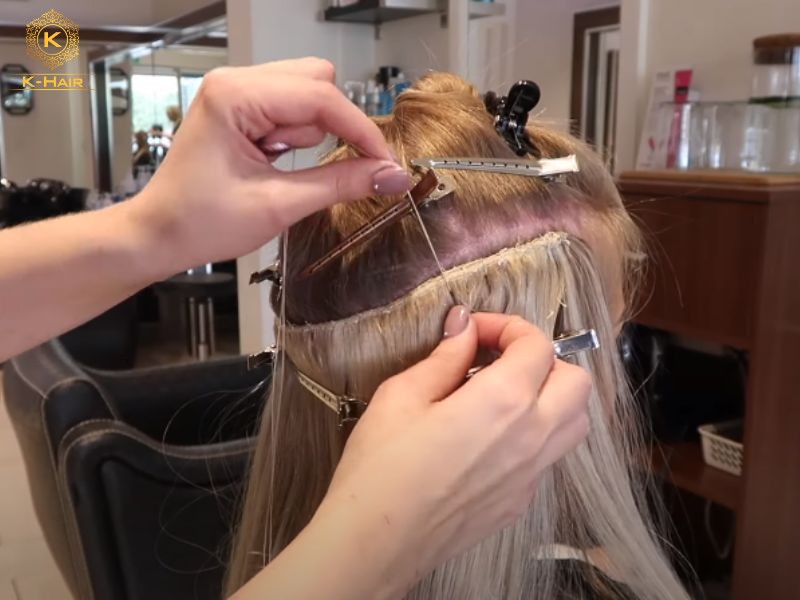
To properly deliver the natural, durable and long-lasting hair effect of the sew-in, hairstylists and hair users would have to sit through 3-4 hours of the application. Indeed, an average process of sew-in hair application would consist of washing the hair, combing, braiding the hair, applying protectant and hair essentials, and sewing the hair wefts onto the braid base – extremely time-consuming and inconvenient for those in a hurry. Hence, this feature can cause many hair buyers to hesitate and reconsider their decision before committing to the final purchase.
2.2.2. Potential damage
To sew the hair into the user’s original hair line, the stylist would be required to tightly braid the hair in cornrows and use them as sewing line for the weaves. However, as this method can cause severe tension to the scalp, many hair users, such as patients with hair loss, or people suffering from sensitive scalp are not suitable candidates for such an application. For these cases, applying hair without precaution can cause scalp irritation and unwanted tension to the damaged hair strands and scalp, adding more damage to the already-weakened hair.
2.2.3. Not suitable for all hair types
Not only patients of hair loss and sensitive scalp are unsuitable to use sew-in hair extensions, but people with extra oily hair are also advised against using this product. Given their oily, slippery hair strands are most likely to be unable to secure a firm grip for the braid in which the sew-in will be installed upon, the lifespan of the final hair effect would most likely be reduced considerably.
2.2.4. Slightly less versatility
Despite popular belief, hair weaves and sew-in cannot provide flexible styling range for their users. Indeed, most hair users having their weaves installed often have to stick to the same hair look for weeks, as it allows little to none alteration be made to the final result – as styling can sometimes affect the grip of the sew-in.
3. Sources of Weave hair extensions in the market
One crucial part of learning the weave hair extensions pros and cons is to learn about the major hubs of hair production, where most of the existing hair weaves in the market are produced. Indeed, over the years, noticing the bustling and lucrative potential of the hair industry, more and more manufacturing facilities have jumped into this market, in hope of securing for themselves a share of the cake, making the hair industry as diverse and huge as it is. As confusing as the process can be for hair buyers in the market, but once one learnt the ropes about the most popular international hair vendors, choosing a suitable hair source would soon become much easier.
In the market, the three most prominent hair origins are as follow:
3.1. Vietnamese Hair extension suppliers
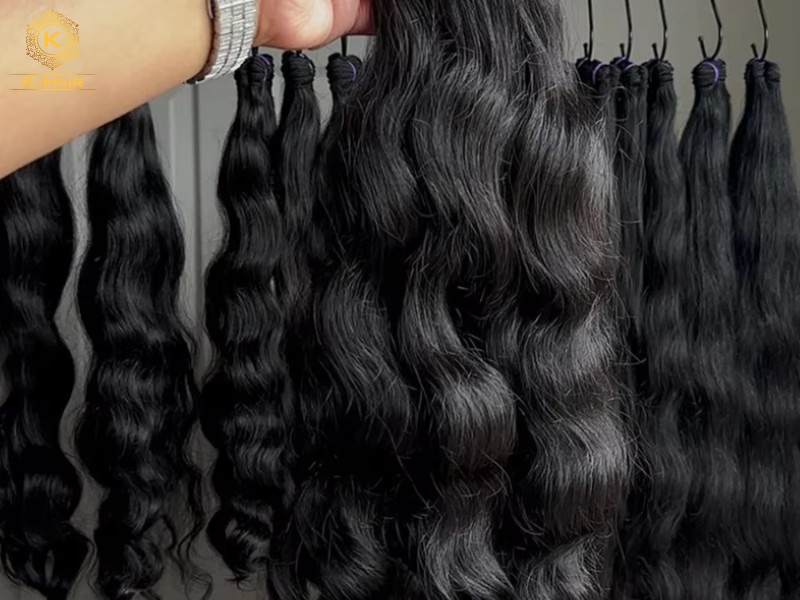
When learning about weave hair extensions pros and cons, another prominent supplier option to consider is the Vietnamese hair extension vendors. Despite being relatively new in the market compared to other competitors, Vietnamese hair vendors have managed to commit to their customer and provide their high-quality hair weaves to the global hair market for more than 30 years – establishing an image of a reliable, supportive hair supplier. In fact, in terms of hair quality, Vietnamese hair vendors are the most authentic and suitable vendor choice, suitable for hair buyers with strict, high demands for their hair weaves:
3.1.1. Vietnamese hair origin
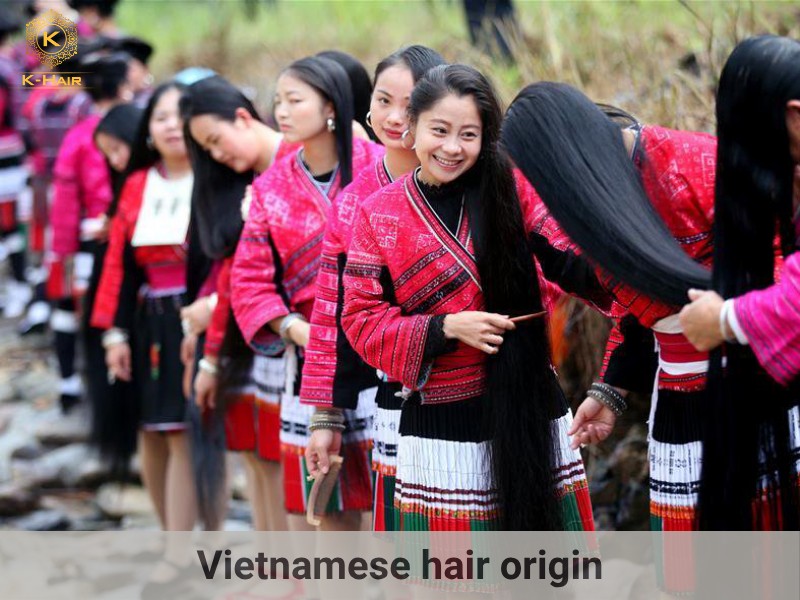
Facing the widespread hair shortage troubling many major hair enterprises across the market, Vietnamese hair still remains as one of the few supplier options that can still offer the most authentic, ethically sourced hair supply for their clients. Indeed, the country’s developing economy helps limit the influence of the aforementioned modern, globalized hair trends, while the traditional beauty hair care routines of women of minorities ensure a steady, reliable domestic supply of high-quality, chemical-free raw hair for production. These factors, together, contribute to the abundant domestic hair resources in Vietnam, allowing vendors to secure a genuine and authentic hair origin for each and every weave hair extensions they deliver to the market.
3.1.2. Vietnamese hair features
Vietnamese hair has long been recognized as the World’s Finest hair, widely praised by buyers worldwide for both its natural look and overall hair performance. The nation’s tropical monsoon climate plays a key role in shaping the hair’s inherent, genetic qualities, while the locals’ hair care procedures and nutrient-rich, balanced diets provide the moisture and nourishment needed for the hair to grow as exceptionally strong and healthy as it is. In terms of appearance, Vietnamese hair bundles stand out among the rest in the market for being soft, silky, and naturally thick, with durable strands that immediately catch buyers’ attention. In terms of functionality, the hair can be easily styled to suit different preferences, can be straightened, curled, and even bleached up to #60 platinum blonde, allowing versatile styling range for hairstylists and end-users to satisfy their personal hair needs and creativity.
3.1.3. Manufacturing scale
Once known mainly as just a complementary raw hair supplier for Chinese factories, Vietnamese vendors have now regained full control over their own domestic hair sources and have successfully established themselves as independent manufacturers. With over 30 years of experience, they have equipped their manufacturers with the necessary technological applications and skilled craftsmanship required to support the increasing global demand for Vietnamese hair. Additionally, as the industry continues to progress, Vietnamese suppliers are able to expand their texture varieties, meeting the diverse and ever-changing needs of international hair buyers in the market.
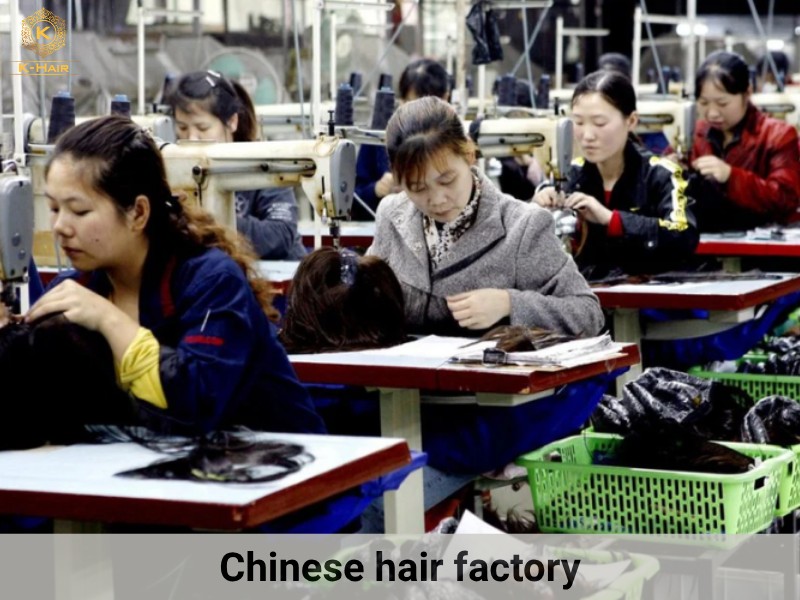
3.2. Chinese Hair extension suppliers
Learning about weave hair extensions pros and cons, hair buyers should easily spot that, in the market, the first ranking in terms of hair production volume and market revenue has always belonged to Chinese hair vendors, given that they take up to ¾ of the global hair market. Besides being among the largest hair suppliers in the market, China is also home to the most ancient, long-lasting hair empires out there, with the earliest trading record dates back to the mid-1900s. Hence, over the years, Chinese hair suppliers have been able to establish and reliable vendor image, attracting a large number of customers toward their hair weaves:
3.2.1. Chinese hair origin
China is known for being one of the fastest-growing economies in the world, so naturally, its population has become increasingly exposed to global hair trends originating from other developed countries, especially international hair trends such as bleaching and coloring. Such a huge change in styling preferences has resulted in more and more women using chemicals, heat to style their hair accordingly, reducing their domestic high-quality hair availability, resulting in most Chinese hair suppliers having to import hair from surrounding regions to solve their hair scarcity. As a result, for the majority of Chinese hair products available in the market today, the raw hair materials are often collected from a wide range of different sources, rather than being authentic, locally collected Chinese hair.
3.2.2. In terms of hair features
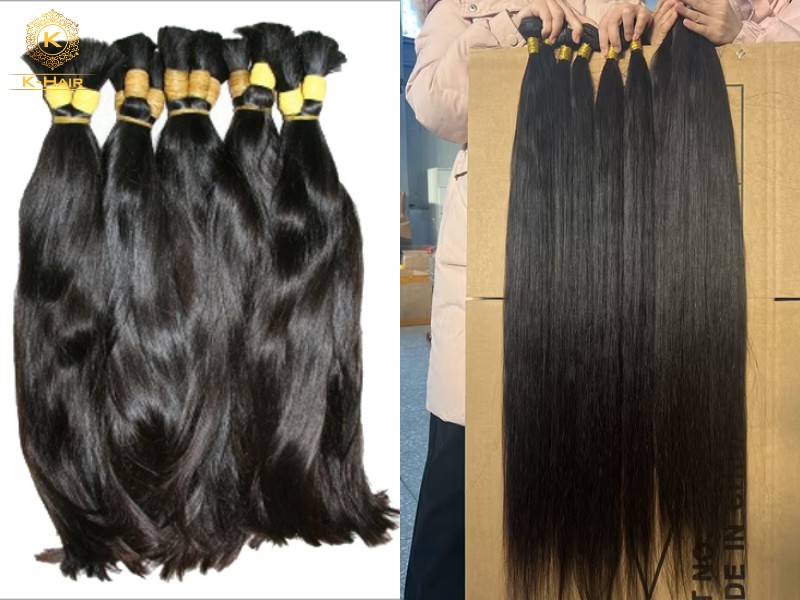
One notable consequence of this mixed sourcing practice is that their weave hair items, as well as their entire product offering in general, often consist of inconsistent quality ranges. Indeed, when the hair is gathered from various origins, it becomes almost impossible to maintain uniformity across different batches, leading to noticeable variations in hair quality from one order to the other. Moreover, since many suppliers rely on outsourced raw materials, Chinese vendors cannot fully guarantee the authenticity of the hair they use, nor can they ensure that the hair remains in its most pristine condition throughout the long and complicated transportation process or not. In most cases, low-quality, cheap raw hair materials are most likely to be collected from unethical sources, or are pre-treated with chemicals, preservatives throughout the transportation without the vendor’s knowledge.
3.2.3. In terms of manufacturing scale
One significant advantage of the Chinese hair vendors lies in their impressive production capacity and diverse product offerings. With decades of hands-on production experience combined with the country’s technological advancements, Chinese suppliers have been able to integrate modern, high-tech machinery into their manufacturing system, enabling them to increase productivity by the millions, scale up their output volume, improving both product availability and final pricing affordability. Additionally, thanks to these technological improvements, Chinese hair factories can also expand their product lines, offering both classic, timeless and trendy, fashion-forward texture variations and color options for their weave hair collections.
In today’s world, however, the reputation of Chinese hair vendors has been rather tarnished by the increasing presence of scammers and unreliable sellers within the very same industry. Therefore, when dealing with a Chinese supplier, buyers learning the weave hair extensions pros and cons must stay especially cautious of potential risks, and thoroughly verify the vendor’s credibility before proceeding with any final payment.
3.3. Indian Hair extension suppliers
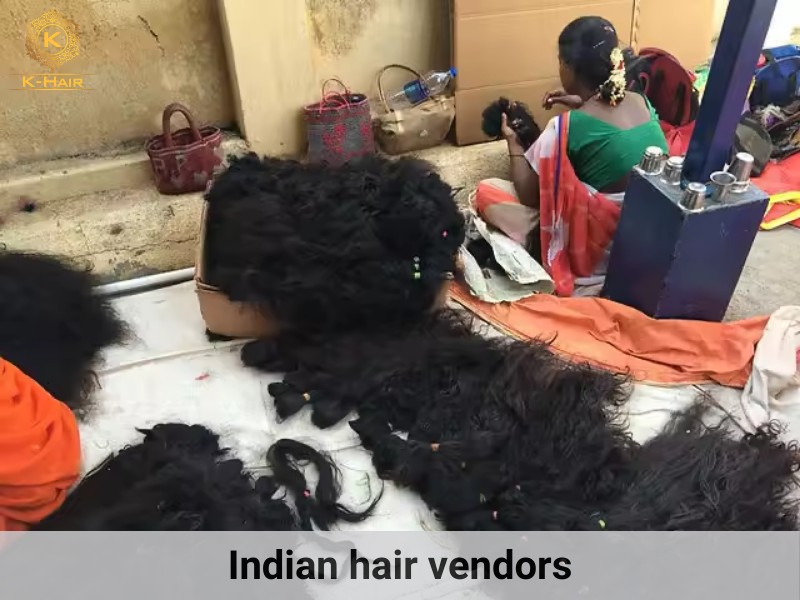
In terms of hair availability, Indian hair suppliers take great pride in being the most abundant, competitively-priced hair source options out there, offering a stable, attractive hair weave source for all hair business owners in the market. In fact, Indian hair manufacturers are even able to supply their raw hair as production materials for many other major hair enterprises in the global industry, with the dominant Chinese hair industry included.
3.3.1. In terms of hair origin
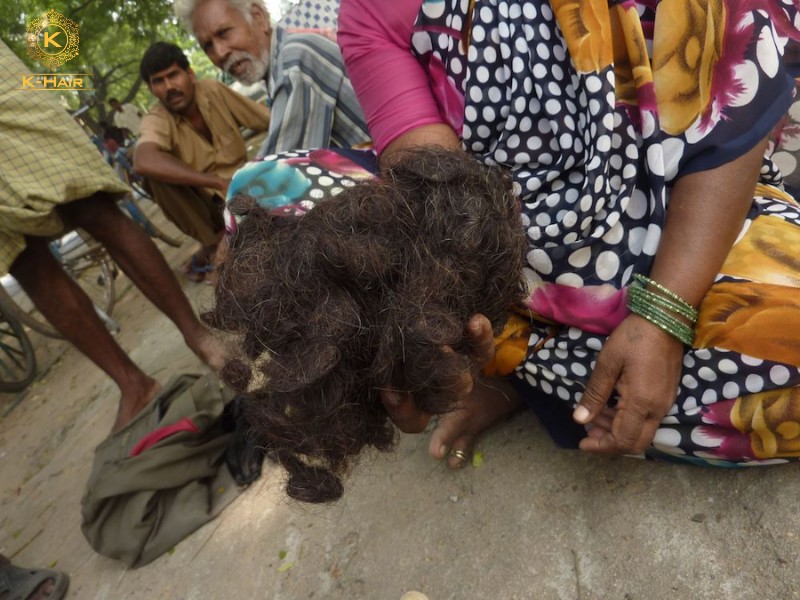
India is home to one of the largest populations across the globe, so unquestionably, their raw hair source would be extremely abundant and widely available. Indeed, such a rich domestic hair source has further supported the Indian hair industry with a strong foundation based on material availability, elevating their production volume. However, as hair buyers learn about the weave hair extensions pros and cons, they should be aware that this specific hair origin tend to have two distinct sourcing methods – one is highly authentic, and one is not:
- Temple hair: as its name suggests, this sourcing method mainly gathers hair from temple-goers who cut and donate their hair at temples as a traditional offering in exchange for blessings and good fortune. Hair collected through this method is generally considered decent in quality and makes up the majority of the higher-grade Indian hair available in today’s market.
- Hair balls: to further make use of their domestic resources, Indian hair collectors also gather tangled, discarded hair strands or balls of hair, often seen in unsanitary, unhygienic places such as salon floors, trash, and even public restrooms. Due to this shady sourcing method, most hair produced from hair balls, despite their treated, lustrous initial appeal, tends to be extremely low-quality, heavily damaged, and entirely unsuitable for long-term or premium hair use.
3.3.2. In terms of hair features
The characteristic traits of Indian hair are mostly shaped by the country’s dry, hot climate, combined with the inherent genetic features and the locals’ traditional diet. Hence, most natural Indian women’s hair tends to be typically coarse, thin, and weak, with naturally curly textures and available in black or brown shades, making it extremely fragile and non-ideal for extensive hair-styling or texturizing. Because of this, during production, many vendors often resort to using chemical treatments to further strengthen the strands and make them more physically appealing for the market. However, despite appearing shiny and healthy at first, Indian hair is often reported by customers to deteriorate quickly once the chemical coating wears off.
3.3.3. In terms of manufacturing scale
Influenced by the nation’s developing economic conditions, the majority of Indian hair suppliers still operate in small, family-scale workshops that rely heavily on outdated hair production technology and manual labor for their manufacturing process. Therefore, when comparing capabilities and productivity, Indian vendors generally fall behind other competitors in the global market. Additionally, because of their reliance on manual labour, Indian factories are unable to create diverse or trendy weave hair textures without relying on old-fashioned, damaging chemical-based texturizing techniques, ultimately limiting their product variety and affecting overall hair quality and longevity of their output.
Read More: Double Drawn hair
4. Weave hair extensions Price list
Knowing about weave hair extensions pros and cons, hair buyers can all acknowledge that, the pricing model of the hair products plays a crucial role in deciding on the suitability of the hair wefts, especially for those with limited budget, wanting the most suitable hair weft options for their spending range.
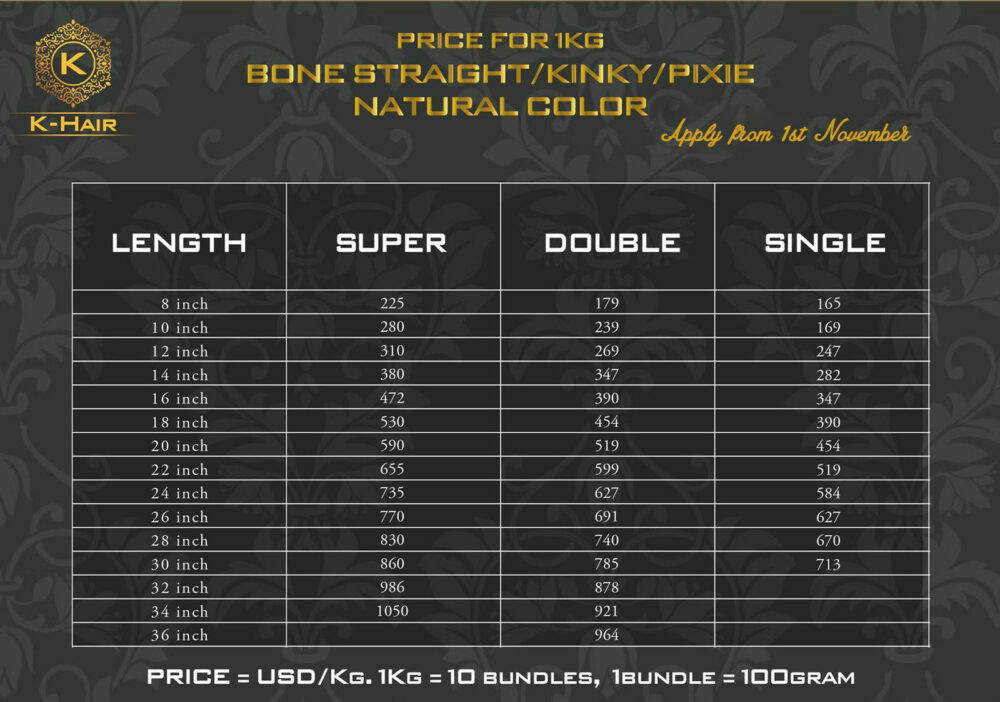
In the market, the pricing model used for hair weaves often includes the pricing range for the raw hair materials, the production process. Hence, as different hair origins mentioned above tend to go with different manufacturing scale, product availability and raw hair input prices, for the final pricing model, their respective hair bundles’ prices would be varied as follow:
- Chinese hair weaves: being the product of mass-production, their hair wefts would come with greater availability and hence, lower pricing range: from $11-$292/piece – offering a medium-range, attractive pricing range suitable for bulk buying.
- Indian hair weaves: belonging to one of the biggest hair suppliers in the market, Indian hair weft makes the most out of its competitive advantage, the prices would range from $10-$100/bundle – extremely suitable for wholesale orders.
- Vietnamese hair weaves: this specific hair line is famous for its well-tested hair quality and longevity, hence is often placed at a medium-range pricing end of the market: from $15-$200/bundle – a reasonable pricing model considering its quality and authenticity.
However, the above pricing range is rarely fixed for all hair weaves items. Indeed, besides the differences in suppliers’ production capability, hair bundles’ offered price would also be strictly dependent on its density level, lengths, hair grade – factors that demand more labour effort involved or rarer raw hair materials. Furthermore, if hair buyers also request to customize their sew-in extensions, an additional customizing cost would also be included.
5. How long do Weave hair extensions last?
The longevity of the hair is also another factor when considering the weave hair extensions pros and cons. Especially for hair business owners, learning about the lifespan of hair wefts, as well as the possible factors that can affect these features can help you to inform your customer beforehand, minimizing unwanted negativities and maintenance mistakes, as well as optimizing user’s experience.
For different hair grades and qualities, the overall hair longevity would vary accordingly. The four most popular hair types in the market would come with their distinct hair lifespans as follow:
5.1. Lifespan of weave hair extensions
The lifespan of 4 types of weave hair extensions you should know:
5.1.1. Virgin hair
Being the highest-quality hair in the market, Virgin hair often comes with the most impressive hair longevity: → Lasting up to 5 years or more under proper maintenance
This is because:
- The hair is collected strictly from one donor → maintaining the ultimate cuticle alignment – minimizing tangling and shedding
- Can preserve hair moisture and nutrients → remain in healthy state for longer time
5.1.2. Remy hair
Being the more widely available and economical hair line, Remy hair can still provide long-lasting hair use for their clients: → Lasting from 2-3 years or more under proper care
This is because:
- The hair is collected from 2-3 healthy donors, whose hair must also be complete free from chemicals → maintaining most of its original healthy state
- However, hair collected from several donors might lack cuticle alignment → more prone to tangling.
5.1.3. Non-remy hair
Being the lowest hair grade for human hair, Non-remy hair can only be used temporarily: → Lasting from 3-6 months maximum, before deteriorating.
This is because:
- The hair is collected from unsanitized, multiple sources, most of the strands collected are previously damaged or chemically-treated → extremely low quality.
- Must be processed to become market-qualified → reducing its longevity in the long run
5.1.4. Synthetic hair
Being entirely non-human, synthetic hair, much like non-remy, is extremely short-lasting: → Lasting from 4-6 months max, before completely falling apart
This is because:
- The hair is made entirely from chemical, plastic fiber → coarse, brittle hair strands that are extremely fragile.
- Lacking the natural cuticle layers → cannot protect itself from the external factors → only suitable for short-term, temporary hair use only.
5.2. Some other factors affecting the overall lifespan of the hair weaves
Besides the aforementioned hair grades, some other factors affecting the overall lifespan of the hair weaves that hair buyers might need to look into are:
- Heat and Chemical-based styling: just like our own natural hair, hair extensions can quickly become more fragile and shorter-lasting when they are repeatedly exposed to high heat and harsh chemical styling habits. Indeed, constantly straightening, curling, or heat-styling the hair will not only make the extensions gradually lose their original state and textures, but also damage its cuticle layer and risk losing its innate hair moisture, leading to dryness, damage, and overall fragile strands. In addition, chemical processes such as bleaching, dyeing, or heavy styling are also to be avoided or proceed with caution, as the substances used can break down the hair’s original strength and healthy structure, leaving the sew-in extensions brittle, dull, and more likely to be subjected to breakage and shedding.
- Frequency of use: the more frequently the hair is worn, the more likely its lifespan will gradually shorten over time, as the hair is constantly exposed to various external factors that can affect the hair’s overall condition and longevity. For instance, constant exposure to intense sunlight can dehydrate the strands while also encouraging the scalp to produce more natural oil, leading to detrimental product buildup. Additionally, coming into contact with chlorine-filled swimming pool water can also dry out the hair, make the hair more prone to tangling and further weaken its natural healthy state.
- Natural hair condition: contrary to what many users may assume, the natural state of one’s own hair can play a considerable role in how well hair weft extensions last and perform. For example, as mentioned above, users with naturally oily, silky hair textures may experience more slippage during the installation and hair use, as their excessive scalp oils can reduce the grip needed for the extensions to stay attached, while also contributing to product and residue buildup that reduces the hair’s shine and overall functionality over time.
6. How to maintain Weave hair extensions?
Learning the weave hair extensions pros and cons is not enough, as the maintenance and hair care routine after the hair purchase and use is the crucial factor to make the most out of hair wefts’ potential and lifespan. Sew-in hair extensions, as previously mentioned, are rather low-maintenance, hence, for most hair users, only certain precaution and hair care regulations are required for this specific product:
6.1. Swimming & Sun exposure
As previously mentioned, constant exposure to direct sunlight and chlorine-filled water can significantly deteriorate the hair’s longevity and its overall hair performance. Therefore, to minimize these damaging effects that come with external factors, hair users can take on several additional hair care methods, such as reducing the negative effect from the Sun by using a protective hat or umbrella when going outside; wearing a swimming cap to prevent chlorinated pool water from coming into direct contact with the sew-in; or wetting the hair with clean water before entering a swimming pool or saltwater environment. By adopting these extra steps, you can create a stronger layer of protection against dryness and dehydration → ultimately maintaining the hair’s natural health and maximizing its original state and lifespan.
6.2. Regular maintenance
Despite being braided into cornrows, the hair still proceeds to grow underneath the sew-in, causing the installed extensions to gradually loosen or shift from their original placement over time. Hence, to maintain a secure grip and prevent slippage or an uneven, unnatural hair appearance, it is strongly advised to schedule regular maintenance appointments every 6-8 weeks and reinstall, or replace the old sew-in application. By doing so, hair users can re-tighten or reinstall the hair, as well as preventing it from slipping out of position or causing severe clumping, tangling hair at the roots or the attachment point of the wefts.
6.3. Styling tips
Excessive heat styling remains the most significant threat to the health of hair extensions, as high temperatures can easily lead to dryness, dehydration, and cuticle damage → heavily damaging the natural state and longevity of the extensions. Therefore, before applying any heat, it is crucial for both hair users and stylists to use a heat-protectant to apply a shielding layer to minimize the damages that come with the heat-inducing styling methods, or completely avoiding frequent heat styling to best preserve the hair in its natural state and textures.
6.4. Brushing & Detangling
Detangling is also another crucial step of the maintenance process, since severe tangling can lead to excessive hair shedding, and in the worst cases, may require users to cut out the tangled sections entirely – making the hair look unnatural and awkward. To prevent such dire issues, clients can rely on proper brushing techniques: using a wide-tooth or extension-specialized brush; starting from the ends and working upward rather than brushing directly at the sewing lines of the wefts; detangling gently without excessive force; and removing tangled hair before washing. By following these procedures, hair users can significantly reduce the risk of hair tangle while also minimizing breakage during the detangling process.
6.5. Washing
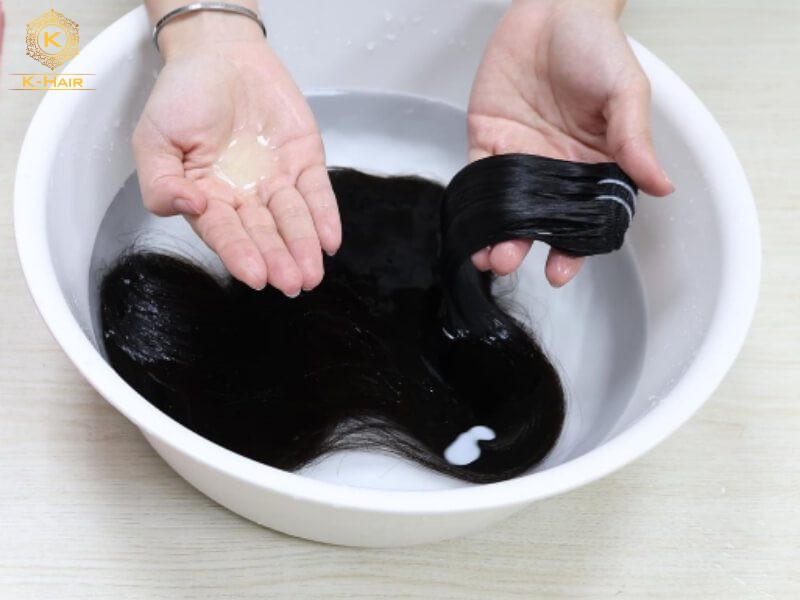
Caring for hair extensions during washing also requires additional attention, as many hair-care products contain ingredients that can weaken or damage the extensions, such as sulfate, silicons,… Harsh shampoos or conditioners are among the main culprits in deteriorating the natural healthy state and longevity of the hair. Hence, when purchasing these products, always check the ingredient list to ensure they are free of sulfates and similarly harmful substances. Moreover, it is advisable to wash the hair in every 10-14 days only, to avoid eliminating too much natural oil and loosen the grip of the sew-in; apply conditioner only from the mid-lengths to the ends, avoiding the roots and attachment points to steer clear of product buildups; and rinse thoroughly to remove any residue.
7. K-Hair: #1 Vietnamese Weave hair extensions
After understanding the weave hair extensions pros and cons, hair buyers can now move on to exploring the numerous supplier options available for this particular hair product. Among these choices, K-Hair has long positioned itself as one of Vietnam’s most reputable and well-established hair manufacturers, gradually earning deep trust from wholesale buyers around the world thanks to its premium-quality Vietnamese hair and consistent commitment to long-term values.
Over the years, the brand has built for itself a solid reputation based on reliable quality control, transparent production and sourcing practices, and a professional approach that focuses heavily on credibility in every transaction:
- Within the wide range of weave suppliers available on today’s market, K-Hair continues to stand out as a dependable and highly recognized source, particularly known for providing 100% Vietnamese human hair, highly praised for its natural smoothness, shine, and impressive durability. Each hair bundle is ethically collected from healthy Vietnamese donors and processed with minimal chemical involvement, ensuring that the hair maintains its original strength, flexibility, and natural texture throughout various hair styling processes.
- Hair quality: every K-Hair wholesale weave is designed to allow bleaching, dyeing, and other restyling processes with minimal tangling or shedding, a competitive advantage that has helped the factory secure optimal customer satisfaction among countless international clients. Alongside this, the factory also offers an extensive color spectrum, ranging from natural black shades all the way to bright, fashion-oriented tones such as blonde, orange, and green, making it an ideal choice for buyers seeking both reliability and customization for diverse customer demands.
- Thanks to its direct production chain, from raw hair collection to the final finishing quality checks, K-Hair maintains strict control of their output while effectively removing unnecessary expenses and middlemen. This not only ensures consistent product quality but also enables the brand to provide competitive, factory-direct wholesale pricing, giving clients the opportunity to maximize profit margins without sacrificing on the durability or performance of their sew-in extensions.
- Beyond product quality alone, K-Hair is also highly valued for its customer-centered service, characterized by clear communication, flexible payment options, and fast, responsive support across consultation, production updates, shipping procedures, and after-sales care. Altogether, these strengths create a smooth, transparent, and reassuring buying experience, allowing wholesale partners to work with confidence and long-term stability.
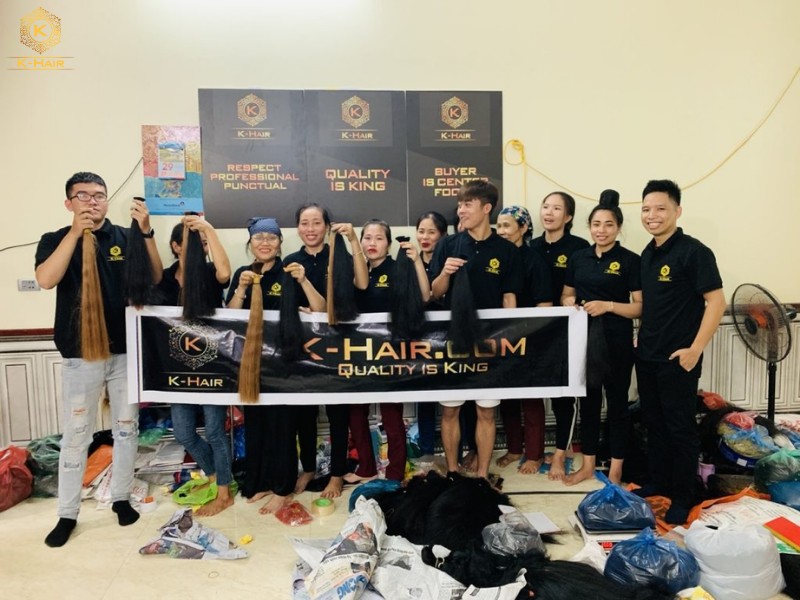
>>Interested in their hair production and sourcing? This video can verify their authenticity:
How can Vietnamese hair vendors COLLECT hair for production??
8. Conclusion
With the information provided in this article, we hope that we have managed to assist young, ambitious business women in the hair industry about the overall market, tips, and most importantly, weave hair extensions pros and cons. Doing business requires long-term commitment and support from trustworthy business partners, we proudly present ourselves not only as a trusted hair supplier, but also a supportive friend who will always have your back in this competitive industry.
Wanting to start stocking hair wefts for the next big sales season? Contact us through the following link.
Contact For More Information:
- Address: 10A, 171 Nguyen Ngoc Vu, Yen Hoa, Hanoi, Vietnam
- Phone: +8492 633 2545
- Email: [email protected]
- Facebook: https://www.facebook.com/KHairFactoryVN/
- Whatsapp: +8492 633 2545