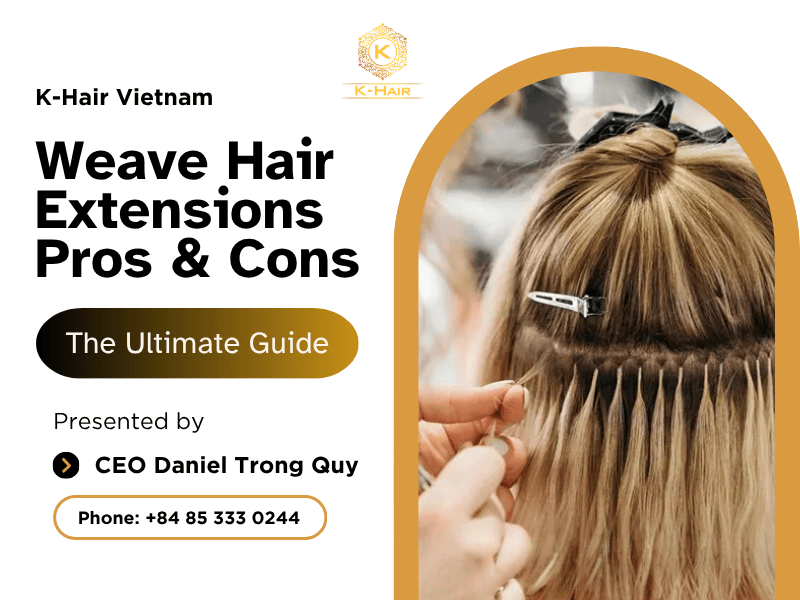
Weave hair extensions are a professional hair integration method categorized under semi-permanent hair enhancement solutions.Despite being one of the industry’s oldest staples, weave hair extensions remain a global powerhouse. In 2025, they captured over 25% of the total market revenue, ranking as the third most popular extension type worldwide. For entrepreneurs, this high demand presents a massive opportunity to build a profitable brand.
However, success requires more than just following a trend. Before investing, you must understand the weave hair extensions pros and cons to ensure they align with your business goals. This article breaks down everything you need to know – from origins and pricing to maintenance – so you can make an informed, strategic decision for your startup.
1. What are Weave hair extensions?
To get a clear picture of weave hair extensions pros and cons, we first need to define exactly what this product is.
Hair weave extensions, in construction, consist of many hair strands of similar length, sewn and wefted into one singular strip of hair and folded into a bundle – hence, the name hair weaves.
The reason some buyers find the naming confusing is that the industry uses several terms interchangeably. Different hair suppliers tend to have different preferences and customer base – depending on these factors, they would alter or adopt naming systems accordingly, leading to the rather confusing names for hair weaves we often see in the market.
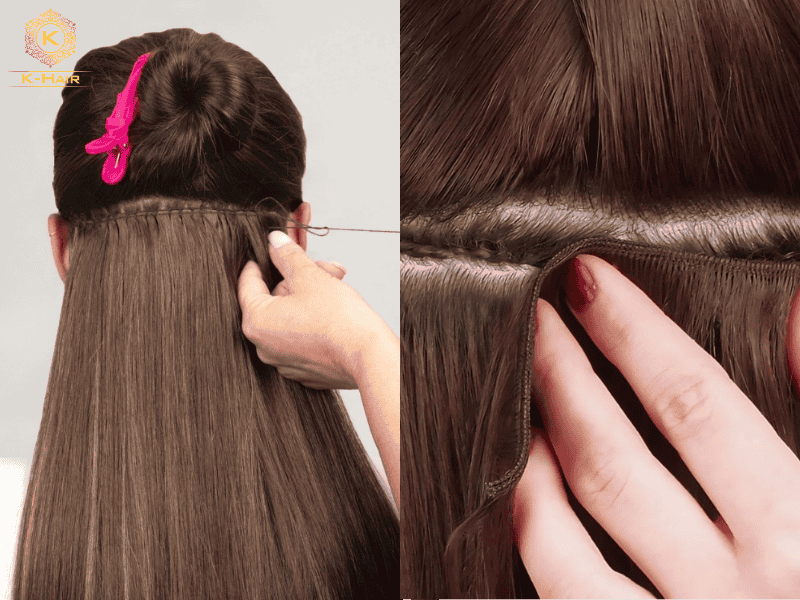
On one hand, terms like “hair weaves” or “hair wefts” describe the physical product. On the other hand, it’s often called a “sew-in”, which refers specifically to the professional application method.
Essentially, these wefts are the “raw ingredients” for some of the most popular styles in the world. They can be sewn onto a base of cornrows (the classic sew-in), used alongside lace pieces to create custom wigs, or even cut down by manufacturers to produce other variations like clip-ins and tape-ins.
2. Weave hair extensions Pros and Cons
To truly understand the weave hair extensions pros and cons, it is essential to look at the benefits and drawbacks from both the end-user’s perspective and the business side.
2.1. Weave hair extensions pros and cons for the clients
Knowing these weave hair extensions pros and cons helps clients realize that the longevity and chemical-free nature of this method often outweigh the initial installation time:
2.1.1. Pros of weave hair extensions
- Chemical & heat-free installation: Unlike fusion or tape-in methods, traditional weaves don’t require harsh glues or high-heat tools. This keeps the natural hair shaft intact and free from chemical damage.
- Affordability & availability: As a staple in the industry, wefts are widely available at various price points. Buying hair in bundles is often more cost-effective for a full-head transformation compared to individual strand-by-strand methods.
- Versatile types: Whether you want a traditional sew-in, a partial weave for volume, or a trendy V-light weave, there is a style for every aesthetic goal.
- Hair transformation: A weave is one of the few methods that can completely overhaul your look. You can transition from a short bob to waist-length hair, or from dark brown to honey blonde, in just a few hours.
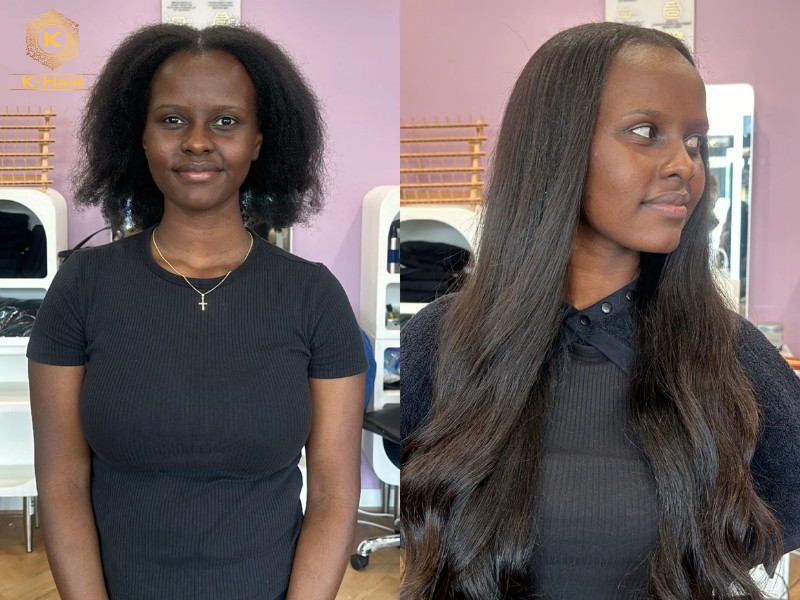
- Long-lasting & reusable: High-quality human hair wefts can be removed, washed, and reinstalled multiple times. A single installation typically stays secure for 6 to 10 weeks.
- Easy to use: Once installed, there’s no daily clipping required. The hair stays in place through sleep, exercise, and showering, saving you time every morning.
2.1.2. Cons of weave hair extensions
- Lack of convenience: The initial installation can take 2 to 5 hours depending on complexity. Maintenance is also more demanding; washing and drying takes longer because the cornrows underneath must be bone-dry to prevent scalp irritation or mildew.
- Potential damage: If the cornrows are braided too tightly or the bundles are too heavy for the natural hair to support, it can lead to breakage or traction alopecia. Professional installation is non-negotiable here.
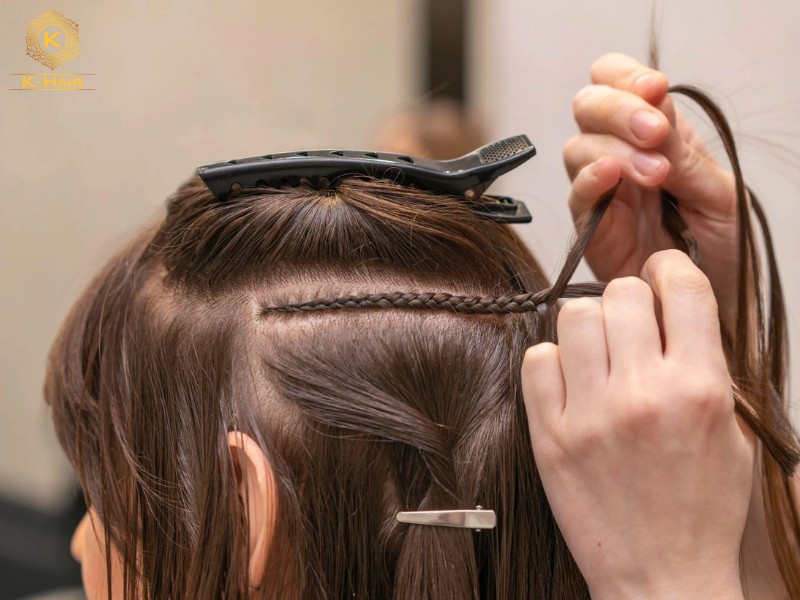
- Not suitable for all hair types: Clients with very fine, thinning, or fragile hair may find the weight of a weave too taxing. This method generally works best for those with enough hair density to hold a firm, healthy braid base.
2.2. Weave hair extensions pros and cons for the hair salon
While clients focus on wearability, salon owners consider weave hair extensions pros and cons for business growth:
2.2.1. Pros of weave hair extensions
- High service revenue: When salons evaluate weave hair extensions pros and cons, the high service revenue is often the most compelling reason to add this service to their menu. Since they require high technical skill and significant time, salons can charge a premium fee that far exceeds a standard cut or color.
- Guaranteed client retention: Weaves create a built-in maintenance cycle. Since they require professional removal and reinstallation every 6–8 weeks, you enjoy a steady stream of return clients and a predictable booking calendar.
- Additional retail opportunities: You don’t just sell the service; you sell the product. By stocking hair bundles directly, you increase profit margins. Additionally, clients will need specialized aftercare (sulfate-free shampoos, serums), boosting your retail sales.

- Market differentiation as a specialist: Mastering complex weave techniques allows your salon to stand out as a specialist hub, attracting a dedicated niche clientele that is often willing to travel and pay more for expertise.
- High customer satisfaction/transformation impact: Few services offer a “wow factor” like a weave. The dramatic transformations provide incredible content for social media portfolios, leading to glowing referrals.
- Diverse market sector: Offering weaves opens the door to a wide range of clients, from those dealing with thinning hair to those who simply want high-fashion versatility, broadening the salon’s reach.
- Collaboration with service providers: High-end salons often partner with premium hair suppliers (like K-Hair), creating an ecosystem that provides exclusive product access and cross-promotion opportunities.
2.2.2. Cons of weave hair extensions
- Significant physical labor and stylist fatigue: Installing a weave is demanding. Stylists spend hours standing and performing intricate, high-tension braiding, which can lead to fatigue or repetitive strain issues.
- High liability for hair and scalp damage: Incorrect installation (braiding too tightly) can lead to traction alopecia or scalp irritation. Salons must be diligent in their health assessments to protect their reputation and the client’s safety.
- Need for specialized staff training: You cannot “wing” a weave. Salons must invest in continuous education to ensure staff are up-to-date on the latest safety protocols and installation techniques.
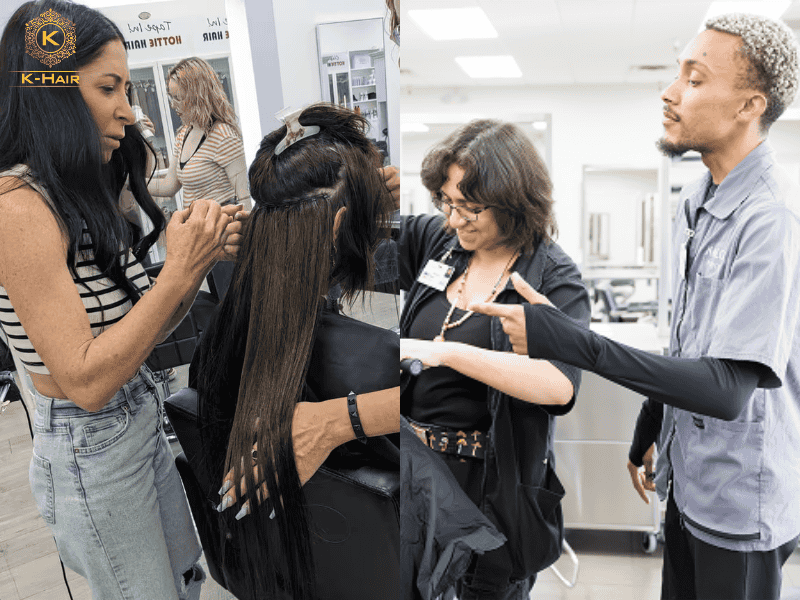
- Extended chair time per appointment: A single appointment can take 3–5 hours. If a client cancels at the last minute or the stylist runs behind, it can disrupt the entire salon’s schedule and limit the number of clients served per day.
- Upfront inventory costs (Stocking hair): To provide a “one-stop-shop” experience, salons often need to stock various lengths, colors, and textures of hair bundles. This ties up significant capital in physical inventory that may not move quickly.
- Possible client discomfort if incorrectly installed: If a client experiences discomfort or itching due to a poor install, “fix-it” appointments can be time-consuming. Handling these delicately is essential to maintaining your salon’s status.
3. Weave hair extensions Price list
Knowing about weave hair extensions pros and cons, hair buyers can all acknowledge that, the pricing model of the hair products plays a crucial role in deciding on the suitability of the hair wefts, especially for those with limited budget, wanting the most suitable hair weft options for their spending range.
Due to different hair origins with different levels of availability and labor costs, the final price per bundle varies across the market. Here is how they usually stack up:
- Chinese hair weaves: being the product of mass-production, their hair wefts would come with greater availability and hence, lower pricing range: from $11-$292/piece – offering a medium-range, attractive pricing range suitable for bulk buying.
- Indian hair weaves: belonging to one of the biggest hair suppliers in the market, Indian hair weft makes the most out of its competitive advantage, the prices would range from $10-$100/bundle – extremely suitable for wholesale orders.

- Vietnamese hair weaves: this specific hair line is famous for its well-tested hair quality and longevity, hence is often placed at a medium-range pricing end of the market: from $15-$200/bundle – a reasonable pricing model considering its quality and authenticity.
At K-Hair – top 1 Vietnamese weft supplier – we offer three price levels to fit any budget: our Luxury Raw Hair, which is guaranteed to lift to 613 blonde; our signature Vietnamese Raw Hair for premium durability; and our Cambodian Raw Hair, which offers the most accessible price point as our base grade and is not recommended for bleaching.
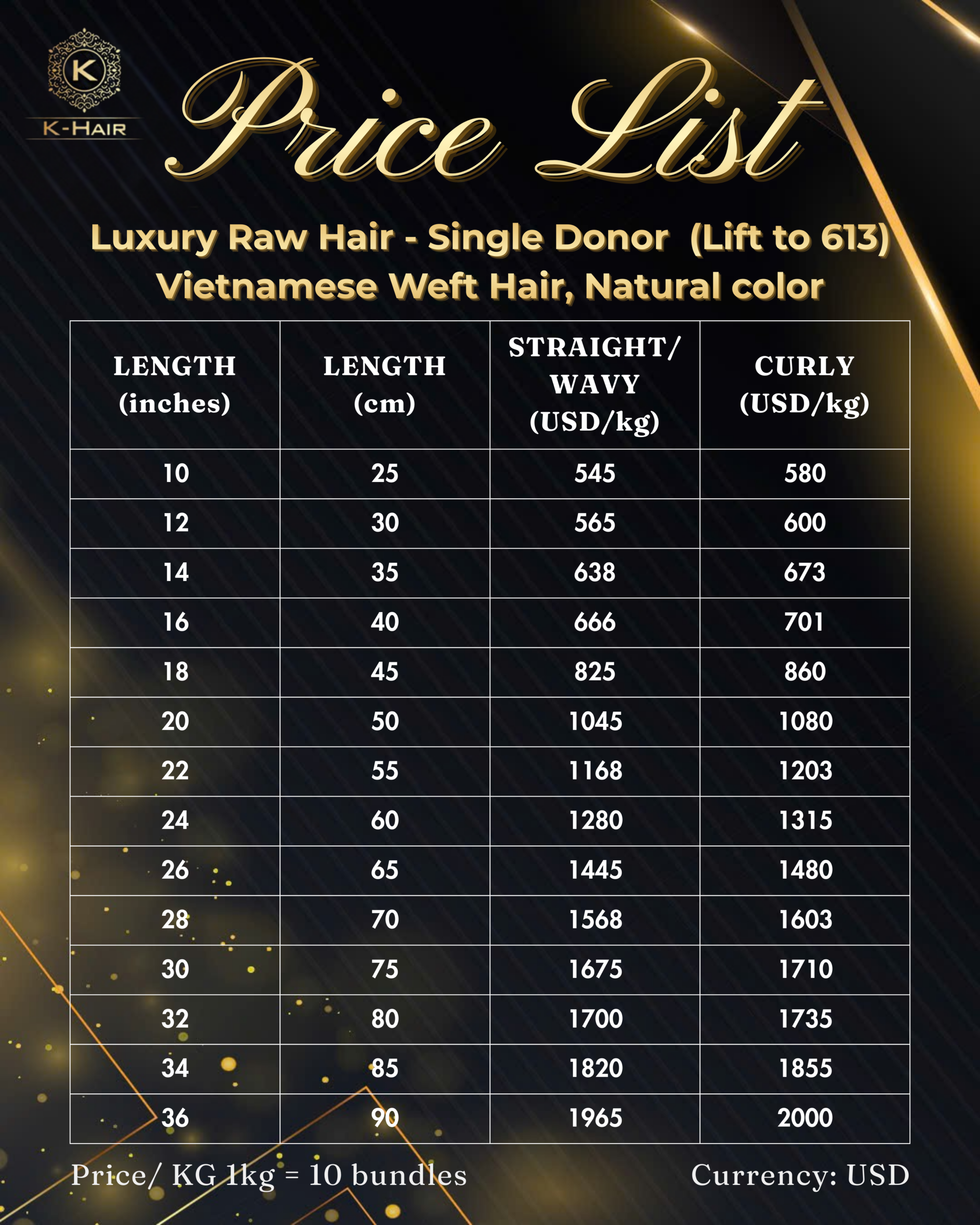
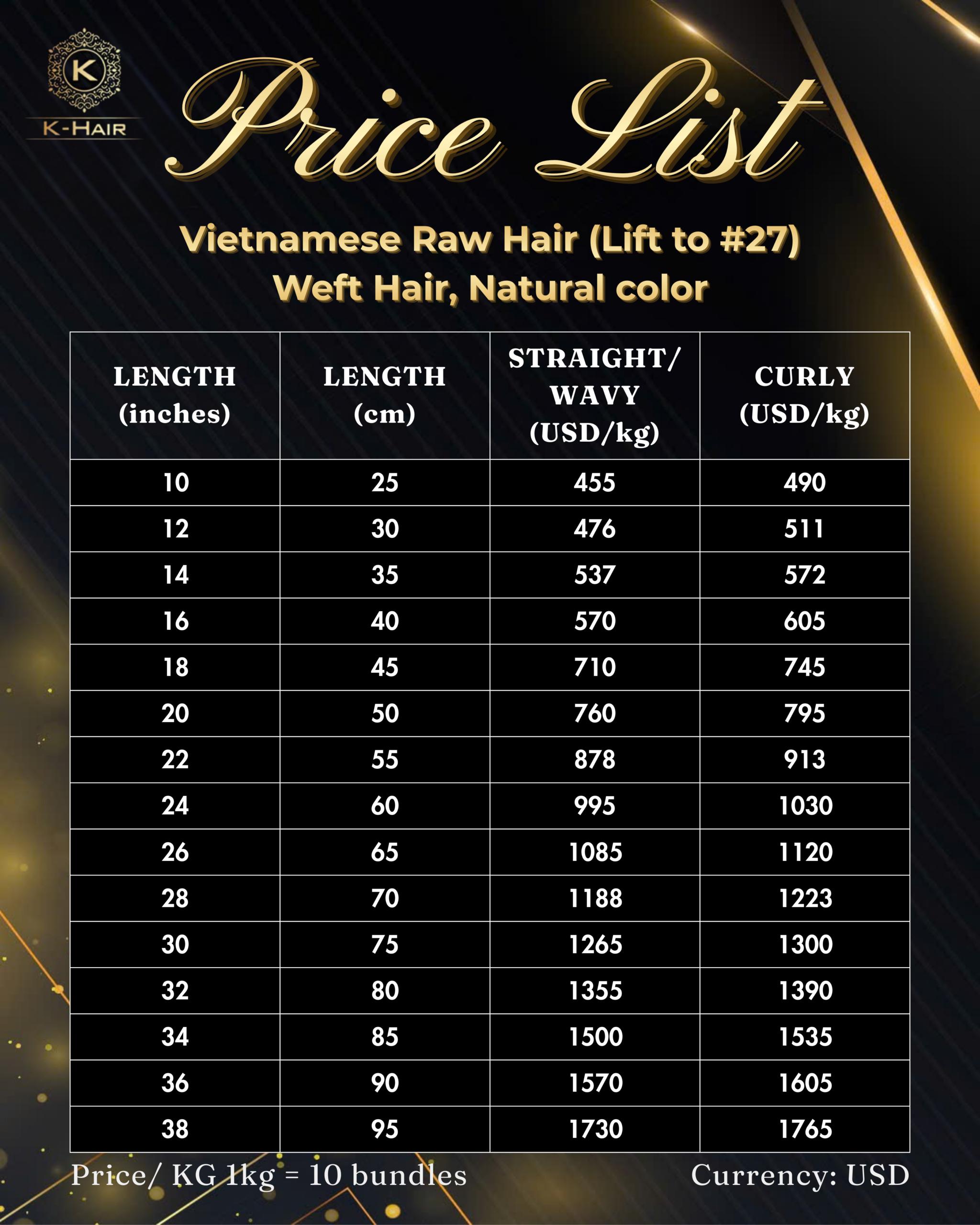
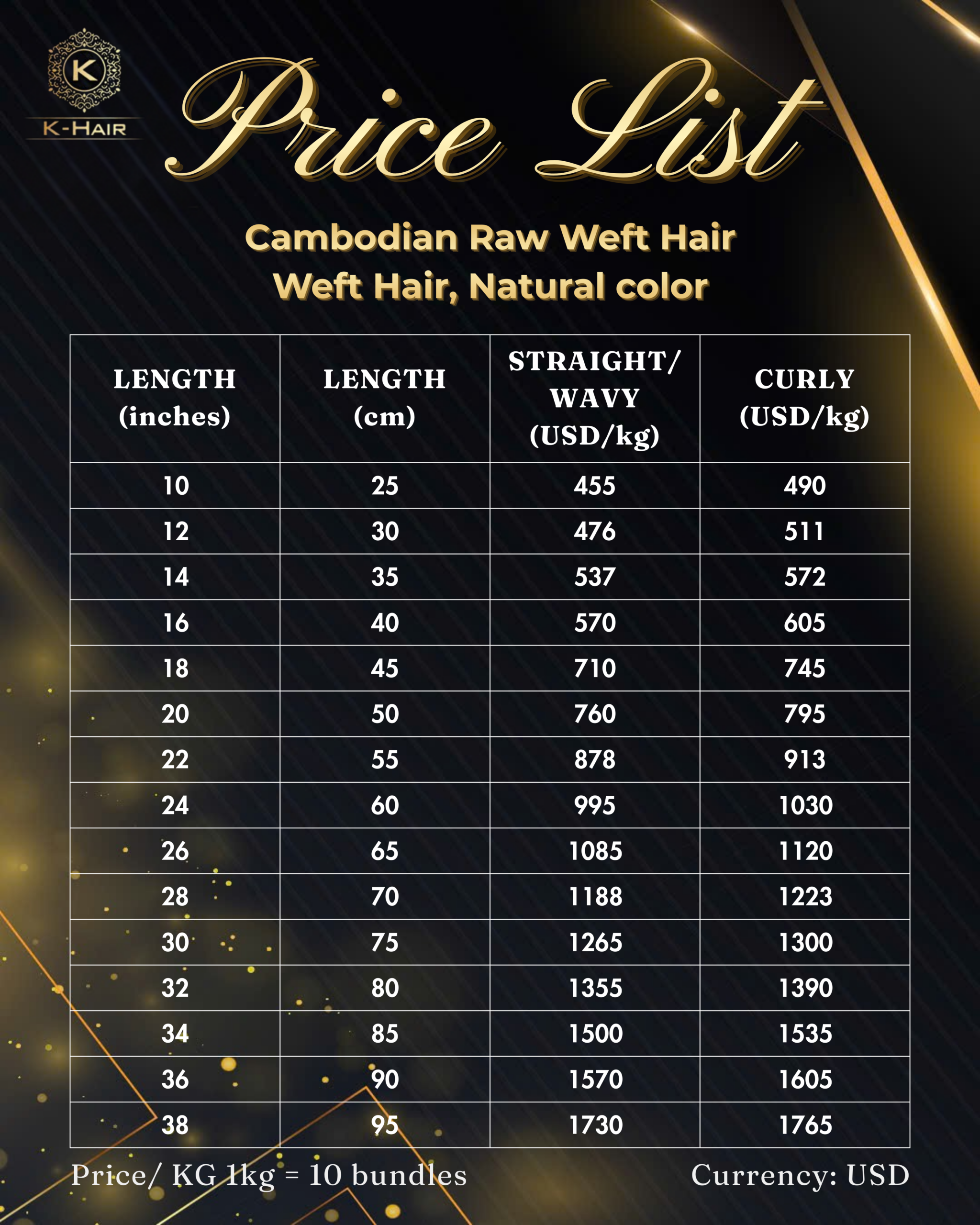
However, when evaluating weave hair extensions pros and cons, the above pricing range is rarely fixed across all weave items. In fact, besides differences in suppliers’ production capabilities, the price of hair bundles also depends on density, length, and hair grade—factors that require more labor or rarer raw materials. Furthermore, custom requests for sew-in extensions will add additional costs.
4. How to maintain weave hair extensions?
Learning the weave hair extensions pros and cons is not enough, as the maintenance and hair care routine after the hair purchase and use is the crucial factor to make the most out of hair wefts’ potential and lifespan:
- Swimming & Sun exposure: Remember, sun and chlorine are the ultimate enemies of hair longevity and its overall hair performance. Hence, don’t forget to wear a hat or use an umbrella in direct sun. If you’re hitting the pool, wear a swim cap. If that’s not your style, soak your hair with clean tap water before jumping in to stop the hair from soaking up as much salt or chlorine.
- Regular maintenance: Even though your extensions are secure, your natural hair is still growing underneath! Over time, this growth causes the extensions’ braids to shift or loosen. Hence, it is strongly advised to schedule regular maintenance appointments every 6-8 weeks and reinstall, or replace the old sew-in application to stop the hair from matting or clumping at the roots.
Expert tip: It’s completely normal for your scalp to feel a little tight or itchy after an install, so don’t worry about it! To get some relief, use a nozzle bottle to apply a mixture of water and tea tree oil, or a specialized scalp antiseptic, directly between the tracks.
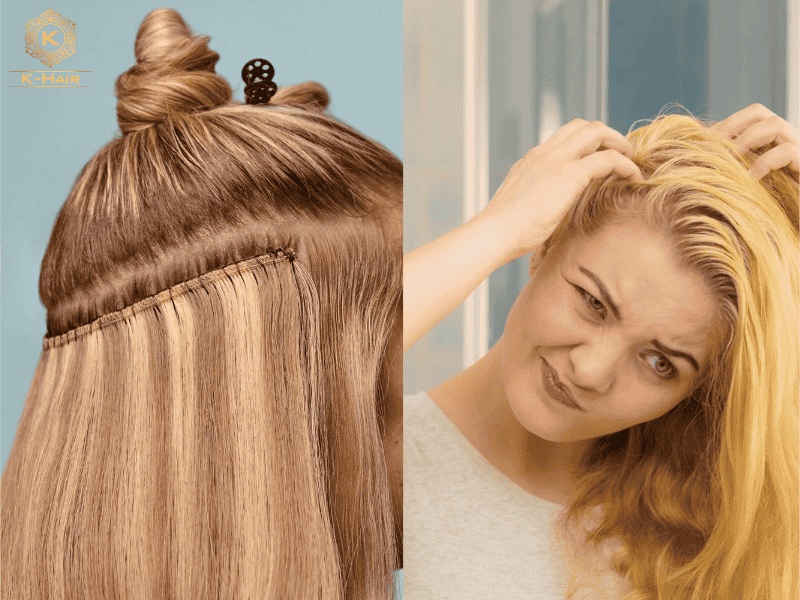
- Styling tips: High heat is the fastest way to turn premium hair into a dry, frizzy mess. It literally “cooks” the cuticle. Always use a high-quality heat protectant before reaching for the flat iron. Better yet, try to embrace the hair’s natural texture as much as possible to give the strands a break from the heat.
- Brushing & detangling: Tangled hair leads to shedding, and in the worst-case scenario, you might have to cut out a knot. To lock out this nightmare, use a wide-tooth comb or an extension-specific brush and always start at the ends and work your way up to the roots. Be gentle near the sewing line so you don’t snag the thread.
- Washing: As many hair-care products contain ingredients that can weaken or damage the extensions, such as sulfate, silicons,… when purchasing these products, always check the ingredient list to ensure they are free of sulfates and similarly harmful substances.
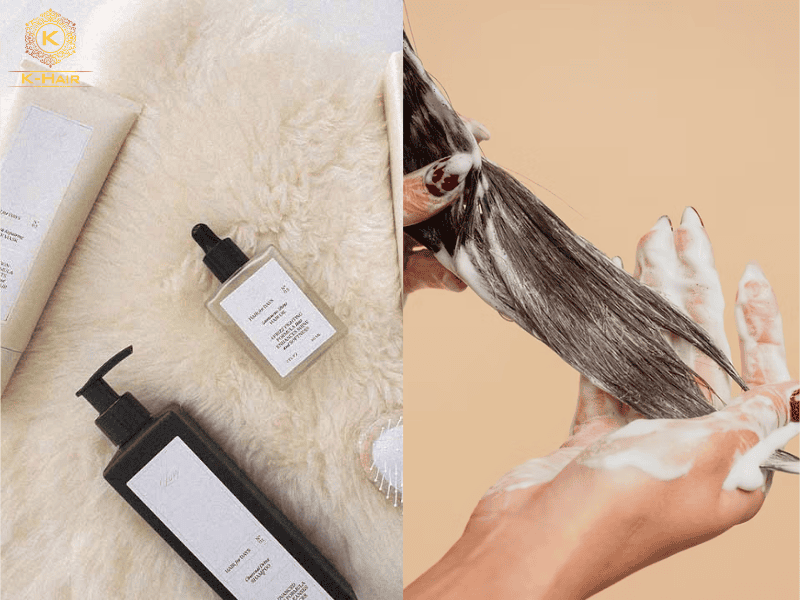
Expert tip: Only apply conditioner from the mid-lengths to the ends. Keep it away from your roots and the attachment points to avoid product buildup and slippage. Rinse thoroughly until the water runs clear!
5. FAQs about weave hair extensions
Once you’ve weighed weave hair extensions pros and cons, it’s normal to still have a few questions. Here are the most common FAQs to help you get started:
5.1. Which hair texture is easiest for stylists to blend with weaves?
When considering weave hair extensions pros and cons, choosing the right texture is key for a seamless blend. The “easiest” texture depends on the customer’s natural hair, but generally:
- For Straightened/Relaxed Hair: Yaki hair is the gold standard. It mimics the texture of chemically relaxed or pressed Black hair, making the leave-out look seamless.
- For Natural Hair: Stylists often prefer Kinky Straight or Coily textures. These allow you to blend your natural curls without needing to apply excessive heat to your leave-out.
- Body Wave is popular because it can be flat-ironed bone straight or curled to hide any minor differences in texture between your hair and the extensions.
5.2. How to put in weave hair extensions for beginners?
If this is your first time buying and wearing weft extensions, we really don’t recommend a DIY install at home. There’s a high risk of damaging both your natural hair and your new wefts if it isn’t done perfectly. Take them to a reputable, professional salon to make sure they’re installed safely and look flawless.
5.3. Where do weave hair extensions come from?
Human hair extensions are sourced from all over the world, with the primary hubs being:
| Origin | Key feature | Sourcing method |
| Vietnam | Highest durability, can bleach to #60 blonde. | Locally collected, raw and chemical-free. |
| India | High availability and natural waves. | Temple donations or hair balls |
| China | Most diverse styles and affordable pricing. | Imported from across Asia and factory-processed. |
5.4. What are weave hair extensions made of?
To fully understand weave hair extensions pros and cons, it’s important to first know what they’re made of. Extensions generally fall into three categories:
- 100% Human Hair: The highest quality. Virgin hair means it hasn’t been chemically processed (dyed or permed), while Remy means the cuticles are all facing the same direction to prevent tangling.
- Synthetic fibers: Made from fine plastic filaments (like kanekalon or toyokalon). These are budget-friendly and hold their style (curls won’t fall out in rain), but they can’t be dyed and usually can’t handle high heat.
- Human hair blends: A mix of human and synthetic hair. These offer a more natural look than pure synthetic hair at a lower price point than 100% human hair.
6. Conclusion
Weave hair extensions are a game-changer for anyone looking to transform their look, offering unparalleled versatility, length, and volume while acting as a protective style for your natural hair. By understanding the weave hair extension pros and cons, you can move forward with confidence, knowing exactly what to expect.
If you are looking to scale your business or enter the market with a premium edge, choosing the right manufacturing partner is your most critical step. For those who want to import directly from the source, reach out to K-Hair – top 1 Vietnam hair factory today. As a leading manufacturer with decades of experience, we provide factory-direct pricing and the highest quality Vietnamese hair, ensuring your inventory stands out for its durability and natural beauty.
Connect with our specialists today to secure the best wholesale deals for your hair brand!