
With the rising demands for extensions, wigs, the hair market can now be considered as the golden business opportunity for all ambitious entrepreneurs out there. And due to the profitability of the field – the market is, unfortunately, a crowded and competitive one.
Entering the battle without proper preparation is an extremely unwise move – with unexpected issues and financial loss as results. Therefore, it is crucial for all startups to learn the ropes on how to start a hair business first, before jumpstarting your dream.
This article will provide just that, and even more, telling you the hidden market secrets, as well as a thorough guide on how to start a hair business the RIGHT way.
1. Possible Hair Business Models
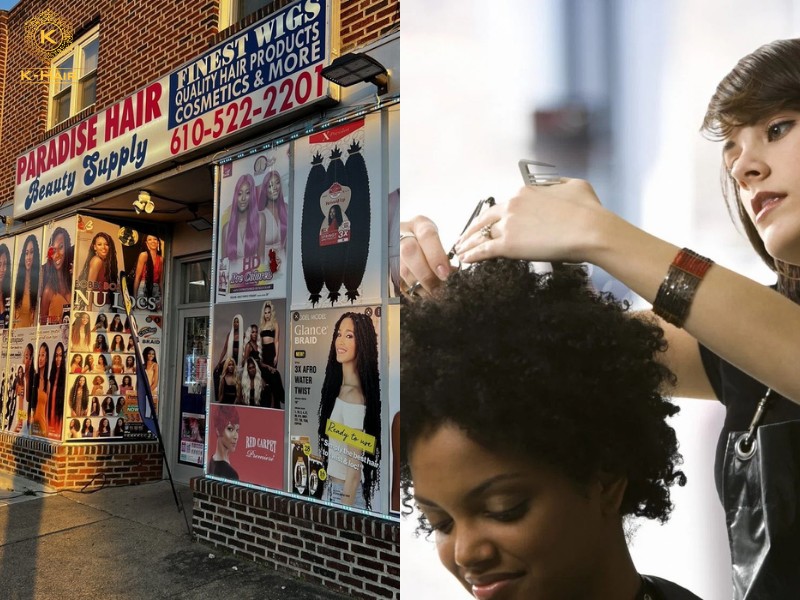
When learning how to start a hair business, typically, you would have to pick between two main business models – product-centered and service-centered businesses:
- Product-centered: Business model where your main income comes from selling and offering products (wigs, extensions,…) to your buyers. Some examples might include hair supply stores, wholesale distributors, online brands,…
- Service-centered: Business model where you focus mostly on providing hair-related services: haircuts, coloring, treatments,… to your clients. Some examples might include salons, personal stylists, custom unit makers,…

You can choose between product-centered and service-centered business models
1.1 Pros and Cons of Different Hair Business Models
Depending on your strength and personal preferences, you can pick out the most suitable option. However, please consider these choices based on thorough understanding of their advantages and disadvantages:
| Product-centered Business | Service-centered Business | |
| Pros |
|
|
| Cons |
|
|
In my opinion, this decision makes up most of the foundation for your future business – the base line on which you can develop how to start a hair business. In fact, they would depend mostly on your strength. If your strength lies in marketing ability and branding – a product-centered model is the right one for you. And, if you are better known for your expertise and social relationships – maybe service-centered is more suitable.
1.2 How Can You Make Your Business Stand Out – Pro Tips
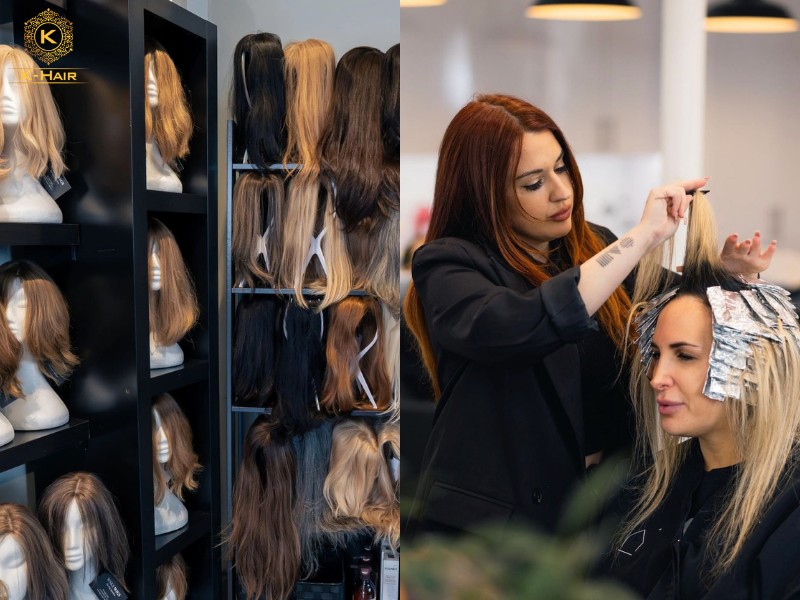
After all, as previously mentioned, the hair market is a dog-eat-dog world, with multiple competitions coming left and right. However, regardless of business models, you can still apply several business approaches to set your brand apart:
| For Product-centered Businesses | For Service-centered Businesses | For Both |
|
|
|
These are only some of the ideas and possible strategies on which you can rely to further scale up your business and attract more sales. If you wish to learn more about them, visit the article on 10+ Profitable Hair Business Ideas to learn more on their execution.
2. What Types of Hair Can You Sell?
Before making a debut, it is necessary for all businesses to gather enough information regarding different product lines and hair types in the market. Such information is extremely useful, as it helps you decide which niche and product lines best suit your brand’s orientation, as well as your target audience’s interests.
2.1 Different Hair Categories You Can Sell & Make Profit
Wigs and extensions are universal – both product-centered and survive-centered products can offer them and take advantage of their market potential. In fact, understanding these product categories is also an important step for anyone researching how to start a hair business, as choosing the right product line can determine your brand’s positioning and profitability.
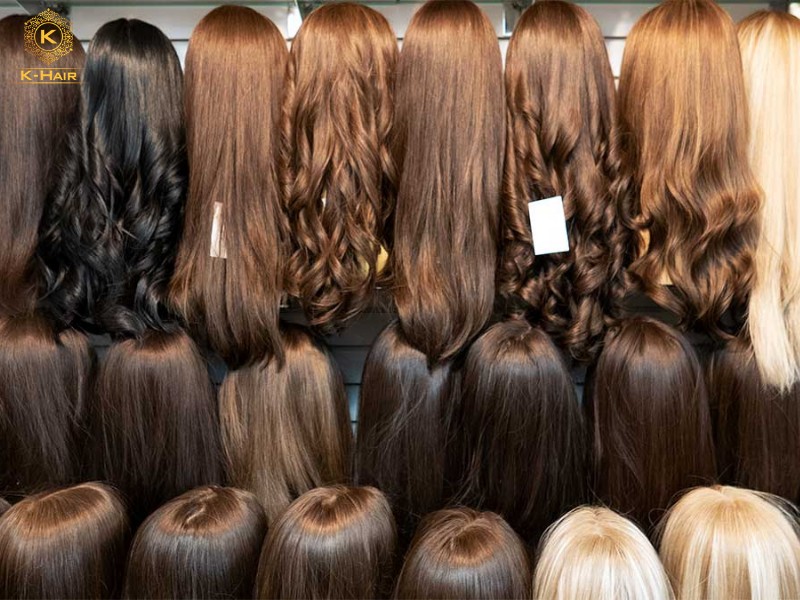
In terms of products, the existing categories might include:
- Wigs: Among the most popular hair categories out there – wigs are covering hair units able to give full hair transformation for their users. You can consider selling U/V part wigs, full lace wigs, 360 wigs,… but we would highly recommend lace front wigs – as they are the most popular options.
- Lace – Closure & Frontal: Hand-tied product – consisting of hair strands crocheted on a sheer lace base, laces are used to create a better scalp blend for wigs and sew-ins. Hence, they are a must for custom unit makers and wig specialists.
- Hair wefts (Weaves): Hair wefts are often used in the sew-in methods by African Americans with textured hair. Hence, if they are your targeted customers, this line is a must-have. Additionally, hair wefts also have other variations – Machine, Genius, and Hand-tied wefts, targeting different hair needs.
- Clip-ins: The most popular extension type, clip-ins are highly in favour for their user-friendliness and fast installations.
- Tape-ins: Their attachment method is using adhesives – as the name “tape” might suggest. They are a vital product line for both salons and hair stores – as they can be applied by both the personal user and the salon professional.
- Keratin bond & I-Tip extensions: These are a must-have for all salons and stylists, depending strictly on professional installations. And, they are also highly in demand for their natural blend and seamless look.
- Halo Extensions & Ponytail Extensions: Other common types of ready-to-wear extensions.
Different Hair Categories You Can Sell & Make Profit
2.2 What Are Different Hair Qualities
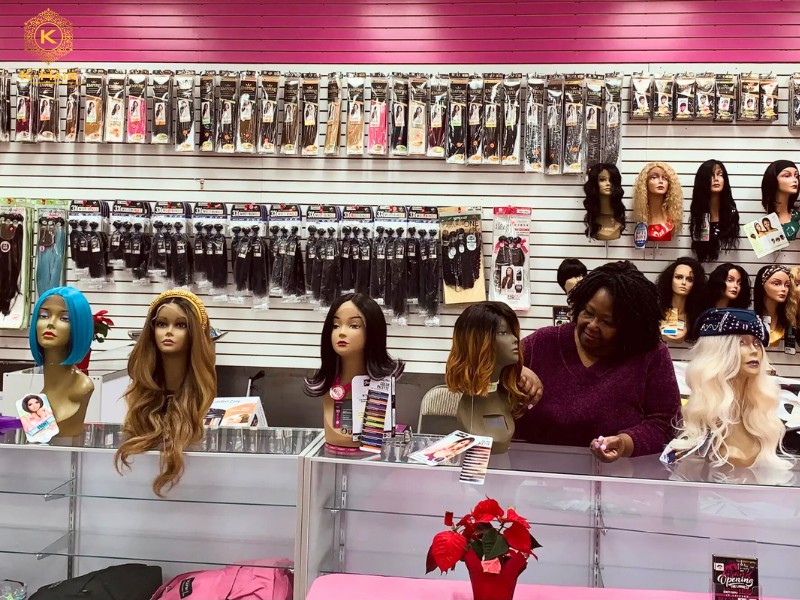
In terms of hair lines, most of the high-quality hair in the market is human hair collected from authentic human donors.
In fact, this sourcing approach is the perfect choice for new beginners. Since it possesses many desirable traits such as softness, durability and versatility, these products can better ensure customer satisfaction and retention over time:
- Virgin hair – Single donor: Virgin hair is the best hair quality on the market, hence its pricing range would be slightly higher. In exchange, your clients can get the softest, most natural-looking hair look with Virgin hair extensions and wigs. On top of that, it can be styled and bleached to #613 and be kept for more than 5 years!
- Remy hair – Collected from 2-3 donors: Remy hair is the perfect combination of quality and low pricing. In fact, it still preserves many traits seen in Virgin hair such as softness, luster, and versatility – without costing as much. In the hands of stylists, Remy hair can be bleached to #27 and be kept for 2-3 years.
3. Where to Find a Reliable Hair Supplier
One of the crucial steps in the guide on how to start a hair business would definitely be finding a stable, reliable hair supplier to source your hair from. In the current market, the available hair manufacturers can be divided based on their nationality, pricing range and hair features:
3.1. Vietnam
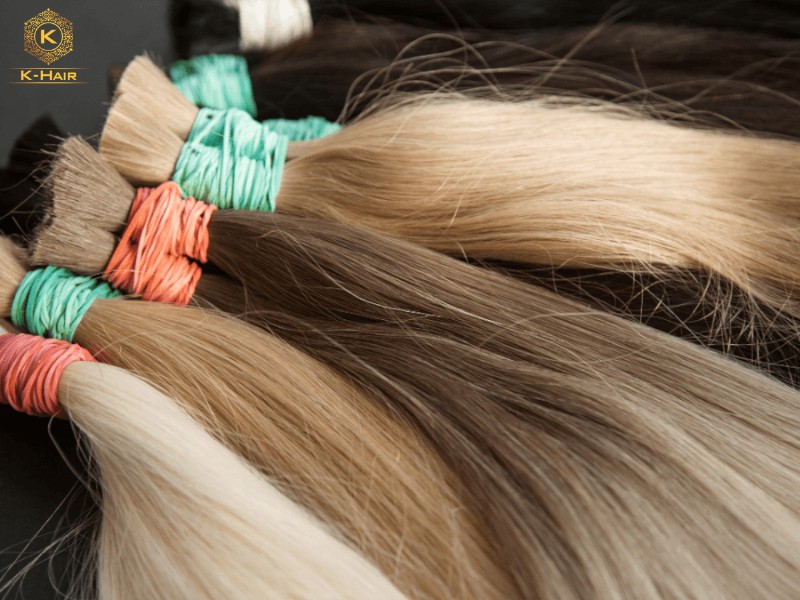
Many entrepreneurs researching how to start a business in the hair sector often choose Vietnam as their first destination due to its quality and affordability.
- Hair quality: In recent decades, Vietnamese hair has soon been considered the World’s Finest. In fact, it has been reported to last longer, be able to withstand more styling options, and be bleached to brighter colors, without losing durability.
- Authenticity & Uniqueness: The above features are highly exclusive, as they are the result of many unique traits. Indeed, the feature of the hair is shaped through genetics and climate, and their health is further improved by Vietnamese traditional hair care routine → Making the strands superior compared to the rest.
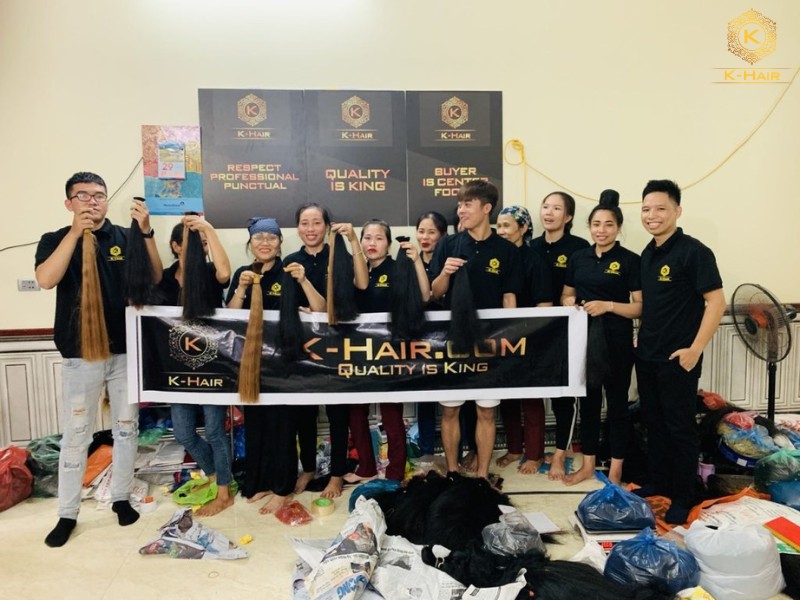
- Production capacity: Over the years, many hair factories in Vietnam, including K-Hair, have built their facilities in the northern region – the richest hair source of the country. Their hands-on manufacturing not only helps to provide the hair at large stock, but also lower the overall prices of their products.
Over the years, Vietnam has become the final destination for many hair distributors and resellers across the globe. On the one hand, its natural, healthy look is best to serve the rising demands for extension seamlessness. On the other hand, the region’s product availability and affordability also make it the ideal source for wholesale purchases – making them a reliable supplier for hair businesses worldwide.
Wanting to know what the fuss is all about? Learn more on How to Import Hair from Vietnam to get to know the easiest hair sourcing system.
3.2. India
For beginners exploring how to start a hair business with low capital, Indian hair offers one of the most cost-effective sources.
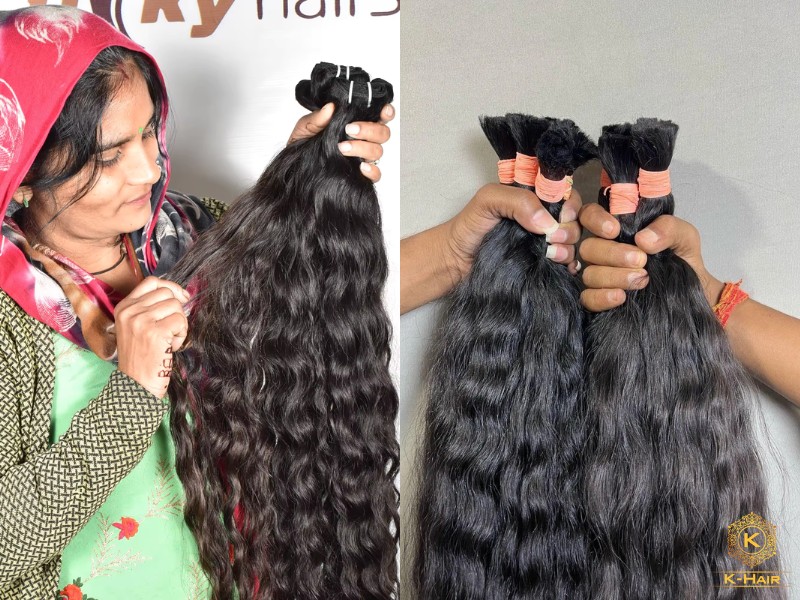
Indeed, Indian hair is the biggest hair source in the market, securing a cheap, stable export volume to businesses worldwide. To further make full use of its potential, hair manufacturers often collect their hair from 2 sources at once:
- Temple hair: This hair source is collected from temples, after temple-goers cut their hair as part of a religious ritual.
- Hair balls: is the hair source to be avoided when stocking hair products for your business. Hair balls are mostly tangled hair collected from trash and other unsanitized places.
Compared to other sources, the Indian hair industry often lacks advanced technologies, leading to most of their production being manual or chemical-based processes. On top of that, this lack of specialized facilities also strictly limits their diversity, making their product catalogue extremely limited, unsuitable for trendy hair brands.
3.3. China
China is home to one of the largest and most well-established hair industries across the globe. They also possess the most advanced hair technologies and facilities in the field.
- Such advantage allows them to improve their productivity and quantity, mass-producing their offerings.
- The specialized facility also allows them to create the most up-to-date, trend-forward hair textures and colors, pleasing the complex market demands worldwide.
However, due to hair scarcity, most Chinese hair vendors have to outsource their raw hair from other countries – leading to inconsistency for different batches. What’s more is that the rising number of Chinese scammers also make the market riskier for all customers involved. Hence, when considering this hair source, make sure to double-check your vendor’s reliability.
3.4. Cambodia
Cambodian hair is one of the smaller, more subtle hair sources in the market. In fact, most Cambodian hair is used as another raw hair source, supplying for Chinese hair factories in the market. Many Cambodian hair investors are actively making efforts to take control of their supply source and carry on production by themselves. However, their hair-specialized technologies are still highly limited, unable to compete with other large hair corporations in Vietnam and China.
4. How to start a hair business
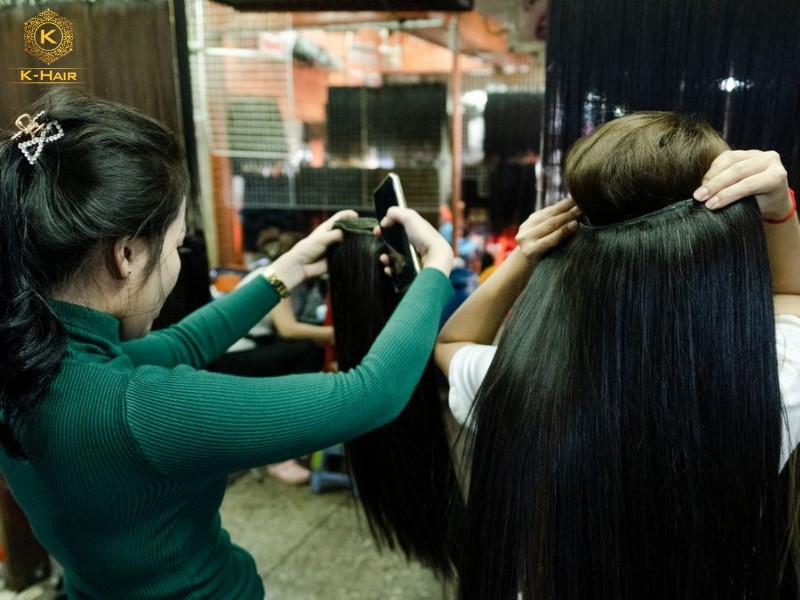
Here are the broken-down, detailed steps on how to start a hair business successfully for new beginners and small businesses across the world:
4.1. Do your research
Before making any rash decision, it is crucial for all businesses to first gather an adequate amount of knowledge regarding the market, its trends, spending range and products.
Some major, potential markets and their preferences can be as follow:
- The US market: Due to the huge influence from celebrity culture, US hair buyers are more prone to trendy, customized and premium hair lines. Some of their favourite picks are long-lengths, thick and premium human hair – with customized features like #613 colors, bleached knots,…
- The EU market: Unlike US buyers, the EU market prioritizes more on elegance and blending ability. Hence, their top selling product lines are often salon extensions with natural colors, textures and lightweight, subtle density. Their go-tos are tape-ins, clip-ins, keratin bonds and I-tip extensions.
- The African market: African hair buyers have a wider income segmentation – hence, businesses should add multiple pricing ranges for this target market. Texture and color-wise, they are more drawn to full, voluminous density with bold coloring options.
Before making any rash decision, it is crucial for all businesses to do market research first

In reality, each country tends to have their own preferences that need further research besides the general features above. If you are targeting Nigeria as your market, make sure to learn the ropes on How to Start a Hair Business in Nigeria.
4.2. Develop a Business plan
After acquiring enough information about the market, by now, you must have a clearer perspective of the market, as well as the hair lines you’re planning on investing in. By this time, you should arrange a business plan accordingly to ensure a stable foundation for your start-up.
This business plan must include:
- Brand vision: a brief summary of the overall concept of your hair brand
- Market analysis: a clear description of the hair industry, its trends, consumption patterns, your business rival, their advantages, as well as your target customer base.
- Products and service: determining what product you will provide to your target customers. Deciding on your policies and business terms.
- Marketing and sales strategies: deciding by which methods will you use to attract your target audience and building your brand.
- Budget estimation: do your calculations: your input prices, accommodations, taxes; estimate possible revenue and rearrange your pricing accordingly.
After acquiring enough information, you should arrange a business plan accordingly

Just like learning how to start a hair business in any other field, developing a well-structured plan is key to long-term success. Learn more about the detailed sections by reading this article about Complete Hair Business Plan Template.
4.3. Choosing Your Niche and Products
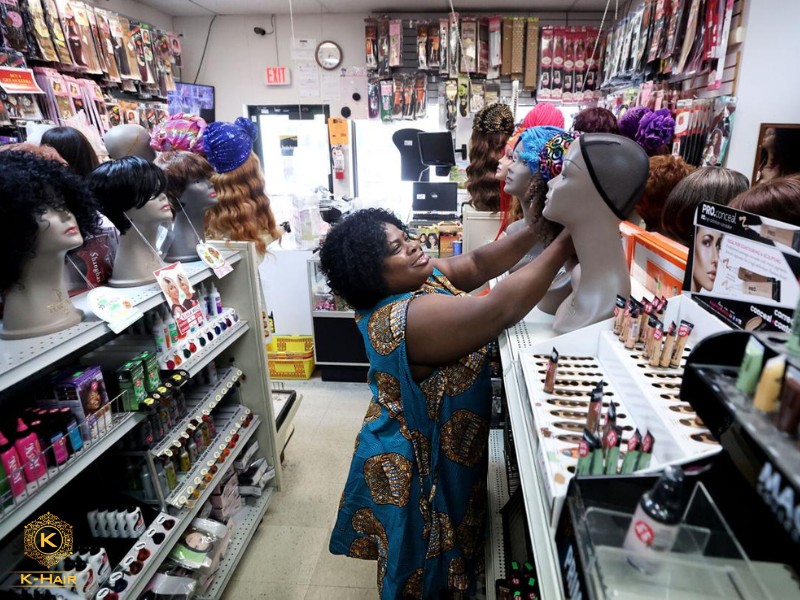
Each specific hair line is aimed to please a specific customer range. By choosing the right product line, best suited for a specified clientele, you can deliver the most in-demand products, securing high reordering rate and customer satisfaction. For example:
- Single-donor Virgin hair: the hair’s premium quality is best suited for luxury hair brands, aiming for bigger buyers in the market, especially customers with high standards for their products.
- Remy hair: much more affordable, suitable for a vast majority of budget-conscious buyers. With its cheaper pricing, Remy hair is considered a beginner-friendly hair line, the go-to choice for many new businesses.
Make sure to choose the most suitable product lines for your target market
4.4. Sourcing Quality Products
After crafting for your business the complete and market-driven business plan, as well as branding strategies and key product lines, it is now time to link up with a reliable hair vendor in the market.
This step could be one of the most difficult out there, as in this step, you would have less control of the process and even fall victim to the scheme of scammers. However, you can still follow these steps to avoid unwanted and disadvantageous business transactions:
- Inquire thoroughly: request for video calls, visual proofs, hair tests to check the genuinity of the hair, as well as demands for images or videos of the hair’s sourcing and production.
- Request sample order: for the first time buying from a vendor, it is suggested to first place a small order quantity to check for their hair quality and customer care before committing to larger orders in the future.
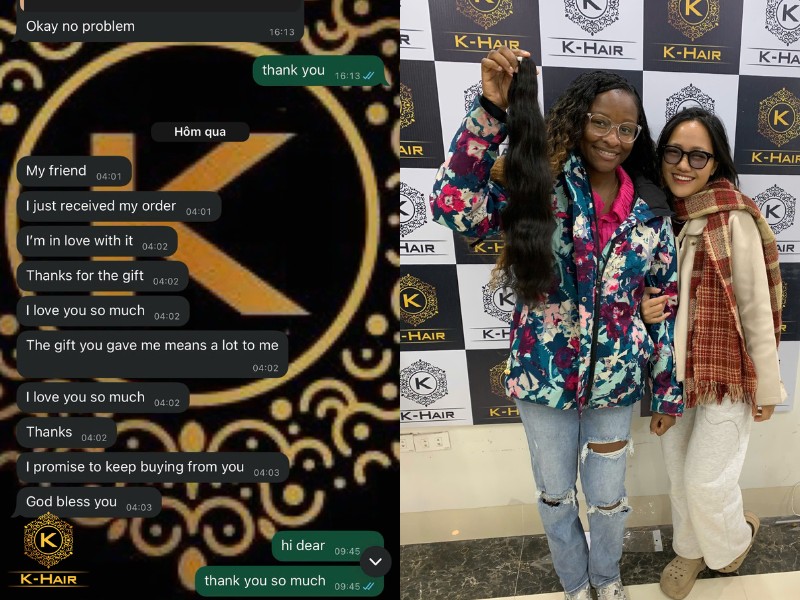
- Check reviews: a reliable hair vendor would definitely have positive reviews and feedback from their past customers.
4.5. Setting Up Your Store
The next step in learning how to start a hair business is establishing a professional online or physical storefront. Indeed, possessing a stable supply at hand, it is now time to properly set up your own selling platform. You could either establish your storefronts on online shopping applications, or set up your physical establishment in high-traffic areas.
- For businesses operating online, some ideal platforms might include: Shopify, WooCommerce, or even social media applications such as Instagrams, Facebook market place,…
- For hair store, salon owners, it is best to acquire a stable, abundant budget at first, as such establishments will also come with additional accommodation, staff, and storage expenses.
Different types of business would mean different startup costs. And, the cost of setting up your business can range from $10,000 to more than $250,000 – quite a huge investment. In fact, for a more detailed approach, make sure to check out this article covering the entire Start Up Cost for Hair businesses in 2026.
However, Starting a Hair Business with No Money is still a possible option, if managed properly.
4.6. Scaling Your Business
Those who already understand how to start a hair business should focus on scalability, building a brand that grows over time. After successfully securing a stable, reliable customer base and gaining enough attention within the hair community, it is best to now start to expand your brand by adapting other newer, more trend-focused textures, lengths or hair types.
You should also turn to a newer customer base, by offering wholesale-oriented services such as bulk pricing, large quantity package deals,…

5. How To Price Your Products Competitively?
Your pricing should not be too low or too high. Too low pricing might signify that your products might be of low quality. Too high of a price can make the product somewhat less attractive for budget-conscious buyers, creating a huge financial loss if such products fail to make sales.
To solve such issues, it is crucial to acquire knowledge of the average pricing, as well as the prices offered by your competitors. After that, reconsider your input price, hair quality, the product’s current market demands, arrange your pricing accordingly. Only then the price would be able to match the hair’s potentials, and create a competitive pricing compared to other business rivals in the market.
6. How Do You Market Your Hair Business?
Having high-quality hair and professional customer support is not everything. You would also have to let people know about it, in order to succeed.

6.1 Marketing Strategies for All Businesses Out There
Marketing determines how well your hair business can attract and retain customers – deciding your sales volume and market reach. In fact, understanding marketing fundamentals is a crucial step for anyone researching how to start a hair business, as even high-quality products cannot succeed without proper promotion.
A multi-channel marketing strategy is therefore essential, using multiple platforms like:
- Social media: Platforms like Facebook, Instagram and TikTok are ideal for product presentation and brand exposure.
- Email Marketing: Use email campaigns to keep customers informed about new arrivals, promotions, and special offers.
- SEO: High-quality content such as tutorials or hair care guides can improve visibility and organic reach, as well as build more values and appreciation for your hair brand.
- Paid Ads: Facebook and Google Ads also allow your brand to target a wider audience within a short time, if managed strategically.
To make full use out of these platforms and create more comprehensive strategies, make sure to go over the article about Marketing Strategies for Hair Brands.
6.2 What About Your Branding?
Branding is also another crucial part of the marketing strategy. Indeed, your brand name and visibility are the first impression, setting you apart among other rivals in the market. It includes your name, logo, color scheme, and brand message. Choose a name that is easy to remember, design a simple yet professional logo, and create a slogan that reflects your core value, for example, “Your Hair, Your Crown.”

Naming your business can be extremely easy – but not without a clear structure first. Check out our article Hair Business Name Ideas to see what makes a good hair brand name.
7. K-Hair: The BEST Hair Supplier & Business Partner
One of the hardest things for startups, especially for those with no connection and experience, is finding a suitable supplier. After all, the market is often ridden with scammers. In fact, when learning how to start a hair business, choosing a trustworthy manufacturer is one of the most critical steps for long-term stability and product quality.
In light of these issues, K-Hair truly stands out as one of the BEST supplier options, not only for quality, but also for professionalism.
- Instead of simply selling hair, K-Hair Factory focuses on building long-term supply stability for hair brands and distributors worldwide. → As a Vietnam-based manufacturer, the company strictly prioritizes quality control and streamlined production – ensuring consistency and reliability for growing businesses.
- What sets K-Hair apart is its authentic-sourcing model and factory ownership, allowing premium quality for each and every product made. The result is healthy, chemical-free Vietnamese human hair that performs well in bleaching and restyling → ideal for businesses offering custom services or premium retail lines.
More than a transaction-based supplier, K-Hair positions itself as an operational partner. With transparent communication, clear updates, and reliable global shipping experience, the company supports clients not only in sourcing products, but in building sustainable profit and brand credibility over time.
8. FAQs About How To Start A Hair Business
Here are some frequently asked questions about how to start a hair business:
8.1 Is the hair business profitable?
Yes, the hair industry typically offers strong profit margins, especially when brands build a loyal customer base and source hair at competitive wholesale prices. Success depends on supplier quality, branding, and effective marketing.
8.2 How do I find customers for my hair business?
Most new hair brands attract customers through social media marketing, influencer collaborations, and online marketplaces. Consistent branding and real product demonstrations are key to building trust.
8.3 Should I focus on wigs or hair extensions?
It depends on your target market: wigs often generate higher revenue per order, while hair extensions usually sell in larger volumes. Many businesses start with one category and expand once demand grows.
8.4 Do I need to register a company to start a hair brand?
While you can start selling hair products informally, registering your business helps build credibility with customers and suppliers. It also makes it easier to scale operations and work with international partners.
8.5 What products should beginners sell first?
Most new businesses start with high-demand products like bundles, lace wigs, or clip-in extensions because they have broad market appeal. These items are easier to market and allow brands to test customer preferences before expanding their catalog.
9. Conclusion
With the information provided in this article about how to start a hair business, we hope that we have managed to assist you in the hair industry about the overall market, tips, and most importantly, the most trusted hair extensions suppliers in the industry.
Doing business requires long-term commitment and support from trustworthy business partners, we proudly present ourselves not only as a trusted hair supplier, but also a supportive friend who will always have your back in this competitive industry.
Wanting to check what we have?
- Contact our team of experts through hotline: +84 85 555 5344 or visit our Facebook: K-Hair Vietnam Factory to get the latest wholesale price list and start building your brand with confidence!