For the longest time, our hair patterns have been categorized as being either straight, wavy, curly, or kinky. However, to better cater to the global, different hair needs and dig deeper to the distinct features of each hair pattern, in recent years, this system has been diversified into 12 subtypes, from 1A to 4C. Among which, the straight hair categories are 1A, 1B, and 1C – each with different strand textures and curliness.
To give a general answer to “What is 1B hair?” – This hair type is one of the three types of straight hair among the classification system, possessing both shared features of this pattern class, and its own distinct features, often referred to as the coarser, and the more popular version of the 1A hair. However, as popular as it can get, many people with 1B hair are still unaware of its natural features and maintenance tips – making hair care more and more difficult. But it need not be, as in this article, we will go over all the necessary information regarding this unique straight hair type – its patterns, textures, and porosity,… so that our dear readers can have a better understanding of their natural hair.
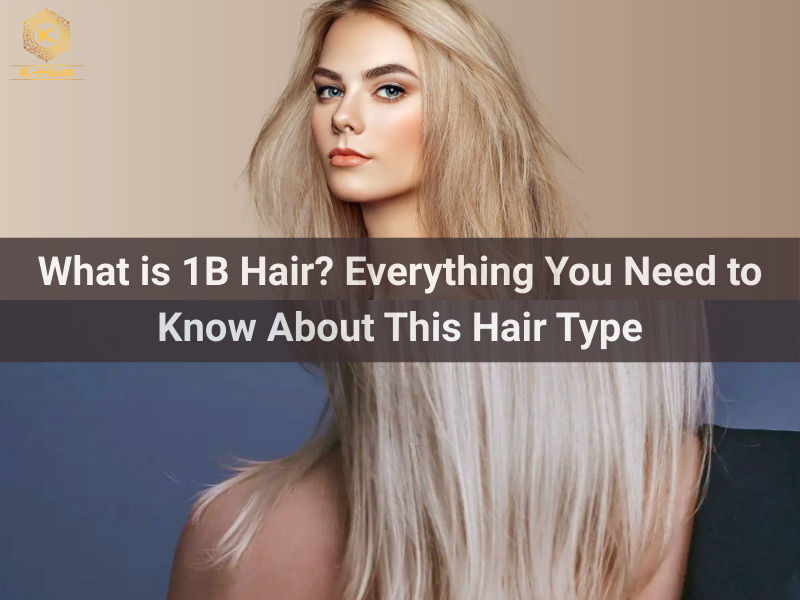
1. What is 1B hair?
Over the years, with the development of hair science and the hair care industry, more and more customers have been showing curiosity and eager to learn what specific hair classification their natural hair belongs to – so as to make better choices in hair maintenance and styling. Thanks to such rising demands, Andre Walker – the famous celebrity stylist has come up with the Andre Walker Hair Typing System to further separate the basic hair classes into different subtypes: 1A, 1B, 1C,… all the way to 4C.
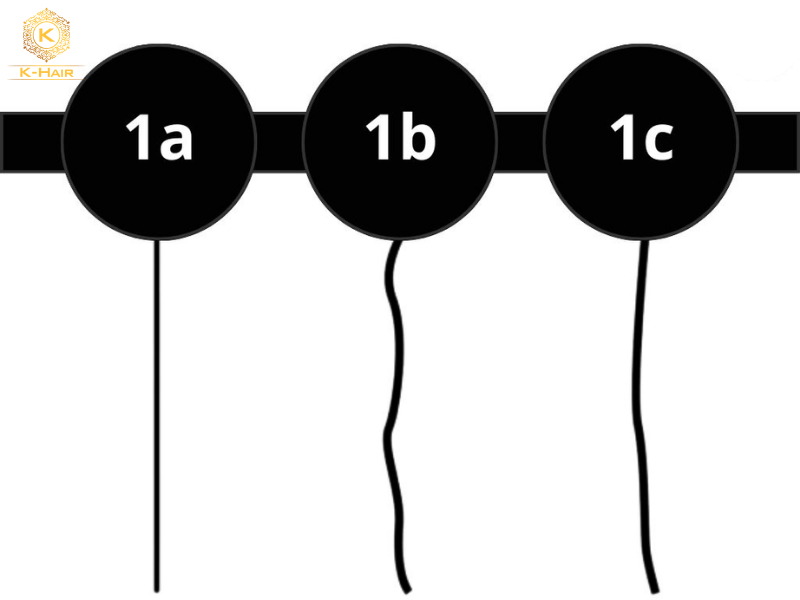
To explain this system, let’s start with the numbers and letters. Different numbers stand for the overall description of the hair’s pattern: 1 is for straight, 2 is wavy, 3 is curly, and 4 is for kinky; and the letters represent how tight or thick the hair strands can get. And just by this basic, surface-level information, we can easily infer that 1B hair is a type of straight hair, with slightly more curls and thicker strands than the standard 1A hair.
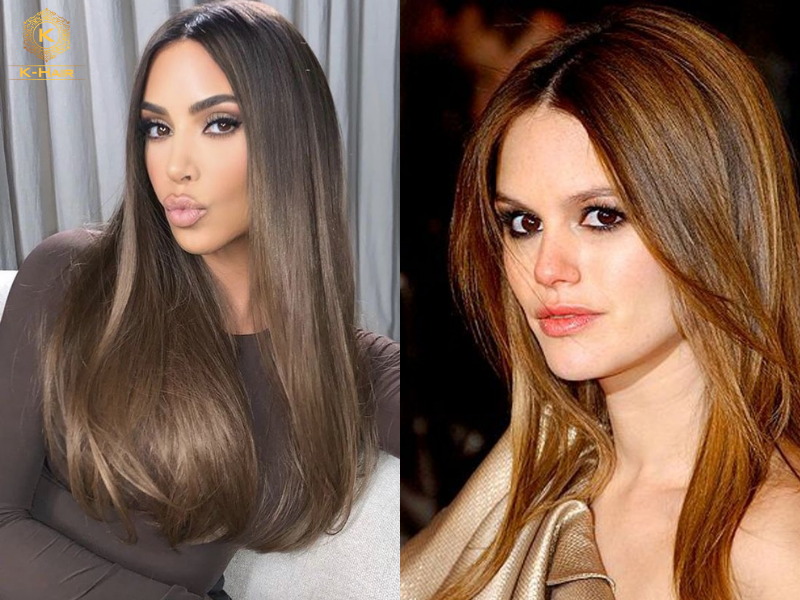
Generally, 1B hair is among the more popular variations of straight hair across the globe. Indeed, over the years, due to the impact of the environment, genetic changes, and styling habits, the classic natural sleek and straight has soon integrated some slight curls and loose waves into it – making such a hair like 1B hair more widely-seen and popular over time. In fact, if you think that you have the same hair as Kim Kardashian, Rachel Bilson or Frieda Pinto, there is a high chance that your hair falls into the same 1B hair category as theirs.
2. What does 1B hair look or feel like?
One common mistake for a vast majority is mistaking 1B hair type for other different straight hair variations, such as 1C or 1A hair. This mistake is somewhat unavoidable for most inexperienced individuals, considering that 1B hair still has a lot of common traits with other straight hair types, such as sleekness, proneness to gather hair oil, or closed hair cuticles,… However, not to be confused with the others, 1B hair still has many distinct hair traits that cannot be seen in any other variations. To answer the question “What is 1B hair” we need to pay attention to both of these features – both shared and distinct, in order to better understand this specific hair type as a whole.
2.1. Hair look
In terms of how 1B hair looks, its appearance can initially look quite similar to the sleek 1A hair, however, when paid more attention to, the hair can show many of its unique patterns and texture in its strands:
- Subtle waves: as previously mentioned, when completely dry and relaxed, 1B hair can deliver the same sleekness and smooth, silky strands just like a typical 1A hair. However, once the hair comes into contact with water – especially when you wash it, the subtle and slight waves can truly pop out. These curls tend to follow an S-shape line, and in most cases, they don’t show up until reaching the mid-to-bottom lengths of the hair, and in other cases, they would most likely to curl up at the hair ends – reaching inward and embracing the natural feature of the hair.
→ Hence, it can be said that, besides the classic straight, sleek and silky look of a typical type of straight hair, 1B hair also has some slight waves included, making it the more textured version of the 1A hair.
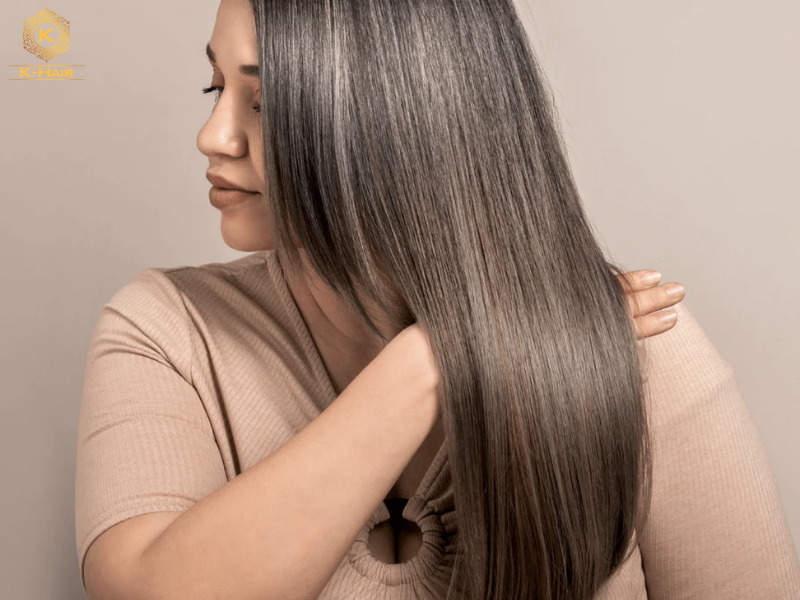
- Textures: compared to 1A hair and 1C hair, 1B hair tends to stand in the middle ground in terms of thickness and texture. Indeed, 1B hair strands lean toward being fine and thin, however, the strands are rarely as fragile and thin as the standard 1A hair. And on top of that, due to having more curls integrated, the hair parts in which the waves are included are also much coarser and more durable – thickening the natural hair texture in these hair sections. Hence, when it comes to textures, it is accurate to say that 1B hair offers the perfect balance of both fineness and coarseness in one single strand.
- Volume: one signature appearance trait of 1B hair is that having slightly more waves and curls would also mean that the hair will have much more body and volume than the sleek and thin 1A hair. Indeed, with more curls at the bottom length, these non-consistent and ununiform curls can add more puffiness and volume to the hair – creating an optic illusion of having more hair density. And on top of that, the thicker hair strands also actively contribute to the hair’s fullness, creating a more organic, natural body for the hair.
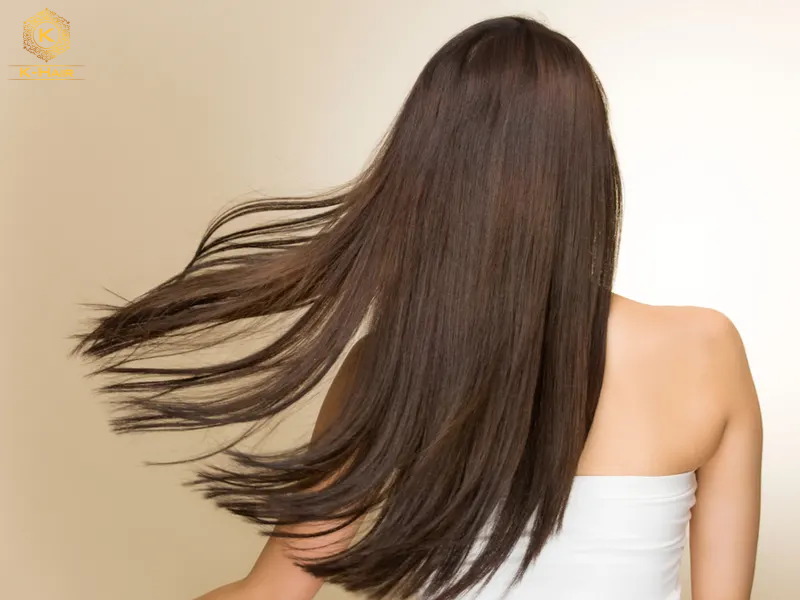
- Hair shine: all and all 1B hair is by its core – still a straight hair variation, with sleek, silky and smooth hair look. This feature also means that the natural hair oil from the scalp can travel smoothly from the roots to the hair ends – adding more gloss to the hair strands, creating a glass-like finish that reflects light beautifully and moves gracefully with every movement. And on top of that, the relaxed, straight and sleek initial hair look is also able to mirror light and add more shine, luster to the look.
Read More: What is 4a hair
2.2. Innate hair traits
“What is 1B hair?” Beside differentiating 1B hair from others by its outer appearance, people can also distinguish and identify their hair based on the innate traits, its proneness to dehydration, manageability, and its ability to hold style:
- Its cuticles: one common trait of all straight hair variations is that most of the hair strands’ cuticles will lie completely flat against one another and completely closed – leaving no gaps for the inner nutrients and moisture to escape. This feature can also be seen in 1B hair, as these tightly shut cuticle scales contribute to the hair’s lustrous and gorgeous hair shine as well, helping the strands to preserve its moisture and making the strands more resistant to negative impact from styling and environment. However, as the strands also have its slight and light curls, alongside these S-shape waves, the cuticle scales are also lightly raised – making these hair lengths moderately more prone to dryness and hair frizz.
- Hair frizz: hair frizz is a universal hair problem for all hair types, and 1B hair is no different from the rest. Indeed, on the one hand, most of the hair strands are still completely straight and sleek from the top to bottom, leading to aligned and uniformed cuticles – as mentioned above. These closed cuticles help to protect the hair from frizziness that often comes with intense friction and humidity. However, for the hair sections where curls are more visible and the cuticles are slightly lifted, hair frizz can happen more often – as the strands are easier to get caught in high humidity and friction, making the bottom lengths puffier and frizzier.
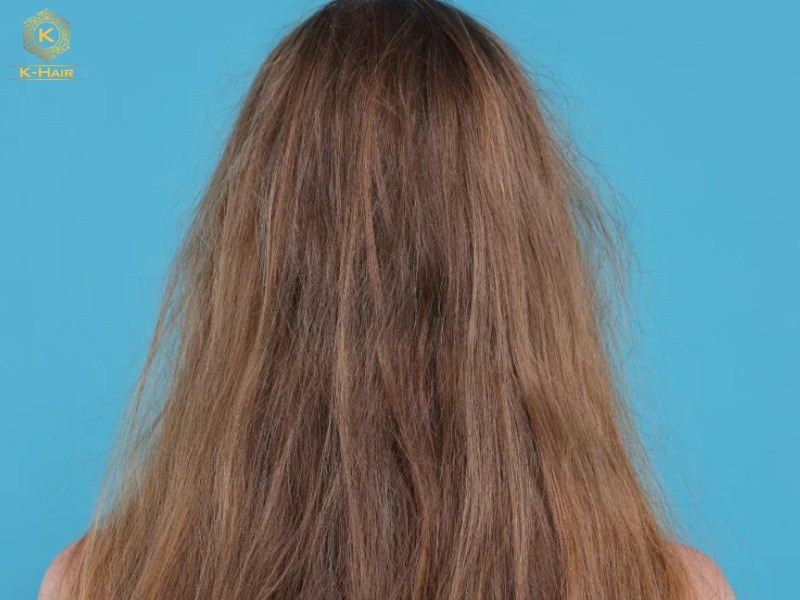
- Dryness: much like hair frizz, dehydration mostly occurs in parts of the hair where waves are more apparent and the cuticles are more lifted. For most of the sleek, straight hair parts, the strands’ innate moisture are well-preserved inside of the closed cuticles → making the parts healthier and much less prone to dehydration. However, things are slightly different for hair lengths with slight waves, as the cuticles are a bit lifted – the valuable moisture inside can make its way slipping outside of the cuticle layer, causing moisture loss and subjecting the hair to more dryness and dehydration, especially under high heat.
- Manageability: one common assumption about most straight hair variations is that they would be extremely easy to maintain. This is only partially correct for 1B hair. Indeed, the closed cuticle scales do indeed help the hair strands to be less subject to dehydration and dryness, while maintaining a sleek and silky hair look with minimal tangling and shedding. However, the relatively thin and fine hair strands also make it more prone to breakage and demanding in styling and maintaining. On top of that, the misaligned, slightly lifted cuticles at the bends are also more easily-dried out and more prone to hair tangle – requiring delicate and gentle detangling every now and then.
- Oil distribution: most hair strands of 1B hair are still sleek, straight and silky, so obvious enough, these strands would also have a slight oil distribution problem. In fact, as the hair is relatively straight and smooth, with cuticles completely aligned in the same direction, natural hair oil can easily travel down from the root to the hair’s ends – while on the one hand, making the hair appear more shiny and lustrous, on the other hand, causing massive oil build-up along the strands. This can make the hair gather more oil – especially near the roots, causing the hair to appear oily and sticky. Hence, for people with natural 1B hair, hair cleansing and washing are among the crucial maintenance steps.
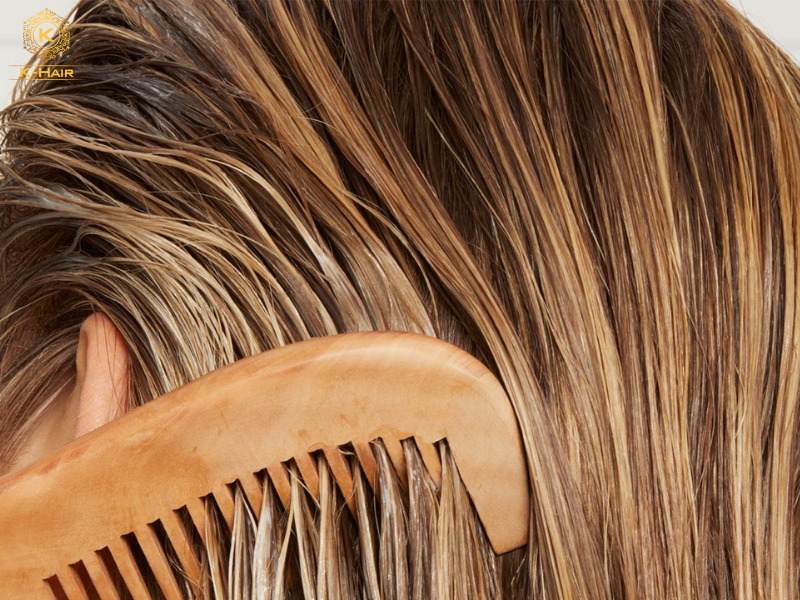
- Styling ability: indeed, having rapid oil distribution can most likely disrupt the hair’s styling ability, as the slippage created by this feature can make it harder for chemical-based styling to make instant effect, or for heat-styling to be able to lengthen its final hair look. However, as the strands are integrated with light waves and slightly raised cuticles, 1B hair can offer much more tolerance to styling, and is able to preserve that salon-made, freshly-curled look for a much longer time compared to the ultimate sleekness of the 1A hair. And on top of that, 1B hair with its coarser and thicker strands are much more durable and hence, can take on repeated styling without taking too much damage or breakage.
Read More: what is 1a hair
3. Differences between 1A vs 1B vs 1C hair
Learning “what is 1B hair” is merely just a start, or rather, a surface-level information. More knowledge about this specific hair type is still out there for you to discover, and among this source of knowledge, are the crucial information about the differences between 1A vs 1B and 1C hair.
Belonging in the same straight hair category means that 1A, 1B and 1C hair can still share a considerable amount of common features that can make it difficult or confusing for inexperienced individuals to identify and classify their hair. However, no matter how similar they can get, there are still several distinct and unique features that help to separate the three hair categories:
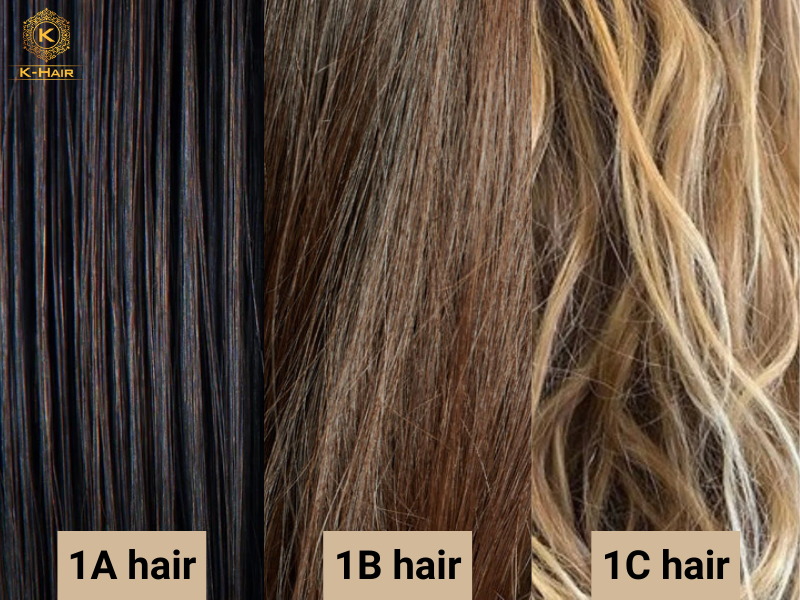
| 1A hair | 1B hair | 1C hair | |
| Texture | Typical 1A hair strands tend to be fine, thin and soft – appear and feel extremely soft to the touch.
→ Delicate, fine and slightly fragile hair strands |
Typical 1B hair strands tend to be slightly thicker and coarser than the standard 1A hair.
→ Sitting in the middle range when it comes to hair thickness |
1C hair has the thickest hair strands out of the three, with the coarsest and densest strands of all straight hair variations. |
| Natural patterns | The ultimate sleek hair patterns:
|
Besides sleekness, 1B hair also have more waves integrated:
|
Having the most curls of all straight hair types:
|
| Volume | Offering the least volume:
|
Sits in the middle range when it comes to volume:
|
Offering the most volume out of the three:
→ Appearing thicker, while still maintaining that overall sleek, silky look |
| Styling ability | Extremely resistant to styling:
→ Take more effort to be styled, and even after that, the final style can hold on for long after recovering to its original pattern |
Is much better at holding styles and curls compared to 1A:
→ Takes less time, effort and heat to be styled, and the final hair look can go on for more hours before snapping back |
The easiest to be styled and transformed:
→ Can be styled more freely without demanding extra effort and substances, as well as can hold style for a much longer time compared to 1A and 1B hair |
| Manageability | 1A hair has always been considered as the healthiest and most manageable hair types:
→ Less prone to tangling and shedding; less subjected to environmental effects and dehydration |
1B hair is also quite manageable, but it can also come with some maintenance cautions:
|
1C hair can come with slightly more maintenance cautions, but all and all, it is still quite manageable:
|
4. How to Care for Type 1B Hair?
Learning the definition of “what is 1B hair” or the differences it has with other straight hair variations is rarely enough to get the whole picture of this particular hair type. In fact, not only to better understand, but also to care and maintain its health, we highly suggest you equip yourself with the necessary knowledge on its maintenance and hair care.
1B hair is the perfect balance of both 1A and 1C hair – possessing both the sleek and fine hair strands of the 1A hair, while still offering the slight waves and S-shape lines seen in 1C hair. Hence, in terms of maintenance, this specific straight hair type would require a little bit of both – both the lightweight care routine of the 1A hair, and the focus on hair friction for 1C hair.
4.1. Cleansing
Cleansing the hair is among the most important features to be included in type 1B hair’s maintenance priority list. Indeed, due to the signature sleek and straight hair patterns, this specific type of hair is extremely prone to oiliness and product build-up, causing the hair to grow duller and duller over time. To get rid of this, adopting the right hair washing routine is the most apparent solution:
- One popular misconception for all oily hair types like 1B hair is that, the more washes the better. This is completely wrong, as overwashing your hair can deliver the opposite effect – causing the scalp to produce even more hair oil. Hence, throughout the week, it is best to keep a frequent number of washes to produce the best cleansing result. The perfect hair wash frequency would be from 2-3 times/week, to effectively get rid of the annoying oil residue and give that natural hair shine back to each and every strands – without causing disruption to the scalp oil provision.
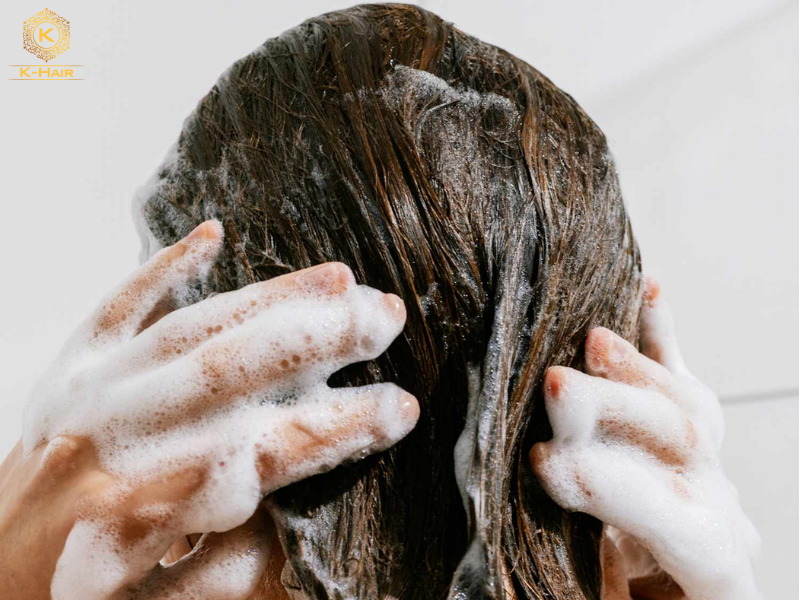
- Choosing the right washing products is also crucial. In reality, not every shampoo or hair cleanser in the market is suitable for your hair’s consumption. In fact, harsh cleaning chemicals like sulfate, or heavy silicones in these products can easily strip the hair off its natural moisture, nutrients, as well as weighing the strands down even further. Hence, for your next hair care shopping spree, make sure to avoid products with these ingredients, including: Sodium Lauryl Sulfate (SLS) and Sodium Laureth Sulfate (SLES), isopropyl alcohol, ethanol, dimethicone and phenyl trimethicone,…
- During the hair wash, it is best to use lukewarm water to slightly open the closed cuticles and make way for the nutrients and moisture to sneak inside the strands. However, as soon as you are done with everything, remember to finish it off with a cold-water rinse, to shut the cuticles down once again to make sure that all the nutrients are trapped inside the cuticles.
4.2. Conditioning and Hydration
Having mostly closed and tightly shut cuticles does not mean that the hair strands would be completely untouchable by dryness. In fact, discussing “what is 1B hair?”, the hair lengths with slightly curled waves are often more prone to dehydration, hence, would demand more careful and thorough conditioning and hydration compared to the roots:
- Deep conditioning the end-lengths: conditioning is among the crucial steps of the washing process and should be done after you have finished with washing the hair. The lengths near the roots tend to have richer moisture and nutrients due to their close proximity with the scalp – so they would not be as desperate for moisture as the bottom lengths. To avoid applying too much products to the roots and causing build-up, you should apply hair conditioner at the mid-length down only – the parts that need conditioning the most. By doing so, you can push back dehydration and prevent split-ends to form – one common issue for most straight hair.
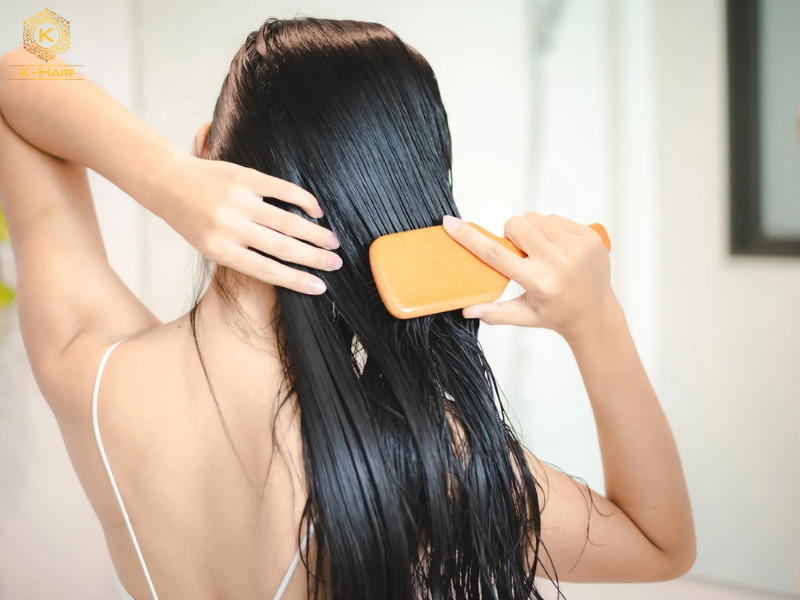
- Frequent conditioning: moisturising outside of hair washes should also be prioritized. Once every one or two weeks, you should apply a deep and moisture-rich hair mask or hair oil to your hair to provide deep intervention to the hair type’s issue with dryness and dehydration. On top of that, using a leave-in moisturizer is also highly recommended, as it can help to fill in the gaps between hair cuticles gradually, sealing in moisture and adding more even hair shine to all parts of the hair strands.
- Product types: one thing about such fine and thin hair strands like ones in 1B hair type is that they would be extremely easy to weigh down, especially by using excessive, intense hair moisturizing products. Hence, during maintenance, make sure to use lightweight, non-greasy products only, and avoid oil-based, heavy butter, cream or silicon-filled hair products that can weigh the hair strands down and take away its natural sheen.
4.3. Styling and Handling
Wanting to style and transform your hair is a common hair need for most people out there, however, to create the best styling result, as well as to avoid further heat or chemical damage to the hair strands, you should still take some of these styling and handling advices:
- One of the biggest enemies to 1B hair and its closed cuticles would be high heat – as this external factor can easily break down the aligned formation of the protective cuticle layer, subjecting the hair to frizz and moisture loss. Hence, during heat-styling, it is highly recommended to maintain a moderate, mid-range heat, rather than jumping straight to using extreme heat just to get quicker results. The perfect heat range to choose should be below 180°C/350°F – to deliver the desirable hair effect, without costing the healthy state of the hair.
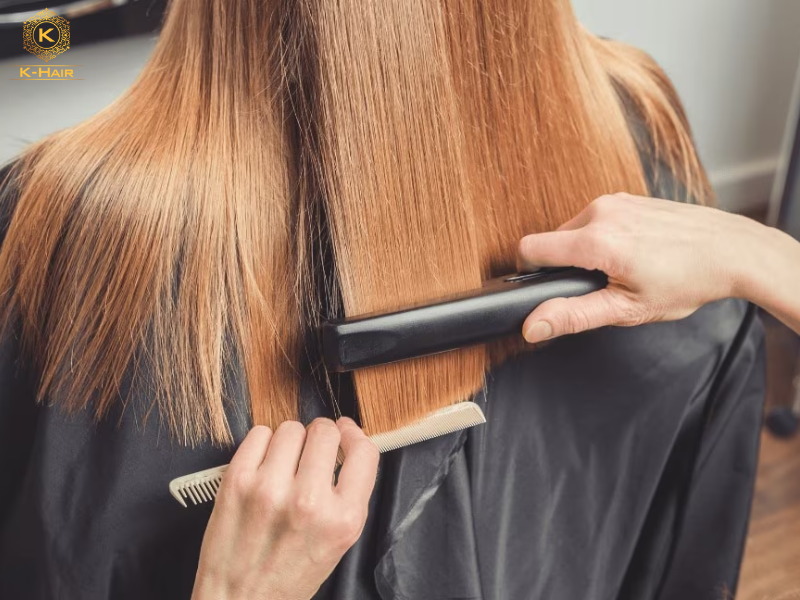
- Or even better yet, as 1B hair is quite flexible and versatile in terms of styling range and styling effect, maybe you should also adopt non-heat, and non-damaging styling methods, such as fabric curling, using curl-rollers, or overnight braidings to achieve that desirable curled look, without adding more damage to your hair.
- Chemical-based styling should also be avoided, as this can deliver more upfront damages to the hair strands than the traditional heat-styling. If you still wish to bleach or dye your hair, it is best to consult a professional on your current hair situation and decide if your hair health is suitable to take on such treatment. And if you insist on doing it, we also suggest that you avoid applying these chemicals straight to the scalp or hair root, rather, it is best to start bleaching the hair a few inches away from the original scalp, to not disrupt the natural hair oil system and cause irritation.
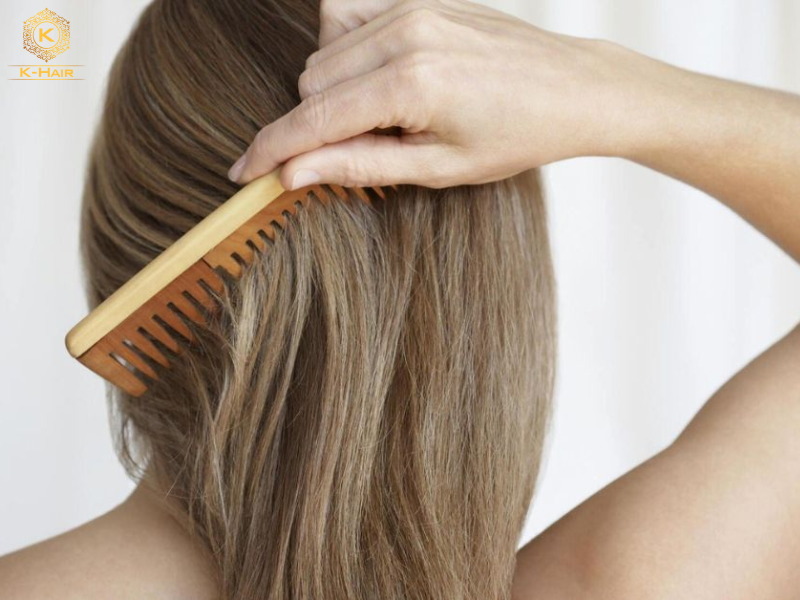
- Detangling the hair is also another crucial part of the maintenance, and indeed, as sleek as 1B hair can get, it can still get tangled here and there, especially for the lower hair lengths where the cuticles are more lifted. For such a hair, it is best to use a wide-tooth, soft plastic comb and start from the hair ends up to avoid ripping more hair strands out. As fragile as the hair strands can get, when detangling the hair, it is best to use delicate force only.
4.4. Lifestyle and Environment
When learning “what is 1B hair?” and how to maintain it, your lifestyle and your living environment might have more to do with your hair’s health than you think:
- The friction induced while you toss and turn in your sleep is among the biggest external factors that cause hair frizz – especially when you use rough, stiff bedding materials like cotton. During this, you might accidentally or uncontrollably rub your hair against this rough material and cause the hair more friction with the bedding – leading to more open cuticles and dryness. Hence, to minimize this, it is suggested that you start with changing the materials that you sleep upon: from cotton to silk, satin – frictionless materials that are safer for your hair.
- Your diet can also contribute to your hair’s health. To provide more internal nutrients for your hair growth, you can start adopting a healthier, more balanced diet consisting of biotin, vitamins A, C, E, omega-3s or drink more water,… habits that can help to further boost your natural hair growth and overall healthy state of your hair.
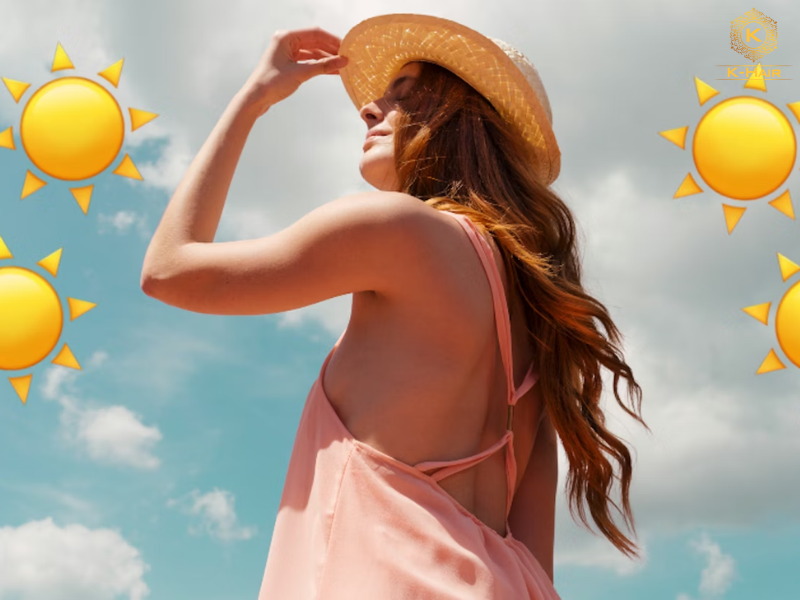
- High heat and UV rays from the Sun, high humidity, and air pollution are also some other negative yet defining factors to your hair wellbeing, and obviously, their effects should be minimized and avoided at all costs. Hence, when you go outside, maybe you should start wearing a hat to prevent color loss, dryness, hair frizz, and dust build-up from the surrounding environment.
5. The Best Hairstyles and Cuts for 1B Hair
Now that you have gone through all this provided information about what is 1B hair, you must now be able to identify your hair and decide if your hair falls to the 1B category or not. Every type of hair is beautiful in its own way, and 1B hair is no difference – with the right hair style and styling method, you can actually bring out the inner beauty of this tight and voluminous hair type, as well as be more confident and cherish your own natural beauty and this God-given gift:
5.1. Soft Waves or Beach Waves
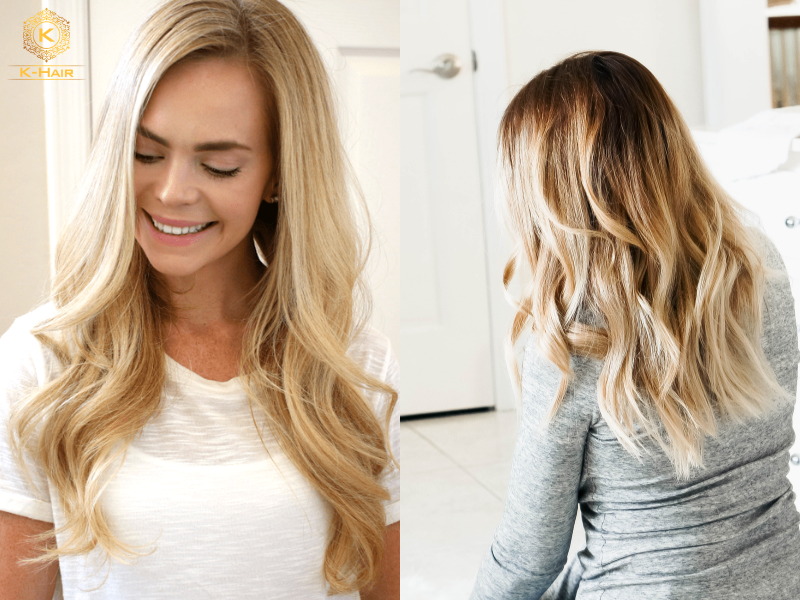
When it comes to 1B hair, one of the most effortlessly flattering looks you can go for is definitely the Soft Waves or Beach Waves look. Unlike 1A hair which tends to fall completely flat from top to bottom, 1B already has a slight natural bend, which means that the hair can provide more freedom in styling, especially best catered to wavy, slightly curly hairstyles like the Soft waves or Beach waves. In fact, these waves are a perfect match for this hair type, as they can instantly elevate your hair’s movement, making it appear fuller, softer, and more voluminous without needing too much styling or adding more heat damage.
By definition, Soft or Beach Waves are made up of loose, relaxed, S-shaped bends that give you that calm, breezy Summer holiday vibes and beachy effect. The goal here is not to create tight and defined curls, but subtle and a free-flowing hair texture that brings life to your natural straight-and-wavy pattern.
To recreate this look, the methods are as simple as ever:
- Start with clean, lightly conditioned hair, then apply a lightweight styling mousse or spray to enhance your hair’s natural texture.
- Gently blow-dry using your fingers to keep that lived-in movement, or braid your hair overnight if you prefer a non-heat styling method.
- If you want a slightly more defined look, you can wrap smaller hair sections around a curling wand, and always comb it out afterward to maintain the effortless, airy vibe.
Soft waves are especially perfect for 1B hair because they instantly enhance the natural hair volume while still looking extremely natural. They highlight the balance that 1B already has, not too flat, not too wavy, making this style incredibly flattering for both occasional and everyday wear.
5.2. Half-Up, Half-Down
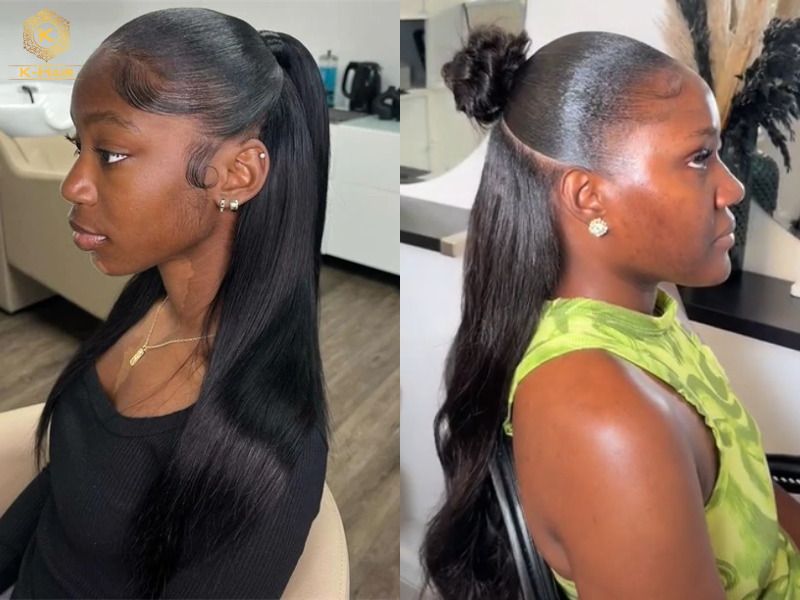
Discussing “what is 1B hair?”, another extremely suitable hairstyle for 1B hair is the Half-Up, Half-Down look, creating the ideal balance between polished appeal and playfulness. And since 1B hair already has that slight natural body, this style can take advantage of it by adding height at the top head area, without making the lower half look flat or greasy. The idea behind a Half-Up, Half-Down style is simple: you section off the top part of your hair and secure it with ties and scrunchies – creating a sleek hair look, while allowing the rest of your hair to flow naturally. But despite its simplicity, this hairstyle can totally transform your features by subtly lifting your face shape and giving your hair that natural, effortless volume you desire.
To recreate this look, the methods are as simple as ever:
- Start by sectioning the top half of your hair, making sure it’s neatly parted and even.
- Gently tease or lightly backcomb the top head area before securing it, to give your hair some added height that looks natural on 1B strands. Secure with a hair tie, clip, or scrunchie depending on your preferences.
- Let the rest of your hair fall naturally, either straight, softly curled, or with slight waves integrated.
- For the top head area, you can either slick the hair back with hair gel to create a more polished look surrounding the top knot, or leave it as it is – whatever you like.
This style is especially flattering for 1B hair because it adds volume where you need it most, especially the finer and thinner hair lengths at the roots, while still showcasing the natural smoothness and subtle body of your lengths. It’s the perfect go-to if you want minimal effort but maximum effect.
5.3. Blunt or Angled Bob
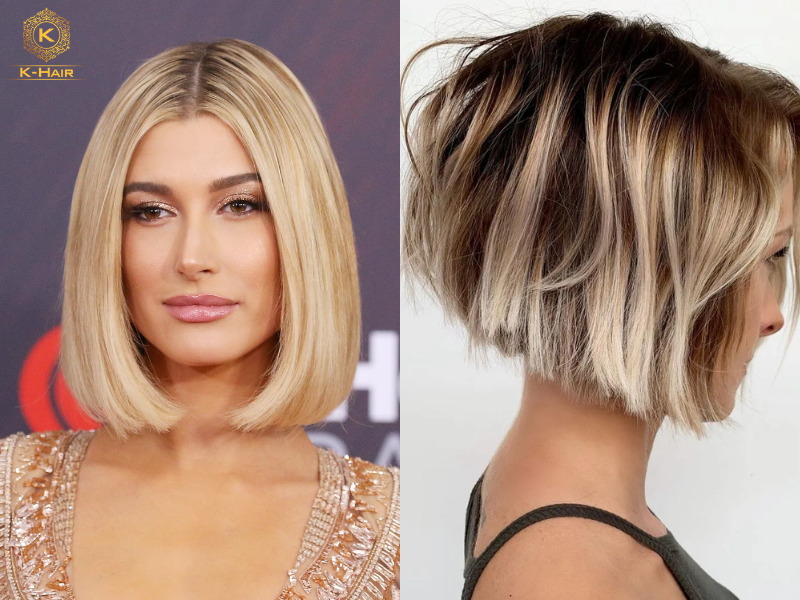
For those who prefer something more structured, with more sense of sophistication and elegance to their style, a Blunt or Angled Bob is one of the most eye-catching and stylish cuts for 1B hair. Unlike 1A hair, which is extremely straight and slippery, 1B has just enough natural texture to give this haircut some dimension while still maintaining its sleek, silky appeal of the straight hair family. By definition, a Blunt Bob focuses mostly on a sharp, even cut that typically reaches around the jawline or collarbone. Meanwhile, the Angled Bob puts a modern twist on the look by creating a longer front and a shorter back, resulting in a naturally face-framing, classy hair shape.
To recreate this look, the methods are as simple as ever:
- Your hair will first be conditioned and detangled for complete smoothness. Then, the hairstylist will then cut the hair into a single, horizontal line to create the Blunt Bob, or in a slightly shorter-to-longer angle to deliver the Angled Bob – completely depending on your hair preferences.
- After blow-drying and straightening the hair, any uneven strands will be trimmed off to ensure that absolute sharp, structured effect.
This haircut is extremely suitable for 1B hair, as the natural slight texture prevents the bob from looking too rigid, instead, it gives the cut softness, movement, and dimension. At the same time, the bluntly-cut ends help make your hair appear fuller and thicker, allowing 1B hair to shine its natural inherent traits and add a sense of polishedness and high-class feel to the overall sleek hair appeal.
5.4. Pixie Cut
If you’re looking for something bold, striking, and incredibly low-maintenance, the Pixie Cut is another hairstyle that can compliment 1B hair beautifully. Discussing “what is 1B hair?”, the natural slight bend of the 1B hair strands keeps a pixie from falling completely flat against the scalp, while still keeping it sleek enough to embrace the natural appeal of the 1B hair. By definition, a Pixie Cut is generally a short, cropped haircut where the back and sides are trimmed very short, with slightly longer lengths at the top to allow for more layers and edges to the look. Despite being short, this style can actually highlight your facial features in the most flattering way, drawing attention to your eyes, cheekbones, and jawline – creating a unique yet surprisingly gorgeous look for the sleek and slightly wavy 1B hair.
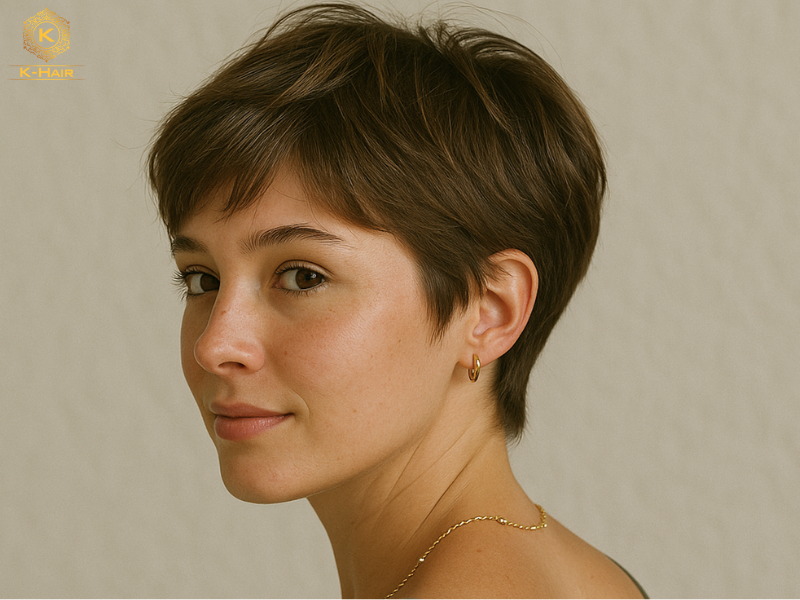
To recreate this look, the methods are as simple as ever:
- The sides and back are trimmed down to your desired length (either soft or ultra-short), while the top is trimmed down with slightly more length to create texture, volume, or direction.
- The stylist will blend in the different layers by trimming and razor-cutting, creating a more seamless blend.
The Pixie Cut works well with 1B hair because your natural subtle hair volume gives the style that natural, seamless and face-framing blends, without becoming too stiff or too awkward. And on top of that, this haircut can also highlight your hair’s natural softness while giving you that modern, confident, and refreshing look.
6. Conclusion
With the information provided in this article, K-Hair hope that we have managed to assist young women in the hair industry with the overall information, tips, and most importantly, what is 1B hair. Navigating through the complex hair industry requires long-term commitment and support from trustworthy partners, we proudly present ourselves not only as a trusted hair expert, but also a supportive friend who will always have your back in this somewhat overwhelming market.
Tired of taking care of your natural hair and thinking about switching to hair extensions and wigs? Contact us through the following link:
- Address: 10A, 171 Nguyen Ngoc Vu, Yen Hoa, Hanoi, Vietnam
- Phone: +8492 633 2545
- Email: [email protected]
- Facebook: https://www.facebook.com/KHairFactoryVN/
- Whatsapp: +8492 633 2545