
Hair extensions and wigs generated $6.46 billion in revenue in 2022, according to Grand View Research, and the market keeps expanding as more suppliers enter the space. That growth is good news for buyers, but it also means more noise to cut through when you’re trying to find a genuinely reliable source. The vendor you choose determines your margins, your product consistency, and ultimately whether your business can scale.
This guide breaks down what a wholesale hair vendor actually is, how the major buyer markets differ, where the leading vendors source their hair, and which suppliers are worth your time in 2026.
Before you commit to any supplier, it helps to understand the vocabulary the industry uses loosely — “vendor,” “distributor,” “raw,” and “virgin” all carry specific meanings that affect your pricing and product lifespan, even when sellers use them interchangeably.
What Are Wholesale Hair Vendors?
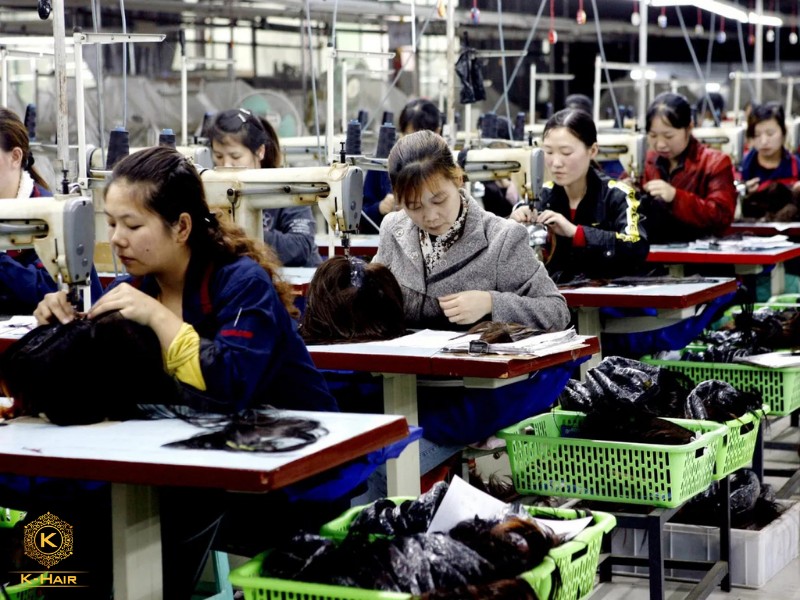
Wholesale hair vendors are direct manufacturers who also handle sales and distribution themselves. Backed by their own factory floor, machinery, labor, and raw hair supply, they can produce extensions and wigs at scale — the structural advantage that separates them from merchants, trading companies, and other middlemen. That production capacity is what makes a vendor a stable, long-term partner as your business grows, rather than just a one-time source. Understanding this distinction matters most when you’re comparing quotes: a lower price from a trading company isn’t necessarily a better deal if it comes with less consistency batch to batch.
Wholesale Hair Vendors vs. Distributors
Wholesale hair vendors are not the only supplier option. Hair distributors — sometimes called importers — serve a similar but structurally different role. A distributor typically holds a formal or exclusive relationship with specific manufacturers, stocking inventory regionally so it can fulfill orders faster and handle local customer service.
A vendor, by contrast, is the manufacturer itself — selling in bulk, often at the lowest possible price, but usually with less flexibility on order size or turnaround. Here’s how the two compare directly:
| Wholesale Hair Vendors | Hair Distributors |
|
|
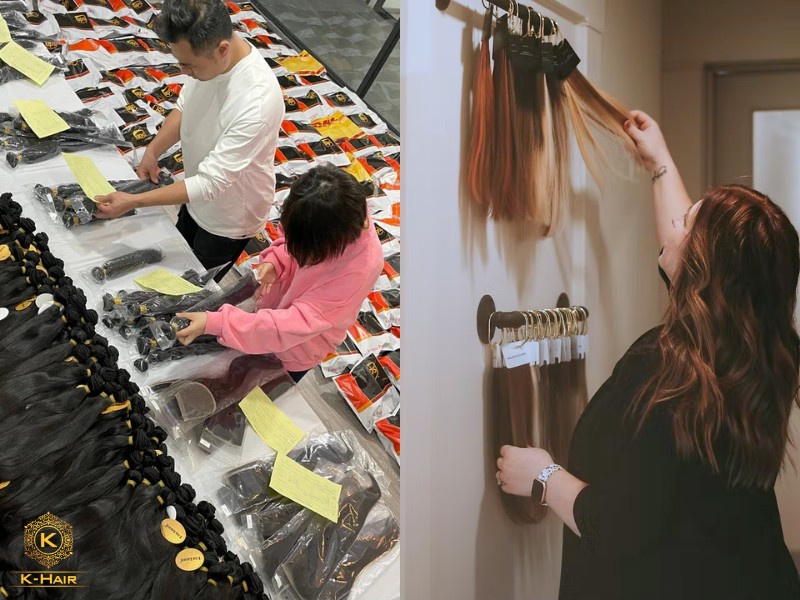
Neither option is universally better — the right choice depends on your business stage. Distributors suit cautious end-users who want to inspect hair in person and trend-driven salon owners who need fast local turnaround. Wholesale vendors suit hair startups with limited capital, salons with steady sales volume, and brands targeting a specific niche.
Expert insight: Sourcing directly from a wholesale vendor is a strategic move for any growing beauty brand. Partnering with a manufacturer gives you real influence over production standards, not just the finished product — and that combination of factory pricing and deep inventory makes vendors a more resilient backbone for your supply chain long-term.
The Major Hair Markets: Who Are You Selling To?
Not every hair market wants the same product. Instead of importing broadly from wholesale hair vendors and hoping something sticks, it’s far more efficient to pick a target market and source specifically for its preferences:
| Market | Share & Growth | Top Products | Buyer Priority |
|---|---|---|---|
| North America | 39%+ of global revenue (Grand View Research); the largest single market | HD lace, seamless full lace, frontal wigs, sew-in extensions; Burmese curly, body wave, water wave textures | Single-donor, unprocessed raw hair that bleaches to #613 and lasts 4-5 years |
| Africa | Fastest-growing region, 13.55% CAGR vs. 8-9% globally | Wigs (70% of regional revenue), bundles, laces; bone straight and bouncy curl textures, ombre and bold colors | Virgin hair — more accessible pricing than single-donor raw hair |
| Europe | 22% of global revenue | Clip-ins, tape-ins, keratin bond extensions; body wave, natural wave, natural straight in #613, #27, #1B | Ethically sourced, lightweight hair from vendors that can document their supply chain |
North American buyers are especially selective: hair is a core part of their beauty routine, so durability and bleach performance often outweigh price. Selling the wrong texture to the wrong market is one of the most common — and most avoidable — mistakes new hair businesses make, since it usually shows up as slow-moving inventory rather than an obvious sourcing error.
North America
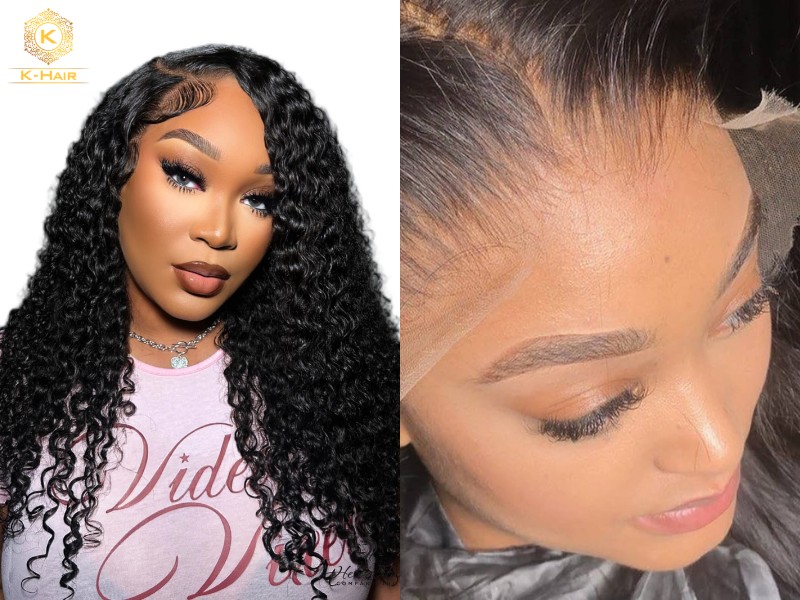
The largest single hair market by revenue share, North American buyers gravitate toward HD lace, seamless full lace, and frontal wigs in Burmese curly, body wave, and water wave textures. Because hair is treated as a core part of the beauty routine here, durability and bleach performance to #613 matter more than price — single-donor raw hair that lasts 4-5 years is the standard buyers expect.
Africa
Africa is the fastest-growing hair market, expanding at a 13.55% CAGR against 8-9% globally, with wigs alone accounting for 70% of regional revenue. Bone straight and bouncy curl textures in ombre and bold colors sell well, but currency fluctuation and income level push most buyers toward Virgin hair rather than the more expensive single-donor Raw grade.
Europe
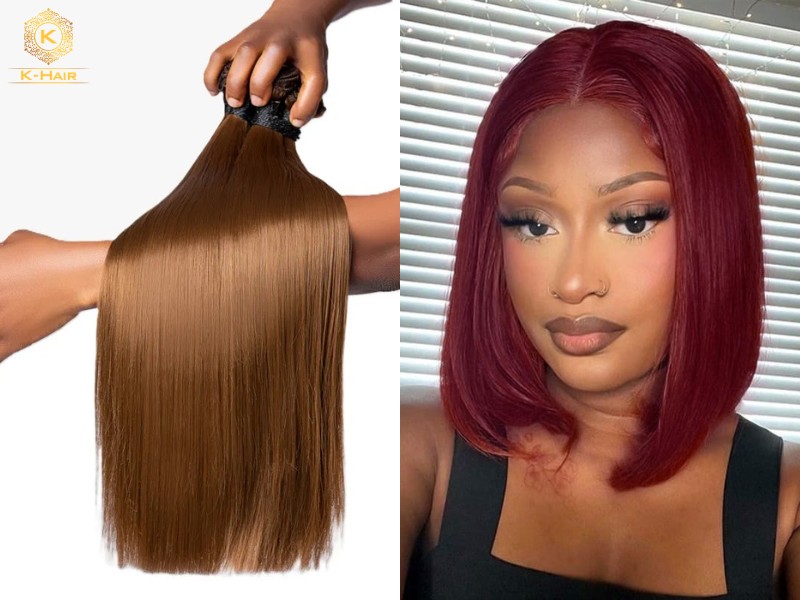
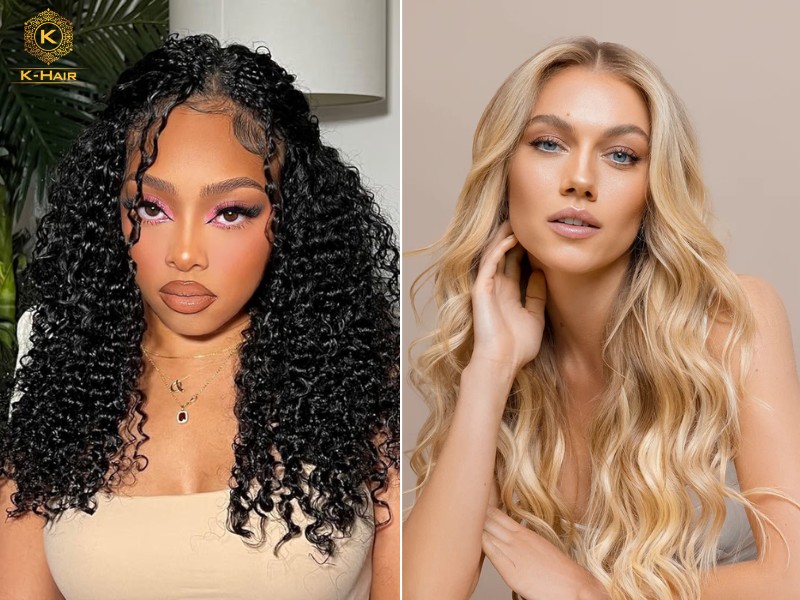
Europe accounts for 22% of global revenue and sits between the other two markets in buyer behavior — shoppers want ethically sourced hair from vendors that can document their supply chain, but their preference for finer, straighter textures (clip-ins, tape-ins, keratin bonds in #613, #27, #1B) means the product itself looks noticeably different from what sells in the US or Nigeria.
Where Do Wholesale Hair Vendors Source Their Hair?
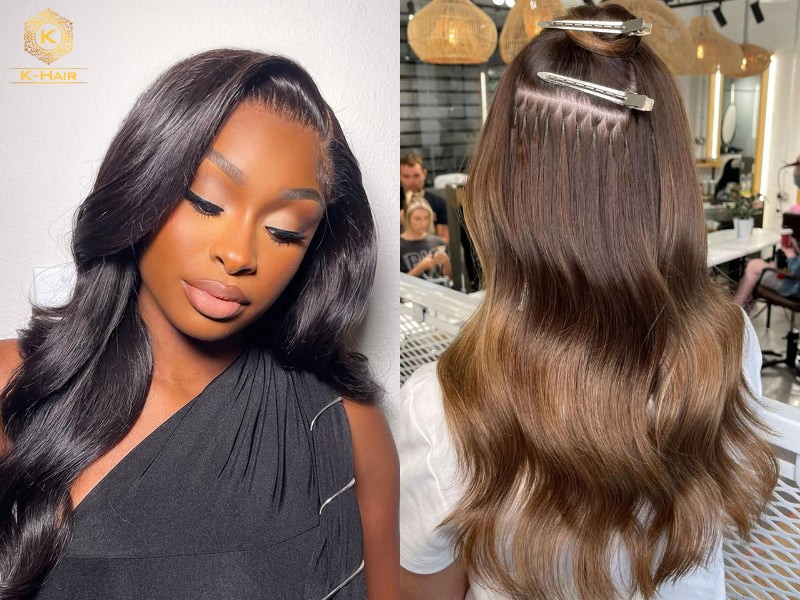
Once you know your target market, the next question is where to source inventory. Wholesale hair vendors cluster by region, and each origin comes with a distinct quality and pricing profile — understanding these differences up front will save you from overpaying for a grade your buyers don’t actually need, or underdelivering on durability they expect:
| Origin | Hair Traits | Price Range (per 100g) | Best For |
|---|---|---|---|
| Vietnamese | Sleek, soft, thick strands in natural black; sourced from women in mountainous regions who keep hair long and unprocessed | $40-150+ | Buyers prioritizing long-term durability and versatility over lowest price |
| Chinese | Reflects imported source material (often Vietnamese, Cambodian, or Indian); relies on chemical processing for a uniform finish | $10-80+ | Budget-conscious buyers or brands wanting a unique, trend-forward product line |
| Indian | Wavy or curly, fine strands; sourced as temple hair (higher quality) or hair balls (low-quality, avoid) | $7-50+ | Salon owners working with natural, unprocessed textures on a tighter budget |
| Cambodian | Thicker and coarser than Vietnamese hair, with a slight natural wave; a smaller, newer market | $35-100+ | Vendors wanting to enter a less saturated niche |
| “Brazilian” & “European” | Usually Asian-origin hair treated or bleached to resemble Brazilian density or Slavic coloring — genuine local supply is scarce | $90-150+ | Brands positioning a higher-end product line |
Worth noting: “Brazilian hair” and “European hair” are largely branding terms. Because Brazil and Europe have limited domestic hair supply, most inventory sold under these labels is Vietnamese or Indian hair processed to match the expected texture or color — a detail worth knowing before you market a product line around either name.
Vietnamese Hair
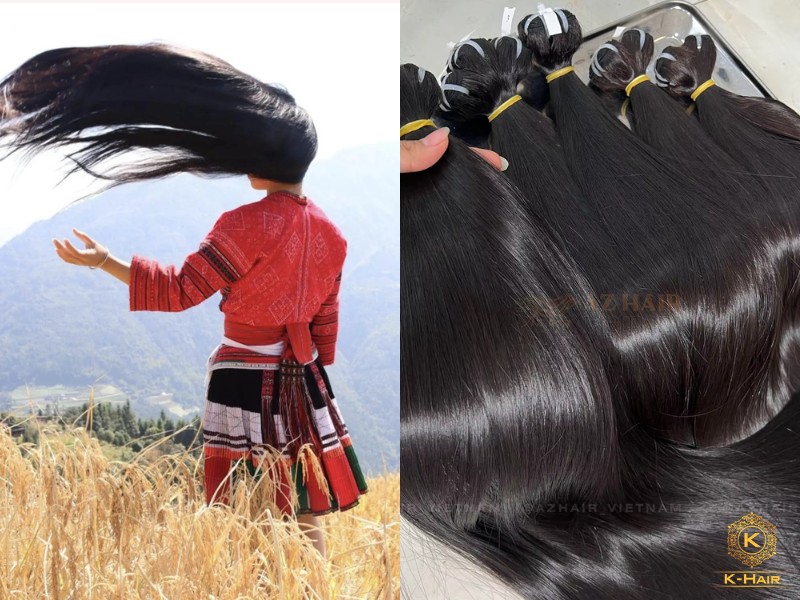
Vietnamese hair is prized for its durability and versatility — the reason it commands the highest price range on this list. Most raw material comes from women in the country’s mountainous regions who keep their hair long and chemical-free, which is what gives it the sleek, thick texture buyers pay a premium for. See our full breakdown of Vietnamese hair factories for a closer look at how it’s sourced and priced.
Chinese Hair
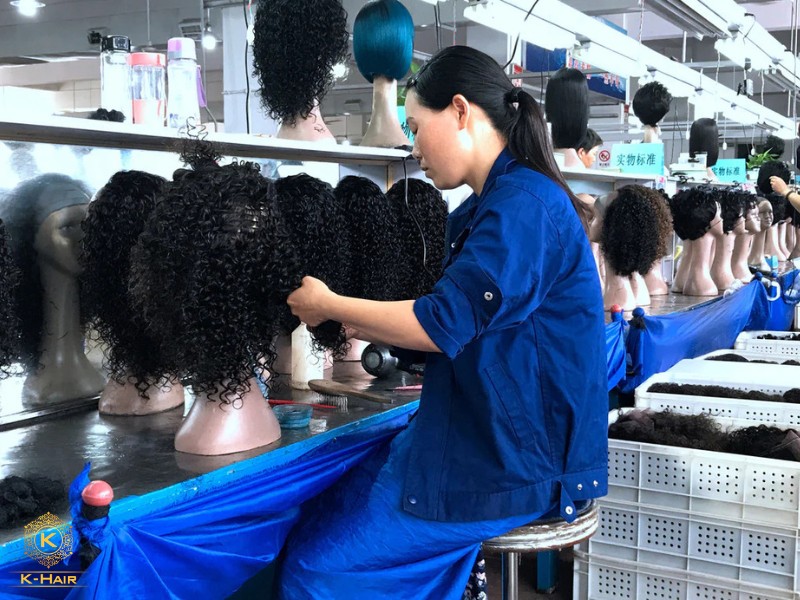
China’s own domestic hair supply is limited, so most “Chinese hair” on the market is actually imported raw material — often Vietnamese, Cambodian, or Indian — processed at scale with chemical treatment for a uniform finish. That scale is exactly why it’s the most affordable option here, and why it suits budget-conscious buyers or brands chasing a trend-forward catalog. Read more in our guide to Chinese hair vendors.
Indian Hair
Indian hair reaches the market through two very different channels: temple hair, donated and collected in a documented, higher-quality process, and “hair balls” — tangled, low-quality material collected from salon floors and public spaces, which buyers should avoid entirely. The gap between the two is large enough that it’s worth reading our comparison of Vietnamese vs. Indian hair before you commit to a supplier.
Cambodian Hair
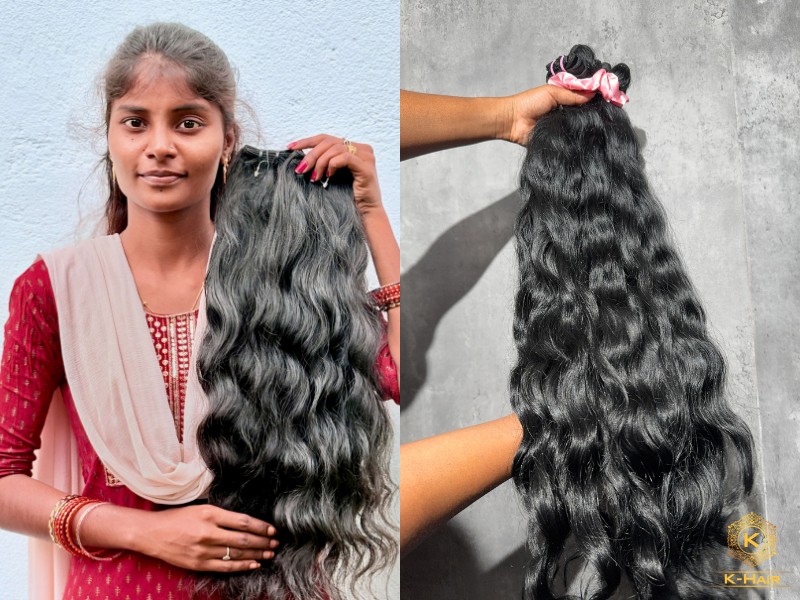
Cambodian hair is thicker and coarser than Vietnamese hair, with a slight natural wave, and remains a smaller, newer market compared to its neighbors. That relative scarcity keeps pricing on the premium side, but it also makes Cambodian hair a reasonable niche to enter if you want less direct competition. Our guide to Cambodian hair factories covers sourcing in more detail.
“Brazilian” & “European” Hair
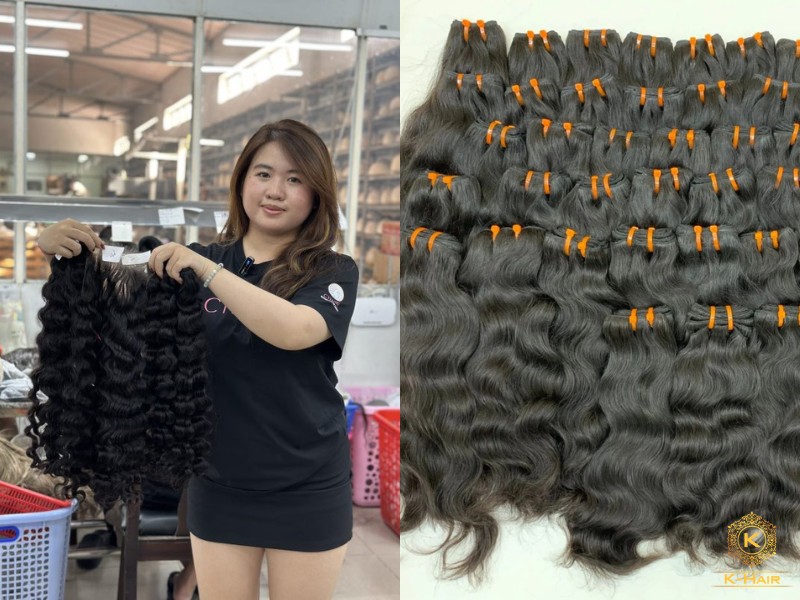
Genuine Brazilian and European raw hair supply is scarce, so most inventory sold under either label is actually Vietnamese or Indian hair processed to resemble the expected density or coloring — a distinction worth understanding before you build a product line around either name. See what “Brazilian hair” really means for the full picture.
Top Wholesale Hair Vendors You Can Actually Trust
Finding hair vendors is easy — social media is full of them. The real challenge is figuring out which ones are worth your money. Instead of sorting by country, we’ve grouped the most trusted names below by business model, since that’s usually what actually determines whether a vendor fits your business:
We picked these based on verifiable production scale, documented sourcing practices, consistent buyer feedback across independent channels, and how clearly each vendor communicates pricing and MOQ — not just marketing claims on their own site. We’re grouping by business model rather than country because that’s what actually predicts your experience as a buyer: a factory-direct manufacturer in Vietnam and one in China have more in common with each other — in MOQ, lead time, and pricing structure — than either does with a small US-based reseller, regardless of where the hair itself originates.
| Vendor Group | Typical MOQ | Shipping | Best For |
|---|---|---|---|
| Factory-Direct Wholesalers | Several kilograms or a full starter package | International, 7-30+ days depending on customization | Scaling brands that need deep, consistent inventory |
| Raw & Temple Hair Specialists | Moderate; some offer smaller “mix kits” for testing | International, often with tax-free logistics for US/EU | Buyers who need documented single-donor, unprocessed hair |
| Low-MOQ & Online Vendors | As low as 3-5 bundles | Domestic (US-based), often 3-5 days | Startups and small-batch buyers still testing demand |
Factory-Direct Wholesalers (Best for Scale & Consistency)
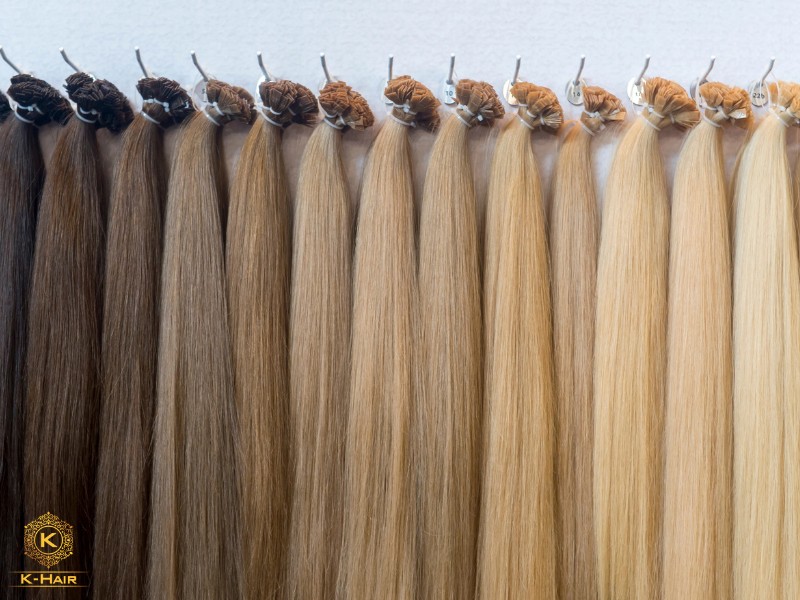
These vendors run their own production, which means deeper inventory and more consistent batches — the right fit if you’re scaling past a startup order size.
K-Hair
One of the largest and most established Vietnamese hair manufacturers, with over 30 years of industry heritage and a supply role for 1,500+ global distributors.
- Product range: Raw or Virgin bundles, wefts, closures, frontals, clip-ins, and full-lace wigs
- Pricing: $30-120 for raw, single-donor bundles; +$3-10 for custom textures or colors
- Pros: Consistent quality, in-house production, strong customization, reliable at volume, ethically sourced from healthy single donors, and transparent policies — including a flexible deposit option that lets first-time buyers start with lower upfront risk
- Cons: Slower turnaround on made-to-order items; better suited to volume buyers than one-off orders
Best for established salon owners and high-volume retailers who value consistency and customization over immediate shipping — K-Hair’s factory-direct model tends to reward buyers who order regularly rather than one-off, first-time purchases.

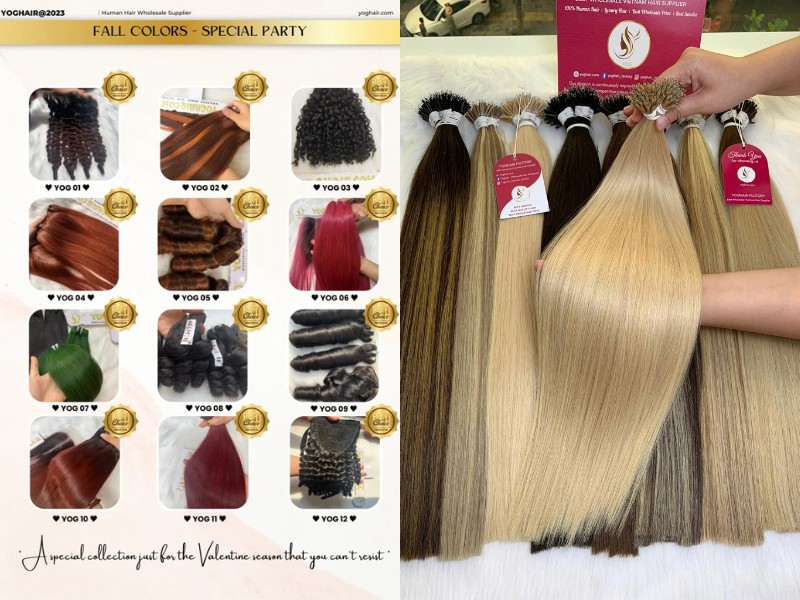
Yoghair
A Bac Ninh, Vietnam-based vendor with 25+ years in large-scale raw hair production, known for high-tech manufacturing and specialized “feather-line” extensions.
- Product range: Raw bulk hair, wefts, toppers, feather wefts in bone-straight and custom colors like piano and ombre
- Pricing: $25-39 for smaller items, $109-199 for wigs and toppers, up to $599 for glueless wigs; MOQ around 300g or 1 wig
- Pros: Strong texture quality, positive feedback on longevity, scalable for bulk orders
- Cons: Slower turnaround on small custom orders; higher upfront cost than budget sources
Best for large-scale wholesalers who need a certified factory partner for emerging markets, particularly buyers who want a signature product line rather than a generic catalog.
Lyn Hair Factory
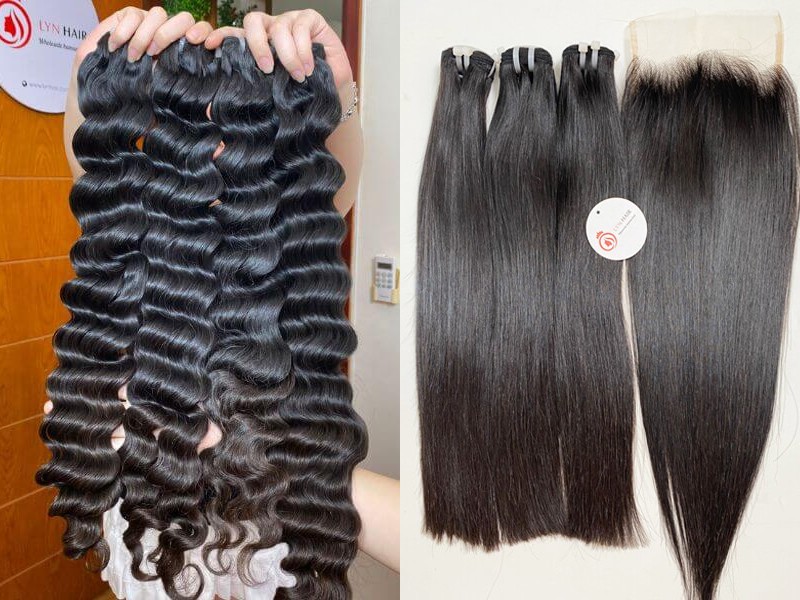
A Vietnamese manufacturer with 15+ years of experience and a 5-ton monthly production capacity, built around a “direct control” model for consistency.
- Product range: Raw Vietnamese bundles, HD closures, braiding-ready bulk hair, high-density glueless lace wigs, Super Double Drawn options
- Pricing: $198-353 for bundles with frontal, $234-1,147 for braiding hair, volume discounts up to $30/kg
- Pros: Industrial-scale reliability, strong single-donor quality, professional sales support
- Cons: Full price lists require a direct inquiry; premium pricing on high-end raw hair
Best for established brand owners and large-scale distributors needing consistent quality at high volume.
Govihair
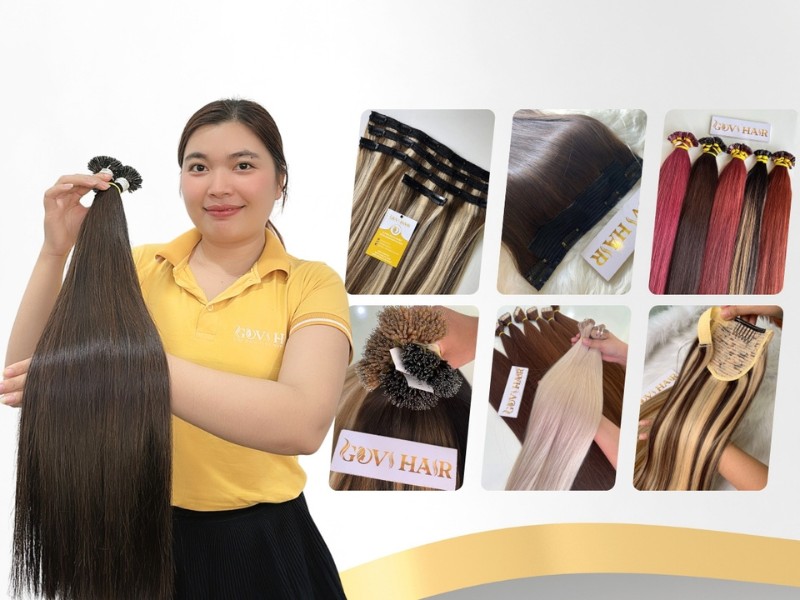
A Vietnamese manufacturer with more than two decades in the market, known for versatile production and modern styling formats.
- Product range: Genius and feather wefts, nano-rings, toppers, luxury lace wigs in a wide color range
- Pricing: $19-60 for bundles and extensions, $89-350+ for wigs and toppers; MOQ 200-300g or 1-2 pieces
- Pros: Broad range of modern application methods, high density customization, long operating history for quality consistency
- Cons: Complex custom orders (rare colors, specialty toppers) can carry longer lead times than off-catalog products
Best for full-service salons and hair replacement clinics wanting one source for both trend and salon-grade pieces.
TedHair
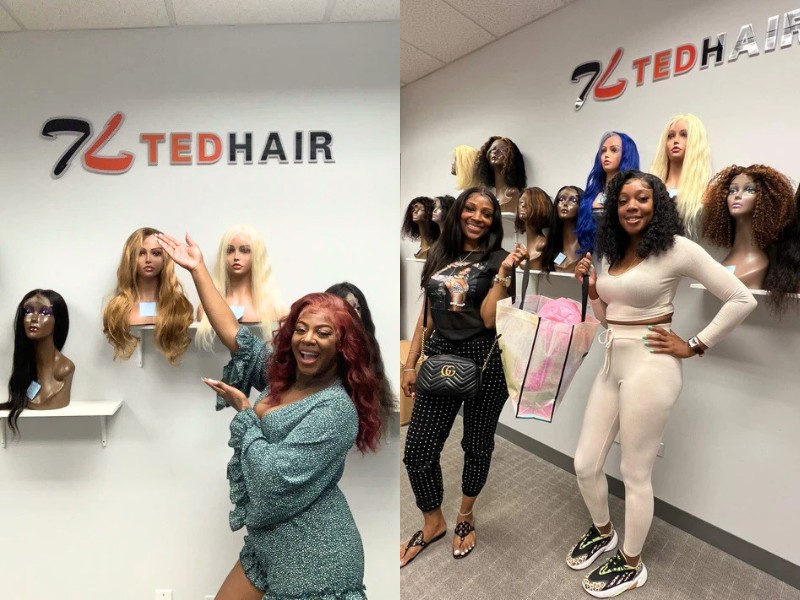
A large China-based vendor with a US-focused wholesale model, running multiple warehouses across major American cities.
- Product range: Virgin and Remy bundles, closures, frontals, and wigs across Brazilian, Peruvian, Malaysian, Indian, and Vietnamese origins; 8″-40″, 12+ textures
- Pricing: Bundles from $17.50, mid-grade $20-60, wigs and specialty pieces $100-600+
- Pros: Large factory plus US warehouses, broad origin/texture mix, strong factory-direct pricing, good dropshipping support
- Cons: Mixed reviews on consistency; feels more corporate than boutique factories
Best for US-based stylists and high-volume e-commerce brands needing fast domestic shipping and a scalable dropshipping partner — the multi-city warehouse network is the main reason buyers choose TedHair over a purely overseas factory.
Unice Hair
A China-based vendor running both direct-to-consumer and wholesale models, built around an influencer-driven approach and real-time inventory tracking.
- Product range: “Pre-everything” glueless wigs, HD lace frontals, U/V part wigs across Brazilian, Indian, and Peruvian origins
- Pricing: Bundles from $20-50, HD lace wigs $160-350+, with frequent flash sales
- Pros: Fast US shipping (3-5 days), wide selection of trending textures, strong dropshipping support
- Cons: Quality can vary between batches at this production volume
Best for e-commerce resellers who need fast-moving, trend-ready products with reliable domestic delivery, especially brands that rely on frequent restocks to keep up with social-media-driven demand.
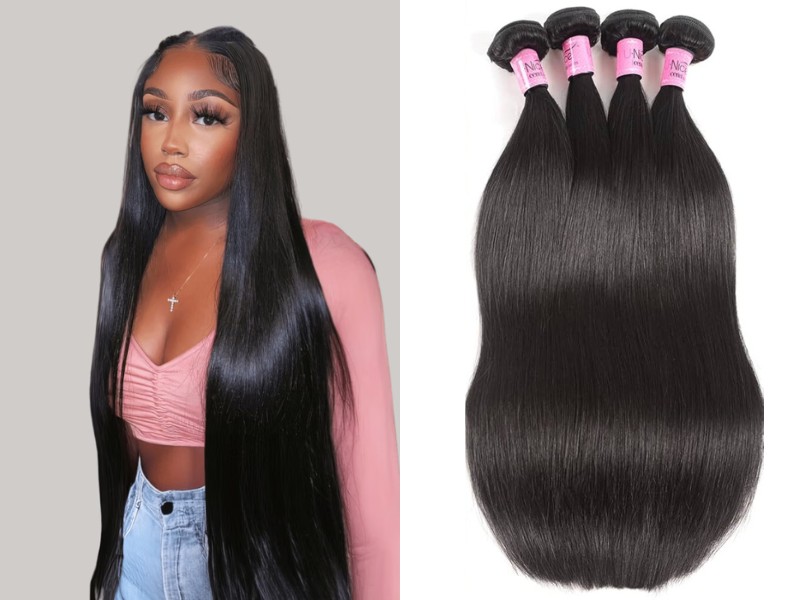
Ballice Hair
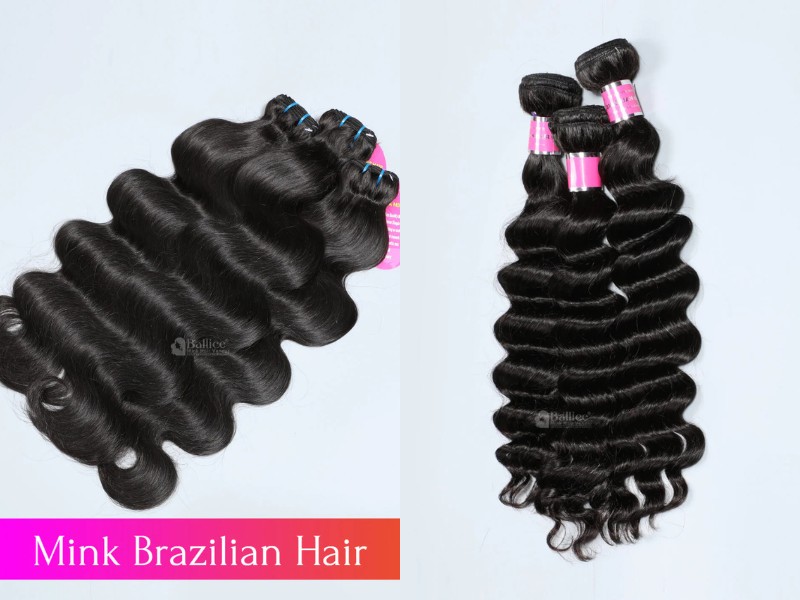
A Xuchang, China-based manufacturer specializing in “Mink” human hair, operating as a high-volume, one-stop supplier.
- Product range: Mink Brazilian and Indian hair, bundles, HD/transparent laces, #613 blonde series, lace wigs (4×4, 5×5, 13×4)
- Pricing: Bundles from $32, lace front wigs $95-230+
- Pros: Fast international shipping (3-4 days to the US), dropshipping program with custom labeling
- Cons: Higher entry price per bundle; less personalized than boutique manufacturers
Best for emerging e-commerce entrepreneurs needing a low-barrier dropshipping or small-bulk partner.
Raw & Temple Hair Specialists (Best for Premium, Single-Donor Quality)
If your buyers want unprocessed, single-donor hair that can lift safely to blonde, these vendors focus specifically on that grade rather than a broad catalog.
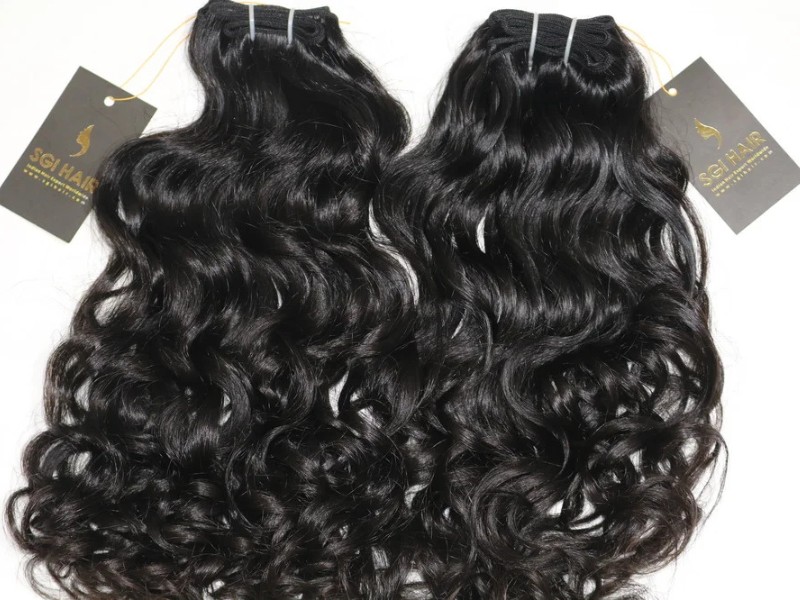
SGI Hair
SGI Hair (Shree Ganesh Indian Hair) is a Chennai-based manufacturer distinguished by ethical sourcing of single-donor raw hair.
- Product range: Raw Indian Remy hair, temple bulk hair, machine wefts, lace frontals, wigs in wavy, curly, and straight textures
- Pricing: Bundles from $30-60, premium raw bulk hair $100+/kg
- Pros: Ethically sourced single-donor hair, strong bleach performance, 15+ years export experience
- Cons: Higher price than mass-produced non-Remy alternatives; slower response during peak auction seasons
Best for professional wig makers and high-end salons who can work with longer lead times.
Dhwarak Indian Hair
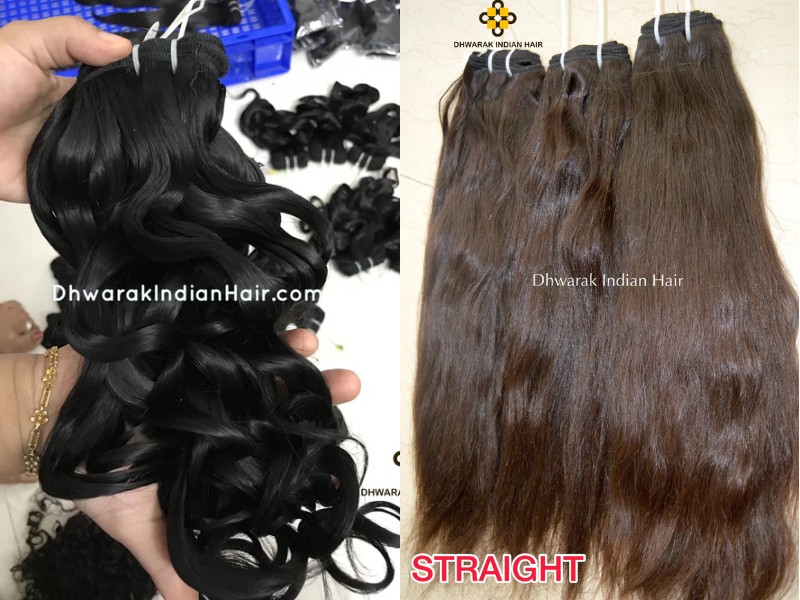
A Chennai-based, vertically integrated vendor built around a “temple-to-weft” process and an all-women factory workforce.
- Product range: Raw Indian temple machine wefts, HD lace closures/frontals, full lace wigs, including “Organic Curly” and “Coarse Curly” textures
- Pricing: Raw bundles from $65-100; a $300 “Wholesale Mix Kit” for new buyers to test multiple textures
- Pros: Single-donor hair with unidirectional cuticles, 3+ year longevity, tax-free logistics for US/EU markets
- Cons: Natural color/texture variation makes exact matching harder; 15% restocking fee on returns
Best for serious raw hair buyers and high-end salons that want a factory-direct pricing model with ethical sourcing documentation — the all-women workforce and traditional processing methods are a genuine differentiator if provenance matters to your customers.
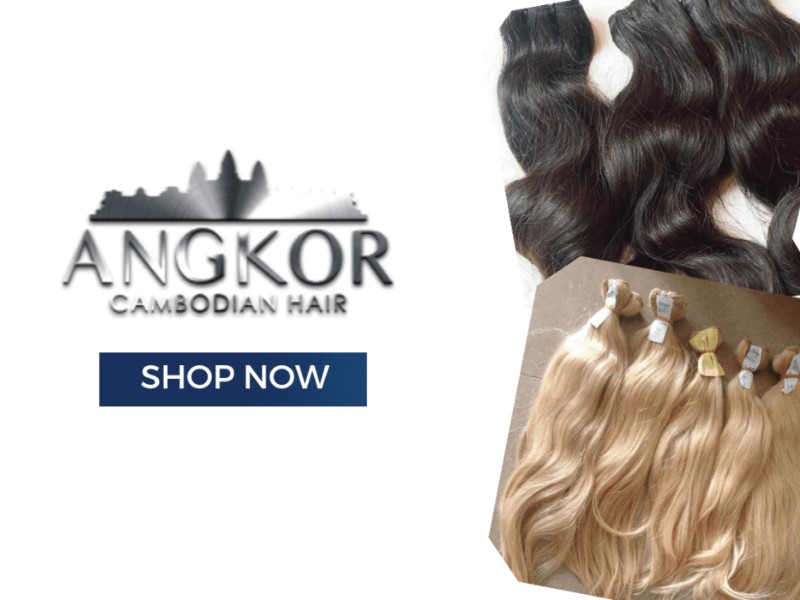
Angkor Cambodian Hair
A leading Cambodian-origin vendor supplying virgin and Remy hair to salons and wholesalers.
- Product range: Straight, body wave, loose wave, deep wave, and slight curly textures in bundles and raw bulk, plus clip-ins, closures, frontals, and made-to-order wigs
- Pricing: Raw hair from ~$90/kg for basic lengths; bundles roughly $20-70 depending on style and draw
- Pros: Good cuticle alignment, naturally soft texture, strong bleach performance
- Cons: Mid-to-premium pricing, limited stock, better suited to steady-order buyers than one-off purchases
Best for luxury-tier salons that want authentic, bleach-friendly Cambodian hair and can pay a premium for it.
Low-MOQ & Online-Friendly Vendors (Best for Startups and Small Orders)
Not every buyer is ready for a container-sized order. These vendors are built for lower minimums and faster, more accessible entry into wholesale — a better starting point if you’re still validating demand before committing to factory-scale volume.
Private Label Extensions
A US-based supplier headquartered in Atlanta, Georgia, with additional showroom locations including Tucker — specializing in 100% human hair extensions and raw hair, and trusted by thousands of stylists for its accessible wholesale program.
- Product range: Virgin and raw bundles, frontals, closures, and specialty items like beach wave bulk braiding hair for boho styles, with custom packaging services
- Pricing: Accessible bundle pricing with transparent, consistent tiers and no strict order minimums
- Pros: Robust drop-shipping program, private-label and branding support, beginner-friendly onboarding, and no minimum order requirement — a genuine advantage for stylists placing their first wholesale order
- Cons: Catalog leans toward popular textures rather than rare, specialty grades
Best for new hair brands and e-commerce startups that want flexible bundle deals and real branding support without a factory-scale commitment.
Hair Maiden India
A Los Angeles-based boutique on Sepulveda Blvd, supplying authenticated North Indian temple hair and popular with licensed cosmetologists for its consistency.
- Product range: Raw and Remy extensions, wigs, and bulk packages across common textures, sold both online and through in-person showroom purchases
- Pricing: Mid-range, positioned for accessible entry-level bulk orders
- Pros: Balance of affordability and genuine quality, hair that holds up well under repeated washing and styling, clear communication on how the hair is treated, and responsive service for wholesale accounts
- Cons: Smaller catalog than large factory-direct vendors; better suited to steady mid-volume buyers than massive bulk runs
Best for retailers who want reliable, in-person-verifiable quality across a range of textures without committing to a factory-scale MOQ.
Key Factors When Choosing a Wholesale Hair Vendor
Beyond the vendor’s reputation, a few practical factors will decide whether a partnership actually works for your business:
- Raw vs. Virgin hair: Raw hair is unaltered and single-donor, which makes it more durable and better suited to bleaching. Virgin hair is often steam-processed for a uniform curl pattern — more affordable, but less durable under repeated coloring.
- Minimum order quantity (MOQ): Some factories require large starter packages before you unlock wholesale pricing; others, especially low-MOQ vendors, will sell at wholesale rates for as few as 3-5 bundles.
- Shipping vs. local pickup: Vendors with domestic warehouses let you pick up locally or get overnight shipping. Overseas factory-direct vendors usually mean lower unit costs but longer lead times — often 30-60+ days for custom production runs.
- Customization and branding: If you’re building your own brand, confirm upfront whether the vendor supports private labeling, custom tags, and packaging — not every factory does.
- Independent reviews: Check for feedback outside the vendor’s own site or social pages — buyer forums and community groups tend to surface consistency issues that a polished storefront won’t show.
- Response time and support: A vendor that answers sourcing questions quickly before you’ve ordered anything is a reasonable signal for how they’ll handle problems after you have.
FAQs About Wholesale Hair Vendors
A few questions come up again and again once buyers start comparing vendors and distributors — here are quick, straight answers to the most common ones.
What’s the real difference between a wholesale hair vendor and a distributor?
A vendor is typically the manufacturer itself, selling in bulk directly from its own factory. A distributor is a middleman with a formal or exclusive relationship to specific manufacturers, usually holding regional stock for faster local fulfillment — at a markup.
What’s a typical MOQ for a wholesale hair vendor?
It varies widely by vendor. Factory-direct manufacturers often require several kilograms or a full starter package, while low-MOQ vendors — usually domestic, smaller-scale suppliers — will extend wholesale pricing on orders as small as 3-5 bundles.
Is raw hair always the better choice for a wholesale order?
Not necessarily. Raw hair lasts longer and bleaches more reliably, but it also costs more and usually comes with a higher MOQ. Virgin hair is a reasonable choice if your buyers prioritize price over multi-year durability.
How do I verify a wholesale hair vendor before committing to a bulk order?
Request a video call showing their current stock and production process, order a paid sample before any bulk commitment, and look for reviews outside the vendor’s own website or social channels.
Can I start with a small trial order before buying wholesale volume?
Most vendors expect this. Factory-direct manufacturers usually offer a sample kit or small first order specifically so you can test quality before scaling up, and low-MOQ vendors are built around exactly this kind of testing purchase.
Do wholesale hair vendors offer private labeling?
Many do, but not all — and the level of support varies widely. Larger factory-direct vendors typically offer custom packaging, tags, and even texture development, while smaller or online-focused vendors may only offer basic labeling. Confirm this before you commit if branding matters to your business.
Conclusion
Success in the hair market comes down to understanding your target audience and partnering with the right wholesale hair vendor for your stage of business — whether that’s a factory-direct manufacturer built for scale, a raw hair specialist for premium quality, or a low-MOQ vendor while you’re still testing demand. The vendors on this list each solve a different problem, and the “best” one is simply whichever matches your current order volume, budget, and how much control you need over sourcing and branding. Start with a sample order regardless of which category you choose — it’s the cheapest way to confirm a vendor’s claims before your business depends on them.
Ready to source verified raw Vietnamese hair?
As one of Vietnam’s most established direct manufacturers, K-Hair Factory supplies over 1,500 distributors globally with authentic, cuticle-aligned raw hair — no middlemen, no markups.


Pingback: Wholesale Wig Vendors USA: Top 6 vs Factory-Direct Pricing
Pingback: Raw Hair Vendors List: Top 8 Wholesale Suppliers 2026
Pingback: 10+ Best Hair Extensions Manufacturer in Spain: B2B Companies & Suppliers
Pingback: Top 13 Hair Vendors in Canada - A 2026 Sourcing Guide
Pingback: TOP 10 Hair Vendors in Nigeria: Best Wholesale Factories