Nowadays, as online shopping and e-commerce platforms have further leveraged the global demands for hair enhancements, the hair industry has come up with many innovations to catch up with the rising and ever-changing hair demands in the market. Hence, the creation of weave vs wigs vs extension – each with its distinct purpose, application, and target audience. However, due to differences in naming standards, many hair suppliers in the market tend to use these terminologies interchangeably, leading to even more confusion among hair buyers and inexperienced business owners.
In this article, we will go over all the necessary information regarding the three distinct hair enhancement methods, their perks and drawbacks, as well as their target audience, so that for one’s next hair orders, hair buyers can be better prepared and be able to pick out the most suitable option for their preferences and business interest.
1. What is a Weave?
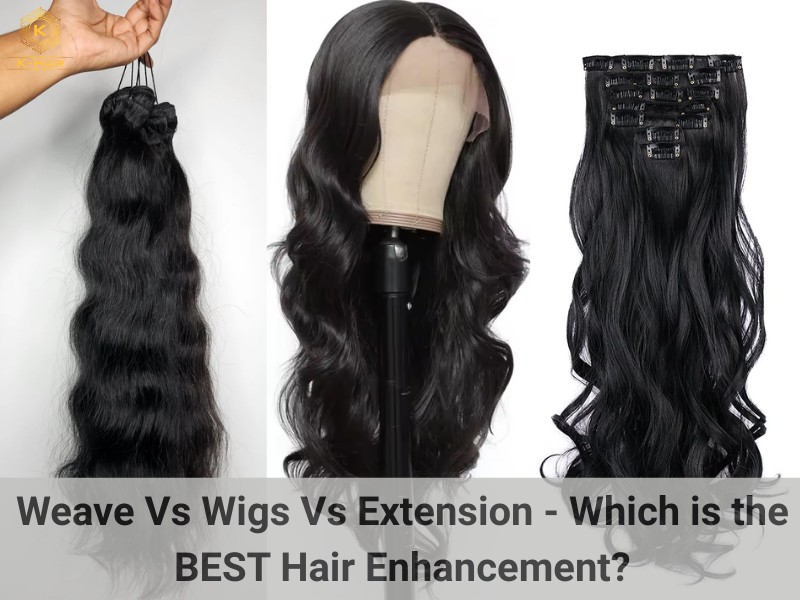
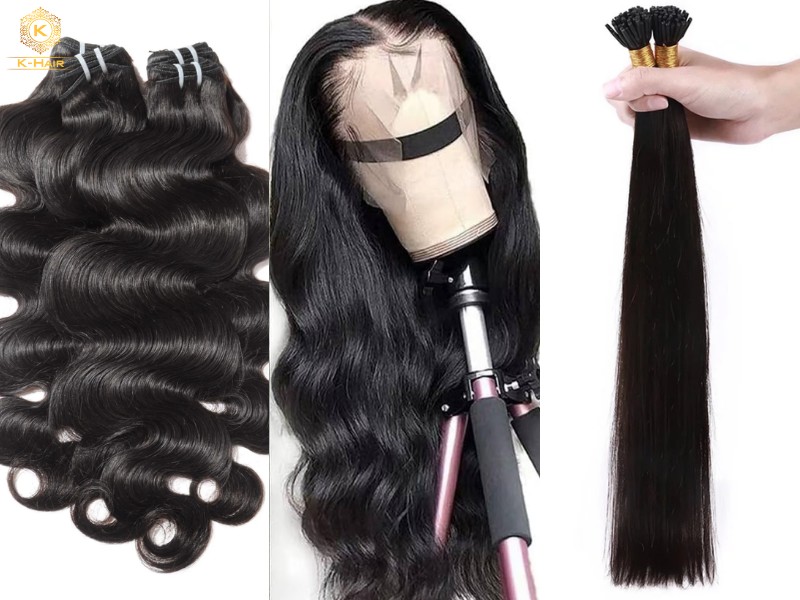
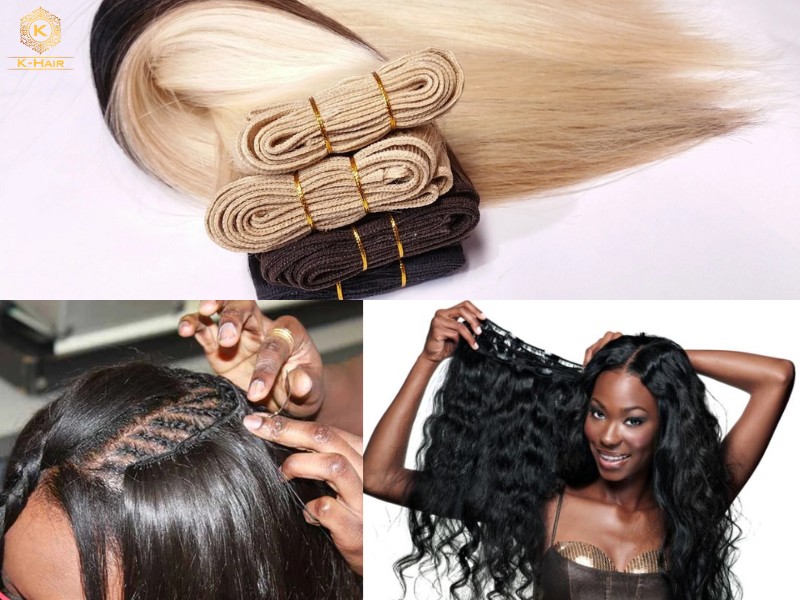
Weaves, despite popular belief, is rarely a distinct, separated type of hair enhancements, rather, it is a type of hair extensions, which is also known as: sew-in extensions. In terms of construction, hair wefts contain hair strands of similar lengths, sewn into one consecutive strip and folded into one bundle. However, compared to other types of extensions, weaves can be used for a myriad of purposes rather than just as a complementary hair piece to add more volume to its users. In fact, with weaves, hair manufacturers and individual hairstylists can cut it into smaller wefts to create tape-ins, clip-ins, or attached keratin to it to make micro-beads or keratin bond extensions, or be used with hair lace to create wigs. For such reasons, weaves are often separated into one singular hair category, rather than combining with the other types of hair extensions.
The term “weave” has a lot to do with its distinct application method. In fact, this terminology stems from African-American lexicon – referring to its sew-in application method, in which the weave will be sewn into the user’s hair using their braids or cornrow as a base, hence, the name sew-in extension. Such an application method often results in a durable, long-lasting and seamless hair look. If done by a professional, the sewing line can be concealed completely, creating the ultimate natural, effortless look that can cover the original unwanted hair flaw such as brittle, coarse strands, while its braid base creates a protective hairstyle for the strands from external factors.
2. What is a Wig?
In the market, wigs have become one of the most widely consumed hair enhancements, gaining huge traction and sales over the period. In fact, according to Grand View Research, in 2022, the global hair wig and extension market revenue has been sized at $6.46 billion dollars, with wigs taking up to 75% of the total amount – showcasing its wide market base and yearly purchases.
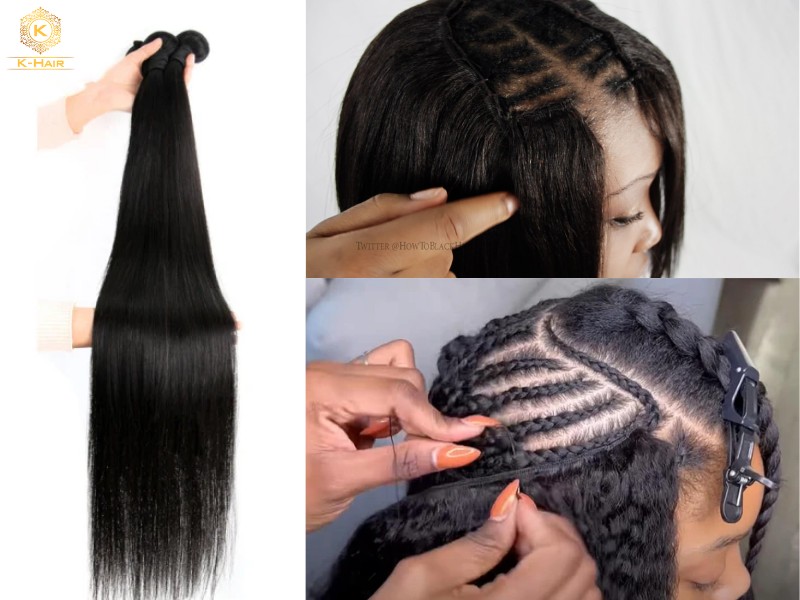
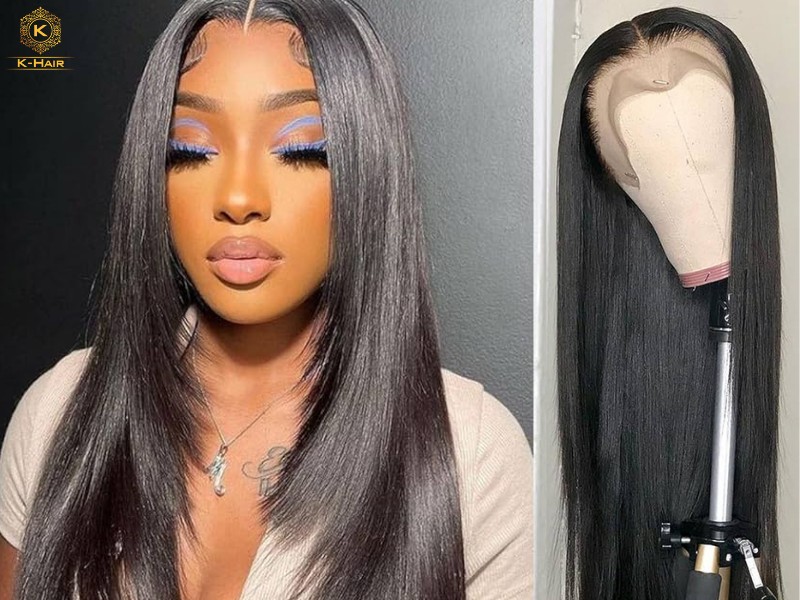
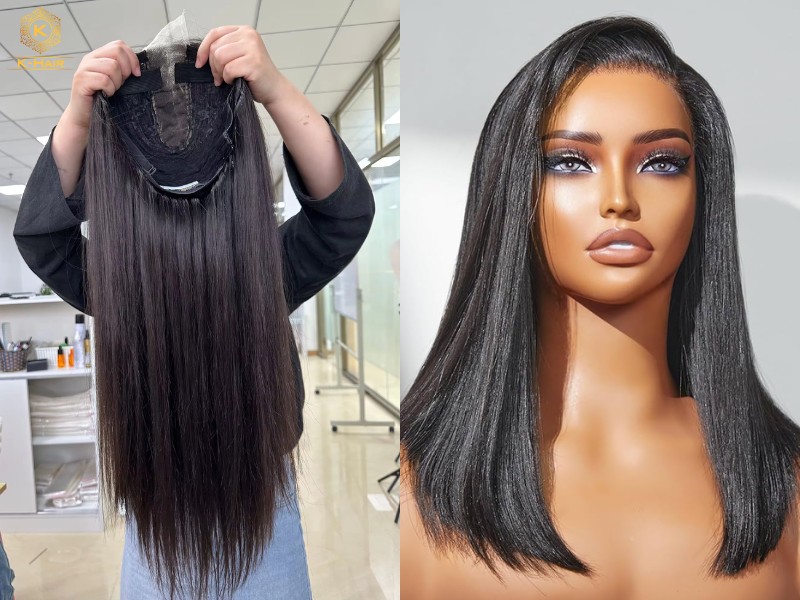
By definition, wigs are mostly known as a cosmetic hair enhancement able to cover the entire head area of its wearer. The classic wig construction might include several hair weaves, and a lace, all attached on a wig cap as base. For example, for a standard 20” lace front wigs, the wig would include 3 20” weaves, and a lace, size of choosing, to create a full, complete look. However, this ratio and length distribution is rarely fixed, as it can be flexible to cater to its wearer’s preferences on thickness. Besides the classic, prominent lace front wigs, many wig-makers and hair manufacturers have also introduced other wig variations to the market, such as full lace wigs, 360 lace wigs, U-part/V-part wigs,… each with its own usage and features,…
For many years, this specific type of hair item such as wigs & lace has often been recommended by medical practitioners and professional salon stylists as a convenient hair solution for those struggling from hair loss, baldness, or sensitive scalp. Indeed, with its wig cap as base, wigs are able to provide a more thorough protective shield for its wearer’s hair and scalp, especially from external factors such as sunlight, humidity,… creating a safe environment for the hair to recover itself underneath.
3. What is an Extension?
When learning the differences between weave vs wigs vs hair extension, learning about hair extensions is a must. Indeed, unlike wigs, or weaves, hair extensions is a more general term, including many extension variations and subcategories into its meaning – which sometimes consist of weaves as its subcategory itself.
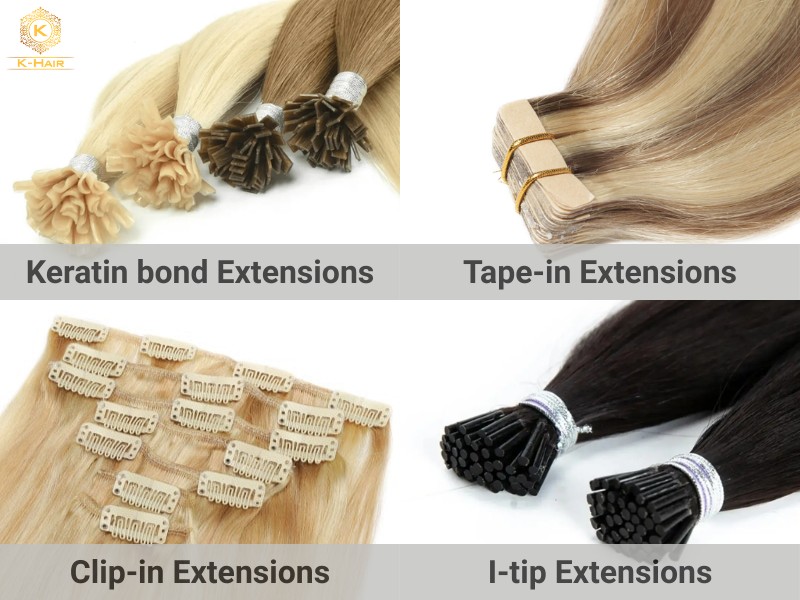
Over the years, thanks to the development of technologies and hair innovation, factories and manufacturers have been able to diversify their offerings and introduce new hair extension products, such as:
- Keratin bond extensions: often comes in batches consisting of smaller units weighing from 15-25gr, keratin bond extensions are often the most lightweight hair enhancement options. Each of its singular units features a keratin head at one end, which can be melted using heat tools and serve as adhesive to attach the piece onto the user’s natural hair.
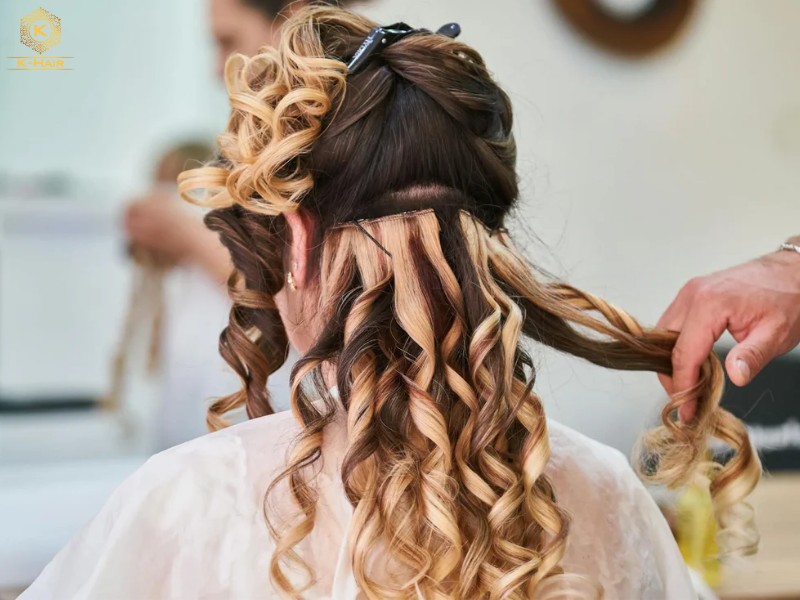
- Tape-in extensions: often come in small, flat wefts, with a small strip of double-sided tape at the root of the product, which can be applied flat against the hair once its seal is taken off.
- Clip-in extensions: is the most convenient hair extension type out there – clip-ins come in layers of small wefts, featuring small hair clips at its edges. These clips can help attach the piece onto its user’s hair within a second, reducing a large amount of time normally spent on hair application.
- I-tip hair extensions: much like keratin bond extensions, I-tip hair also features an I-shaped keratin head at one of its ends. However, instead of being attached by using heat like the traditional keratin bond hair, I-tip hair can be applied on the hair using micro-beads, or nano-rings – completely non-damaging to the hair.
Compared to wigs or weaves, these hair extensions, if applied correctly, can result in the most natural hair look, as they do not replace or cover completely the natural hair of its wearers, rather, only complement and add more volume to it. Hence, for a vast proportion of natural beauty hair lovers, they have been their go-to options when it comes to hair enhancement.
4. Differences between Weave and Wigs, Extension
Despite all being hair enhancements, weave vs wigs vs extension only share a limited range of similarity, while their differences are evident. In fact, as they are almost completely distinct and differentiated from one another, when sourcing for hair enhancements, based on their signature features, hair buyers can decide the most suitable options for their individual needs. In fact, in terms of hair application, natural appeal,… their differences can be presented as below:
| Weaves | Wigs | Hair extensions | |
| Application | The signature sew-in method used for hair weaves must be done by professionals only:
|
Wigs can provide extremely fast-application for its users:
|
Beside the clip-ins, most hair extensions must be applied on the wearer’s head with the assistance of a professional: Strictly dependent on professional application and tools to be applied onto the wearer’s hair. |
| Natural appeal | Not as natural looking as the other hair enhancement:
|
If applied correctly, wigs can offer the most natural-looking hair effect:
|
Is often the most natural-looking hair enhancement out there:
|
| Coverage | Offering medium-range coverage: Can cover the entire or parts of the user’s head – based on their preferences | Offering the most coverage:
|
Offering the least hair coverage:
|
| Longevity | For each application, the hair can last for 1-2 months before needing reinstalling. Its overall longevity can range from 1-3 years depending on the hair types |
|
|
| Natural hair protection | Can protect the user’s natural hair well if done properly: The braid base can serve as a protective style – shield the hair from external factors can perverse moisture, nutrients | Extremely protective, can shield the hair from most external harmful factors, such as heat, humidity,… Its wig cap can better trap moisture, providing the perfect environment for the hair to recover underneath. | Slightly protective, however, can be slightly damaging:
|
| Flexibility & Convenience | Allow less styling versatility, as the hair is directly sewn into the braids – its final look often lasts for weeks and allows little customization.
Offer the least convenience: strictly depending on stylists, and must sit through lengthy application time to have it done. |
|
Except for the clip-ins, most hair extensions’ applications tend to be lengthy and dependent on professional tools, and help. However, as the hair is integrated into the user’s natural hair → can be styled freely to one’s liking. |
The above are the information regarding the differences between weave vs wigs vs extension, and as you can infer through the table, each type of hair enhancement tends to come with its own distinct features and traits. Based on these differences, hair buyers can better distinguish weave, wig, and extension when sourcing hair in the market, as well as making the most well-grounded, suitable decision to best match their business orientation and target customer base.
5. Pros & Cons of a Weave, a Wigs and a Extension
Getting to know the differences between weave vs wigs vs extension is merely just surface-level research. Indeed, to better equip yourself with the needed knowledge about the hair market, hair buyers must also look into the perks and drawbacks of each type of hair enhancement, to better identify your suitable target products.
5.1. Pros & Cons of Weave
When learning the differences between weave vs wigs vs extension, some of the weaves’ perks and drawbacks can be presented as follow:
5.1.1. Pros of Weaves
For hair buyers interested in purchasing weaves for their next hair orders, some benefits or selling points that this investment might bring are:
- Affordability & Availability: hair weaves are among the most basic and widely available hair enhancement types in the market → providing a stable supply for hair businesses and are often placed at a lower pricing range in the market – more abundant stock and lower input pricing.
- Hair protection: using hair braids or cornrow as sewing base – can better preserve the hair’s moisture and nutrients, minimizing the influence from external factors, while still maintaining breathability
- Durability: the sew-in application is extremely durable and unbudgeable if done properly, even when applied strong force on → extremely suitable for hair users with an active, dynamic lifestyle
- Longevity: among the most long-lasting hair enhancement options: each application lasting for months, and its overall hair longevity can reach up to years under proper maintenance.
5.1.2. Cons of Weaves
However, some drawbacks must also be expected when sourcing and selling weaves:
- Lack of convenience: each application often lasts for 2-3 hours each, and often must be done by a professional stylist → lengthy waiting time and dependence on stylist assistance.
- Potential damage: the braiding base often causes tension to the scalp if done improperly → can apply more pressure and damage for those with weak, sensitive scalp condition.
- Limited flexibility: as long-lasting as it is, hair users often have to stick to the same final sew-in look for months, as it allows little alteration be done without sacrificing the final natural look and the grip of the sew-in → limiting its styling versatility.
Read More: Frontal vs Closure wigs
5.2. Pros & Cons of Wig
When learning the differences between weave vs wigs vs extension, some of the wigs’ perks and drawbacks can be presented as follow:
5.2.1. Pros of Wigs
For hair buyers interested in purchasing wigs for their next hair orders, some benefits or selling points that this investment might bring are:
- Hair protection: can provide the ultimate protection for the user’s natural hair. Its wig cap serves as a protective shield – covering the hair underneath from any external factors, as well as better trap moisture, oil and nutrients inside → creating the perfect environment for the hair to recover its health.
- Flexibility: offering more styling flexibility than weaves, as its users can change the hairstyle, color, texture,… on the daily, or at any time they wish by changing and switching to another wig.
- Convenience: each hair wig application only lasts for nearly 1 hour, and can be done without demanding the help from a professional stylist → time-saving, fast installation, and extremely beginner-friendly, DIY-able.
- Suitable for all hair conditions: as wigs are highly non-damaging, patients of any hair condition can resort to using wigs to enhance their hair look – even for those with sensitive scalp, or damaged, weak hair strands.
5.2.2. Cons of Wigs
However, some drawbacks must also be expected when sourcing and selling weaves:
- Expensive unit cost: due to its complex construction and rising market demands, wigs are often placed at a higher pricing range in the market → much more expensive than other hair enhancement methods, potentially causing budget imbalance and financial issues if purchased without thorough planning.
- Dependence on many factors: to achieve the desired seamless, natural look, wigs have to depend on many factors, such as lace types, skin tone compatibility, professional skills, and additional blending.
- Lack of breathability: as it covers the entire head area under a thick wig cap, a wig can make it extremely hard for vapor and heat to escape from the scalp → making it uncomfortable to wear for an extended amount of time.
5.3. Pros & Cons of Extension
When learning the differences between weave vs wigs vs extension, some of the extensions’ perks and drawbacks can be presented as follow:
5.3.1. Pros of Extensions
For hair buyers interested in purchasing wigs for their next hair orders, some benefits or selling points that this investment might bring are:
- Natural look: unlike weaves, or wigs, hair extensions do not cover the entirety of the user’s head, rather, only attached to small hair sections and blend in seamlessly onto their natural hair → offer a more realistic, effortless hair look.
- Diversity: hair extensions come in different categories, such as clip-ins, keratin bond, tape-in hair extensions, each with their own purpose, usage, and application → are able to be catered to a wider customer base, with different hair preferences and pricing range,…
- Volume enhancement: after the application, hair extensions can add more volume, length, and highlight color to the user’s original hair → suitable for those wanting volume enhancement while still keeping their natural hair textures and natural beauty
- Styling versatility: as hair extensions can blend in directly into one’s natural hair, they can be styled, straightened and curled just like our own hair → offering more styling versatility for their users.
5.3.2. Cons of Extensions
However, some drawbacks must also be expected when sourcing and selling weaves:
- High maintenance: hair extensions are extremely high-maintenance, as they are more easily-damaged due to constant changing and removing, especially given its adhesive-base attachment method → during application, removal or reusing, hair extensions would often require more delicate handling.
- Not suitable for many hair conditions: many hair extension types must be used in bulk at once to create real results → as lightweight as they might be individually, once installed, they would apply more pressure and weight to the scalp – not suitable for sensitive scalp, thinning, damaged hair.
- Potential damage: as they use heat, glue, and adhesive to be attached to the hair, hair extensions might cause more damage to the hair’s cuticle, weakening the natural healthy state of the strands.
6. Weave vs Wigs vs Extension: Which is better?
Understanding the distinctions among different weave vs wigs vs extension options is not meant to establish which product category stands out as the superior choice, rather, these differences serve as a practical guideline that helps buyers, especially those who are still new to the field, understand which type actually fits their needs and hair preferences. In fact, for individual users aiming to identify the most appropriate weave or wig variation, and for hair business owners seeking to accurately target their intended audience, it becomes essential to recognize the typical customer base associated with each product type and determine whether they themselves, or the core customer base they are catered to, are interested or suitable for these products or not.
6.1. Who are Weaves for?
As a standard type of hair enhancement, hair weaves or sew-in hair extensions often possess the most availability and the most diverse market sector comparing weave vs wigs vs extension, however, much like any other hair enhancement variations, it mostly caters to a specific clientele. Specifically, in the market, hair weaves are the most prominent and widely-used hair enhancement variation used among African American hair community, with the addition of wig makers, hair buyers favouring them for their long-lasting hair effect:
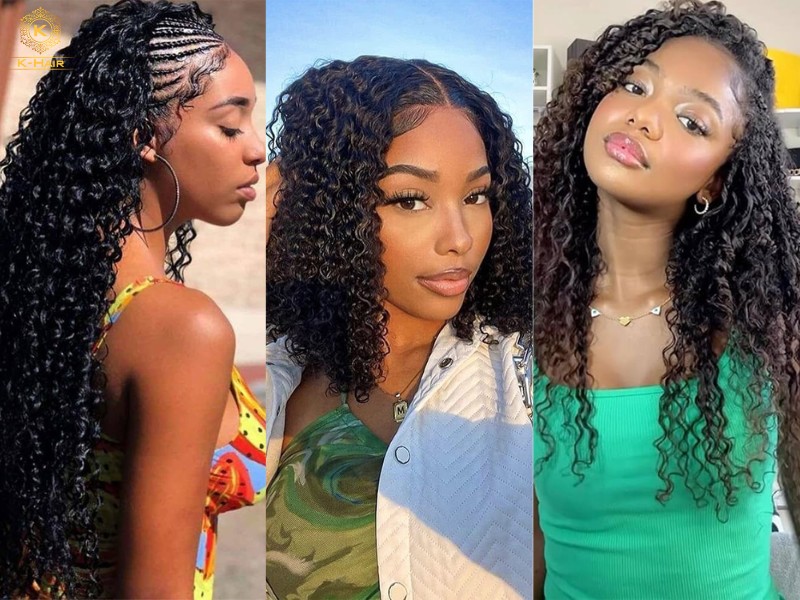
- The signature natural hair of many African women out there is often coarse, short, with natural, brittle curly strands – extremely hard to maintain and is frequently subjected to external factors, such as high heat, humidity and dryness. Hence, for the longest time, women of color have been braiding their hair and sewing weaves on top to better protect their hair while still maintaining a sleek, voluminous hair look.
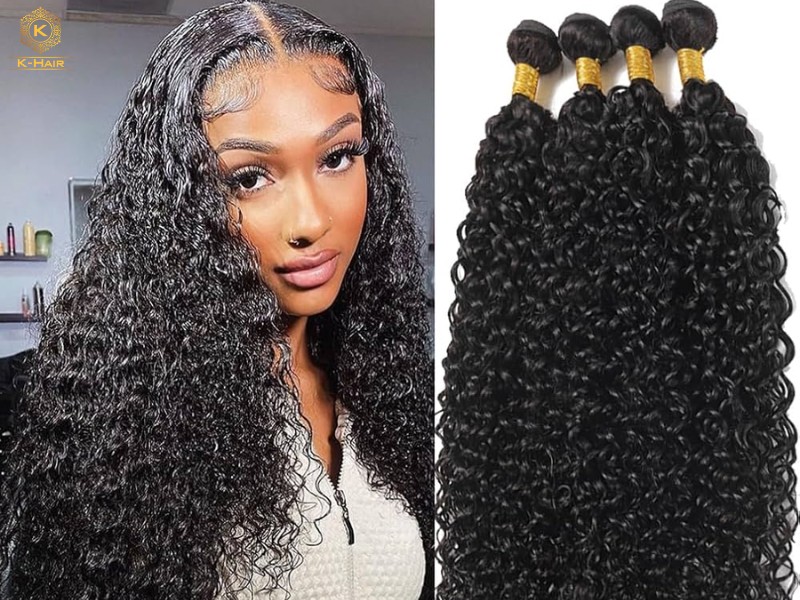
- As weaves hair can be used as the core ingredient to produce other types of hair enhancements, many hair manufacturers and wig makers are also another key customer base for this specific hair enhancement line. Indeed, weaves can be cut into smaller wefts to make clip-ins, tape-ins, or can be used with laces to make wigs, hair weaves with its multi-functional purposes are purchased by many professional hair manufacturers to produce their products, or individual hair users to DIY their hair.
- Hair weaves, with its long-standing hair effect, as well as its durability, are also highly in favour of athletes, gymnastics, or other hair users with an active lifestyle. For these specific customer bases, maintaining a firm, unbudgeable grip to their hair extensions is a must-have, as they often have to do more vigorous exercises for an extended period of time. Given that the weaves are directly sewn onto the person’s hair, it is less subjected to natural factors that can wear off the grip of the attachment, such as hair oil, vapor,… → making sure that the sew-in would last a much longer time than regular extensions.
- In the market, weave hair is also the most affordable and widely-available hair enhancement method, hence, for customers with lower income, or budget-conscious hair buyers, it could be the perfect candidate – not only catering to their hair needs, but also to their limited spending budget.
6.2. Who are Wigs for?
Wigs are often referred to as the upgraded, more covering version of the hair weaves and this distinction becomes clearer when evaluating weave vs wigs vs extension as three different enhancement options. Hence, it also comes with a higher price tag, as well as more styling versatility, and hair protection. As a result, the targeted audience for wigs tend to be slightly different from which of sew-in hair extensions:
- Given the prominence of social media and celebrity culture, the global beauty standards in many regions have been shifted toward glamorous, voluminous and lustrous hair often seen on the red carpet. More and more women are leaning toward wigs with sleek, luxurious appearances to keep up with their favourite hair influencers and celebrities – leading to an increase in the consumption of wigs, coming from people wanting elaborate, fashion-forward hairstyles, without sacrificing the natural, seamless look of their hair enhancement. As a result, most hair buyers with more financial freedom and disposable income became the target audience of wigs – making the most of their profit can sales on th yearly.
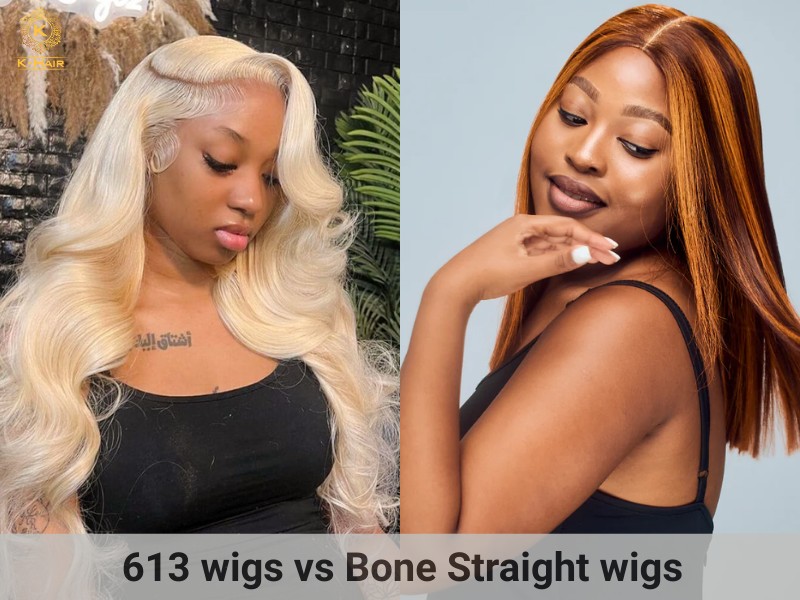
- The regions with the highest import volume of wigs are North America and Africa. In North American and Africa, with their focus on individualism and self-expression, wigs are highly in-demand, as their high styling versatility can allow hair users to style their hair to their liking – best satisfy their needs for self-expression and glamorous hair beauty. For North American hair buyers, their go-tos are often natural-textured hair to go with their effortless look, or #613 wigs that allow bleaching, dyeing and personalizing; for African hair buyers, they tend to lean toward ultra-sleek, bone straight hair with striking color as a way to present their dynamic personality.
- More than just a cosmetic hair piece, wigs are also widely used in the medical field, especially for patients of hair loss, thinning, balding hair, or scalp sensitivity. Wigs can provide the ultimate protection for the user’s natural scalp and damaged hair, hence, providing not only a desirable hair appearance for those with baldness, but also a favourable condition for the hair to regrow and recover underneath. As a result, they are also highly recommended by medical practitioners for their patients.
6.3. Who are Extensions for?
Despite being more newly-introduced to the market, hair extensions have managed to secure for themselves a stable profit volume and a huge proportion of the global market when comparing weave vs wigs vs extension. In fact, according to Fortune Business Insights, in 2024, the total market revenue of clip-ins, tape-ins, micro-beads, and other types of hair extensions accounted for more than 75% of the total revenue that year, huge compared to the 25% of hair weaves:
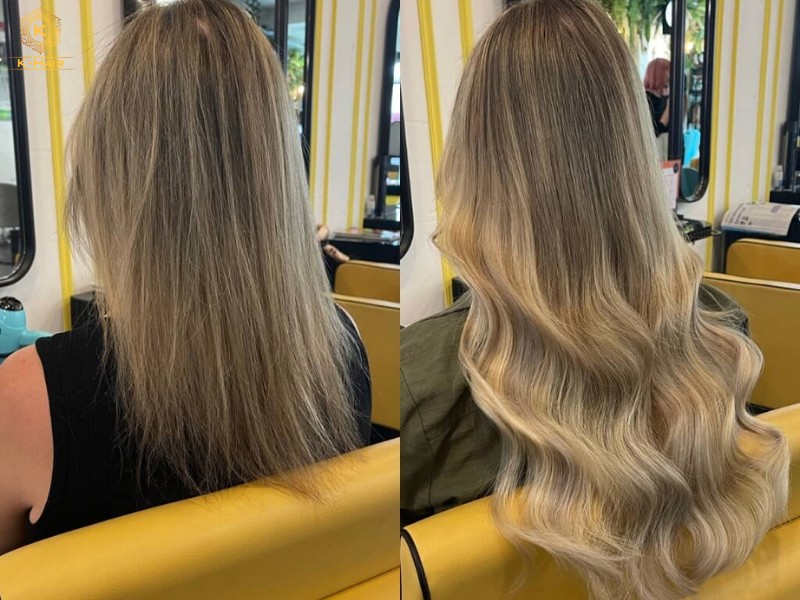
- Instead of completely replacing the user’s hair like with wigs, or weaves, hair extensions only provide an addition of volume, length and color to the original hair, hence, blending in more seamlessly. Therefore, for hair clients wanting the ultimate natural look, or slight enhancement only, using hair extensions can be the perfect option. Not only can it appear much more natural and elegant than the other two options, but using hair extensions also allow customers to style and personalize the hair more freely, better cater to the diverse styling needs – without purchasing multiple items and breaking the bank like the wigs.
- Most of the hair extensions are sold in European and South America. Indeed, these regions tend to be the most affected and heavily influenced by the Western beauty standards – which prioritize mostly on natural, elegant beauty, in favour of the iconic Slavic beauty. Hence, the natural look that hair extensions can provide is the best match for such strict beauty standards, making them the most suitable hair enhancement for women wanting to adhere to such beauty trends and recreate the classic Western appeal on themselves.
- Furthermore, their dependence on professional application also poses an opportunity. Indeed, hair suppliers can either offer these enhancement variations to salon owners and professional stylists, or team up with them to create a package deal – providing both service and product to the end-users, encouraging more sales and thorough customer satisfaction for both parties involved.
7. Maintenance and Care Tips for Weave vs Wigs vs Extension
Regardless of enhancement types, weave vs wigs vs extension, all the above hair items can be easily damaged and tarnished if not maintained correctly – affecting its overall hair performance and longevity. Hence, to ensure optimal customer experience and satisfaction, it is crucial for all hair suppliers to educate their clients on the general and specific maintenance tips for such products beforehand.
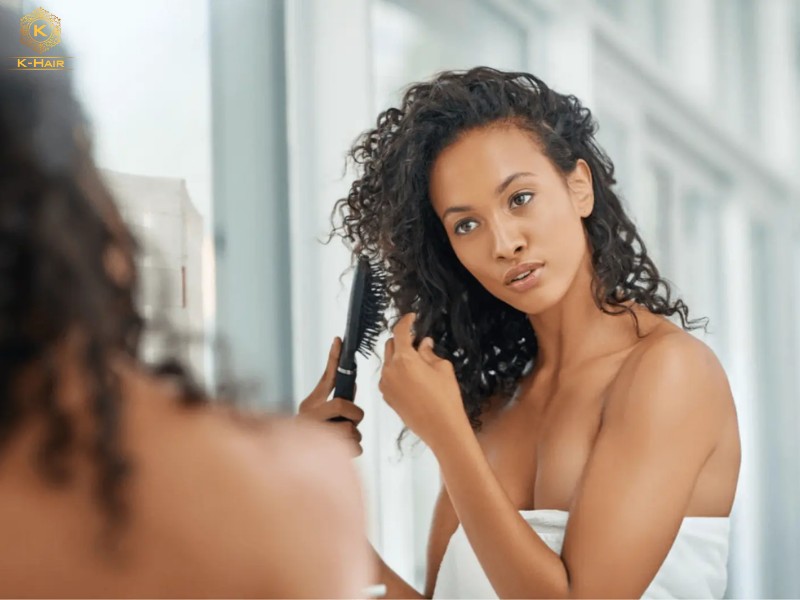
7.1. General maintenance tips
Despite their differences and distinct features, weave vs wigs vs extension still share some common features and maintenance demands. Hence, regardless of what hair enhancement you are choosing for your hair look, these below are some of the basic, fundamental hair care method that you must abide to in order to maximize it longevity:
7.1.1. Detangling
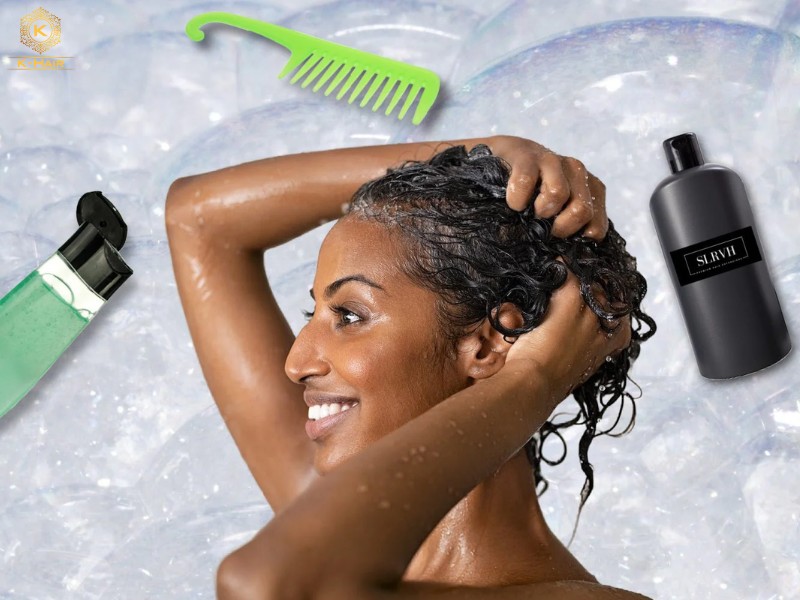
One of the most popular hair problems for all hair enhancements is tangling and shedding – much like our own hair. However, for cosmetic hair, the issue can be much more dire, especially for hair originally collected from many donors, whose cuticles are misaligned or facing different directions from strands to strands. Extra caution must be taken during the detangling, in order to not affect the tension at their attachment point. In fact, rather than using a regular comb, hair users should detangle their hair with a wide-tooth, or a specialized comb used only for hair extension, lightly comb the hair from its ends to its root, and avoid going directly at the attachment point of the hair enhancement’s strands.
Read more: Frontal vs Closure Wigs
7.1.2. Deep conditioning
As the hair strands are cut and collected from its original head, weave vs wigs vs extension are extremely prone to dryness and dehydration, as the hair is no longer provided with the needed nutrients from its roots like our own hair. Hence, extra steps must be taken to make sure that despite the lack of internal nutrient provision, the hair can still have enough moisture and nutrients provided externally. After thoroughly washing the hair, hair users can deep condition the hair by applying rich hair conditioner, oil, hair mask, and let them sit more 20 minutes – longer than usual, to make sure that more products have been absorbed in.
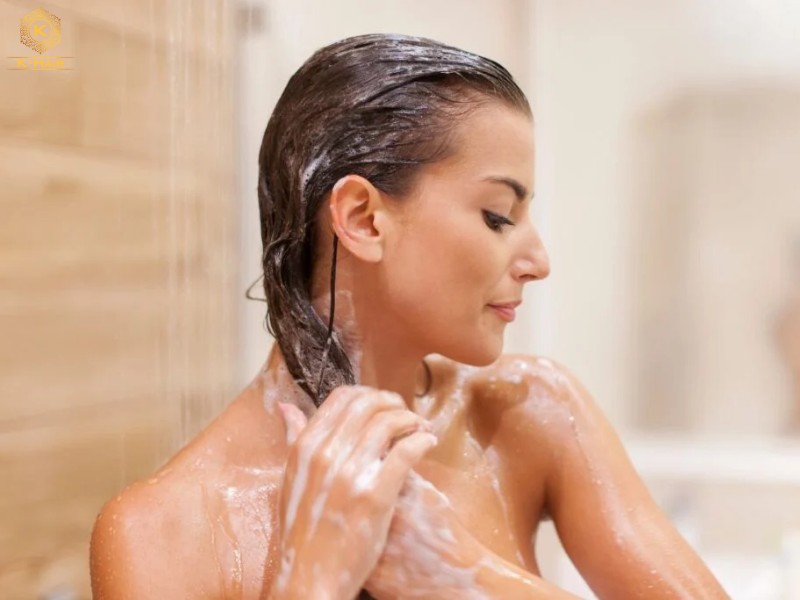
7.1.3. Product selection
Selecting the product to use with your hair enhancement is also another crucial factor of the maintenance process. On the market, there exists many types of shampoo, conditioner, and other hair products containing chemicals that can affect the well-being of the hair, such as sulfate, silicon,… These products are to be avoided at all cost, as they can cause the hair strands to lose its original moisture, damaging its cuticle layer and cause more product build-ups, affecting the overall performance and lifespan of the hair.
7.1.4. Washing method
For hair enhancements, especially for delicate products such as thin lace wigs, or hair extensions, users must handle the item with more care. Indeed, during the washing procedure, hair users must maintain a light stroke force to make sure that they do not budge the grip of the extension and glue. Furthermore, to help the hair solution be absorbed faster, make sure to soak the hair completely in luke-warm, conditioned water. After washing the hair, also make sure to rinse the products completely off, to get rid of any product build-ups that might cause the hair to become stiff, dull, or heavy.
7.1.5. External factors
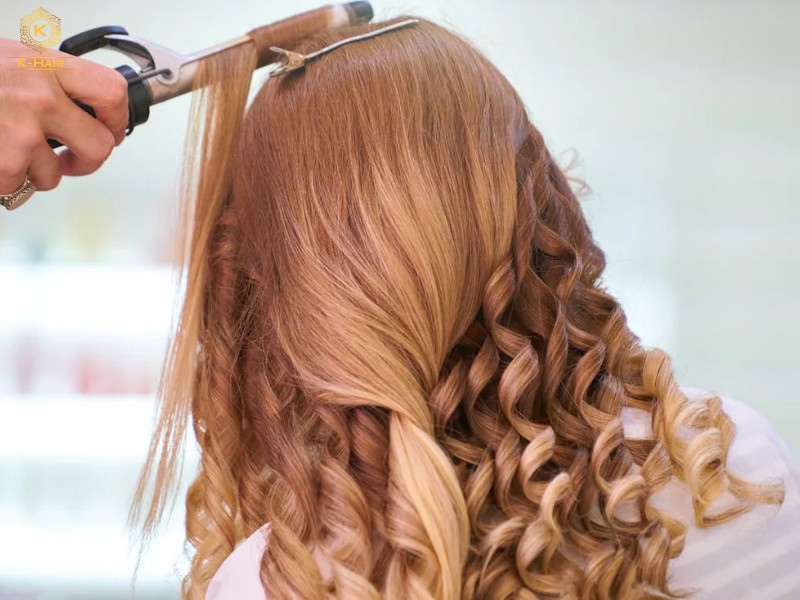
Styling, as mentioned above, is only available for wigs and extension. During the process of straightening, curling, or any heat-inducing styling method, make sure to apply a thin layer of heat-protectant first, as these styling procedures can easily damage the cuticle’s health, making the hair strands more prone to tangling. If possible, resort to other non-damaging, heat-free styling methods, such as fabric curling, Bantu knots,…
7.2. Specific maintenance tips
However, weave vs wigs vs extension, as they are still completely different hair items with distinct traits and usage, in terms of maintenance, they also tend to have specific requirements for each type, beside the general, common care tips mentioned above. Some of these hair care routine might include:
| Weaves | Wigs | Extensions | |
| Washing frequency | One popular mistake done by many hair users out there is thinking that hair weaves would need as much washing as our own hair → too frequent hair washing can cause the grip of the sew-in to weaken, causing the hair to fall of to shed faster:
|
The frequency of hair wash for wigs would depend greatly on the frequency of hair use.
|
Hair extensions do not require too frequent hair washing – much like all the other products:
|
| Storage |
|
Wigs should not be used for an extended amount of time, given that it could cause discomfort for the scalp.
Rather, it is best to take them off at the end of the day and store them on a wig strand, away from the sunlight to maintain shape |
Much like hair weaves, hair extensions should be stored in its original packaging, or in specialized mesh. |
| Nighttime care | As the hair enhancement is installed directly onto the braid of the hair users: During the nighttime, the weaves should be stored in silk or satin bonnet to reduce friction and tangling. | Wigs, as previously mentioned, should not be worn during sleeping:
|
To maintain the well-being of the extensions even during sleeping, you can:
|
8. K-Hair: #1 Vietnamese hair factory
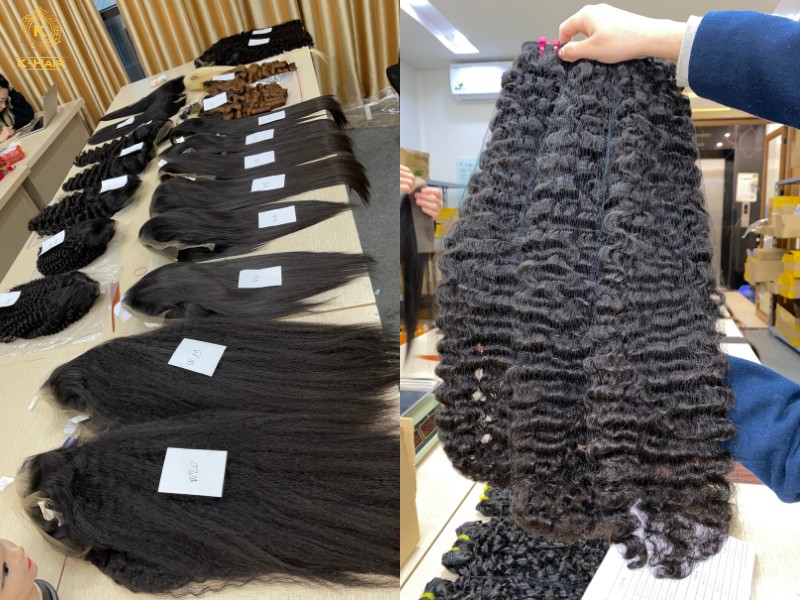
As one of the most reputable Vietnamese hair manufacturers in the current market, K-Hair has long been the trusted destination for clients searching for high-quality hair enhancement products, weave vs wigs vs extension. With many years of experience, commitment toward professionalism, and the utmost loyalty to supplying dependable products, K-Hair continues to stand out as a reliable partner for a vast proportion of international hair buyers worldwide:
- Premium quality: K-Hair strictly sources 100% Vietnamese human hair collected from young women in the northern provinces, ensuring every strand remains soft, durable, and naturally glossy. For their various hair enhancement products, the hair is carefully processed using gentle methods and minimal chemical exposure, helping preserve its original elasticity, strength, and shine. Thanks to this attentive production approach, K-Hair’s enhancement lines maintain their natural appearance and long-term performance under proper care, with very little tangling or shedding.
- Competitive pricing: even as one of the leading manufacturers in the industry, K-Hair continues to offer factory-direct prices that remain highly competitive compared to other business rivals in the market. By managing and directly handling their own sourcing and production, they successfully remove unnecessary middlemen and additional fees, allowing clients to access premium-quality hair enhancement products only at wholesale, reasonable pricing models. This balance between strong quality and accessible pricing has helped K-Hair build an advantageous upperhand among budget-conscious buyers who are looking for stable and long-term business collaborations.
- Customization options: to keep up with the constantly changing trends in the global hair market, K-Hair provides a wide range of customization services for their enhancement product lines. Clients can freely select different textures, lengths, densities, and color options to create a unique hair look that aligns closely with their customers’ demands. For wholesalers, K-Hair also supports private labeling and tailor-made packaging, enabling them to present their own brands in a more polished and professional manner.
- Dedicated customer support: in addition to supplying high-quality products, K-Hair is also widely known for its attentive customer service and personalized consultation throughout the buying process. Their professional sales team is available on WhatsApp and Instagram, ready to offer real-time advice, video calls, and direct product checks to confirm the authenticity and quality of the hair before shipping. Beyond delivery, K-Hair provides ongoing support through tracking updates, packaging proofs, and responsive after-sale assistance, ensuring every client enjoys a smooth, secure, and trustworthy purchasing experience.
Contact For More Information:
- Address: 10A, 171 Nguyen Ngoc Vu, Yen Hoa, Hanoi, Vietnam
- Phone: +8492 633 2545
- Email: [email protected]
- Facebook: https://www.facebook.com/KHairFactoryVN/
- Whatsapp: +8492 633 2545
>> Interested in K-Hair production, wanting to know if they are legit or not? Check out this video below to be convinced:
9. Conclusion
With the information provided in this article, we hope that we have managed to assist young, ambitious business women in the hair industry about the overall market, tips, and most importantly, the most reliable supplier for weave vs wigs vs extension. Doing business requires long-term commitment and support from trustworthy business partners, we proudly present ourselves not only as a trusted hair supplier, but also a supportive friend who will always have your back in this competitive industry.