Nowadays, with the rapid advancement and overwhelming presence of hair care products, more and more people are becoming aware of the importance of maintaining healthy hair. As a result, consumers are increasingly interested in understanding and categorizing their natural hair to better track its characteristics, overall condition, and to choose the most suitable care and maintenance products.
Among the various hair classification systems available today, the classic 1A-4C hair typing method remains the most widely used, covering curl patterns, porosity, and hair strength. Within this spectrum, 4C hair stands out as one of the curliest and kinkiest textures the ultimate coily hair type. So, what is 4C hair, and how can you tell if this is your natural hair type? If you want to learn more about its defining features, maintenance needs, and styling considerations, the information in this article will be a helpful guide for anyone curious about 4C hair.
1. What is 4C hair?
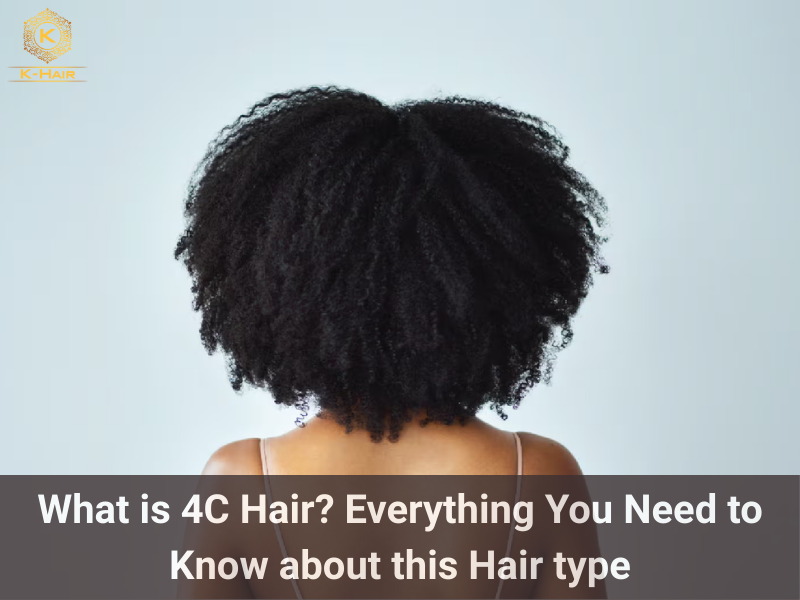
To embrace and elevate one’s natural hair beauty is also another representation of freedom of self-expression and nowadays, more and more men and women are finding their way to their roots by showing appreciation toward their own natural hair. Especially among African American hair lovers, their iconic and signature Afro-texture hair has also made its way back to public popularity – showcasing the community’s traditional and culturally-acclaimed image of beauty. This Afro-textured hair pattern that we often see today, most of them consisted of 4C hair.
Among the typical 1A-4C hair type classification, the numbers stand for the general texture description of the hair 1 is for straight, 2 is for wavy, 3 is for curly, and 4 is for coily, kinky hair; and the letters stand for how tightly positioned the patterns are. And based on that information alone, we can obviously infer that, between the existing types of hair out there, 4C hair would definitely be the most densely-packed, tightest kinky hair texture of all!
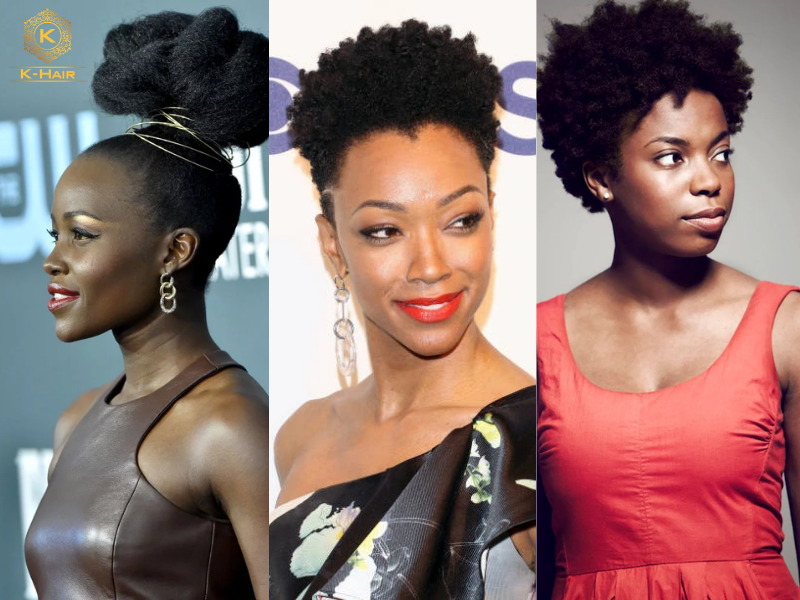
The iconic and fluffy 4C hair is not as rare as most might assume, considering the revival of natural, untouched Afro-textured hair that has been riding the popularity waves lately. In fact, in many occasions, such as in professional environments, formal events, or especially in public appearances, 4C hair has been able to sneak into familiarity, becoming more and more recognized, without us even noticing it. Some famous public figures who have been embracing and celebrating this special hair type might include: Lupita Nyong’O – the famous Oscar-winning actress, Sonequa Martin-Green – the icon of The Walking Dead series, or Sasheer Zamata – the acclaimed and talented comedian. So, if you ever feel like: “Hey, my hair looks just like theirs!” – there is a high chance the hair type that you have is also 4C hair.
2. What does 4C hair look or feel like?
Belonging to the kinky hair family, 4C hair has a lot of common traits shared among the three type 4 hair, such as shrinkage, volume and dryness. Hence, it is very much often mistaken for other types of kinky hair patterns, especially the 4C hair – one who has the most similarity in terms of appearance and quality with the 4C hair. However, considering its signature curl patterns and appearance, it is still accurate to say that 4C hair still has its own unique and exotic features – not to be taken lightly or be mistaken for any other hair types out there. Hence, to properly answer the question “What is 4C hair?” we have to go over its entire qualities – from its appearance and innate qualities to get the most comprehensive and thorough answer.
First, in terms of appearance, 4C hair type can have a completely distinct and unique hair appeal – presented as follow:
- Curl patterns: the interesting detail about 4C hair is that, once the strands are completely at its natural state, unstyled and untouched by any chemical, heat relaxer or other hair products, it is almost impossible to detect or identify the hair’s natural curl patterns – that’s how thick and dense they actually is! However, if you take a closer look into the smaller hair strands of the afro, you can actually see the Z-shape kinky pattern inside the volume, with extremely sharp angles and bends. Furthermore, unlike other kinky hair types – with slightly defined curls, the curl definition seen in 4C hair is almost nowhere to be seen – delivering the ultimate free-flowing texture and fluffy hair look out of the three kinky hair types.
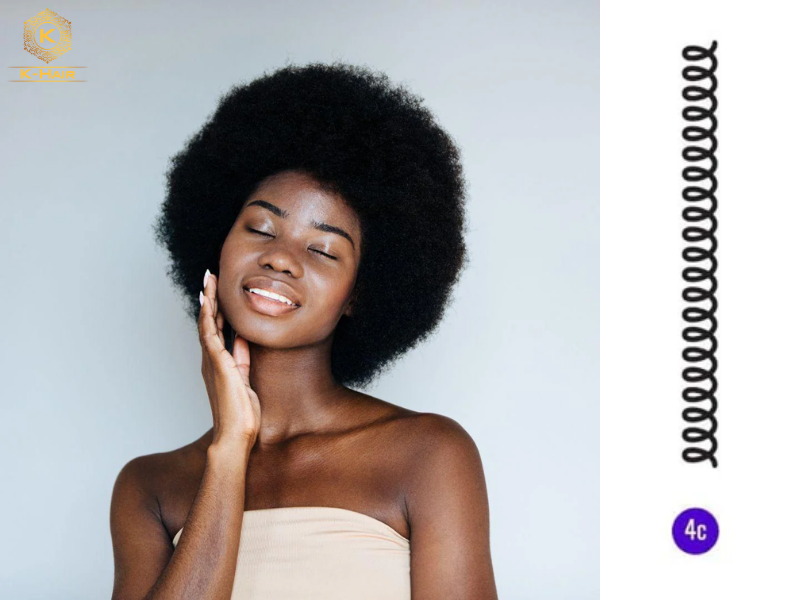
- Curl size: alongside its tight and dense curl positions, is an extremely small curl size. Indeed, compared to the crochet needle curl size of the 4A hair, or the pen spring size of the 4B hair, the curl size of 4C hair is even less than that – often smaller than a pen’s spring. That is why the hair pattern of this specific hair type is so hard to detect! Having such a small curl size can be both an advantage and a disadvantage – on the one hand, such tight and small curl can create the most voluminous and dramatic hair fullness of all; but on the other hand, having such a small curl size can also make it harder for maintenance and demand more effort into hair care and styling.
- Shrinkage: this trait is not exclusive, rather, it can be seen in all kinky hair types out there – remaining one of the iconic characteristics of this curly pattern. However, for 4C hair, the degree of shrinkage is the highest, and the most intense. In fact, upon first impression, the normal, natural length of the 4C hair is only 30-25% of its actual hair length when stretched out – which means that up to 75% of the strand’s total hair length is completely compacted – showcasing how tight and densely packed the kinks really are! Hence, despite its actual hair length, 4C hair tends to appear shorter and denser than most of the other hair types. And yes, shrinkage in kinky hair is among the signs showcasing the healthy state of the curls and their elasticity, however, for clients who prefer more visible length or want their stretched styles to last longer, additional styling cautions should be taken.
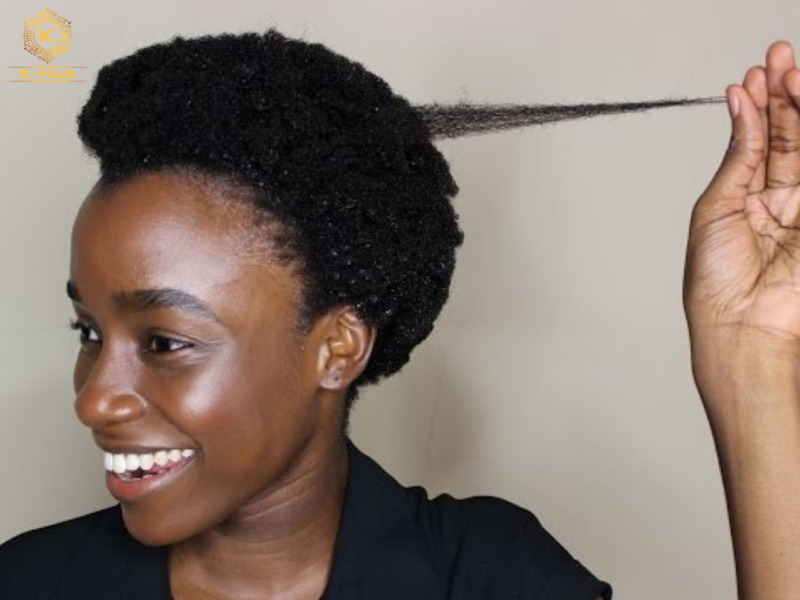
- Volume: one trait that all kinky hair types tend to share is their impressive and top-tier hair volume – resulting in the iconic Afro hair look seen across the globe. However, being the kinkiest hair type also means that 4C hair is undoubtedly the most voluminous pattern compared to all the other categories. Indeed, thanks to its compressed and tight curly texture, as well as its small, tiny and undetectable curls, 4C hair type tends to focus more on delivering width and fullness to the hair, rather than elongating the strands to achieve a sleeker look. Hence, when discussing “what is 4C hair” is volume is among the most noticeable traits, with typical appearance that resemble a cloud-like, cotton-like and puffy appeal.
In terms of innate qualities, some signature, innate signs that your hair might be 4C hair can include:
- Open cuticles: having kinky, Z-shape curls with sharp angles means that 4C hair will be the most likely to have high porosity compared to the softer curls seen in other type 4 hair categories. Indeed, along the hair strands, especially for the parts near, or on top of the curls’ edges, the cuticle scales are more likely to be raised and lifted → causing the hair to be more porous. Which means that, when come into contact with water or vapor, the hair strands and its open cuticles allow the particles to penetrate into the inner layer of the strands at ease. However, as easy as it takes for water to enter, it is also extremely quick for these substances to slip out – as the open cuticles are unable to secure the moisture inside → causing severe dehydration.
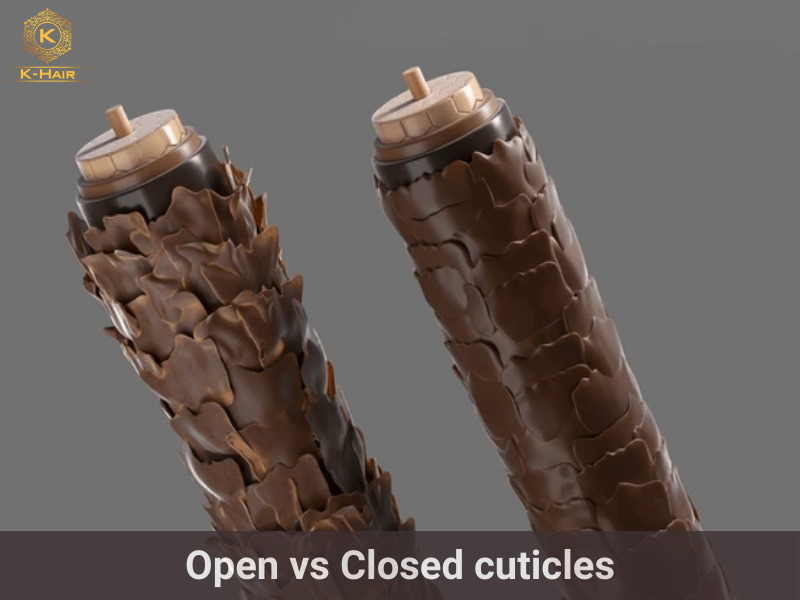
- Dryness: one direct consequence of having raised cuticles is its extreme proneness to dehydration. In fact, the raised cuticles often fail to secure the innate nutrients provided from the root, causing moisture being completely exposed to the surrounding environment and vaporized due to high heat. Furthermore, as previously mentioned, even when you supply external moisture and nutrients to the damaged and dry hair, there still is a high chance that the hair cannot trap these valuable nutrients inside the stands, instead letting them slip away due to open and lifted cuticles.
- Prone to hair frizz: raised cuticles is the number one culprit of hair frizz. Indeed, as different hair cuticles tend to be completely open and follow their own direction, the hair tends to become drier and more prone to tangling and shedding. Furthermore, as dry as it can get, 4C hair is extremely porous, or in other words: “thirsty for water”. Hence, when entering a humid climate, the hair strands will go out of their way to take in as much moisture as possible → causing the raised cuticles to swell even further, causing the current hair frizz to exacerbate.
- Possible tangles: on top of the raised cuticles, the signature of the 4C hair curls itself also make it hard to maintain a soft and manageable appeal. Indeed, the tight and densely packed hair kinks make it extremely hard for the natural hair oil to travel through the strands and provide the hair with moisture and lubrication needed to appear smoother and sleeker. This, combined with the raised, dried up and misaligned cuticles, makes the hair strands easier to get tangled up between each other, which can cause massive shedding if not managed carefully.
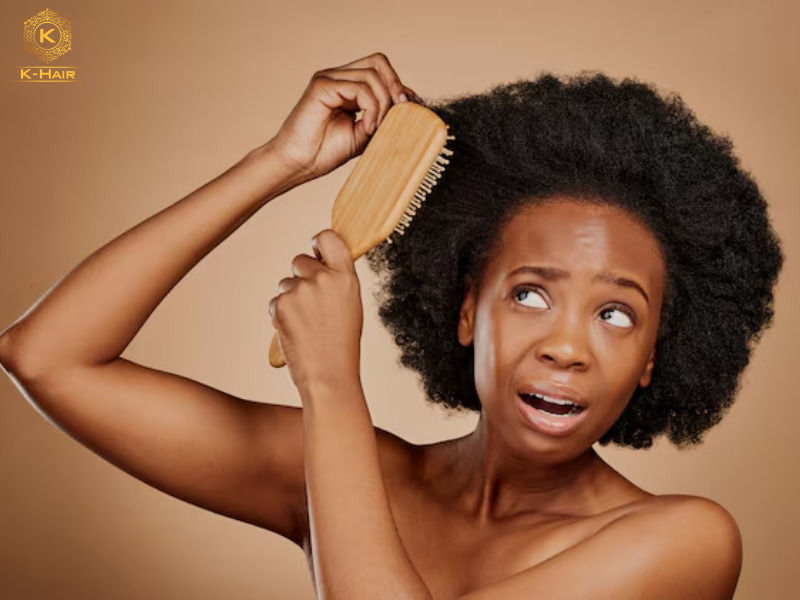
- Hard to maintain and style: maintaining 4C hair is no easy task either, especially considering the typical curl pattern of the hair type. Indeed, 4C hair is extremely hard to handle – considering its proneness to tangling alone, the hair type would demand gentle, delicate handling when you detangle it, as well as following a strict washing and conditioning regulation to maintain optimal hair health. Furthermore, as the coily texture can be quick to gather build-up, choosing the right products is also another step to take. When it comes to styling, the intense hair kinks are also a challenge for those who want to straighten or curl it – making 4C hair one of the hardest hair types to style of all!
Read More: What is 4a hair
3. How Does 4C Hair Differ From Other Hair Types?
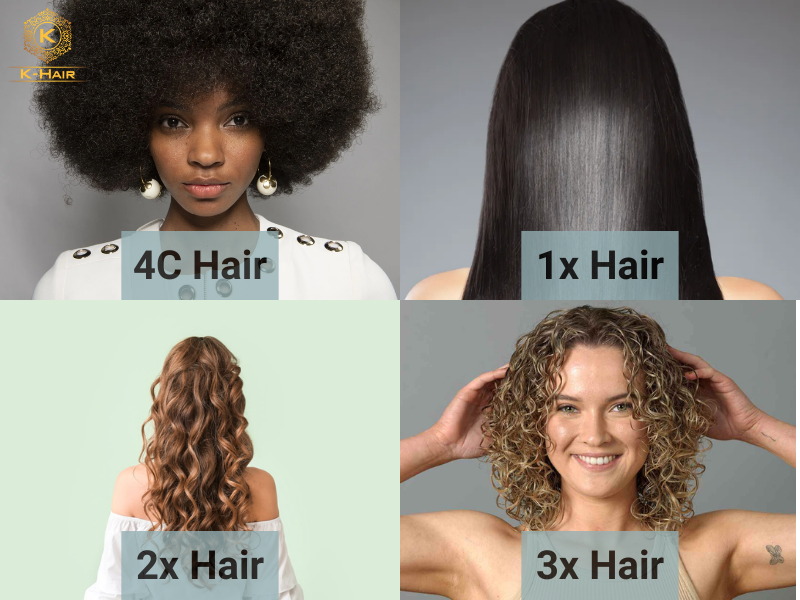
One thing for certain, identifying 4C hair and differentiating this specific curl category from the countless hair types out there is no doubt one of the most challenging steps in the entire journey of learning “What is 4C hair?” Nonetheless, it remains an essential starting point for anyone wanting to properly understand their natural texture and select suitable maintenance or styling routines that best align with their hair’s unique needs. And to begin this distinguishing process, it is always easier to start by comparing 4C hair with the broader, more familiar curl families such as 3x, 2x, and 1x hair types:
| 4C Hair | 3x, 2x, and 1x Hair Types | |
| Patterns | The kinky hair pattern of 4C hair is distinct by its extremely tight and non-definition curls:
|
Unlike the typical kinky hair types, 1x, 2x and 3x hair often come short in terms of tightness:
|
| Porosity & Moisture | One inherent trait of having such a tight texture is that the hair would be extremely porous:
|
Being less kinky and tightly packed also means that these hair textures tend to be less porous than 4C hair:
|
| Shrinkage | This is a similar trait seen in most kinky hair, and for the densest 4C hair, the hair strands tend to shrink the most:
→ As much as 75% or more of the original hair length is compacted into tight, zig-zag curls. |
The kinkier it can gets, the more shrinkage the hair has, and for 1x, 2x and 3x hair, shrinkage only appear in a moderate degree:
|
| Volume | One of the signature feature of 4C hair over the 1x, 2x and 3x hair is its impressive volume:
→ Creating the iconic, thick and voluminous Afro-textured hair style. |
These hair types tend to focus more on length and flow rather than volume:
|
After learning the ropes on how 4C hair differs from the more familiar 1x, 2x, and 3x textures, the next stage of understanding “what is 4C hair” becomes a little more challenging: distinguishing it from the two other members of its own kinky hair family: 4B and 4A hair.
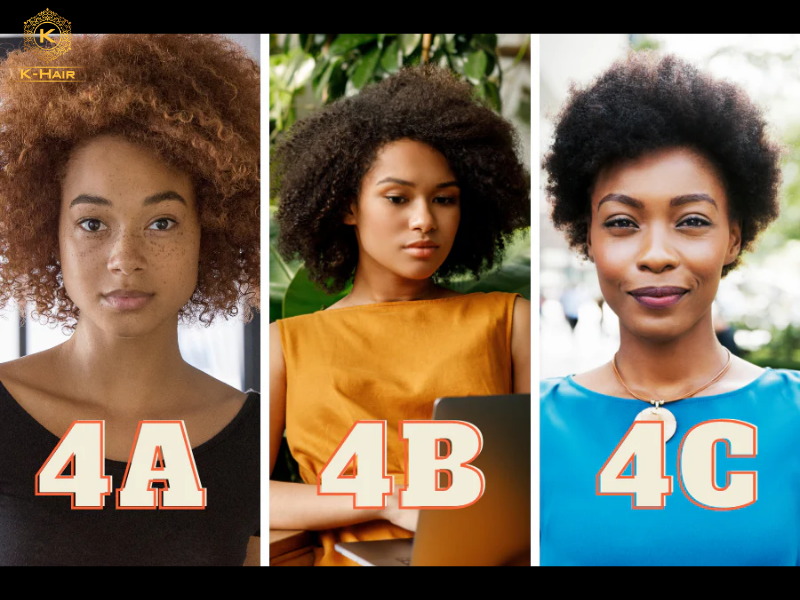
Although these three categories all fall under the same kinky, coily category and naturally share several overlapping traits, a closer, more attentive look will reveal that each hair type still carries its own unique identity, its own curl formation, and its own maintenance requirements. Below is a clearer breakdown to help you differentiate these closely related, yet completely distinct kinky hair patterns:
| 4A Hair | 4B Hair | 4C Hair | |
| Curl Pattern | When it comes to curl pattern, 4A hair is the loosest among the three hair types:
→ Blending both the softness of the 3x hair types + the kinky texture of the 4x hair types |
4B hair sits right in the middle range when it comes to curl tightness:
→ Smaller, sharper edges than the 4A type |
4C hair represents the kinkiest texture of all – the ultimate Afro-textured hair patterns:
|
| Curl Definition | Among the kinky hair lines, 4A hair has the most curl definition:
→ Sowing a clear and consistent curly pattern from head to toe |
4B hair loses lost of the curl definition seen in 4A hair:
|
4C is the ultimate definition of non-definition kinky hair:
→ Creating a cloud-like, airy and soft hair look with rarely any visible curls in sight |
| Moisture Retention | Among the kinky hair types, 4A hair is the least prone to dehydration, due to its having wider and looser curls than the rest.
→ Having less open cuticles and is better at retaining moisture inside of its strands. |
4B hair sits in the middle range when it comes to moisture retention:
|
4C hair is the most prone to dryness off all hair types out there:
→ The least able hair types in terms of moisture retention |
| Shrinkage | Shrinkage is noticeable but moderate, typically around 40-50% of its actual stretched length. | Shrinkage becomes more dramatic, ranging from 60-75%, due to tighter curl formation. | 4C hair experiences the most extreme shrinkage, often 75% or more. |
| Fragility | Compared to other kinky hair types, 4A hair is slightly more durable than the other:
→ Less demanding in terms of maintenance and can go longer without extensive care |
Much like all the other aspects, 4B hair also stand in the middle range when it comes to fragility:
→ More demanding in hair maintenance |
The most fragile hair types of all
→ Extra demanding in maintenance and less forgiving for maintenance mistakes |
See More Article: wavy hair vs curly hair
4. How to Care for Type 4C Hair?
Learning “what is 4C hair” is just the first step, as it helps you to identify the type of hair you have, and whether your hair falls into the same category as a typical 4C hair type or not. However, the main goal of identifying your hair should not stop at just to understand your hair features, rather, it should boil down to learning how to maintain your hair and what to do to bring out its natural beauty.
4C hair – being the most fragile and hard to control hair type of all, would also demand the most extensive and thorough maintenance and hair care compared to other kinky hair types. Hence, if you have these specific hair patterns, you would have to pay more attention and make consistent effort in its maintenance. However, once the hair is well-tended for, the hair would be glowing with beauty – creating that iconic Afro-textured hair look desired by many hair lovers out there.
4.1. Moisture is the Key
One notable trait of 4C hair is that, due to its lifted cuticle scales, the particular hair type is extremely fragile and much more prone to dehydration and dryness. If not well-treated or cared for, the hair can most likely become easily-tangled, causing massive shedding and breakage. Hence, for such a dry and porous hair, the main priority in hair maintenance should be placed on providing moisture and nutrients to fill in the cuticle gaps and push back dryness:
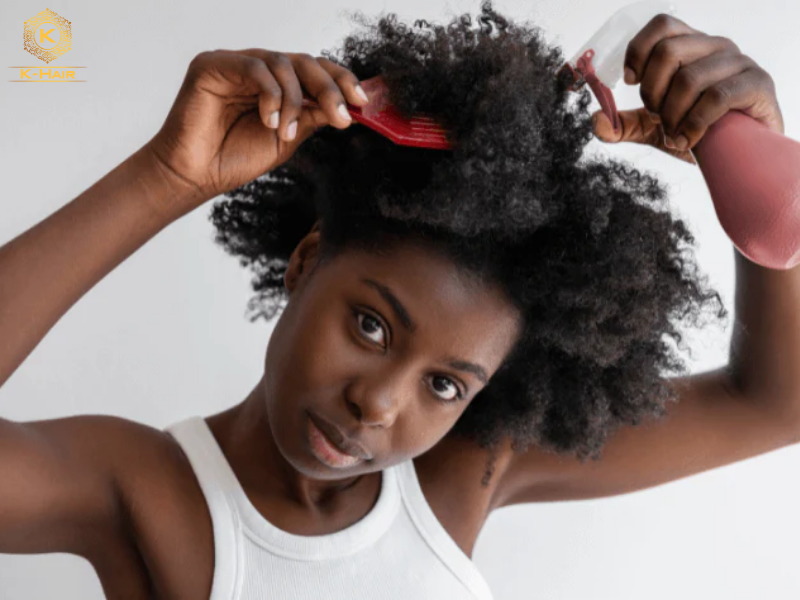
- One of the most effective and commonly used deep moisturizing methods for people with natural 4C hair is the LOC or LCO method. With this routine, you will usually start by applying a liquid or a leave-in conditioner (L) to prep the hair for the deep moisture that comes after. Then, you follow up with a heavier hair oil (O) to trap and seal all the moisture and nutrients inside the strands, and finally finish off with a cream (C) to add softness back into the dry, tight, and often coarse 4C curls. This method can provide the fragile, dried up and porous hair not only with deep and moisturizing nutrients, but also help closing the gaps between cuticles, better securing the valuable nutrients inside of the hair strands.
- Along with these steps, hair lovers should also take one extra measure to truly care for their hair, which is adding deep conditioning into the routine. Using a hydrating hair mask or a thick, protein-rich conditioner could also reduce the recovery time for the lifted and damaged cuticle layers, as well as providing nutrients and work to enhance hair quality from the very core. However, due to the natural open cuticles, these nutrients can be quick to get washed away. For such cases, combining this step with a gentle amount of heat (steam or a warm towel works well), can work wonders and help open the cuticles just enough so the moisture can actually sink deeper into the hair.
- Daily moisturizing is just as important. From time to time, you should refresh your hair with a water-based hydration mist or a light daily cream to make sure your strands actually receive the level of moisture they need, especially for anyone living in sunny, hot, or dry climates, where natural 4C hair can lose hydration much faster.
4.2. Gentle handling
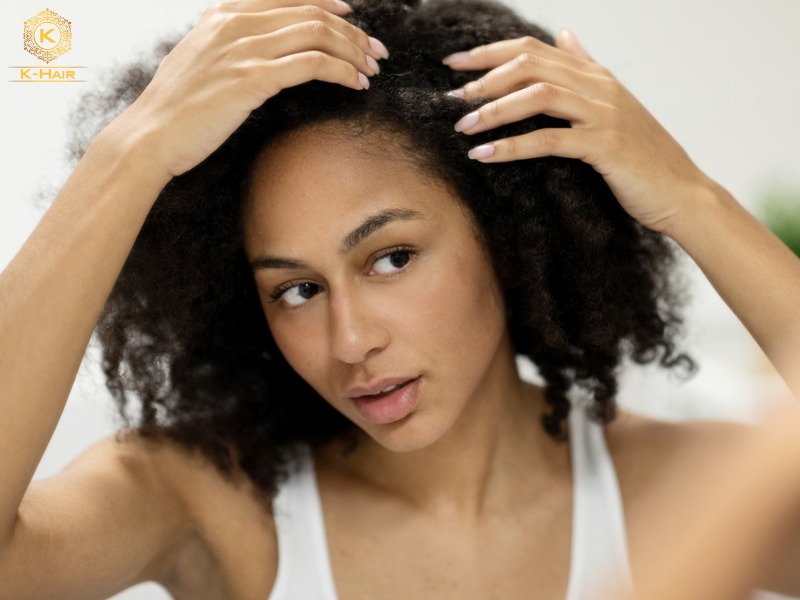
Dry and fragile as it is, 4C hair can be extremely vulnerable, especially if you use sheer, strong force to detangle or brush it – making it less forgiving for maintenance mistakes. Hence, gentle and delicate handling is required at all times, in order to not deal any more damage to the fragile hair strands. However, as detangling is still a crucial part of its maintenance, there are still some ways to brush out the tangled hair, without causing too much tension and breaking the hair:
- When it comes to detangling, the best time to do it is always when your hair is wet and fully coated in conditioner. At this stage, the strands are softened, saturated with water, and covered in enough slippage from the conditioner to help the curls be separated and combed apart more easily. This extra lubrication makes it much easier to manage your tangles without causing breakage, shedding, or unnecessary clumping, which is especially important for 4C hair, since its tight curl pattern can wrap around itself and get messy very quickly.
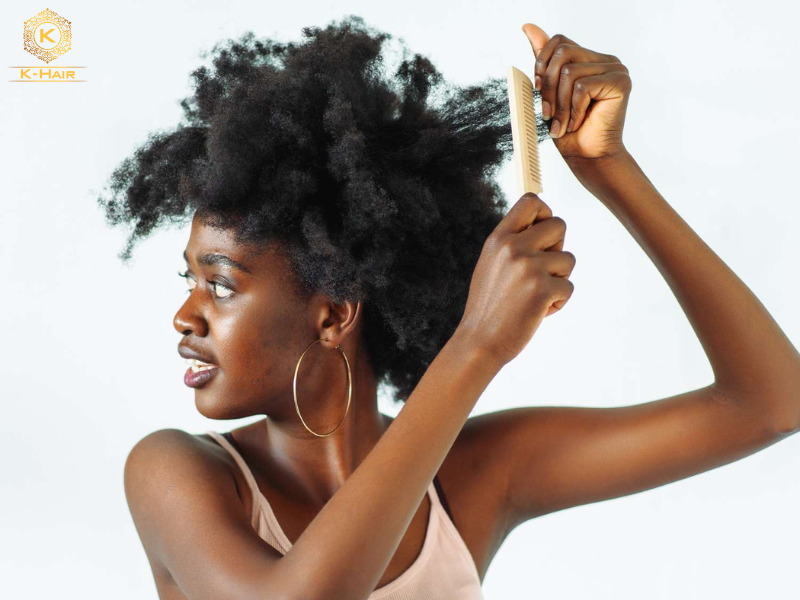
- Besides that, the tool you use for detangling also matters a lot. Instead of reaching for a harsh or fine-tooth comb, which can rip through the curls and create even more hair knots, it is much better to rely on your fingers or a wide-tooth comb. Finger-detangling lets you feel exactly where the knots are and separate them slowly, while a wide-tooth comb gives enough space for the curls to pass through without being dragged or forced apart. For 4C hair, which is naturally dense, tightly coiled, and prone to knots, these gentler tools work far better at keeping the hair smooth and manageable, while still protecting the strands from unnecessary damage.
4.3. Washing habits
When it comes to understanding what is 4C hair, and how to maintain it, one of the most overlooked yet the most important parts is your washing habit. A lot of people with natural kinky hair tend to skip or rush this step simply because washing takes time and can be inconvenient, but if this step is done incorrectly, it can easily lead to breakage, dryness, and overall damage:
- First things first, overwashing your 4C hair is something you should avoid at all costs. Washing too frequently can strip the hair of its natural oils, which are already difficult to travel down such tight curls. This not only leaves the strands more dehydrated but can also cause irritation, excessive shedding, and that brittle, coarse feeling when your fingers slide down the strands. To prevent this, it’s best to tone down your washing frequency. For most 4C hair lovers, washing 1-2 times a week is more than enough, just enough to remove buildup and refresh the scalp without disrupting your natural moisture levels.
- Choosing the right washing products is also just as important, and unlike what many people might think, not all shampoos and hair cleansers are equally suitable for your kinky 4C texture. For the fragile, tightly coiled 4C hair, sulfate shampoos and conditioners should be avoided as much as possible, since they can easily dry out the strands even further and leave the curls feeling coarser and duller than before. On top of that, because moisture is the absolute top priority for 4C hair, you can also switch things up by incorporating co-washing – using a cleansing conditioner instead of traditional shampoo. This method can help clean the heavy product residue off the hair while still keeping it soft, hydrated, and manageable, making it a great option, especially on non-wash days when your hair just needs a quick refresh.

- Once you’re done washing and conditioning, it is time for the final step: a cold-water rinse. This helps close the raised cuticles back down, so all the moisture and nutrients you’ve added during conditioning stay inside the strands. This simple step can make a big difference in how smooth, soft, and hydrated your curls feel afterward, especially for 4C hair that needs all the moisture retention it can get.
4.4. Styling tips
For many people with natural 4C hair, styling can feel a bit challenging at times because the strands are fragile, tightly coiled, and prone to dryness, but it’s definitely not impossible. If you still prefer to heat-style your hair every now and then, the first step should always be applying a heat protectant spray, as it can help to reduce the damage that usually comes with using hot tools on such dry and coarse hair.
That being said, relying on heat too often is never ideal. As 4C hair tends to be coarse with densely packed curls, more effort and higher heat are often required to deliver the wanted effect. Hence, this repeated exposure to high heat can slowly break down the hair’s structure, lift the cuticles even more, and leave the strands feeling dry, brittle, and lifeless over time. For that reason, it’s much better to stick to non-damaging, heat-free styles whenever possible, such as twist-outs, Bantu knots, braid-outs, and other no-heat methods that can give you definition without sacrificing your hair’s health. One protective style that works especially well for 4C hair is braids. Braiding helps trap in natural oils and moisture, reduces daily manipulation, and gives the hair a chance to rest and strengthen – a simple, yet perfect option that secures both appearance and protection to your vulnerable hair.
4.5. Night-time care
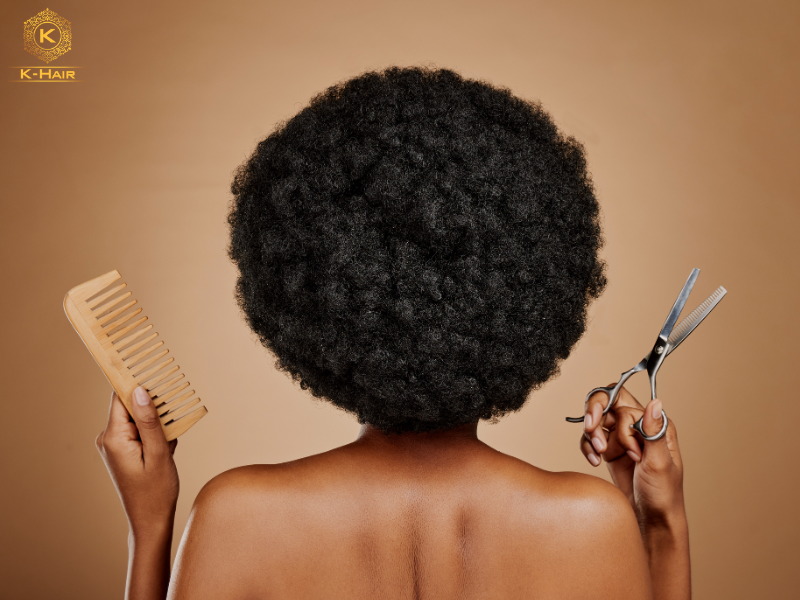
Night-time caring for your hair might sound simple, but it can have a lot to do with how your hair turns out in the morning, and it is also the step most often ignored. In fact, your bedding materials matter more than you assume – common materials like cotton are actually quite rough on the strands and create a lot of friction while you sleep, which is exactly why you wake up with frizz, dryness, and tangled, messed up hair. To avoid all that, it’s much better to switch to smoother, friction-free fabrics like satin or silk for your bedding and pillowcases. These materials help your hair glide instead of snag, keeping your strands moisturized, protected, as well as providing both a better quality sleep and an unbudged, smooth hair look by the time you wake up.
5. The Best Hairstyles and Cuts for 4C Hair
Now that you have gone through all this provided information about what is 4C hair, you must now be able to identify your hair and decide if your hair falls to the 4C category or not. Every type of hair is beautiful in its own way, and 4C hair is no difference – with the right hair style and styling method, you can actually bring out the inner beauty of this tight and voluminous hair type, as well as be more confident and cherish your own natural beauty and this God-given gift:
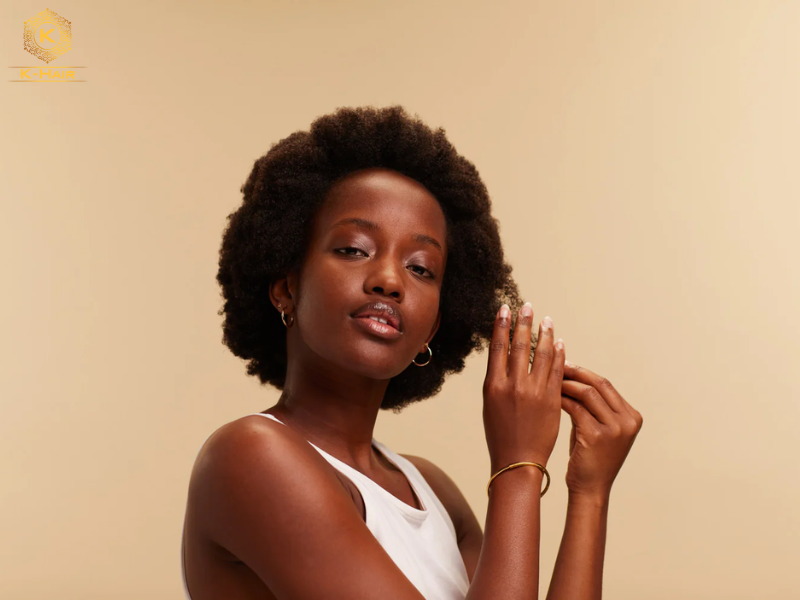
5.1. Twist-out
A twist-out is easily one of the most popular styling options for 4C hair, mainly because it gives the hair more shape, stretch, and definition, something 4C strands don’t naturally show much of due to how compact and tightly coiled they are. When done right, a twist-out helps create a more even, defined look while still keeping the natural fullness and softness of your original kinky 4C texture.
To get the style, you should start on freshly washed, properly moisturized, and fully detangled hair. Apply a creamy leave-in first, then follow up with a styling butter or gel to help the twists stay in place. Divide the hair into small or medium sections and twist each piece tightly from roots to ends. Let everything dry completely, preferably overnight, so the pattern can set better and become more long-lasting during the hair use. Once you take the twists down, your hair will look more elongated, more defined, and beautifully textured overall. Another bonus is that twist-outs also help reduce tangles and knots, making the style both cute and practical.
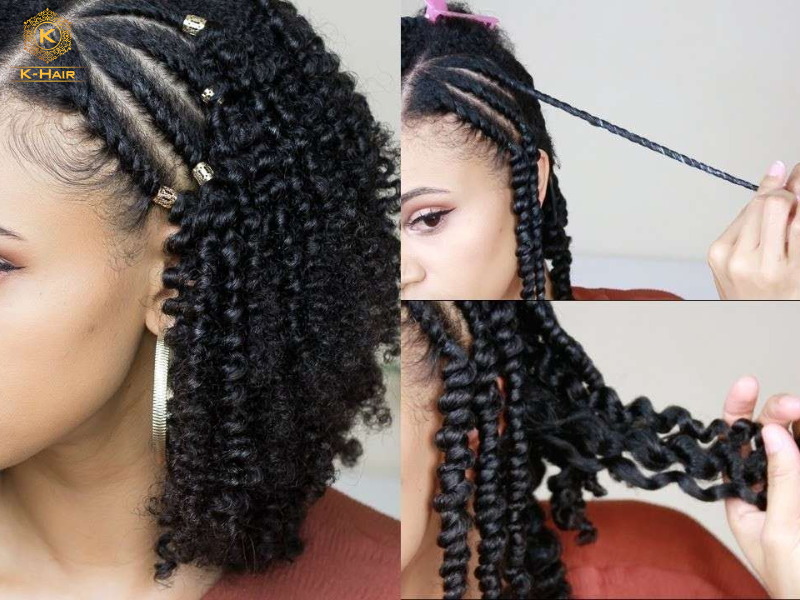
5.2. Bantu Knots
Bantu knots are a non-damaging classic, culturally rich hairstyle, especially among the African American community, and they work especially well on 4C hair thanks to how dense and structured the strands naturally are. They keep your hair neatly tucked away while also delivering the desirable final look while still being a heatless curling method – once you take them down, the curls are springy, shiny, and full of shape. To do the knots, start with clean and moisturized hair, then part it into even sections. Apply a twisting cream or gel, wrap each section around itself, and coil it down tightly into a small knot. Secure it at the base and repeat the same routine over the whole head. Bantu knots are great for protection since they minimize friction and daily manipulation, giving your hair a much-needed break to recover. And even if you take them down later, the result is a set of bouncy, spiral curls with lots of movement, without adding further heat damage to the hair to achieve it.
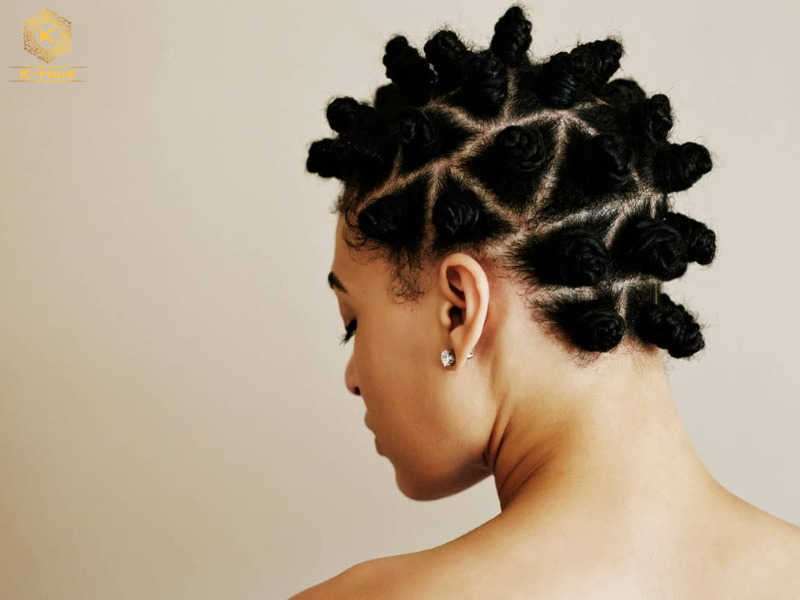
5.3. Afro Puffs
The afro puff is one of the boldest and most expressive styles for 4C hair, mostly because it allows your natural texture to shine without needing much extra effort or high styling heat. With the tight, coily pattern of 4C hair, the puff naturally forms into an iconic full, rounded Afro shape that can be worn high, mid, or low based on what you prefer – simple but still stunning. To create a puff, start by moisturizing your hair and stretching it lightly with your hands or a pick. Use a gentle-hold gel or cream to smooth the front and sides, then gather the hair with a soft band or a scarf and secure it. What you’ll get is a fluffy, cloud-like Afro hair puff that really brings out the density and volume of 4C hair, as well as celebrating and making full use of the natural, voluminous texture of this particular hair type. This style is perfect for everyday wear and very easy to accessorize with cuffs, colorful ties, or headbands, allowing more space for versatility and self-expression.
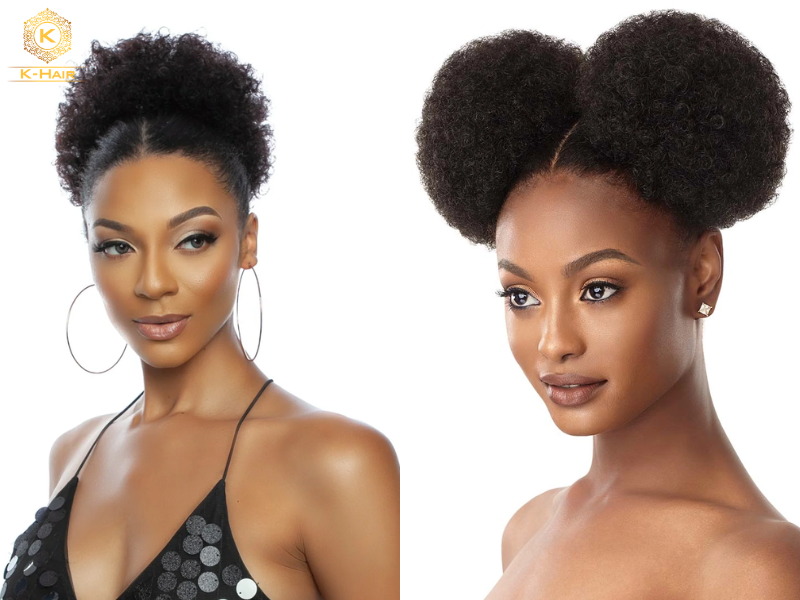
5.4. Box Braids
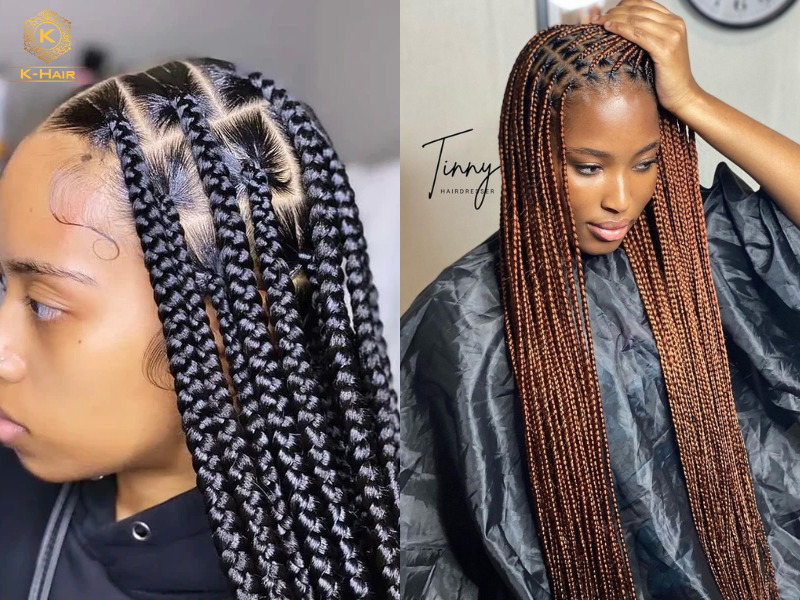
Box braids are a highly reliable protective style for 4C hair, helping retain moisture, limit breakage, and cut down on daily styling and maintenance needed for this demanding hair type. And because 4C strands are the most delicate among all kinky textures, a neat and tucked-away style like this can make a huge difference, especially as a protective style for the hair’s health. To create the look, the hair is parted into small, square-shaped sections, or the “boxes” and each part is braided tightly from root to ends – most preferably done by a professional.
You can either braid with your natural hair only or add hair extensions for more length and fullness – an option widely-used for most people across the globe. And since 4C hair and its tight, dense texture tend to grip extensions very well, box braids tend to come out neat, full, and long-lasting. Before braiding, it’s important to load your hair with moisture, maybe a leave-in conditioner followed by an oil to seal everything in, so your strands stay hydrated throughout the weeks you keep the style in. Box braids can last for quite a long time and can be styled in endless ways: long classic braids, jumbo versions, boho variations, braided buns, ponytails, and so on.
6. Conclusion
With the information provided in this article, K-Hair hope that we have managed to assist young women in the hair industry with the overall information, tips, and most importantly, what is 4c hair. Navigating through the complex hair industry requires long-term commitment and support from trustworthy partners, we proudly present ourselves not only as a trusted hair expert, but also a supportive friend who will always have your back in this somewhat overwhelming market.
Wanting to get some extension to add more lengths or highlights to your natural hair? Contact us through the following link:
- Address: 10A, 171 Nguyen Ngoc Vu, Yen Hoa, Hanoi, Vietnam
- Phone: +8492 633 2545 (WhatsApp)
- Email: [email protected]
- Facebook: https://www.facebook.com/KHairFactoryVN/
- Youtube: https://www.youtube.com/c/KHAIRFACTORYBESTVIETNAMHAIR
- Whatsapp: +8492 633 2545