South American women are global icons of energy and charisma. Naturally, this vibrant personality is reflected in their hair – renowned for being as strong, dynamic, and lively as the women themselves.
As unfounded as such a belief, this assumption however, has led to a huge surge toward South American hair, especially for Peruvian Hair vs Brazilian Hair – the two most popular hair lines out there.
Hair salons and business owners usually struggle to determine which source is superior when comparing these two origins. To simplify your decision, we provide a comprehensive guide on Peruvian Hair vs Brazilian Hair, helping you answer that challenging question with confidence.
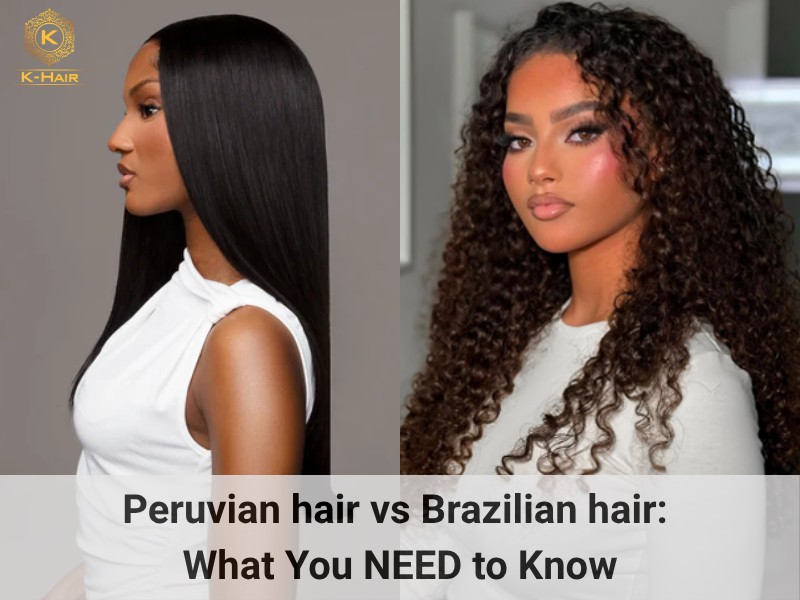
1. Peruvian hair vs Brazilian Hair – What are they?
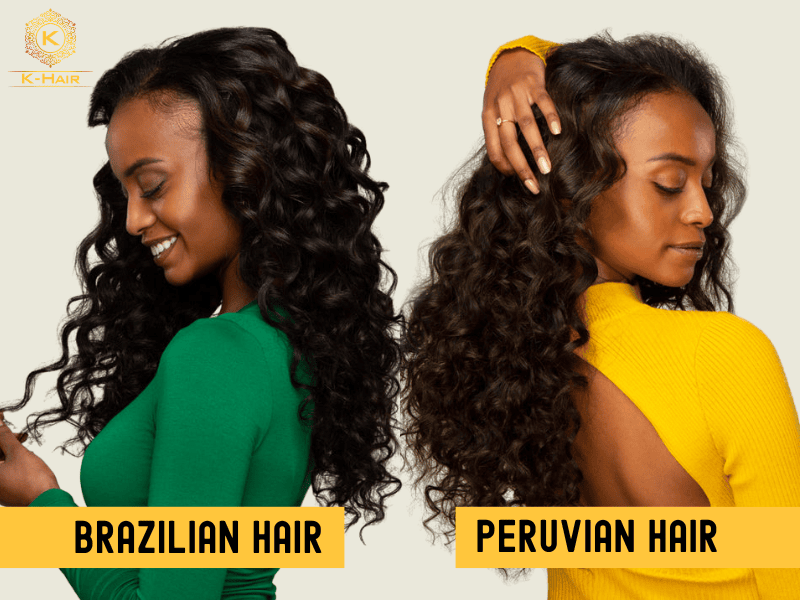
Peruvian Hair is hair collected directly from Peruvian women, or at least processed to mimic the textures, appeal of natural Peruvian women’s hair. Shaped by Peru’s diverse climate, this hair is incredibly versatile and low-maintenance. It’s known for its feather-light feel and exceptionally soft cuticle layer but still thick enough to provide a natural look.
In contrast, Brazilian Hair, which is either sourced directly from donors or processed from mixed origins to replicate its natural traits, is the ultimate icon of volume and density. Not only is it among the thickest textures available, but it is also exceptionally strong, allowing it to withstand heavy bleaching and frequent heat styling while maintaining its health.
2. The similarities between Peruvian hair vs Brazilian hair
The Peruvian hair vs Brazilian hair debate remains a hot topic in the hair community. With both being such popular options, buyers often struggle to distinguish between them. To choose wisely, it is essential to first understand their similarities for a complete perspective on these premium hair lines:
- Mixed hair qualities: Despite what many might assume, many Peruvian hair vs Brazilian hair products in the market are mostly initially sourced from external hair suppliers, rather than collected within its own local communities.
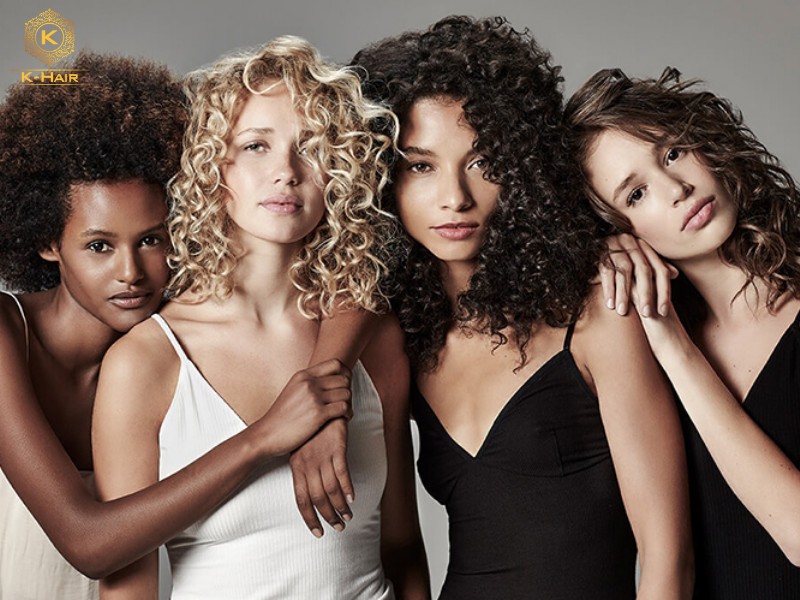
- Diverse natural textures: Driven by a rich genetic blend of European, Latin, and African lineages, Peruvian and Brazilian hair offer an expansive spectrum of textures, such as straight, curly, kinky,…
- Durability: If taken good care of, these hair types preserve their original health and offer exceptional longevity, and even withstand repetitive styling and chemical processing without sustaining serious damage.
- Natural appearance: With their natural appearance, Peruvian and Brazilian hair blend seamlessly with almost all hair textures and colors. This allows wearers to achieve their desired look while effortlessly elevating their inherent beauty.
- Strong market demand: Peruvian hair vs Brazilian hair aren’t just competitors, they are the undisputed titans of the Latin American export market. By consistently outshining global rivals, these two origins have become the gold standard for distributors worldwide.
3. Difference between Peruvian hair vs Brazilian hair
Even seasoned buyers often stumble over the subtle distinctions between Peruvian and Brazilian hair. This unfortunate understanding has led to many cases of overstocking the wrong hair items, or budget imbalance and non-moving inventories that fail to be marketized.
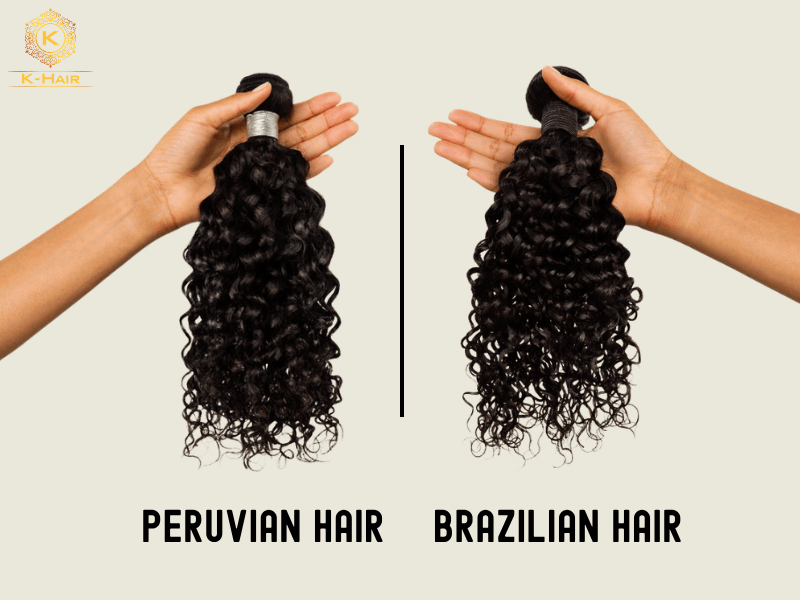
To avoid such mistake, hair buyers should be better-informed of the difference between Peruvian hair vs Brazilian hair:
| Peruvian hair | Brazilian hair | |
| Appearance |
|
|
| Density |
|
|
| Climate adaptability |
|
|
| Styling range |
|
|
| Suitable for? |
|
|
4. Peruvian hair vs Brazilian hair – Which one is better?
Choosing between Peruvian hair vs Brazilian hair requires a strategic look at your specific preferences and your target audience’s needs.
4.1. From individual’s preferences angle
Both Peruvian hair and Brazilian hair represent the premium segment of the market. Peruvian hair is the premier choice for those seeking natural beauty and low-maintenance solutions. In contrast, Brazilian hair holds the edge for customers who prioritize thickness, natural volume, and the ability to maintain curls for extended periods.
4.2. From profit value angle
In reality, Peruvian hair is usually more expensive than Brazilian hair due to its scarcity and superior quality. However, when running a business, you should look beyond the surface price and compare the profit margins behind each type.
For example:
- Suppose a Brazilian hair bundle costs $60 wholesale and retails (or is used in a service) for $140 – yielding an $80 profit.
- A Peruvian bundle may cost $70 wholesale, but thanks to its ‘super lightweight’ value, you can incorporate it into a premium service and set a higher price point of around $175. In this scenario, the profit jumps to $105, which is significantly higher than that of Brazilian hair.
In short, even if the wholesale price is slightly higher, Peruvian hair can offer a higher ROI (Return on Investment) for salons targeting the high-end luxury market, or for satisfying V.I.P. clients who desire extra-long extensions without the worry of scalp tension or discomfort.
4.3. From styling & technical angle
While both types can be styled and bleached, Peruvian hair offers slightly less flexibility. Its cuticle layer is more delicate, meaning excessive heat styling or chemical processing can be more damaging.
Brazilian hair, on the other hand, is significantly more resilient. The strands are stronger, allowing them to hold curls or waves longer and withstand heavy bleaching or coloring while maintaining their signature shine and density.
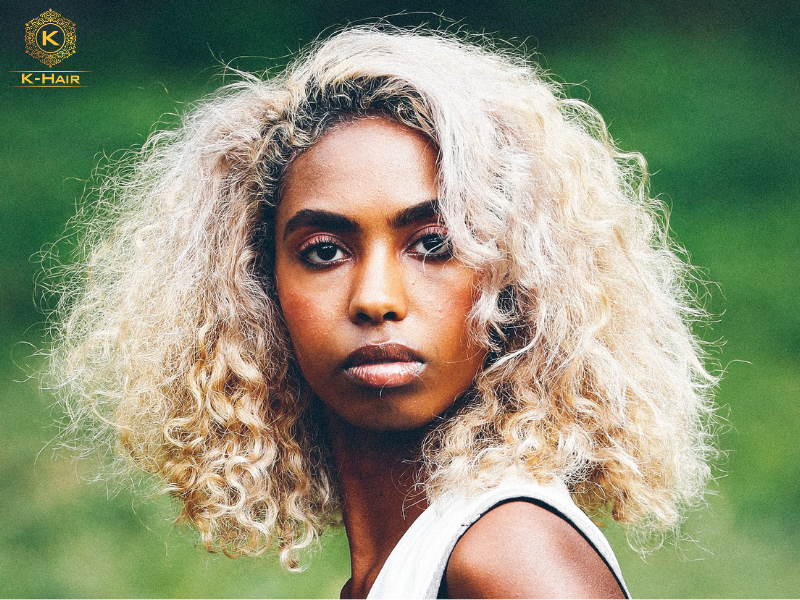
Expert Tip: Estimated bleaching times Peruvian hair vs Brazilian hair:
- Peruvian Hair: 30–45 minutes (Requires careful monitoring to preserve the fine cuticle).
- Brazilian Hair: 45–60 minutes (Highly resilient, allowing for more intensive lifting).
So, if you’re running a hair salon, and your customers don’t care about the price or the source, but prioritize strength and the ability to withstand aggressive bleaching without damage or brittleness, use Brazilian hair. It ensures your clients leave with vibrant, healthy results, and keep coming back for more.
4.4. From target market angle
If your brand aligns with European beauty standards, which focus on elegance and an effortless look, Peruvian hair is often the top choice. Its unique, feather-light feel creates a level of wearer-loyalty that is hard to break, once a client experiences that signature weightlessness, no other texture will suffice.
However, for businesses eyeing global expansion, particularly within the US and African markets, Brazilian hair is the ideal match. In regions where high-volume and sleek textures are non-negotiable, the dominance of Brazilian hair is absolute. You will never have to worry about inventory risks or stagnant sales, as this hair type is incredibly easy to sell due to its massive market demand and stable, abundant supply.
5. The biggest competitors of Peruvian hair and Brazilian hair – Vietnamese hair
When a proportion of hair buyers are still stuck with the decision of Peruvian hair vs Brazilian hair, many others have started turning to other sources, namely Vietnamese hair. This is due to its outstanding and competitive advantages over its rivals, including:
| Criticals | Vietnamese hair | Peruvian hair | Brazilian hair |
| Hair quality | Softness, silky texture with thick strands and a healthy, deep black tone | Softer texture, offering a lightweight feel while maintaining good density. | Dense, natural shine, heavy-weight appeal |
| Styling & Chemical Processing | Can be dyed, bleached, and styled without losing its softness or shine | Sensitive to over-processing due to its finer cuticle layer. | Highly resistant to heat and chemicals, holds curls and waves exceptionally well. |
| Hair origin | Authentic & Direct
Sourced from northern ethnic minorities with long-hair traditions. Full control over untreated sourcing. |
Mixed-Source
Often collected from various sources or processed to mimic Peruvian hair vs Brazilian hair texture due to local chemical use. |
|
| Price | Factory-Direct
Highly competitive prices by eliminating middlemen and maintaining a hands-on production system. |
Premium/High
Often higher due to scarcity and the “luxury/niche” positioning in the market. |
Mid-to-High
Price varies based on grades, but generally stable due to large-scale commercial supply. |
| Customization | Direct factory access allows for tailored orders, specific textures, and reference-based production. | Mostly restricted to standard textures available from large-scale suppliers. | High availability of common styles, but less flexibility for boutique-level custom orders. |
Considering switching to Vietnamese hair for a change!>>Want to know more about Vietnamese hair? Check out this video for the most SHOCKING truths:
SHOCKING TRUTH-Hair extensions knowledge
6. FAQs about Peruvian Hair vs Brazilian Hair
Here are some questions people usually ask when comparing Peruvian hair to Brazilian hair:
6.1. Peruvian hair vs Brazilian hair, which hair type is more expensive?
Typically, Peruvian hair has a higher wholesale price than Brazilian hair. Despite the higher cost, Peruvian hair allows you to set “Premium” service prices, elevating your salon’s brand and attracting a clientele willing to pay for something different.
6.2. Can I bleach and dye both hair types to 613 Blonde?
Absolutely YES, provided you are sourcing genuine Virgin Hair. However, the results will differ slightly: Brazilian Hair has strong, healthy strands that withstand harsh chemicals better, and usually takes color 613 very shiny and smooth. Peruvian Hair, due to its slightly coarser structure, requires more careful supervision by a skilled stylist when bleaching to level 10 to avoid drying out the hair.
6.3. Which hair type has a higher resale value?
The answer is Peruvian hair. Customers who use Peruvian hair are usually discerning individuals who seek a natural look and a lightweight feel. Additionally, because the market supply is not as mass-produced as Brazilian hair, you can better control the selling price without engaging in price wars with competitors, which optimize profit per unit.
6.4. Peruvian hair vs Brazilian hair, which should a new salon start with?
For a newly opened salon, Brazilian hair is a must-have choice for the following reasons:
- Market demand: Accounts for 70-80% of new customer preferences.
- Cash flow: Lower initial investment, faster cash flow, easy to sell to all customer segments.
- Styling: Easy to style, durable, helps new stylists avoid mistakes during treatment.
You can start with 80% Brazilian hair to maintain revenue and 20% Peruvian hair as an upsell option for customers seeking higher-level sophistication.
7. Conclusion
Choosing between Peruvian hair vs Brazilian hair isn’t about finding a universal winner, it’s about strategic alignment with your brand’s identity. Whether you prioritize the airy, effortless prestige of Peruvian strands or the resilient, high-volume dominance of Brazilian textures, your choice dictates your market position. In the luxury hair industry, knowledge is your most valuable currency.
However, for hair buyers unable to decide between Peruvian hair vs Brazilian hair, or are looking for an alternative for such mixed hair quality, Vietnamese hair poses as the perfect candidate.
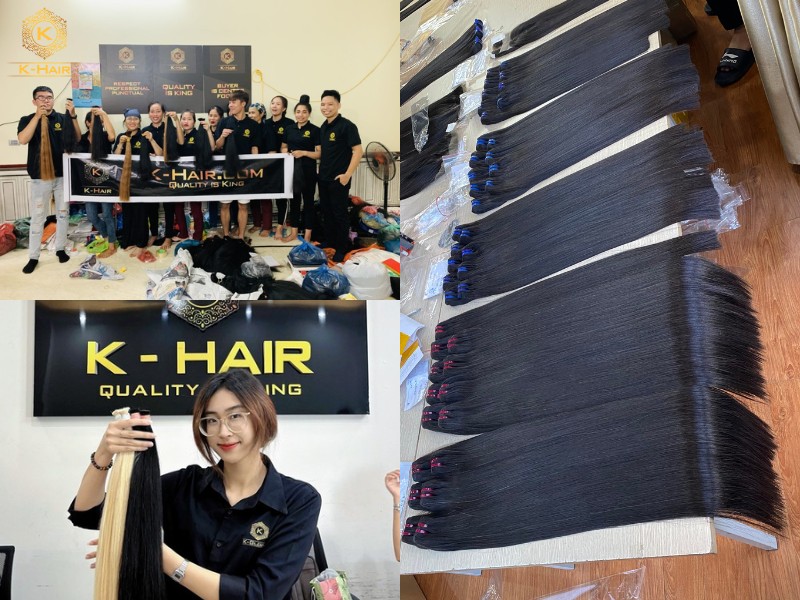
With over 30 years of manufacturing expertise, K-Hair Factory stands as the leader among Vietnamese wholesale hair vendors worldwide, providing 100% human hair directly from our factory. If you’re ready to take the next step, don’t hesitate to explore K-Hair’s collections to meet all your business needs.