For hair entrepreneurs looking to scale a service menu and lift ROI per chair, the market for hair extensions in Sydney is one of the most lucrative corners of Australian professional beauty right now. Whether you’re running a boutique studio or a multi-chair enterprise, the ability to source premium hair extensions Sydney clients actively search for and trust dictates your margins, your retention, and your reputation. This B2B guide covers everything from finding reliable trade suppliers and calculating real profit margins, to a definitive ranking of the best Australian wholesale vendors worth your first inquiry.
The Business of Hair Extensions Sydney Australia: Why Sourcing Matters
Demand for premium hair extensions in Sydney’s professional beauty scene has climbed steadily as clients push past drugstore clip-ins and request salon-grade length, volume, and colour-matched blending. Ethically sourced, traceable-origin hair is no longer a niche upsell – it’s become table stakes for any stylist competing at the top of the local market. For salon owners, offering high-quality hair extensions Sydney Australia clients are actively searching for is one of the fastest ways to lift a menu’s average ticket price, since a single full-head application can outprice an entire cut-and-colour visit.
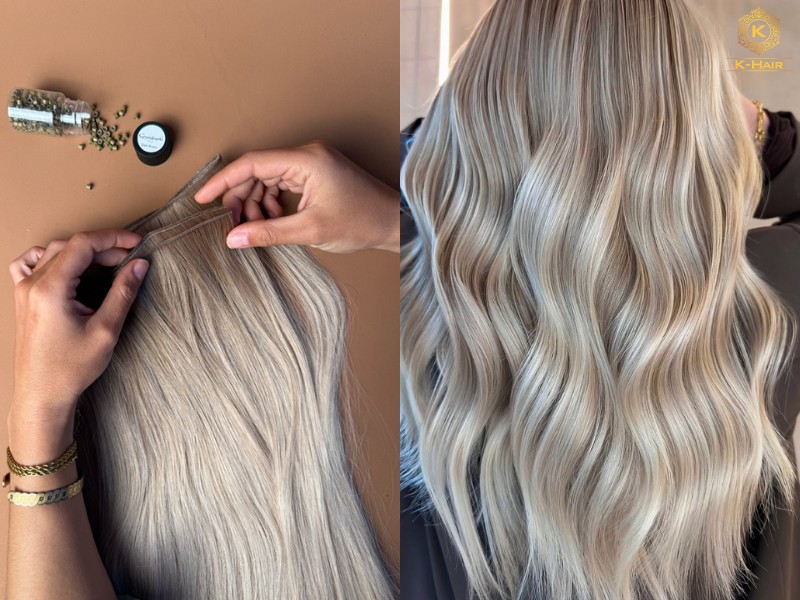
In fact, in a B2B relationship, the quality of your supplier dictates your client retention just as much as your stylist’s technique does. Bad hair – matting wefts, mismatched cuticle direction, shedding bonds – leads straight to refund requests and the kind of one-star review that’s hard to walk back. Premium Raw or Virgin hair sourced from a vetted trade partner leads instead to long-term rebooking cycles and word-of-mouth referrals that keep a chair full. This is exactly why sourcing hair extensions sydney australia stylists can standardise on, batch after batch, matters more in the long run than chasing the lowest unit price.
→ Want consistent density on every reorder? Wholesale double-drawn hair extensions
Top 5 B2B Hair Extension Suppliers in Australia
Before comparing price lists between different hair extensions Sydney, it’s worth understanding why the supplier relationship itself is the single biggest lever in this business. A reliable wholesale account doesn’t just mean stock arrives on time. It means colour consistency across reorders, transparent trade pricing, and a partner who won’t leave you scrambling mid-season when a client books a same-week full head. With that in mind, here are five of the leading B2B hair extension suppliers in Australia, evaluated on trade accessibility, product depth, and salon support.
Showpony Hair Extensions
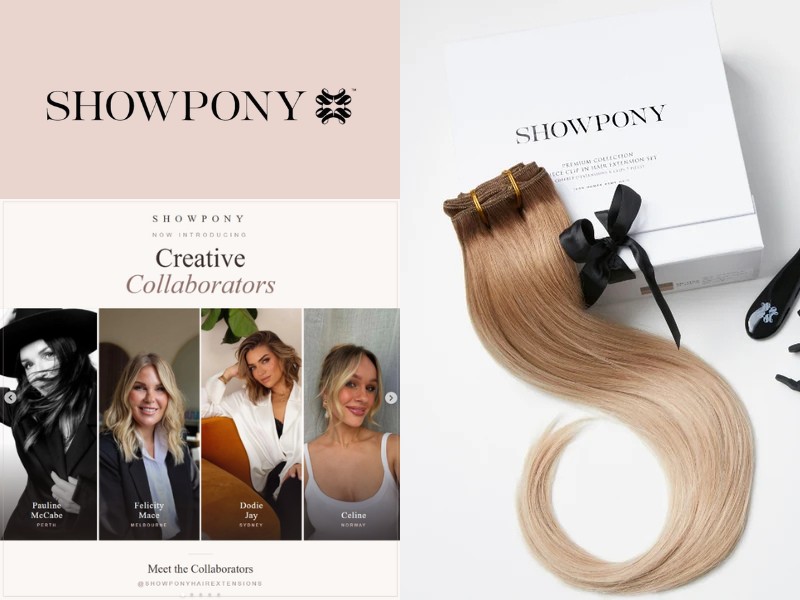
Showpony is a 100% Australian-owned premium hair extension supplier recognized globally for its high-quality products, innovative application tools, and eco-friendly packaging. They focus heavily on B2B partnerships, offering an extensive range of tape, weft, and mini micro bead extensions alongside industry-leading salon education. Partnering with Showpony gives salon owners access to reliable stock, comprehensive marketing support, and a highly trusted brand reputation.
| Pros | Cons |
|
|
⇒ Best for salons that want ongoing staff education bundled directly into their trade account.
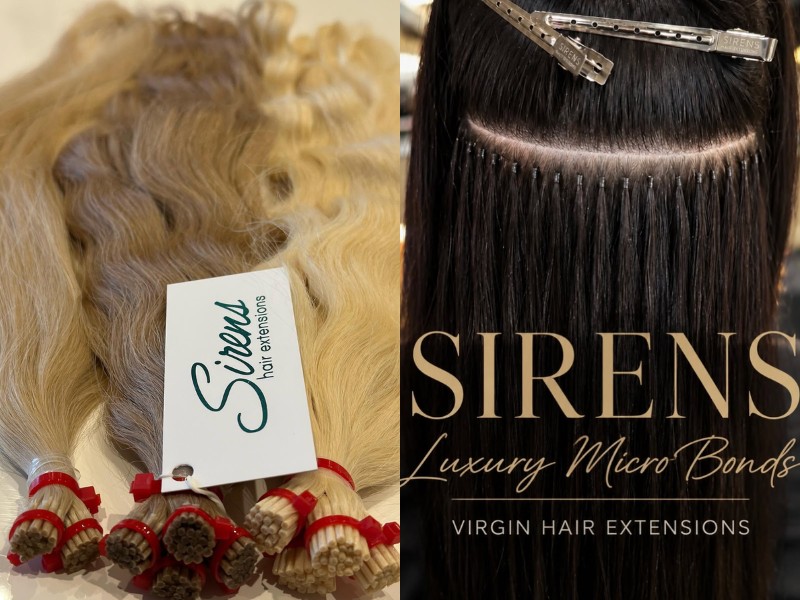
Sirens Hair Extensions
Based directly in New South Wales, Sirens Hair Extensions is one of the leading wholesale suppliers of natural human Remy hair extensions Sydney buyers go crazy for. They cater heavily to trade professionals by providing premium Russian and European hair across a wide variety of methods, including micro wefts, pre-bonded keratin, and tapes. Offering worldwide courier shipping straight from their factory, they provide excellent wholesale pricing for businesses willing to purchase in bulk.
| Pros | Cons |
|
|
⇒ Best for Sydney-based salons prioritising fast local turnaround and a wide spread of application methods under one account.
Hair Candy Australia
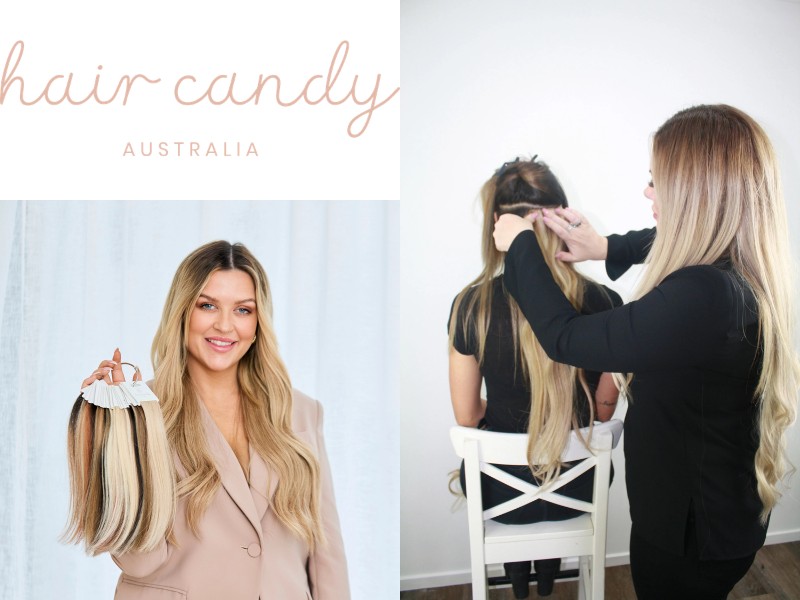
Hair Candy operates a highly successful B2B program called the “Candy Club,” designed specifically to help salons grow their revenue through premium European Remy hair. Beyond just supplying wefts, tapes, and keratin bonds in over 26 colors, they offer both in-person and online masterclasses to upskill salon staff. Their robust wholesale network boasts over 20,000 shipped orders, making them a highly reliable logistics partner for busy salons.
| Pros | Cons |
|
|
⇒ Best for multi-stylist salons that want a structured loyalty program alongside continuous staff upskilling.
James Collective
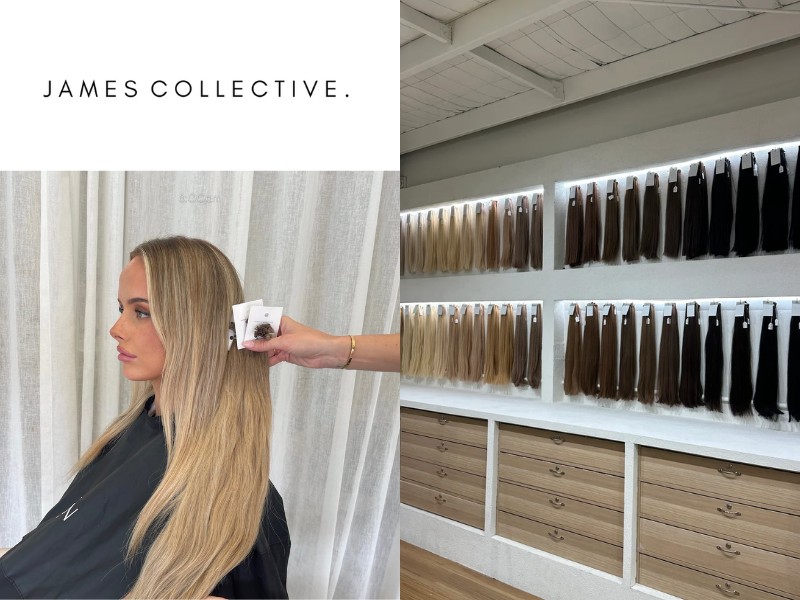
The James Collective Trade Hub is a highly exclusive B2B gateway for independent stylists and salon owners seeking professional-grade, handcrafted hair extensions Sydney. As Australia’s premier supplier of virgin Slavic hair and micro bonds, they design their products specifically with performance, longevity, and seamless blending in mind. Their trade partners receive exclusive wholesale pricing, custom color swatches, and high-end social media assets to elevate their salon’s branding.
| Pros | Cons |
|
|
⇒ Best for boutique salons positioning themselves at the premium end of the market, where hair quality is the headline sell.
Platinum Lockz
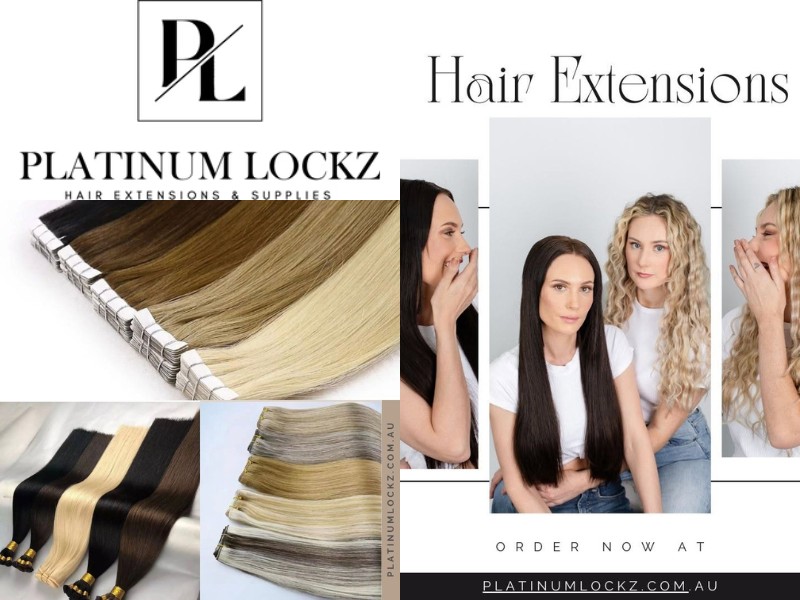
Platinum Lockz is a luxury wholesale hair extensions Sydney supplier targeting elite salon owners who want to buy bulk weft and tape extensions. They make supplier onboarding seamless via a digital professional trade account, offering immediate access to wholesale catalogues and competitive bulk pricing. Their 100% human Remy hair extensions come in an extensive range of textures and lengths, designed to help salons capture every segment of the consumer market.
| Pros | Cons |
|
|
⇒ Best for salons buying tape and weft extensions in bulk who want same-day digital account approval.
Expert Insight
A supplier’s minimum order quantity often matters more to first-year profitability than its per-unit price. A vendor with a lower MOQ lets a smaller salon test a new colour range without tying up capital in dead stock – a bigger lever than shaving a few dollars off a wholesale pack.
Most Profitable Hair Extension Methods for Australian Salons
As previously mentioned, the supplier is only half of the profit equation – the application method a salon leads with determines how many clients a single stylist can service in a day, and how high the average ticket climbs. Here’s how the three core methods stack up on chair time, labour cost, and ROI. (For a refresher on how each method physically works, see types of hair extensions.)
Tape-In Extensions (High Volume/Fast Turnaround)
Tape-ins are the bread-and-butter SKU for B2B profit, and the math explains why. A full-head tape application typically takes around 45 minutes in a trained stylist’s hands, allowing a single stylist to service multiple clients in a single day rather than committing an entire chair block to one appointment. That turnover, multiplied across a week, is what makes wholesale tape-in extensions the fastest-moving hair extensions Sydney in most trade accounts – high volume compensates for a comparatively modest per-client margin.
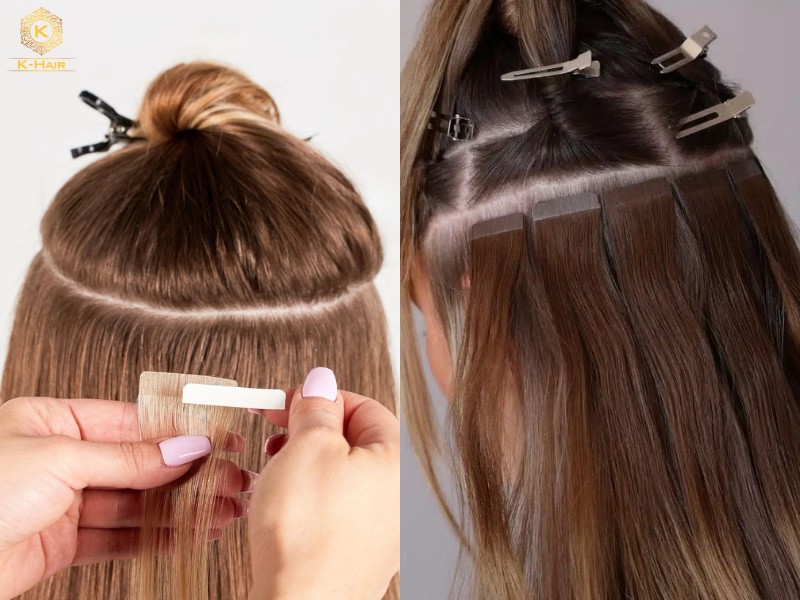
→ Weighing tape-ins against other methods first? Tape-in hair extensions pros and cons
Weft Extensions (High Margin/Upselling)
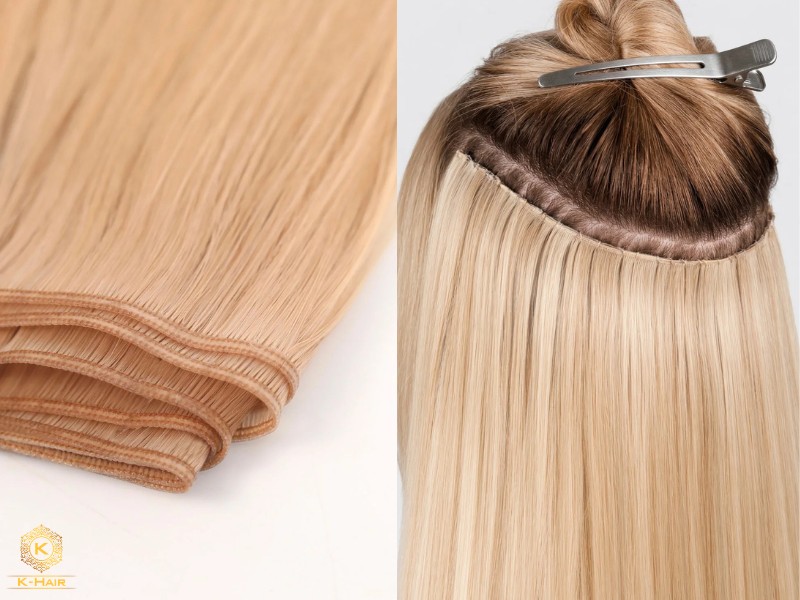
Weft extensions – whether beaded, flat-sewn, or hand-tied – carry a higher initial wholesale cost per pack than tape, but that cost is easily absorbed into a premium application fee that clients rarely question once they feel the natural movement a weft install delivers. Just as importantly, wefts also guarantee recurring revenue: clients need to return roughly every six weeks for a “move-up” appointment as their natural hair grows out from under the track, locking in rebooking without any extra marketing spend. For a full lifespan breakdown across every method, see how long hair extensions last.
Keratin Bonds (Premium Tier)
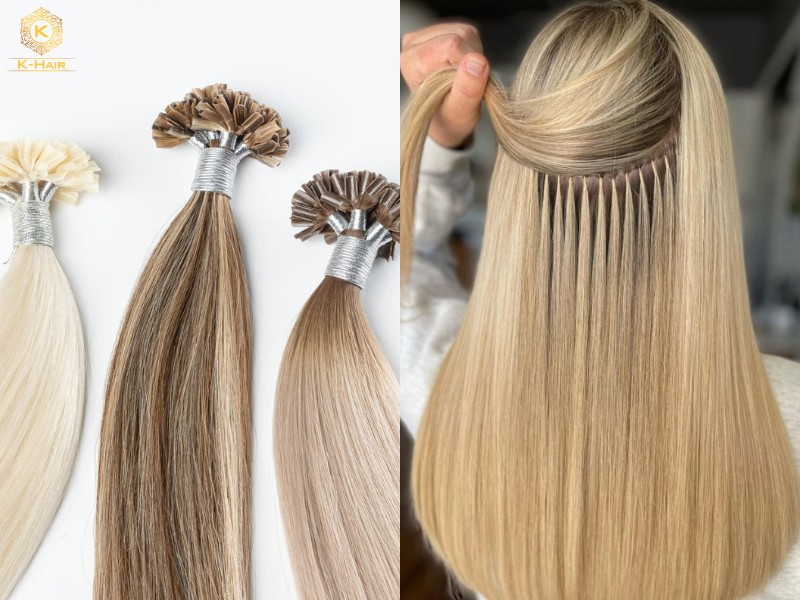
Therefore, keratin bonds sit at the top of the profit stack, even though they demand the most from a stylist’s day. While it requires 3-4 hours of labour – the highest chair time of the three methods – the markup on premium bond hair, paired with a premium application fee, yields the highest single-ticket profit a salon can generate from a single extension service.
Regional Demand Patterns: Colors & Textures Among Sydney Buyers
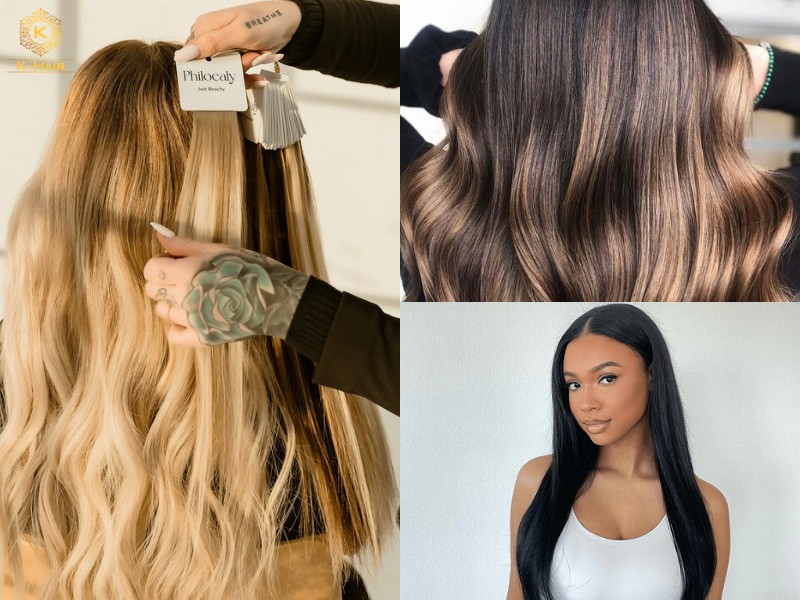
Understanding application methods is only half the inventory equation – stocking the specific shade ratios and wave patterns local clients ask for prevents dead stock and speeds up capital turnover. And for the city Sydney, its luxury hair market is heavily influenced by a coastal, lived-in aesthetic, creating distinct buying habits:
- Color Demand: Lived-in blondes, ash tones, and pre-smudged root blends dominate trade accounts. Stocking pre-highlighted and balayage shades moves inventory fastest by saving salons billable chair time on custom dye work.
- Texture Profiles: Natural Wave leads wholesale volume to align with the coastal lifestyle, followed by Natural Straight for high-shine styling.
- Length Distribution: 18-inch and 22-inch lengths account for over 70% of all trade orders in the Sydney market.

Regional Demand Patterns: Colors & Textures Among Sydney Buyers
How Much Do Hair Extensions Cost Australia? (Wholesale & ROI Guide)
To calculate profit margins, salon owners frequently ask, “how much do hair extensions Sydney cost” when buying at wholesale versus selling at retail – and the gap between the two numbers is where the business actually lives.
Industry standard pricing combines a 2x to 5x markup on wholesale hair with an hourly installation fee. For example, if a pack of premium tape-ins costs $100 wholesale, the salon re-sells the hair for $200 to $500. Adding a $150 application fee brings the final ticket price for the client to $350 to $650.
Beyond that initial service ticket, the true ROI for Australian salon owners lies in hair longevity and recurring maintenance. Because high-grade raw hair can be re-installed three to four times over a 12-month period, each client yields an additional $150 to $200 in refit labor every six to eight weeks. Sourcing premium wholesale stock not only protects your 100%+ initial retail markup, but it also creates a predictable, high-margin revenue stream per chair while virtually eliminating costly product returns and client turnover.
However, the exact numbers shift by method, since chair time and wholesale cost don’t scale together. The table below breaks down how each method compares:
| Extension Method | Average Wholesale Cost (per 100g) | Average Application Time | Suggested Salon RRP (Hair + Installation) |
| Tape-Ins | $30 – $120 | 45 – 60 mins | $250 – $1,000 |
| Weft (Machine/Genius/Hand-tied) | $20 – $200 | 2 – 3 hours | $300 – $2,000, depending on weft types |
| Keratin Bonds Extensions (K-Tips) | $25 – $150 | 3 – 4 hours | $600 – $2,700 |
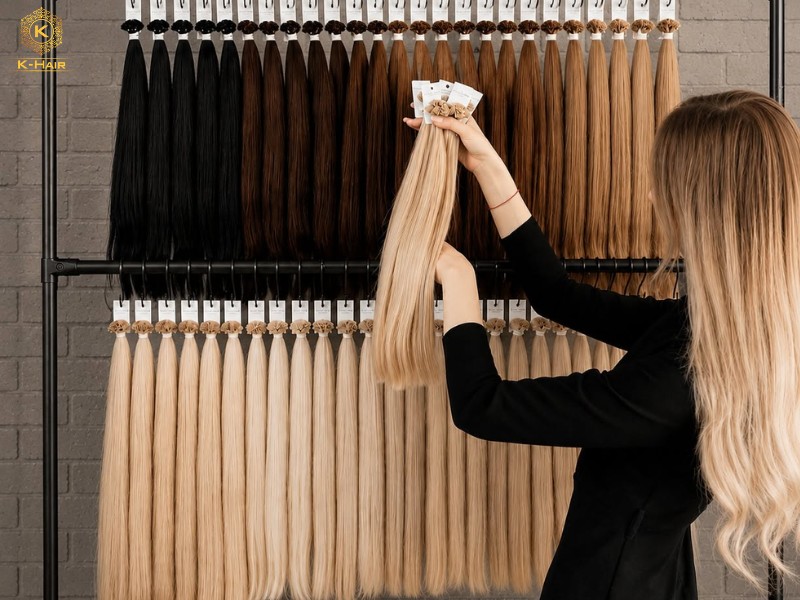
→ Want the full wholesale cost breakdown by extension type? Hair extensions cost
Streamlining Your Salon’s Extension Inventory
And much like the supplier relationship itself, inventory discipline is what separates a salon that merely survives on hair extensions Sydney from one that scales a genuinely profitable extension empire. A few principles make the difference:
- Inventory vs. Dropshipping: Decide whether to tie up capital in a large physical inventory of colours, or lean on overnight and express shipping from local suppliers to fulfil bookings on demand – the right answer depends on how predictable your client base’s colour requests are.
- The 80/20 Rule of Shade Selection: Hold physical stock of only your top 5-10 most requested shades – standard blondes, balayage, and solid brunettes. Custom colours should strictly be ordered client-by-client to avoid dead stock sitting on a shelf.
- Vendor Consolidation for Tiered Discounts: Spreading orders across too many suppliers is a quiet drain on margin. Pick one primary and one secondary vendor and concentrate on spending there to hit minimum thresholds faster, unlocking VIP pricing and priority shipping.
- Integrating Salon Software for Inventory Tracking: Platforms like Timely, Phorest, or Zenoti can track stock levels automatically. Low-stock alerts on core items – replacement tape tabs, microbeads, popular weft lengths – prevent lost revenue from a walk-in consultation that a salon simply can’t fulfil that day.
- The Importance of Colour Rings: Purchasing a supplier’s official colour ring is one of the most critical B2B investments a salon can make. It keeps zero-return policies intact and stops stylists from guessing shades off a screen, which is one of the most common causes of a bad-match refund.
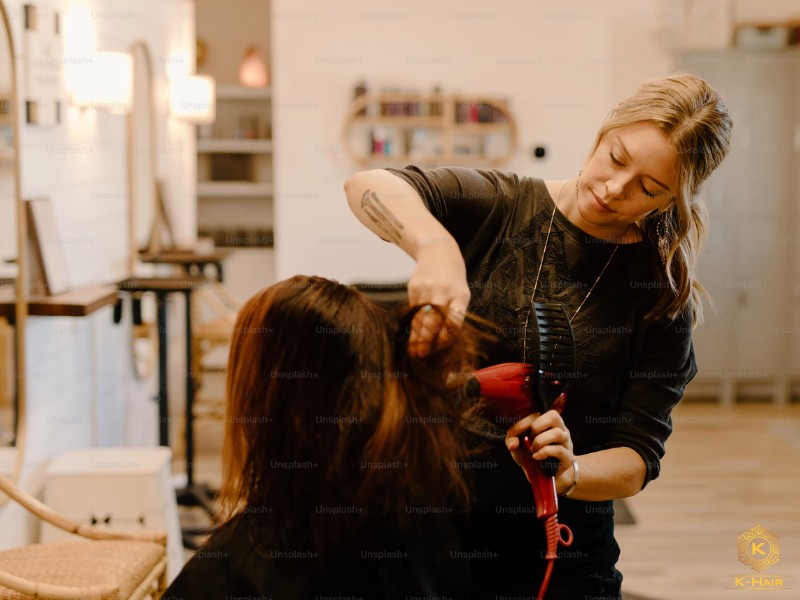
How can a salon thrive in the Australian hair market? It starts with your Inventory
Conclusion
Across every method and every price point in this guide, one throughline holds: partnering with the right wholesale supplier and managing the resulting hair extensions Sydney inventory tightly is the foundation a profitable extension business is built on. Skip that discipline, and the same margins broken down above evaporate quickly – eaten by dead stock in unsold shades, missed restocks during peak wedding and formal season, and clients lost to a competing salon that never runs out of their exact colour match.
Before your next restock cycle, get the paperwork in order. Prepare your ABN, apply for trade accounts with the top 5 suppliers listed above, and start comparing their wholesale price lists side by side to optimize your profit margins today.
And if you’d rather source closer to the raw material itself, K-Hair Factory supplies single-donor Vietnamese raw and virgin hair at true factory-direct pricing – the same upstream tier that finished retail extension brands buy from before private-labelling.
Ready to source verified raw Vietnamese hair?
Contact K-Hair Factory directly for wholesale pricing, MOQ details, and free samples.