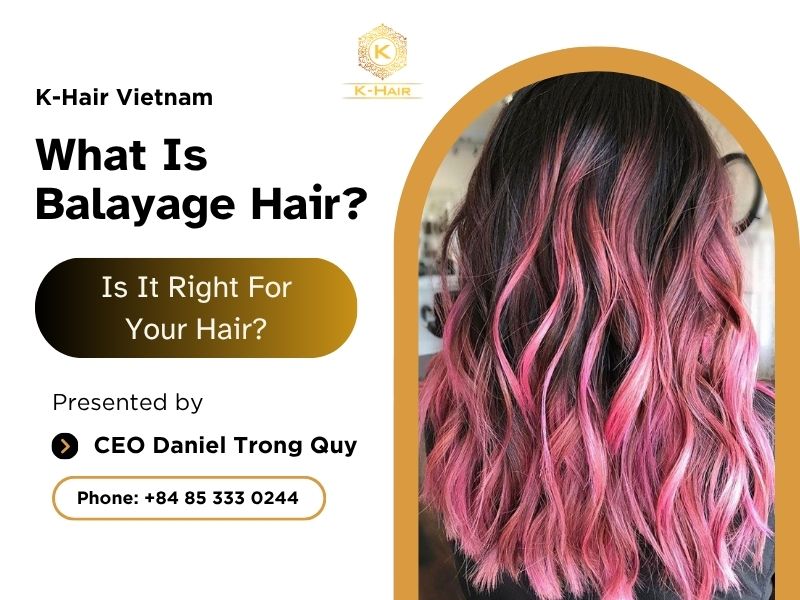
You all must have heard or been familiar with the term “balayage hair” at some point. Balayage hair is a hand-painted hair coloring technique that creates soft, natural-looking dimensions and seamless color transitions. It has become the go-to style not only for trendsetters but also for top celebrities worldwide.
As a media-consumer, such a popular and widely in favour coloring hair method and its stunning photos are often hard to ignore, which stirs up people’s curiosity, leading to questions like “What is Balayage hair?”. To satisfy your curiosity, this article will provide you with all the answers you might need to understand.
1. What is Balayage hair?
To understand balayage hair is rather a multi-step journey, and the first step is to gather surface-level information about its definition and techniques, answering the basic question – What is Balayage hair?
In short, Balayage is a hair-painting technique, involving the strategic application of lightener onto the surface of hair strands without the use of traditional foils or caps.
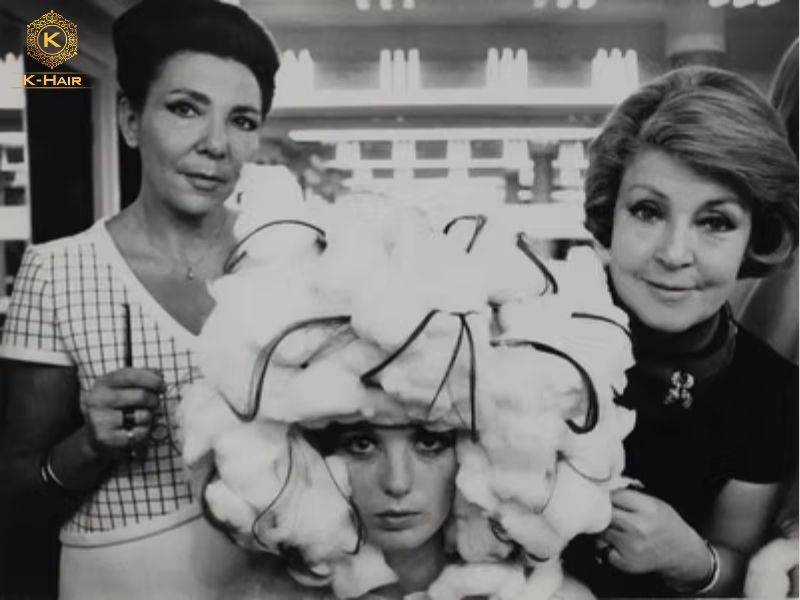
The name “Balayage” is tied closely to its history. The technique was first developed in France in the 1970s at the exclusive Carita salon in Paris, before gaining popularity across Europe and eventually exploding onto the American beauty scene in the 1990s. Fittingly, balayage is a French word meaning “to sweep”, which perfectly describes how the color is applied.
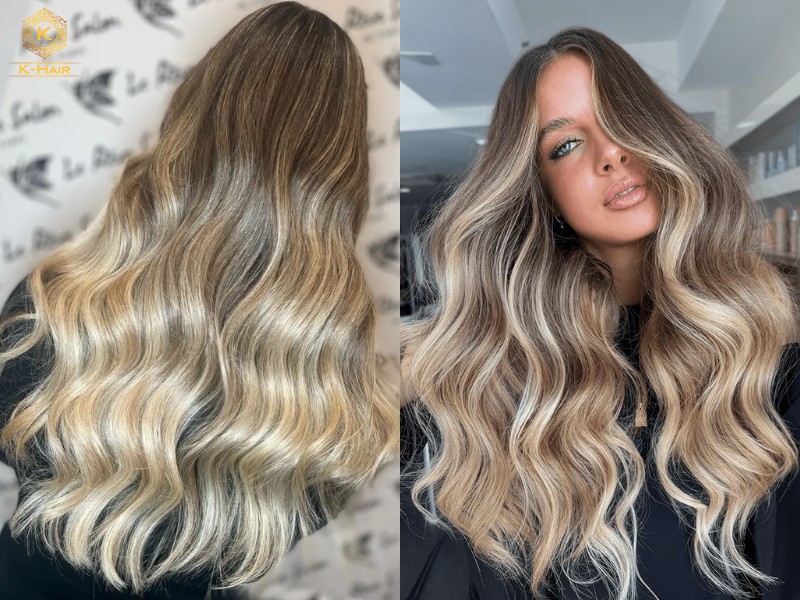
Compared to the traditional foiling method of most hair highlights, balayage hair’s coloring method is quite distinct. Much like its name “to sweep”, during the application, the stylist will free-handedly paint and apply the hair bleach or color lightener onto the client’s hair and let it sit without wrapping it with foil like the classic highlights. And for the results, the chemicals, once fully absorbed, will deliver a natural-looking, smooth color blending, mimicking a sun-kissed, naturally exposed hair look that seems like you have been out in the Sun for a while.
2. Pros & cons of Balayage hair
We can all agree that balayage is a magical technique that instantly elevates your entire look. However, no chemical process is completely without drawbacks. To help you decide if this style is right for you, let’s look at the real pros and cons of going the balayage route.
2.1. The advantages of balayage
- Low maintenance: Grows out seamlessly without a harsh root line, it saves time and money compared to monthly touch-ups with regular bleaching. The effect lasts up to a year.
- Minimal hair damage: Since you aren’t bleaching your entire head or constantly touching up your roots every six weeks, your scalp and new hair growth remain completely healthy.
- Universally flattering: This technique works beautifully on all skin tones and hair textures. Even those with darker complexions can enjoy bright, radiant dimensions without worrying about the color looking dull or washed out.
- Doesn’t fade to a yellowish-brown: You won’t have to worry about your hair fading into a harsh, brassy yellowish-brown. Even if it fades to a blonde with a slightly golden tint, it retains the European balayage effect, becoming more sophisticated as it fades.
2.2. The disadvantages of balayage
- Expensive upfront: Because balayage is a high technique and requires a high level of advanced education and manual artistry from the stylist, initial appointment costs are significantly higher than traditional bleach or dye. A full balayage session typically ranges from $150 to $350+ depending on the salon.
- A time-intensive process: Balayage takes much longer to execute than traditional color because the stylist must meticulously hand-paint individual sections to build a natural, flawless gradient. A proper session can easily take anywhere from 4 to 8 hours in the stylist’s chair.
- Not ideal for grays: Since the roots are left natural or softly blended, it won’t fully mask a high percentage of gray hair.
3. Variations of Balayage hair
While the core freehand technique remains the same, balayage has evolved into several distinct variations. Stylists alter the placement, intensity, and color choices to suit different hair textures, and base colors.
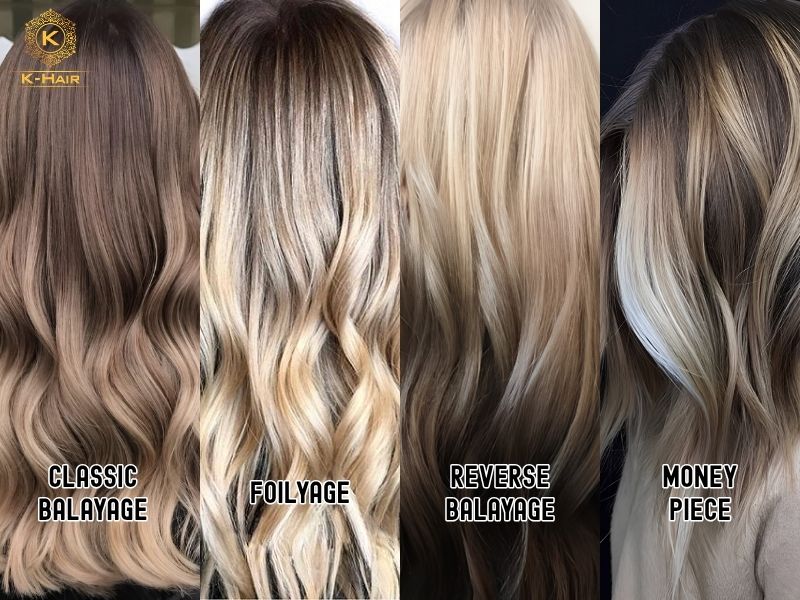
- Classic Balayage: This is the original French freehand technique that started the entire movement. With this type, lightener is painted entirely in the open air directly onto the surface of the hair using a sweeping motion. No foils or caps are used. The product is applied softly near the mid-lengths and becomes completely saturated at the ends.
- Foilyage: Foilyage is a technical hybrid designed to solve a classic problem: open-air bleach cannot lift dark pigment high enough to achieve bright, icy blonde shades. Different from the classic balayage, the stylists will wrap each printed section in aluminum foil, instead of letting it reveal.
- Reverse Balayage: Its name exposes how it works. While traditional balayage is all about adding light, reverse balayage is completely focused on adding shadow. Indeed, instead of painting bleach onto your hair to lift the color, the stylist paints a permanent or demi-permanent darker hair dye down the strands, intentionally leaving select pieces light.
- Money piece: This style isolates a high-contrast pop of brightness specifically around the eyes and cheekbones. The back and interior layers of the hair are colored using a soft, subtle balayage layout (or left entirely natural). However, the stylist takes two distinct, solid sections right at the front hairline and highlights them heavily from the root to the tip.
4. Balayage vs Highlights vs Ombre: What’s the difference?
While these 3 types are about making the hair lighter, the core differences between them come down to placement and layout. Think of this way: Highlights give you vertical stripes from root to tip, Ombre creates horizontal splits with completely dark roots and light ends, and Balayage weaves the two together into a soft, painted gradient.
| Balayage | Highlights | Ombre | |
| Visual pattern | Swept ribbons of color blended randomly across mid-lengths and ends. | Vertical streaks of uniform color running entirely from root to tip. | A distinct, horizontal gradient shifting completely from dark to light. |
| Application method | Freehand artistic painting with an open-air brush. | Aluminum foils and structured sectioning combs. | Bleach saturation covering 100% of the lower half of the hair. |
| Placement | Mid-length to the root | Hair strands | Mid-length to the root |
| Root transition | Very soft, blended, and diffused root area. | Sharp, precise line right at the scalp. | Dark roots completely separate from light ends. |
| Time on chair | Long | Medium | Medium |
| Maintenance | Very low | High | Low |
| Touch-ups | 4-6 months | 6-8 weeks | No root upkeep needed, just tone the ends |
| Damage to hair | Low | High | Low |
| Price | Highest | Medium | High |
Expert tip: If you frequently wear your hair straight, balayage may appear subtler than highlights. Balayage dimensions become more visible on layered or wavy hairstyles.
5. Is Balayage hair right for your hair?
Since the balayage is highly customizable, it can be adapted to almost any hair type, length, or texture. How the technique translates depends on your unique hair canvas:
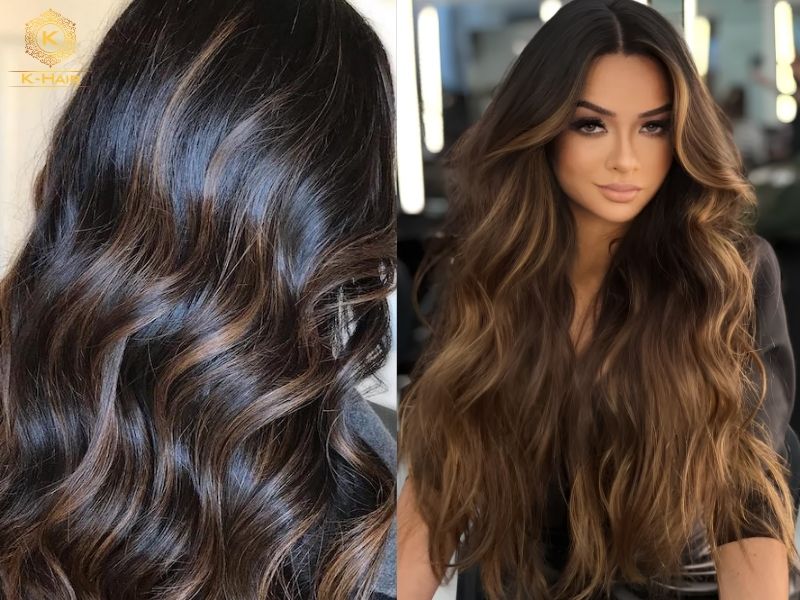
5.1. Balayage on dark brown and black hair
Balayage is excellent for deep brunettes who want to add warmth and movement without suffering the intense upkeep of going completely blonde. In fact, open-air painting lifts dark pigment slowly. If you have jet-black hair, your first session will naturally lift to rich shades like milk chocolate, chestnut… If you want an icy, ash-blonde look on a dark base, ask your stylist for a hybrid Foilyage technique instead. Wrapping the painted sections in foils traps heat, forcing the bleach to lift your dark base high enough to achieve bright, cool tones.
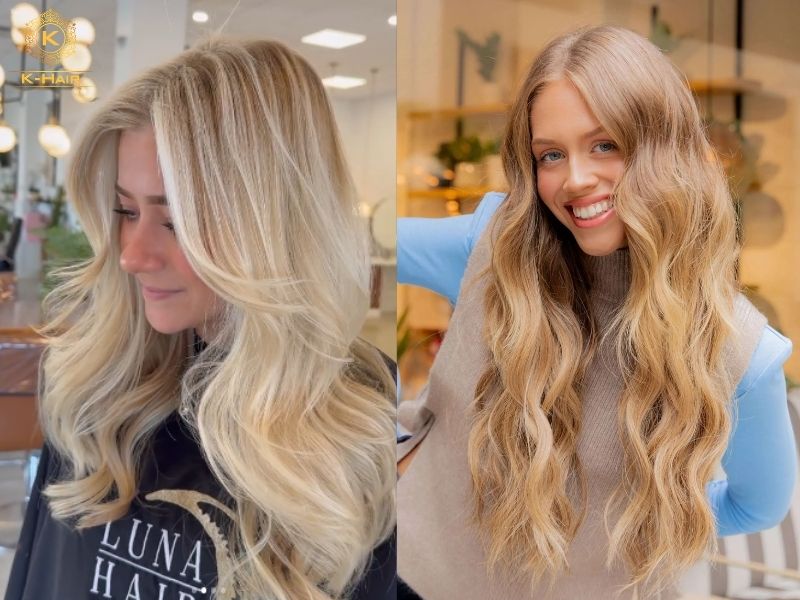
5.2. Balayage on blonde hair
If your base is already light, balayage is used to add dimension, brightness, and a lived-in feel. Because your hair is already at a higher lift, you have the freedom to experiment with fashion tones like pastel pink, soft rose gold, or ash purple. These colors can often be applied as a glaze or toner without the need for additional heavy bleaching, keeping your hair incredibly healthy.
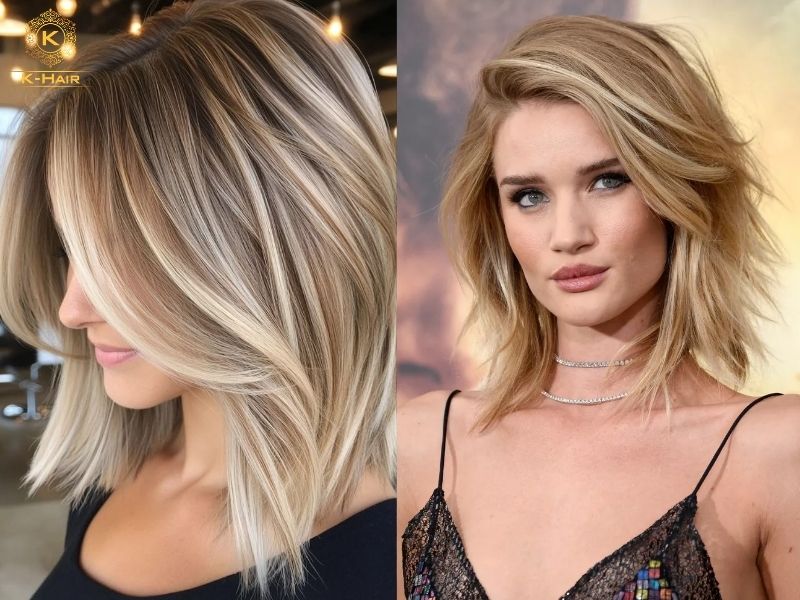
5.3. Balayage on short hair
A common misconception is that balayage only works on long, flowing mermaid waves. It works beautifully on short haircuts, but the placement strategy completely changes. Balayage can look phenomenal on textured bobs, lobs (long bobs), and pixie-bobs. If your hair is less than three inches long, traditional foils or a simple tip-frosting technique are easier to control.
However, because there is less vertical length to create a slow gradient, the sweeping motion must be incredibly precise. The colorist will focus the lightener on the very tips of your layers and around your face to add texture.
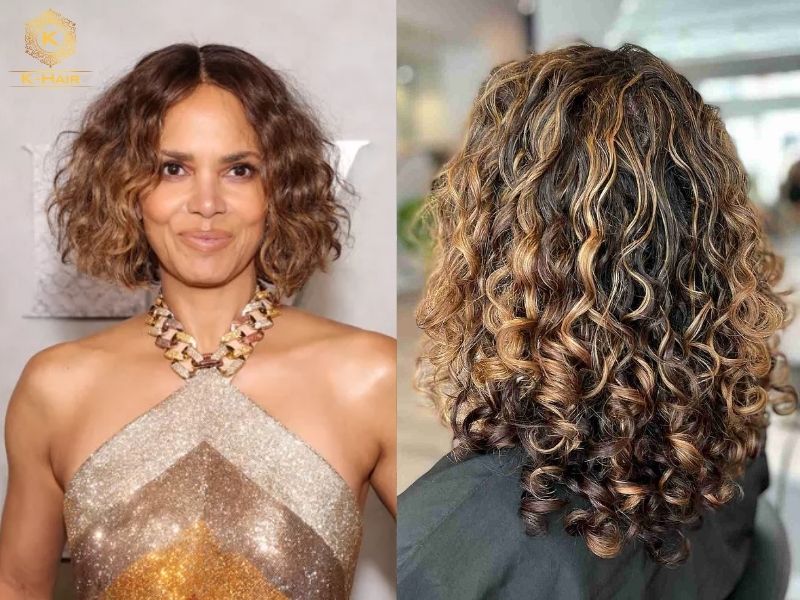
5.4. Balayage on curly and wavy hair
Curly, coily, and wavy textures are arguably the absolute best canvas for balayage. Indeed, traditional highlights can look geometric and stripey when curly hair shrinks or shifts. In contrast, balayage moves completely with your natural pattern because the stylist visually analyzes your hair while dry.
For tight curls and coils, colorists use a specific balayage method called Pintura painting. The stylist handles your hair curl-by-curl, hand-painting lightener onto the outer bend of each individual ringlet where the sun would naturally strike it. This preserves the curl pattern and prevents the dimension from getting lost inside the dense volume.
5.5. Who should avoid balayage?
While it is highly versatile, you should skip classic balayage if your hair falls into any of these categories:
- You have a high percentage of stubborn grays: Because balayage intentionally leaves the root area natural and untouched to allow for a seamless grow-out, it will not cover silvers at your crown. You would be better suited for a traditional permanent root tint paired with foil.
- Your hair is severely chemically compromised: If your hair is already snapping from overlapping bleach or aggressive relaxers, open-air bleach can still push it past its breaking point. Focus on bond-building treatments first.
- You prefer a highly uniform look: If you love the precise, geometric, top-to-bottom uniformity of traditional highlights, the organic and blended look of balayage will likely feel too “imperfect” or grown-out for your taste.
6. How to maintain Balayage hair
The next step in learning “what is balayage hair” is to know how to maintain it. Even though balayage is famous for being incredibly low-maintenance, “low-maintenance” doesn’t mean “zero maintenance”. Hence, besides the very basic rules for every hair like washing, products, brushing… it is crucial for all clients to be aware of the specific maintenance steps to extend the lifespan of your color:
- Tonal correction: If you have Blonde Balayage, use a Purple Shampoo once a week to neutralize yellow hues. If you have Brunette/Caramel Balayage, use a Blue Shampoo once a week to crush stubborn orange or copper brassiness.
Expert tip: Overusing purple shampoo can make balayage appear dull or muddy instead of bright and dimensional. For most balayage hair, purple shampoo should only be used once every 1–2 weeks, depending on how blonde or brassy the hair becomes.
- Trim the ends periodically: The lightened sections of your hair are more porous and prone to splitting. Schedule a trim every 6–12 weeks to remove split ends and keep your gradient looking healthy and polished from root to tip.
- Turn down the shower temperature: Washing your hair with hot water opens up the hair cuticle, allowing your toner to instantly slip out. Always wash and rinse your hair with cool or lukewarm water to keep the cuticle locked tight.
- Weekly masking: Swap your standard conditioner for a moisture-rich deep conditioning mask once a week. Look for ingredients like shea butter, argan oil, or jojoba oil.
- Bond builders: If your hair feels brittle or gummy when wet, apply a bond-building treatment (such as Olaplex No. 3 or K18) every two weeks to structurally repair the broken protein chains inside the hair.
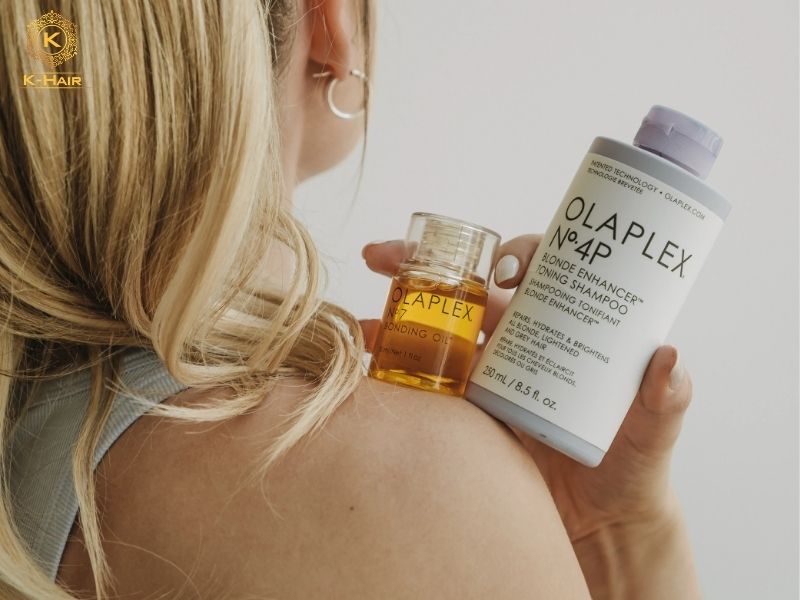
- Prep for the pool or beach: Chlorine and saltwater are notorious for stripping toner and drying out porous balayage ends. Before swimming, drench your hair in clean tap water and slather on a leave-in conditioner. Your hair will act like a sponge, absorbing the clean water and blocking the chemical pool water from soaking in.
7. FAQs about Balayage hair
Here are some frequently asked questions along with “what is balayage hair”:
7.1. How much does balayage cost?
Prices vary depending on hair length, thickness, salon reputation, and the complexity of the desired look. On average, a full balayage session costs between $150 and $350+, though luxury salons in major cities can charge upwards of $500.
7.2. How long does balayage last?
A full balayage lasts anywhere from 4 to 6 months before it needs to be completely redone. To make your balayage last this long, however, you do need to book a quick Gloss and Tone treatment every 6 to 8 weeks.
7.3. Can you do balayage hair at home?
Technically yes, but it is highly discouraged for absolute beginners. Balayage requires careful sectioning, blending, and color placement to achieve a soft, natural transition. Without proper technique, the result can look patchy, uneven, or overly harsh.
7.4. Does balayage damage your hair?
Yes, it causes mild to moderate damage, but it is significantly healthier for your hair over time than traditional highlights. Any time you lift hair color, bleach or lightener must open the protective cuticle layer and dissolve your natural melanin. This process permanently weakens the internal protein bonds of the hair, leading to dryness and a higher risk of split ends on the mid-lengths and tips.
8. Conclusion
In sum, balayage is more than just a passing trend, it is a timeless, low-maintenance coloring technique that delivers a beautifully sun-kissed, natural blend. For clients, it offers the ultimate luxury of soft, seamless dimension without the harsh regrowth lines of traditional foil highlights.
For salon owners and stylists, executing a flawless balayage relies heavily on the quality of the canvas. If you are using hair extensions to add immediate volume and length to a balayage style, using high-quality, 100% raw human hair extensions to ensure that your color melts perfectly and lifts smoothly to those bright, coveted blonde tones. K-Hair – top 1 Vietnamese hair vendor with over 30 years experience can give you the flawless, durable canvas for your custom luxury balayage creations. Ready to elevate your salon’s extension offerings? Reach out to K-Hair to start your wholesale journey!