
22 inch hair extensions measure exactly 55.88 centimeters — the point where hair crosses from “noticeably long” into genuinely dramatic lower-back length territory. At this dimension, extensions stop being a subtle enhancement and become a full transformation: the kind that changes how a client carries herself in a room. Whether you are shopping for yourself, advising salon clients, or building wholesale inventory, this guide covers exact body placement, weight selection, attachment methods, and quality verification — everything you need to choose correctly at this length.
How Long Are 22 Inch Hair Extensions? (On Your Body)
Let’s break it down with precision. In the hair length spectrum, 22 inch hair extensions length equals 55.88 cm measured straight from root to tip. This is where placement becomes highly height-dependent — the difference between a 5’2″ and a 5’9″ client wearing the same 22-inch set is visually dramatic.
Height Placement Chart: Where 22 Inches Falls on You
- Under 5’3″ (160 cm): Falls at the hip or waist level — a genuinely long, fashion-forward silhouette that reads as red-carpet length on petite frames
- 5’3″ – 5’6″ (160–168 cm): Lands at the lower back, just below the bra line — the classic “transformation length” that most clients are visualizing when they search this keyword
- 5’6″ – 5’9″ (168–175 cm): Sits at the mid-to-lower back — a noticeable, luxurious upgrade from shoulder or bra-strap length natural hair
- Over 5’9″ (175 cm+): Falls at the upper-mid back — functions as a high-volume density play rather than a waist-length transformation; clients in this height range wanting hip-level results should consider 24-inch
The Texture Shrinkage Challenge: Straight vs. Wavy and Curly
Factory Note on Shrinkage: A 22-inch raw Vietnamese hair weft in a natural wavy texture (2A–2C) will appear 15–18% shorter once the curl pattern reactivates with moisture — effectively reading as an 18–19 inch result on the body. For tight curly textures (3A–4C), shrinkage reaches 25–30%, bringing a 22-inch strand to an apparent 15–16 inches — barely past the shoulder on most body types. Always size up by 2–4 inches when ordering for curly installations. A client targeting lower-back length in a 3B curl pattern needs at minimum a 26-inch set.
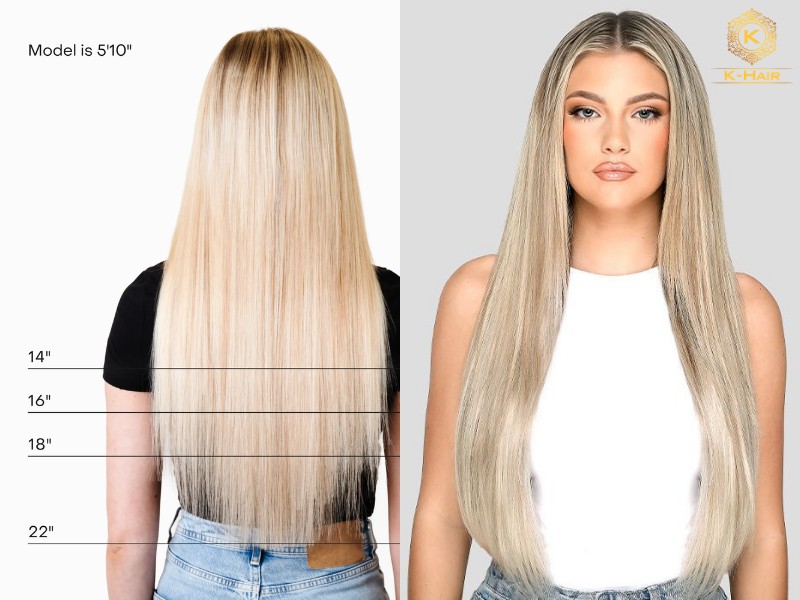
What Does 22 Inch Hair Look Like? Before and After
The 22 inch extensions before and after result is the most visually dramatic transformation available in the everyday extension market — short of fashion-show lengths. Here is what clients at each starting length realistically see:
On Short Hair Bob and Above Shoulders
This is the highest-impact but most technically demanding transformation at 22 inches. The 10–12 inch jump from chin-length to lower-back creates a visual contrast that requires precise color matching and layered blending to avoid the “shelf” look — a visible horizontal line where natural hair ends and extensions begin. Keratin bonds and tape-ins are the only methods that fully eliminate this demarcation at this contrast level. Clip-ins require 3–4 layered wefts starting from the nape to build a convincing gradient transition.
On Shoulder Length Hair
The ideal starting point for a 22-inch transformation. Natural hair at the shoulder blends cleanly into the extension at the mid-back, creating a seamless length transition with no visible attachment zone during everyday movement. This is the most common use case for tape-ins and 7-piece clip-in sets at this length — the shoulder acts as a natural blend point that hides the root attachment area even without layering.
On Medium to Long Hair
When natural hair already reaches below the shoulders, 22-inch extensions function as a volumetric enhancer rather than a length transformer. The primary result is eliminating see-through or stringy ends — particularly valuable for clients with fine or thinning hair who already have length but lack density at the bottom 10–15 cm. Double-weft sew-ins and high-density K-tip sets are the most effective formats for this use case, as they add mass at the mid-shaft and ends without creating visible bulk at the root.
For clients considering a shorter, more manageable everyday alternative, 16 inch hair extensions offer a significantly lower maintenance commitment while still delivering a noticeable transformation — worth discussing before committing to 22-inch semi-permanent installations.
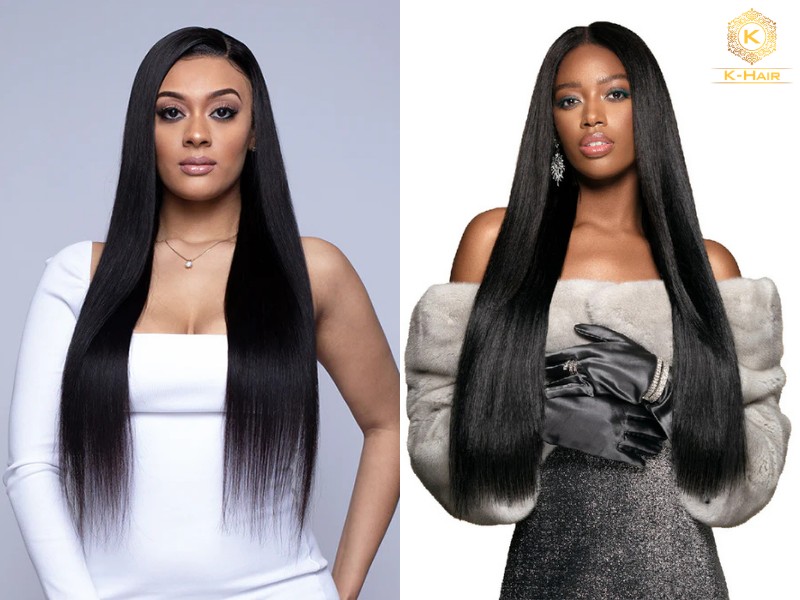
Weight Guide: How Many Grams Do You Actually Need?
At 55.88 cm, getting the weight wrong has more visible consequences than at shorter lengths. Underweight sets produce stringy, see-through ends that are immediately obvious against the lower back. Overweight sets on fine hair create scalp tension that accelerates shedding at the attachment points within weeks. Here is the precise weight-to-hair-type mapping:
| Weight Range | Target Hair Type | Expected Visual Result | Recommended Format |
|---|---|---|---|
| 60g – 130g | Fine or thin natural hair | Subtle length extension without visible scalp tension or weight imbalance | Halo, partial clip-in set (120g pack, 3–4 wefts) |
| 150g – 180g | Average to medium density hair | Full-head lower-back transformation — the most requested weight tier at salon level | 7-piece clip-in set, standard tape-ins, K-tip full head |
| 200g – 300g | Thick natural hair or red-carpet volume goals | Extreme fullness from root to lower-back — double-weft density from mid-shaft to ends | Double-weft sew-in, high-density K-tip, stacked clip-in sets |
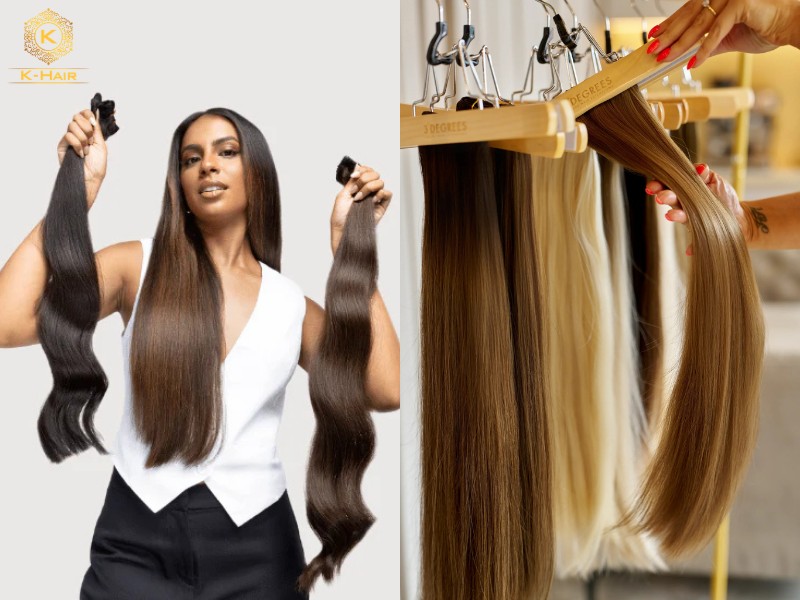
Choosing Your 22 Inch Attachment Method: Temporary vs. Semi-Permanent
At 55.88 cm, weight and movement mechanics change the performance of every attachment method. A method that works flawlessly at 18 inches may slip, flip, or create visible tension at 22 inches. Here is the direct comparison, followed by method-specific detail:
| Method | Best For | Wear Time | Damage Level | 22-Inch Specific Note |
|---|---|---|---|---|
| Clip-In | Beginners, occasional wear, fine hair | Remove daily | Zero | Silicone-backed PU clips or lace-covered metal clips mandatory — standard clips cannot hold 150g+ at this length without midday slippage |
| Tape-In | Everyday seamless blend, shoulder-length natural hair | 6–8 weeks per cycle | Low | Injected skin wefts or Genius Tape Weft format recommended — eliminates return hair irritation that becomes more pronounced at this length during active movement |
| Weft Sew-In | Afro-textured and coarse hair, maximum longevity | 6–10 weeks | Low–Medium | Machine-sealed weft edges with lock-stitch reinforcement prevent shedding at the 55.88 cm length where tension on the weft seam is highest |
| Keratin Bond (K-Tip) | Premium salon clients, 360-degree movement | 3–5 months | Medium | Thermal polymer tips allow complete lower-back movement including updos and high ponytails — bonds sit deeper within the hairline at this length, making them easier to conceal |
| Nano Ring | Damage-conscious, thin hair, cold-fusion priority | 3–4 months | Very low | Copper micro-links require no heat or adhesive — critical advantage at 22 inches where the downward pull of the length creates enough stress without additional thermal bond application |
22 Inch Clip-In Hair Extensions
At 22 inches, clip-ins are the most demanding temporary method in terms of clip engineering. A standard 120g pack across 7–10 wefts distributes the weight adequately — but only if the clips feature silicone-backed PU grips or lace-covered metal backings. Bare metal clips on fine or layered hair will slide within 2–3 hours under the downward pull of 55.88 cm of hair. Look for sets specifically rated for 20-inch+ lengths, as these use wider clip bases and higher-tension springs calibrated for the additional weight.
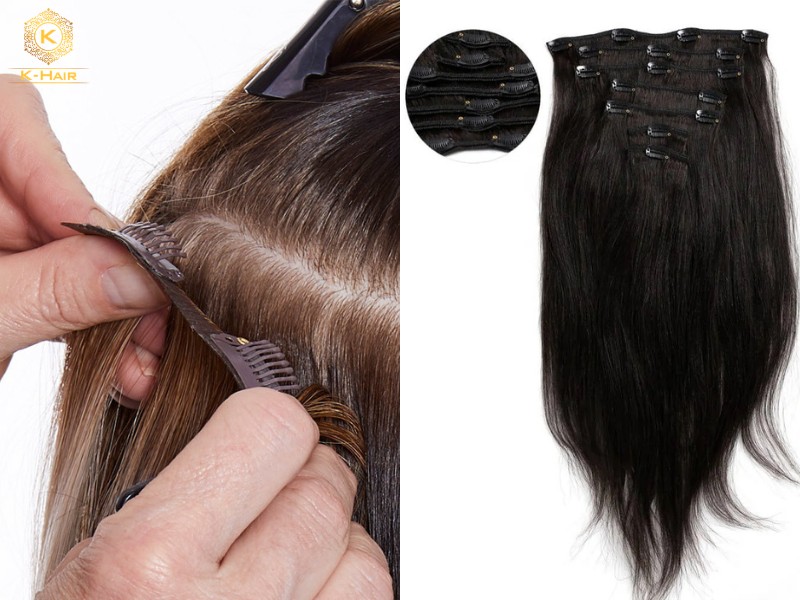
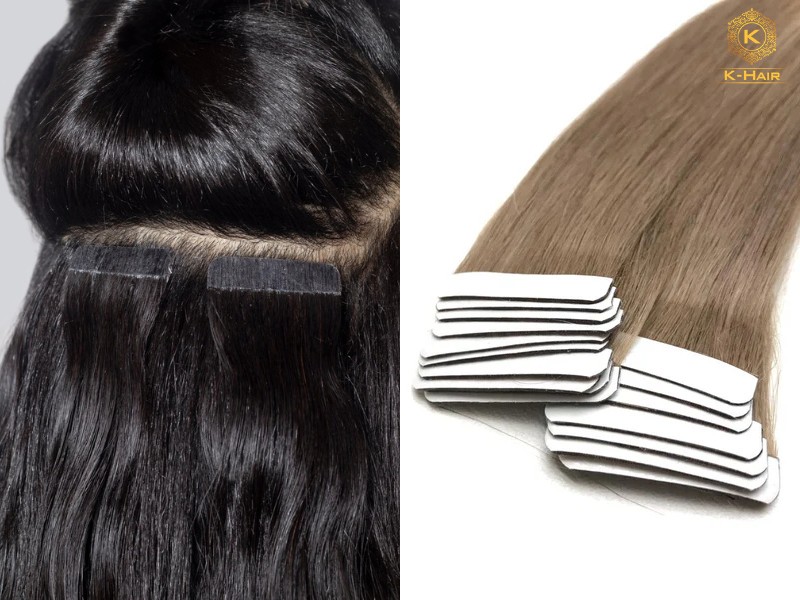
22 Inch Tape-In Hair Extensions
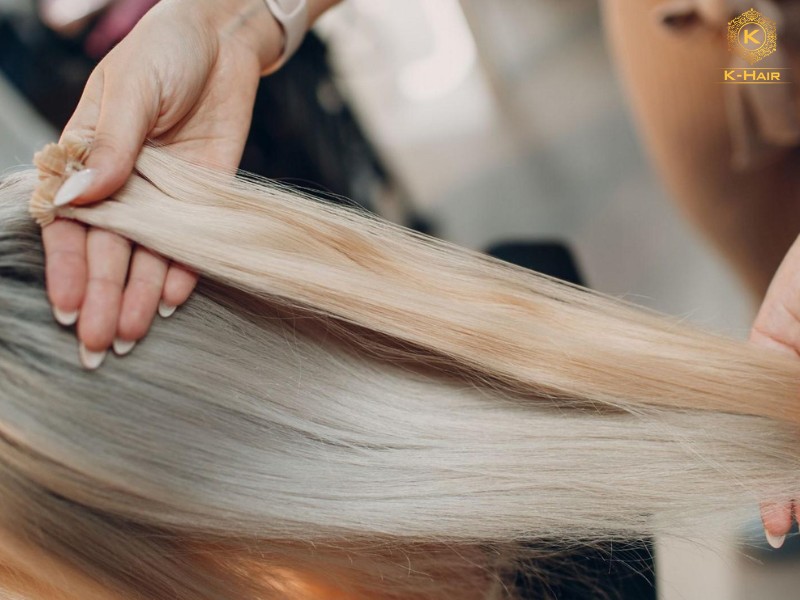
Tape-ins at 22 inches benefit significantly from advanced weft construction. Injected skin wefts — where the hair is bonded directly into an ultra-thin polyurethane base rather than sewn — create a profile so flat that the tape attachment is invisible even in updos. The Genius Tape Weft format adds a second innovation: the weft can be cut to any width without return hair, eliminating the fraying and irritation common in standard tape-ins at long lengths where movement is constant. Wear time remains 6–8 weeks per installation cycle, with the hair itself reusable for 3–4 retaping sessions on quality Remy or raw hair.
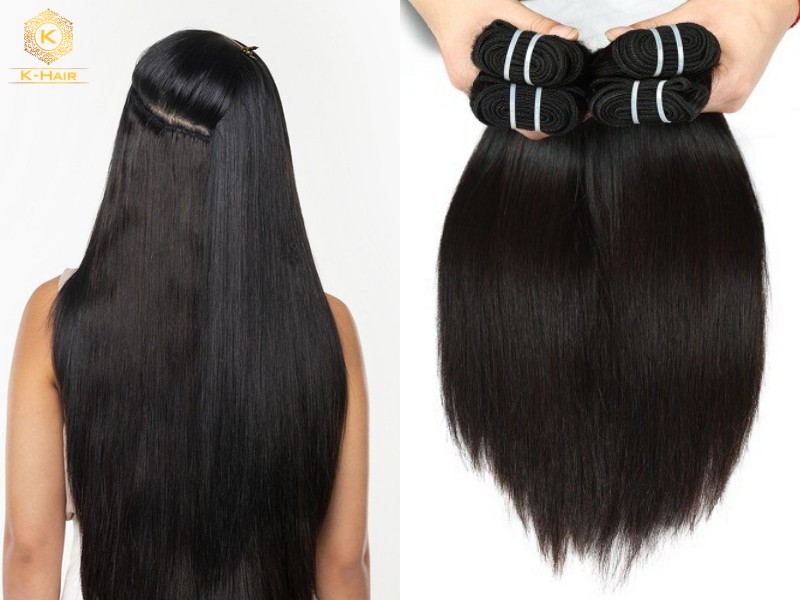
22 Inch Hair Wefts and Sew-Ins
For clients with Afro-textured, coarse, or high-density natural hair, machine weft sew-ins at 22 inches offer the most structurally sound installation. The critical quality factor at this length is the weft seam: a lock-stitch reinforced machine weft with a sealed edge prevents shedding under the consistent tension created by 55.88 cm of hair weight during daily movement. This format is the primary delivery vehicle for raw and virgin curl textures — deep wave, kinky straight, and body wave patterns that lose integrity in adhesive-based methods over a 6–10 week wear cycle.
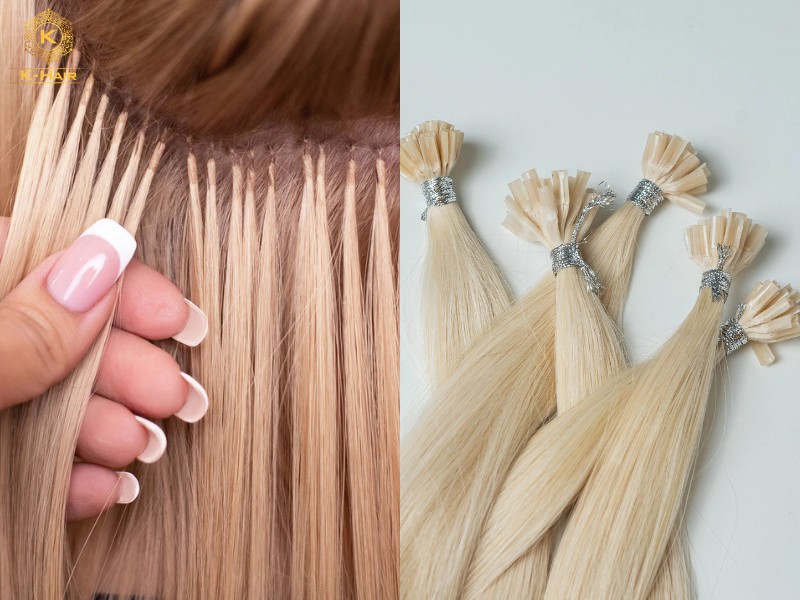
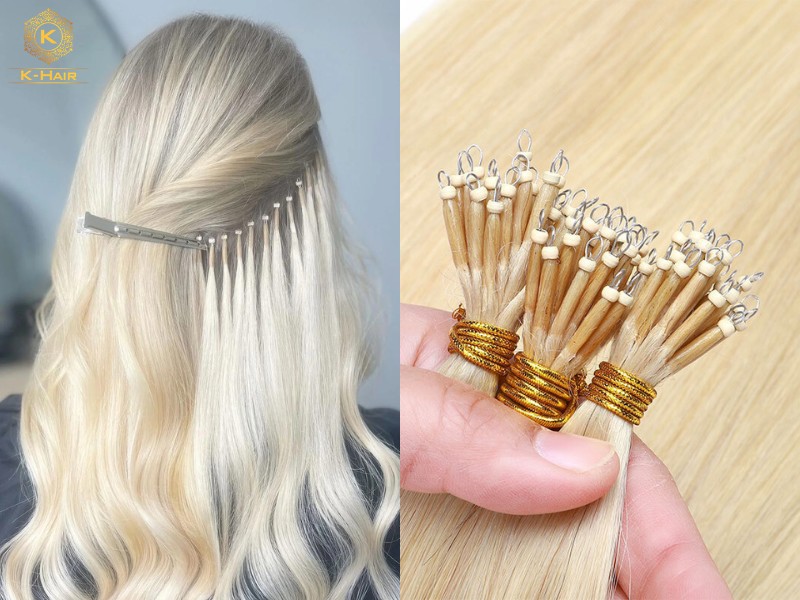
22 Inch Keratin Bond and Nano Ring Extensions
For clients prioritizing 360-degree movement — high ponytails, braids, updos — keratin bond (K-tip) extensions at 22 inches are the premium choice. The thermal polymer tip melts at a precise temperature to bond seamlessly with the natural hair shaft, creating an attachment point that flexes with movement rather than creating a rigid pivot. At this length, bonds installed within the natural hairline are naturally concealed by the weight and volume of the extension itself. For clients with fine or chemically compromised hair, nano ring (cold-fusion) extensions using copper micro-links eliminate the heat application entirely — a meaningful advantage when the downward stress of 22-inch length already places structural demand on the attachment zone.
Sourcing and Verifying Premium 22-Inch Hair Quality
At this length, the quality gap between raw, Remy, and processed hair is more visible than at any shorter option. Here is the factory-direct pricing baseline for 22-inch across all formats, followed by the three quality verification tests every buyer should perform before committing to bulk inventory.
| Extension Type | Factory Wholesale Pricing Baseline |
|---|---|
| 22 inch hair wefts | From $85–$90 per 100g |
| 22 inch clip-in extensions | From $60–$90 per 100g |
| 22 inch tape-in extensions | From $60–$86 per 100g |
| 22 inch keratin bond extensions | From $57–$80 per pack of 20–30 pieces |
| 22 inch nano ring extensions | From $57–$80 per pack of 20–30 pieces |
These figures reflect factory-direct pricing from manufacturers operating at scale. Sourcing through distributors or middlemen at this length tier typically adds a 2–3x markup — meaning a $90/100g weft becomes $180–$270 before it reaches your retail price point. The margin compression at 22-inch length makes factory-direct sourcing not just preferable but commercially necessary for any salon or brand operating at volume.
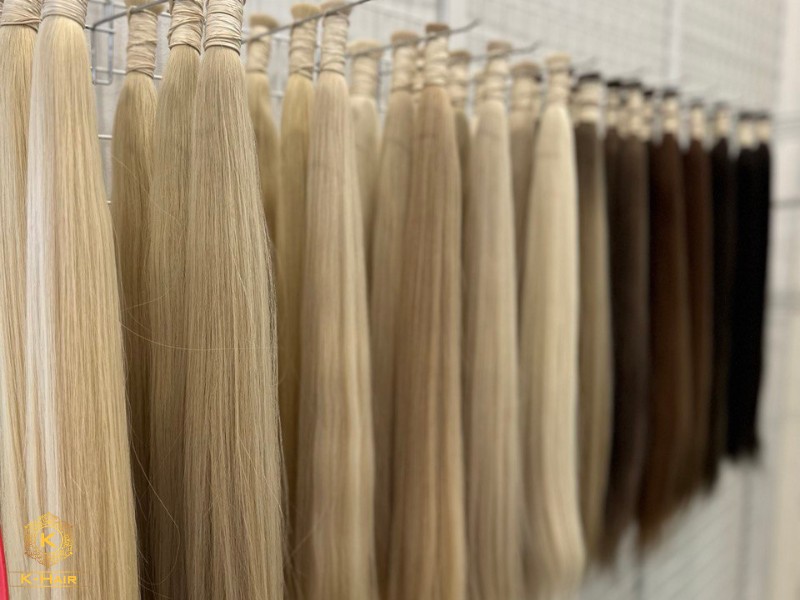
Before finalizing any 22-inch supplier, run these three physical verification tests on your sample order:
- Burn Test: Ignite a small section of the extension. Authentic human hair curls away slowly, releases white smoke, and leaves a soft, ash-grey residue that crumbles between fingers. Synthetic or acid-washed hair melts into dark, plastic-smelling beads.
- Bleachability Test: Apply a standard lifting formula to a 2cm section. Genuine raw Vietnamese hair from a single donor lifts cleanly and evenly to a #613 blonde within the expected developer time. Processed or mixed-donor hair develops unevenly with visible banding or a warm, orange residual cast that resists further lifting.
- Cuticle Swipe Test: Run a fine-toothed comb or fingernail firmly along the hair shaft from tip to root. Raw or cuticle-intact Remy hair produces minimal resistance and a smooth surface. Acid-washed or stripped hair — which has had its cuticle chemically removed — produces a noticeably slicker feel that degrades to tangling within 4–6 weeks of regular wear.
Manufacturer’s Insight: Why 22 Inches Commands the Highest Salon Margins
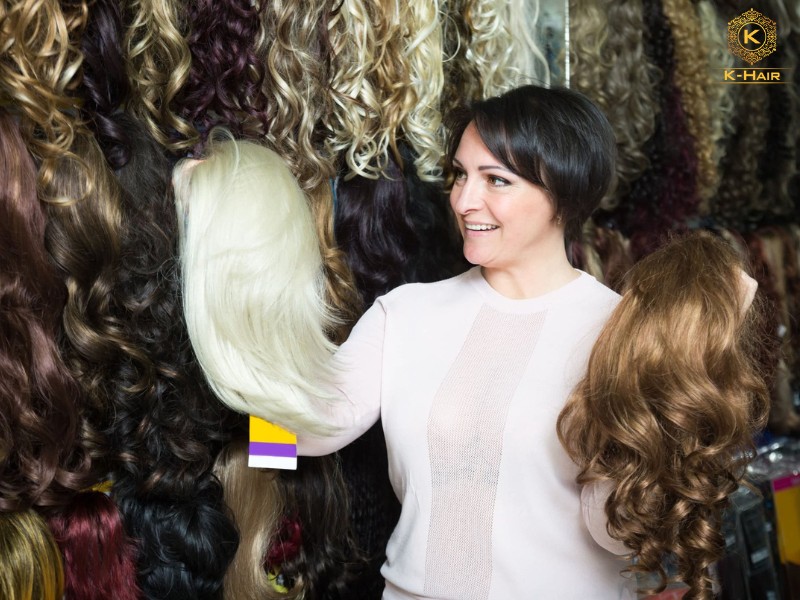
From the Factory Floor — K-Hair Production Data: A full 22-inch set at 150–180g requires approximately 185–230g of raw donor hair — accounting for cuticle alignment sorting, length grading, and weft construction waste. This is 60–80% more raw material than a comparable 16-inch set and 20–30% more than an 18-inch set. At factory-direct pricing, this translates to a legitimate cost differential of $25–$45 per 100g versus shorter lengths — a premium that carries through to retail as a justified $150–$300 per appointment price increase over bra-strap length services. Beyond the per-unit economics, 22-inch sets function as high-visibility “showpiece” inventory: salons that display before-and-after content featuring lower-back length transformations on social media consistently report a 30–40% increase in high-ticket appointment bookings within 60 days, based on feedback across our network of 9,000+ partner businesses globally. The 22-inch length is the single most photographed and shared extension result — making it a marketing asset, not just a product SKU.
Frequently Asked Questions
These are the questions our sourcing team fields most often — answered straight from the factory floor.
How long do 22 inch hair extensions look on your body?
At 55.88 centimeters, placement depends heavily on height. On most people between 5’3″–5’6″, this falls at the lower back — just past the bra line. On petite frames under 5’3″, the result reaches the hip or waist. On taller clients over 5’9″, it sits at the upper-mid back, functioning more as a volume play than a length transformation.
Are 22 inch hair extensions high maintenance?
Yes — more so than any shorter length in the standard range. At 55.88 cm, daily detangling with a loop brush starting from the ends is non-negotiable. Leave-in hydration applied from mid-length to ends every 2–3 days prevents the dryness and mid-shaft breakage that is the most common failure point for 22-inch sets. Expect to add 8–12 minutes to daily hair care routines compared to an 18-inch set. Semi-permanent formats require professional maintenance appointments every 6–8 weeks without exception.
Clip-in or tape-in — which works better at 22 inches?
For everyday wear, tape-ins outperform clip-ins at this length. The weight of a 22-inch clip-in set — typically 150–180g across 7–10 wefts — creates enough downward pull to cause midday slippage on all but the thickest natural hair, even with silicone-lined clips. Tape-ins lie flat against the scalp and distribute weight across a larger surface area, making them significantly more comfortable and secure during 8–12 hour wear days. Clip-ins remain the better choice for occasional and special-occasion use where they are applied and removed the same day.
What types of 22 inch hair extensions are most popular?
Hair wefts (sew-ins), clip-ins, and tape-ins account for the majority of 22-inch sales globally. Wefts dominate in markets with a high proportion of Afro-textured hair clients. Clip-ins and tape-ins split the straight-to-wavy segment, with tape-ins growing faster due to their seamless everyday blending advantage. Keratin bonds and nano rings represent the premium salon tier — lower volume but significantly higher revenue per installation.
Why are 22 inch hair extensions priced higher?
Two structural reasons. First, raw donor hair at 55.88 cm is significantly rarer than at shorter lengths — fewer donors worldwide grow hair to this length before cutting, which drives up raw material cost at the sourcing level. Second, the sorting and alignment process for long hair rejects a higher proportion of strands that do not meet cuticle or length consistency standards — increasing production waste by 20–30% compared to 18-inch processing. Both factors compound into a legitimate per-unit cost premium that carries through every tier of the supply chain.
Secure Your Wholesale 22-Inch Inventory
- 100% Cuticle-Intact Raw Hair — single-donor harvest with absolute structural alignment, entirely free from acid-washing
- Elite Drawing Profiles — consistent density from root to lower-back ends, zero see-through or stringy finish
- Factory-Direct Pricing — MOQ from 5 bundles, 10–14 business day lead time, 25–40% below distributor rates at this length tier
Browse our Wholesale 22-Inch Hair Catalog, follow our Official Facebook Page, or contact our sourcing team for a custom quote and free sample consultation.