
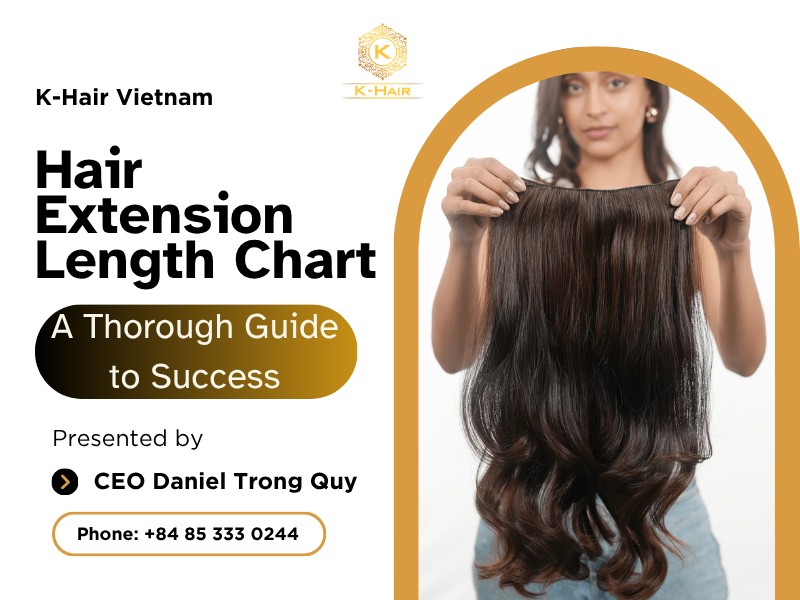
Choosing the perfect hair extension length should never be a guessing game. Picking the wrong size when shopping without a hair extension length chart is the single most common — and most expensive — mistake extension buyers make. A gorgeous 20-inch bundle that cascades to the waist on a petite 5’2″ model may only awkwardly hit the mid-back of someone who is 5’9″. Furthermore, failing to account for how curly textures shrink can leave you with a style that falls inches shorter than you envisioned.
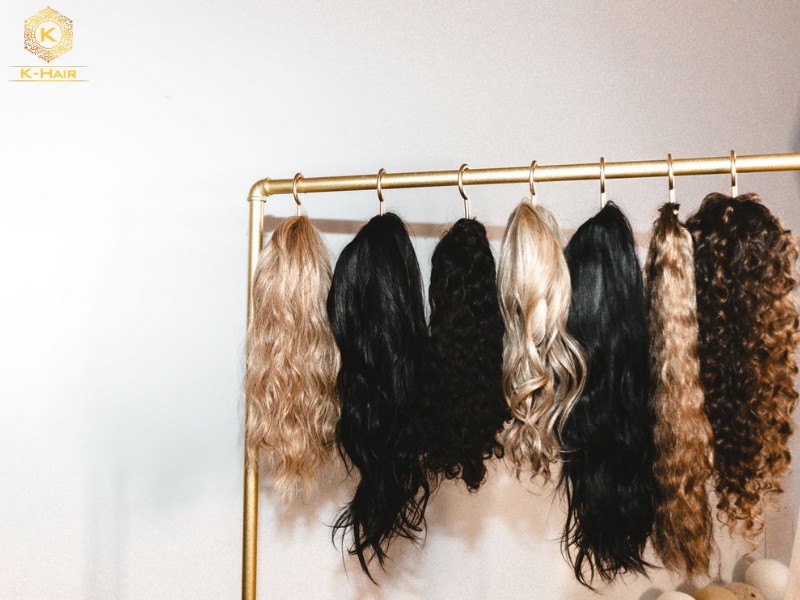
Whether you are an everyday buyer trying to seamlessly blend a new set of clip-ins, or a salon owner mapping out quarterly wholesale inventory to avoid dead stock, this guide is your blueprint. Our ultimate hair extension length chart removes the guesswork: mapping every inch by body landmark, texture shrinkage, and wearer height so you get it right the first time.
Standard Hair Extension Length Chart (Visual Map)
Before diving into blending techniques, you need a baseline. This hair extension length chart shows exactly where each measurement lands on an average 5’4″–5’6″ female frame. Note that all reputable factories measure hair when it is pulled completely straight. Wavy and curly textures will visually shorten the same bundle by 2–4 inches due to the natural compression of the hair coils.
| Length (Inches) | Straight Hair Placement | Wavy / Curly Placement | Best Use Case |
|---|---|---|---|
| 10″ – 12″ | Chin to shoulder | Above the shoulder | Adding thickness and volume to short bobs or lobs |
| 14″ – 16″ | Shoulder to collarbone | Resting at the shoulder | Natural, manageable everyday mid-lengths |
| 18″ – 20″ | Below collarbone to mid-back | Below shoulder to bra strap | Full, glamorous volume that is easily styleable |
| 22″ – 24″ | Mid-waist to lower back | Resting at mid-back | Dramatic, cascading long styles |
| 26″ – 28″ | Hips and beyond | Lower back to waist | Celebrity glamour and editorial photoshoots |
| 30″ – 32″ | Upper thigh | Hips | Runway, fantasy styling, and extreme transformations |
3 Golden Rules for Choosing Your Extension Length
A hair extension length chart is only helpful if you know how to apply it to your own body. Professional stylists rely on three core principles to ensure extensions look like they grew directly from the scalp rather than an artificial attachment.
Rule 1 — The Minimum Starting Length
You cannot attach 24 inches of hair to a pixie cut and expect it to look natural. Your natural hair must be at least 4 to 6 inches long (roughly chin-length) to properly conceal the attachment points. Whether you are using clips, tape tabs, keratin bonds, or weft tracks, there must be enough natural hair density at the crown and sides to drape over the extensions. Anything shorter, and the tracks will aggressively show through at the root — resulting in the dreaded “mullet” effect.
Rule 2 — The Blending Strategy
The secret to undetectable extensions lies in the length ratio between your natural hair and the hairpieces. For a seamless, flowing result, always choose extensions that are within 4 inches of your current natural hair length. If your goal is purely to add thickness to thinning hair without changing your silhouette, staying within 2 inches of your own length creates a flawless, zero-effort blend.
If you want a dramatic transformation and purchase extensions that are 6 to 10 inches longer than your natural hair, standard clipping or taping will not work on its own. You will experience a visible “shelf” where your real hair bluntly ends. Bridging this extreme gap requires a professional stylist to razor-cut face-framing layers and thin out the ends of your natural hair to transition smoothly into the longer pieces.
Rule 3 — Your Height Changes Everything
Length is relative. The distance from the nape of your neck to your waist is physically longer if you are taller, meaning the exact same bundle will sit differently on different bodies. The hair extension length chart above is calibrated for a 5’4″–5’6″ reference height. Here is how to adjust:
- Petite (Under 5’3″): Subtract one length tier. A 20-inch bundle will behave like a 22-inch waist-length cascade on you. Ordering 24 inches or above may overwhelm a smaller frame.
- Average (5’4″ – 5’7″): Use the standard chart as-is. The placements will be highly accurate to the visual map.
- Tall (5’8″ and above): Add one length tier. A 20-inch bundle will likely only reach your mid-back. Order 22″–24″ minimum to achieve that classic waist-length drape.
Which Hair Extension Length Is Right For You?
Beyond blending mechanics, your daily lifestyle and maintenance tolerance dictate which section of the hair extension length chart you should invest in. Let’s break it down by category.
Short Lengths for Manageability (10″ to 14″)
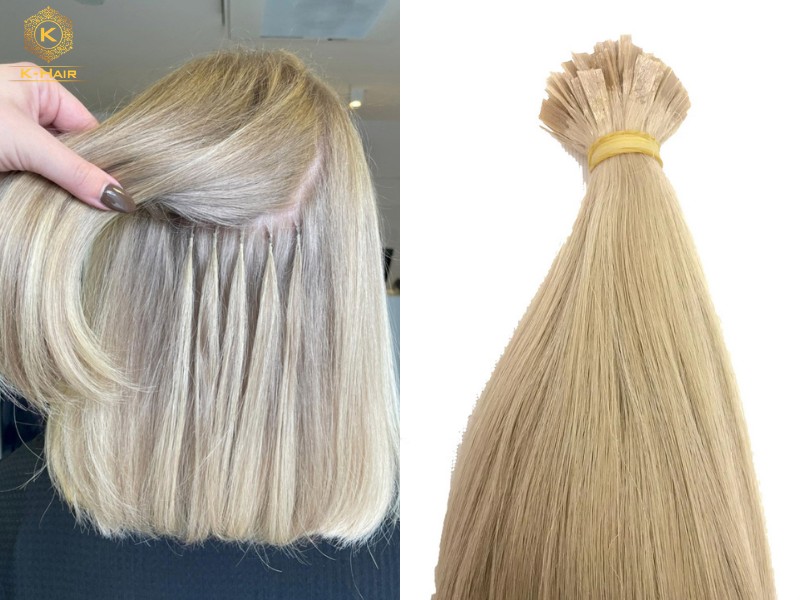
At the short end of any hair extension length chart, 10″–14″ extensions are the unsung heroes of the hair industry. They are not about show-stopping drama — they are about density, structure, and corporate chic. They blend invisibly into existing blunt bobs and trendy lobs, adding massive density to thin or aging hair without annoying bulk. The Hairdo 12″ Loose Wave Extension is a go-to pick for fine-haired clients who want weekend-ready volume without committing to a heavy, high-maintenance routine. If you prefer an even shorter option, 10-inch extensions create a perfectly blunt jaw-line bob.
Medium Lengths for Perfect Balance (16″ to 20″)
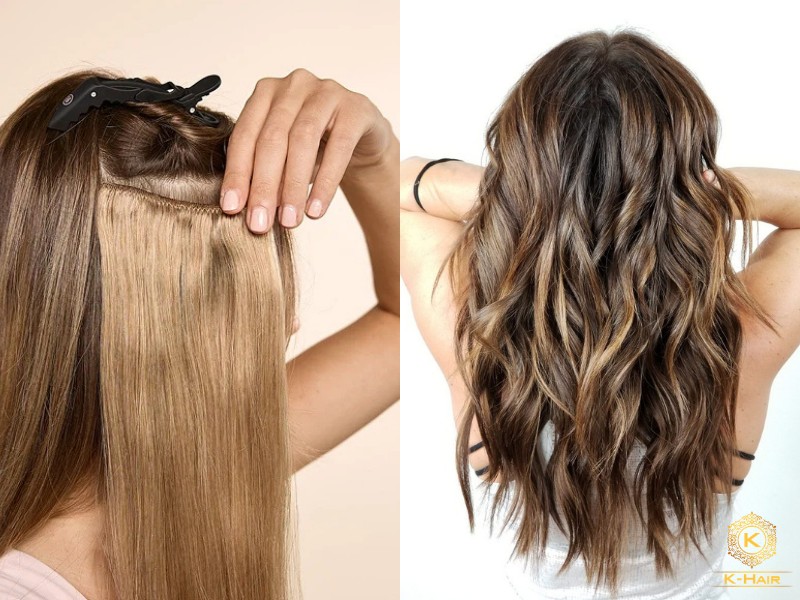
On any hair extension length chart, the 16″–20″ range is the undisputed sweet spot of the global hair market. Long enough to style into romantic bridal waves or a bouncy blowout, yet short enough to wash and detangle quickly. The Sassy Collection 18″ Silky Straight Extensions represent the industry standard here — this 18″–20″ bracket accounts for over 60% of all wholesale retail orders globally. For a slightly more understated look, 16-inch extensions offer that natural, healthy drape without crossing into dramatic territory.
Long & Dramatic Lengths for Luxury (22″ to 32″)
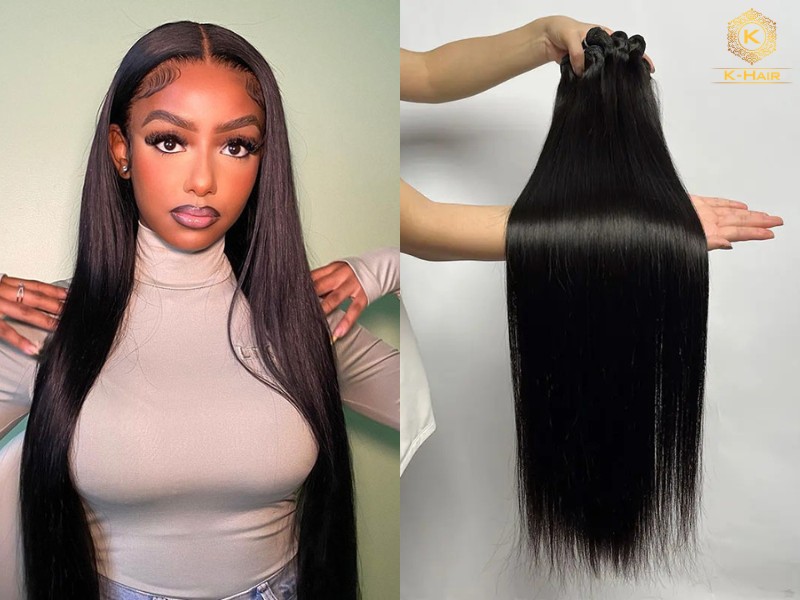
Once you cross the 22-inch mark on the hair extension length chart, you are entering high-end luxury territory. These extreme 26-inch and 28-inch bundles cascade past the waist and down to the hips, creating the dramatic silhouette favored by influencers, editorial shoots, and VIP salon clients.
However, extreme length comes with extreme responsibility. A 28-inch bundle packs significantly more fiber weight than a 16-inch bundle, placing more tension on your natural roots. These lengths require meticulous daily brushing, deep hydration treatments to prevent ends from drying out, and strict sleep-care routines (silk bonnets or loose braids) to prevent severe matting at the nape.
The Texture Shrinkage Factor: Straight vs. Wavy vs. Curly
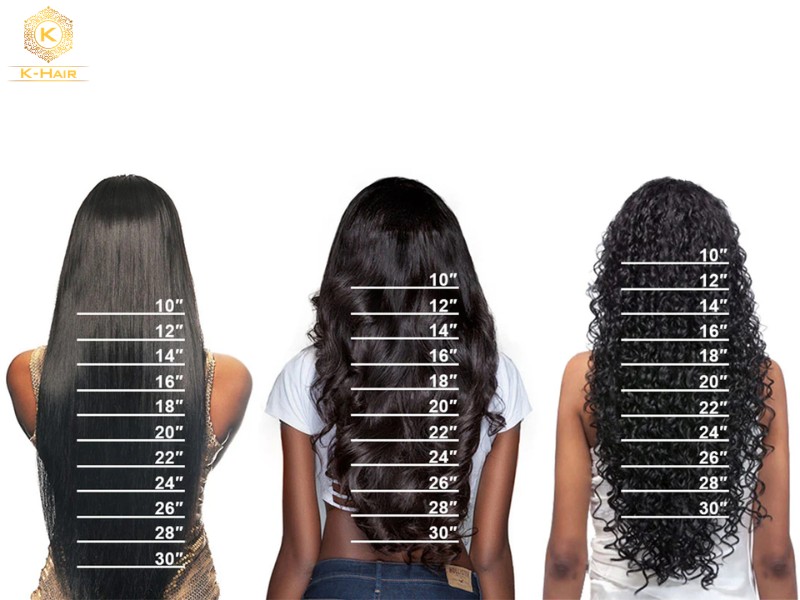
A crucial detail that causes buyers to misread their hair extension length chart is a misunderstanding of how extensions are quantified. In the global manufacturing industry, all hair is measured when pulled completely straight. This measurement reflects the absolute fiber length — not the visual hang length after a curl pattern springs to life.
| Purchased Length | Straight Hair (Visual Drop) | Wavy Hair (Visual Drop) | Deep Curly (Visual Drop) |
|---|---|---|---|
| 14″ | Collarbone | Top of shoulders | Neck |
| 16″ | Upper back | Shoulders | Top of shoulders |
| 18″ | Mid-back (shoulder blades) | Upper back | Shoulders |
| 20″ | Below shoulder blades | Mid-back | Upper back |
| 22″ | Lower back | Below shoulder blades | Mid-back |
| 26″ | Below waist / Hips | Waist | Below shoulder blades |
| 30″ | Upper thigh | Hips | Lower back |
Actionable rule: If you want curly or wavy extensions to visually reach a specific landmark, order 2 to 4 inches longer than the straight-hair equivalent on the chart. Deep Kinky Curly textures shrink by up to 22% — a 24-inch curly bundle will look identical to an 18″–19″ straight bundle when worn.
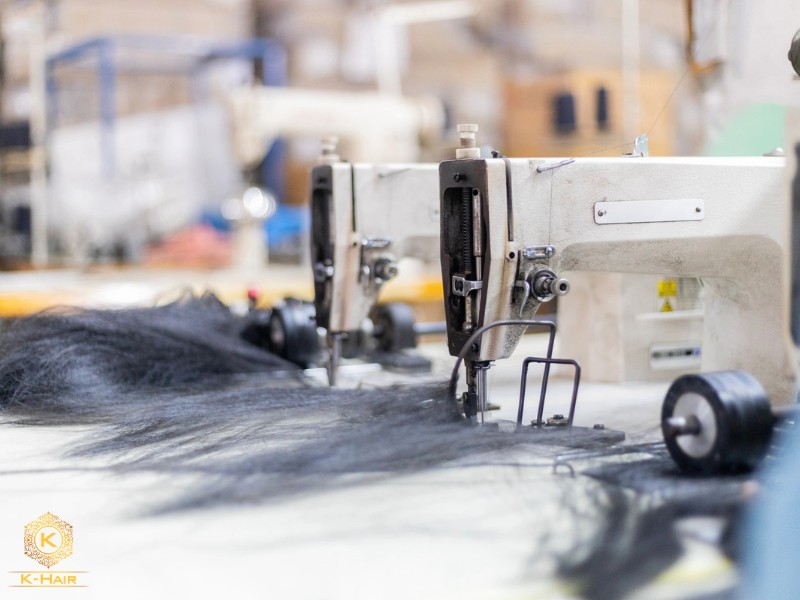
Manufacturer’s Insight — From the K-Hair Factory Floor: At our Hanoi facility, every raw Vietnamese hair bundle is measured taut before machine-wefting. Our QC team records both the measured length and the natural curl-spring length side by side on each batch certificate. For deep wave and kinky curly textures, the spring-back rate averages 18%–22%. We always recommend clients ordering curly textures size up by at least 2″. MOQ starts at 10 bundles per texture per length; standard production lead time is 7–14 business days for lengths up to 24″, and 18–25 business days for 26″ and above.
Wholesale Length Pricing Guide for Salon Owners

If you are a salon owner or distributor, understanding the hair extension length chart is only half the battle. You must also understand how length dictates global raw material pricing. Longer hair is genuinely scarcer — a single donor must grow their hair untreated for 4 to 6 years to produce a healthy 26-inch bundle. This biological scarcity creates an exponential pricing curve.
Optimizing Your Inventory Structure
To avoid trapping capital in dead stock, build your inventory around realistic market demand:
- 10″ – 16″ (Fast-turn inventory): Lowest per-bundle cost, high volume turnover. Keep at 30% of total stock.
- 18″ – 24″ (Core Revenue Engine): Where you make your money. Consistent demand, premium retail pricing. Allocate 55%–60% of your inventory budget here.
- 26″ – 32″ (Prestige / VIP Segment): High margin, slow-moving. Keep at 10% of inventory, or fulfill on pre-order only to avoid cash flow lock-up.
Maximizing ROI with Bundle Deals
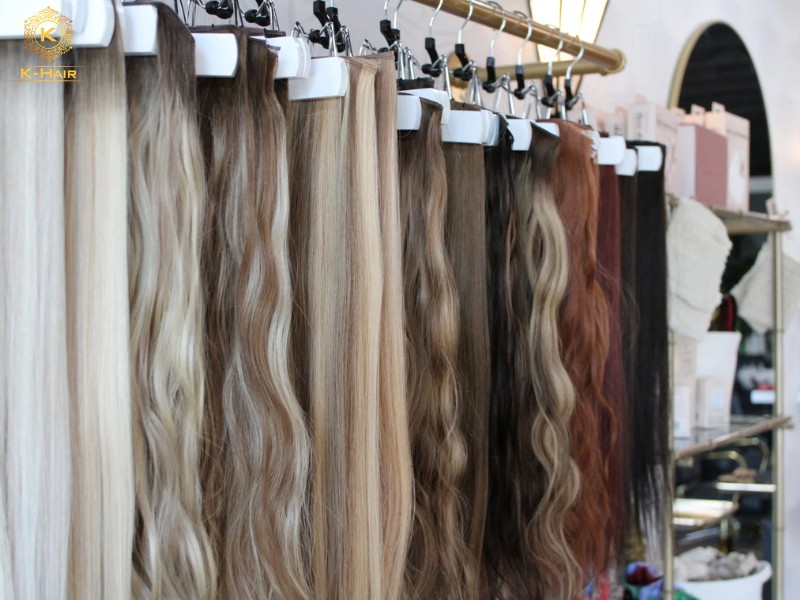
Because scaling length costs more per inch, smart wholesale buyers use mixed-length bundle strategies — for example, pairing 18″ + 20″ + 22″. Layering a shorter bundle with longer ones lowers the overall blended cost compared to buying three 22-inch bundles, while creating a naturally layered look that boosts your Average Order Value (AOV) and protects profit margins.
→ Shop direct: K-Hair Wholesale Raw Vietnamese Hair Bundles — Factory-Direct Pricing
Frequently Asked Questions on Sizing and Blending
These are the questions our sourcing team fields most often about the hair extension length chart — answered straight from the factory floor.
How do I know what length hair extensions to get?
Start with two data points: your current natural hair length and your target visual goal (collarbone, waist, hips). Consult the hair extension length chart above to find the inch measurement that matches. If adding length for the first time, stay within 4 inches of your natural hair length for a seamless blend without heavy cutting.
Does height affect hair extension length?
Yes — significantly. A 20-inch extension reaches the waist on a petite 5’2″ frame but only sits at mid-back on a 5’8″ frame. Always measure from your own nape with a soft tape measure to see exactly where a specific inch count falls on your torso before ordering.
Why do curly extensions look shorter than straight extensions?
All hair bundles are stretched and measured completely straight before factory labeling. When a curly or wavy texture activates, the coils spring upward and compress visual length by an average of 2 to 4 inches. To achieve a 20-inch curly look, buy a 22-inch or 24-inch bundle.
Can I cut my hair extensions if they are too long?
Absolutely — and it is often recommended. High-quality human hair extensions benefit from a professional trim to blunt the ends and add face-framing layers. It is always safer to order 2 inches longer than you think you need, giving your stylist freedom to cut and blend perfectly into your natural silhouette.
Stock True-To-Length Premium Hair
Stop guessing with your inventory sizing. Partner with K-Hair Vietnam to secure perfectly measured, true-to-length raw hair bundles at unbeatable factory-direct prices.
- ✅ True-to-Length Guarantee: Thick, healthy ends from 8″ all the way up to 32″, measured taut with zero cheating.
- ✅ 100% Raw Vietnamese Hair: Unprocessed cuticles ensuring zero tangling and a 3-to-5-year reusable lifespan.
- ✅ B2B Wholesale Margins: Bypass the trading middlemen and maximize your salon’s ROI with our scaling volume discounts.


Pingback: The Ultimate Vietnam Hair Factory Wholesale Price List 2026
Pingback: Ponytail Hair Extensions: A Wholesale Buyer's Guide