Either you are a professional hair stylist, or an inexperienced salon client, or even someone who has never got their hair done in professional surroundings, you all must have heard or been familiar with the term “balayage hair” at some point. In fact, thanks to the development of social and mass media, the popularity of this particular hair coloring technique has been revived and reemerged – even becoming the favourite hair look of many celebrities out there, such as Hailey Bieber, Cara Delevingne,… Therefore, as a media-consumer, such a popular and widely in favour coloring hair method and its stunning photos are often hard to ignore, which stirs up people’s curiosity, leading to questions like “What is Balayage Hair?”
To satisfy your curiosity, this article – composed by hair experts, will provide you with all the answers you might need to understand balayage, its techniques, definition, as well as what features have made it so popular and favoured by so many people in the field.
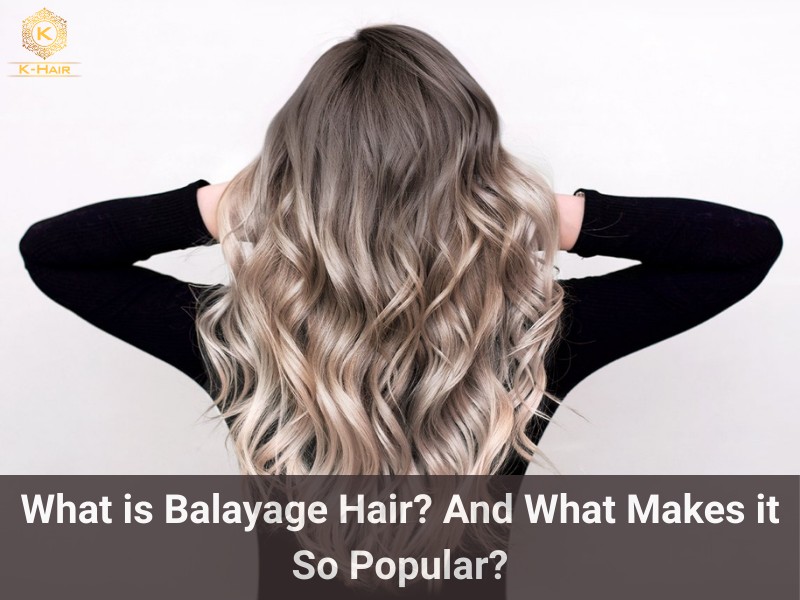
1. What is Balayage hair?
To understand balayage hair is rather a multi-step journey, and the first step is to gather surface-level information about its definition and techniques, answering the basic question – What is Balayage hair?
Unlike most people might assume, balayage hair is not a distinct hair coloring technique from highlights, rather, based on its color application and color contrast – it is a type or a subcategory of hair highlighting. Which means that, much like the highlighting method, balayage hair will also use bright, lighter hair colors to add more depth and contrast to the basic natural hair color. Therefore, the differences between these two will lie mostly in the distinct application method of the balayage hair.
The original hometown of the balayage hair coloring technique is France – where the technique first invented in the 1970s, before gaining popularity across Europe and making its way to the United States in the 1990s. Hence, the term “balayage”, which means “to sweep”, is also rooted from the country’s language, reflecting on its application methods.
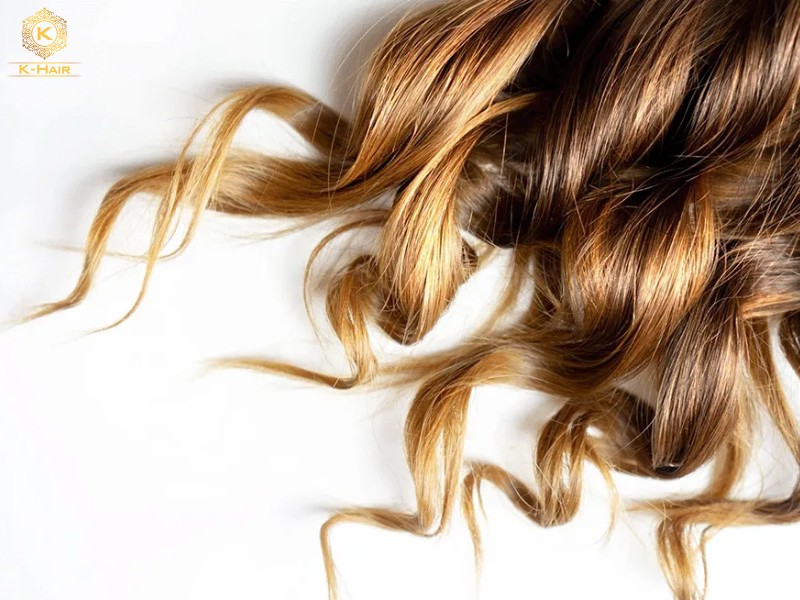
Compared to the traditional foiling method of most hair highlights, balayage hair’s coloring method is quite distinct. Much like its name “to sweep”, during the application, the stylist will free-handedly paint and apply the hair bleach or color lightener onto the client’s hair and let it sit without wrapping it with foil like the classic highlights. And for the results, the chemicals, once fully absorbed, will deliver a natural-looking, smooth color blending, mimicking a sun-kissed, naturally exposed hair look that seems like you have been out in the Sun for a while.
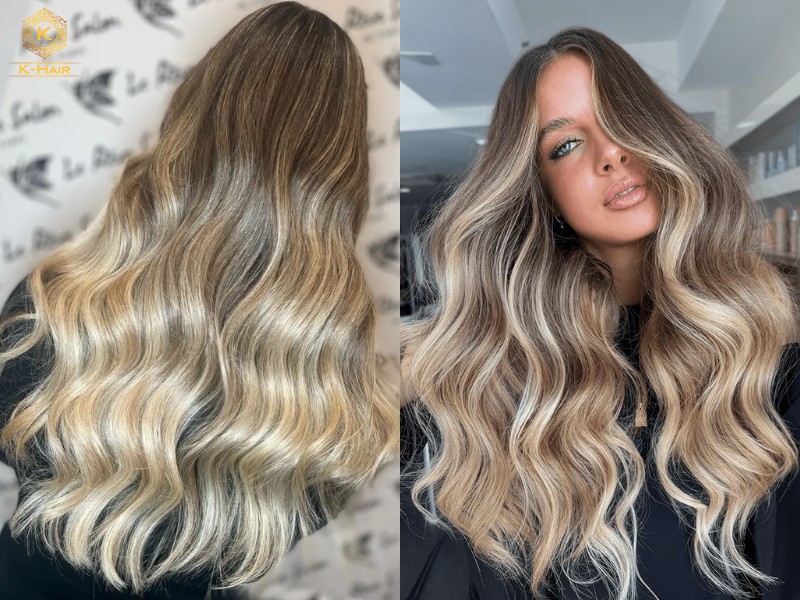
When it comes to balayage coloring application, clients stand between two choices: a partial or a full balayage. The partial balayage will deliver a true sun-kissed look, where the hair bleach will be applied only to the outer layer or a specific section of the hair line; while the full balayage will penetrate further into the hair volume – adding brightness to a huge proportion of the hair, delivering a more sophisticated look and a thorough blending effect.
2. What Makes Balayage so Popular?
The next key information to research when learning “What is balayage hair?” is to find out the reasons for its resounding market success and high market demands. With more than 50 years in the market, and more than 30 years since its debut to the United States, balayage hair has never lost its charm and style. Especially, during the 2010s, this specific hair look has once again, made its way to popularity, winning favour from numerous celebrities and made way to red-carpet appearances. Ever since, balayage hair has become one of the trendy, essential salon services, demanded and loved by many clients across the globe. However, what could be reasons for such impressive market popularity you might ask? Well, the answers are simpler than you might assume:
- Versatility: one of the major strengths of balayage hair is that the style can be applied with more versatility compared to most other hair coloring techniques out there. In fact, based on the color distribution alone, hair clients can enjoy numerous options: from applying the bleach on a smaller bottom section, to a larger, and to the entire bottom-length of the hair → each with their own features and overall hair look. Hence, during application, hair stylists can based on their client’s face feature, skin tone and hair lengths to choose the most suitable color, hair bleach placement and techniques that best serve that customer’s desired effect. Due to having such diversity, balayage hair can suit a wide range of hair demands → making sure that there is a suitable balayage look for all clients out there.
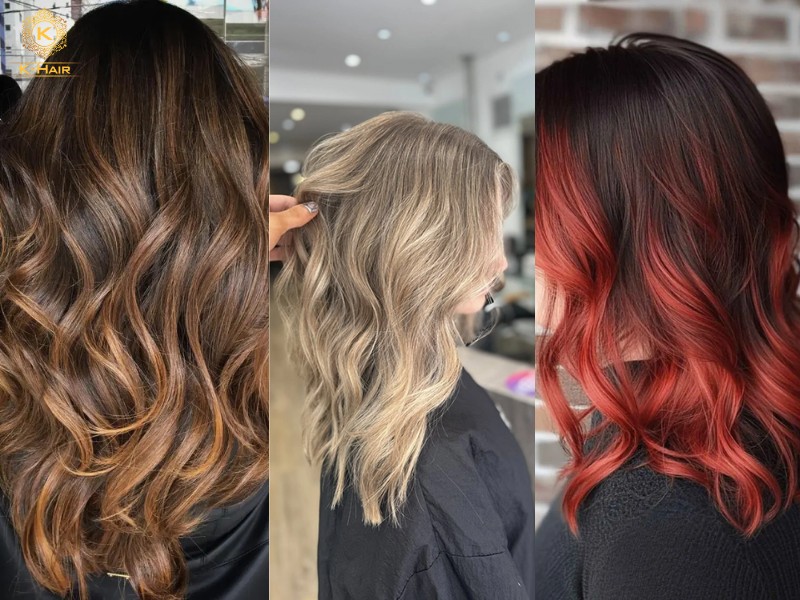
- Natural appearance: clients getting balayage hair can benefit from a much more natural-looking hair coloring effect compared to other techniques. Indeed, instead of establishing sharp color contrast between different hair strands to create the iconic sun-kissed look, balayage hair achieve the same effect by creating a smooth blend between different hair length section of the hair – deliver a more natural color contrast without making the hair look dramatic or too polished to ones’ liking. Furthermore, by applying colors without foiling the hair, balayage hair can create a more natural-looking coloring effect, with a more seamless and soft color transition line → offering a sense of elegant and effortless beauty to the look.
- Volume and Depth: when learning what is balayage hair, you will know that, by adding brighter and more eye-catching shades of hair color to the original hair look, salon visitors can achieve more depth and dimension to their original flat and basic natural hair colors. Indeed, by adding lighter tones onto the darker natural hair shades, balayage hair can create an optic illusion of having more dimension and volume to the hair – hence, besides making the hair look more dynamic and trendy, the method can also make the hair look thicker and more voluminous. Therefore, for hair clients with thinning hair, using this coloring technique would definitely integrate their hair with more depth, creating a fuller, and thicker hair look.
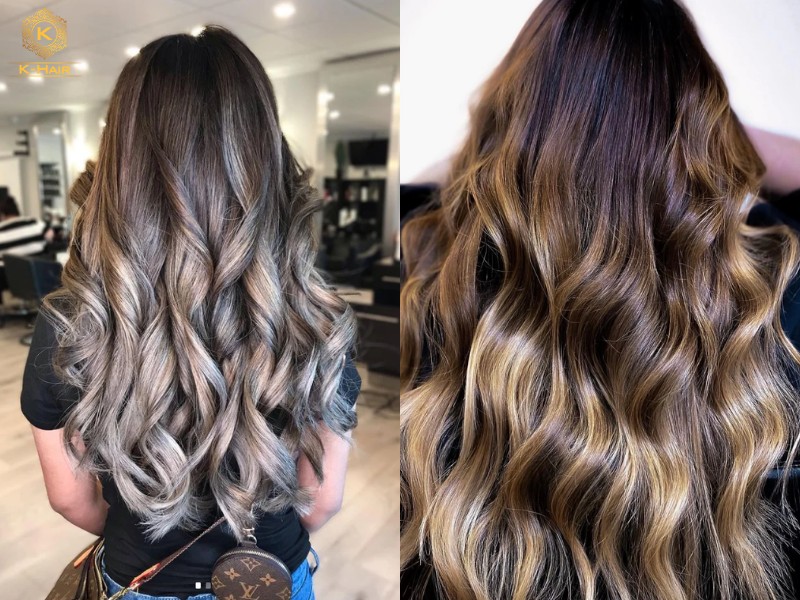
- Non-allergic & Less damaging: discussing hair damage, the traditional highlighting technique would definitely be the more damaging one – given that the bleach will be applied directly from the roots of the hair. For clients with sensitive scalp or allergy to the intense odor from the chemicals – sitting through the process would be a literal hell. However, things are different for hair balayage hair, the hair bleach will only be applied at the mid lengths to the hair ends – rather than going straight to the hair roots themselves – saving the clients from any possible discomfort or irritation. Furthermore, by applying the solution to the hair ends only, balayage technique still leaves the hair roots at their untouched and pristine health – allowing it to continue growing without taking damage from the intense coloring chemicals at the bottom lengths.
- Low-maintenance: one thing or two about what is balayage hair is that the technique can create a completely manageable and easy to maintain hair result. Indeed, by targeting the bottom lengths of the hair strands only rather than bleaching the entire strands, balayage hair creates less damage as it leaves out the top-length untouched → demanding less time and effort spent on maintenance. Furthermore, with such soft and seamless color blending lines, balayage hair tends to grow out naturally, leaving no awkward or visible transitioning lines, saving hair clients from paying multiple lengthy visits to the salon for coloring touch-ups → time and cost-effectiveness all in one place.
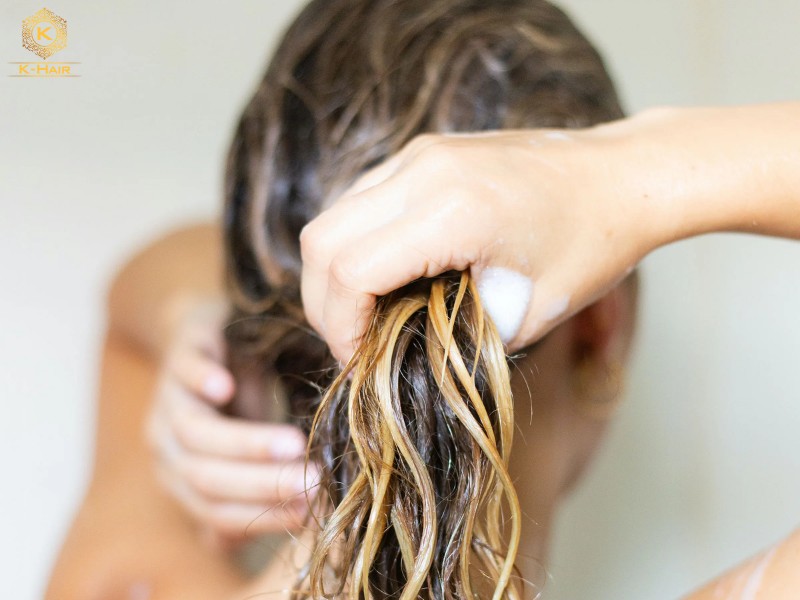
These reasons are behind the global recognition of this specific coloring technique. Indeed, despite having been in the market for so many years, balayage hair still remains one of the most popular and widely-requested coloring services out there – proving that, rather than being out-dated or old-fashioned, the global sensation with balayage hair is truly here to stay!
3. Differences between balayage hair and highlight hair
One of the most common mistakes made by both experienced and inexperienced hair professionals and salon customers is that they often misunderstand the two and mistake them as one – assuming that they can be used interchangeably. However, this assumption is completely wrong, especially considering what is balayage hair. Although balayage hair can be considered as a type of highlighting method, comparing the two coloring techniques, we can still notice multiple differences regarding their application, maintenance and overall hair look:
| Balayage | Traditional Foil Highlight | |
| Application | Using the free-hand method: → The stylist will apply the hair bleach directly onto the bottom-lengths of the hair and allow the chemical to be absorbed inside without using any materials to isolate the section | Using the foiling method: → The stylist will apply the hair bleach onto the entire section of the hair from the roots, and keep the section in foil to keep the chemical from fading or blending with other hair sections. |
| Placement | The hair bleach will be applied at the mid-lengths and goes toward the ends → without touching the roots of the strands
→ The colors only focus at the ends of the hair. |
The hair bleach will be applied from the roots to the hair ends of the coloring section → covering the entire hair length
→ The colors will be evenly distributed throughout the strands |
| Appearance | As the colors only starts from mid-lengths to hair ends:
● Balayage can offer a seamless blend from the dark colors at the roots to the lighter shades at the ends ● By free-handedly painting these shades, there are no obvious transitioning lines between the two length parts → Delivering a soft, natural and sun-kissed color gradient without looking unnatural or too dramatic. |
As the color goes straight from the roots to hair ends:
● Highlight can deliver a sharper color contrast from different hair sections → leaving out hair streaks with brighter colors than the rest. ● There are no color transition lines yet – as the hair bleach is applied directly at the roots. → Deliver a more defined, uniformed and eye-catching hair coloring look. |
| Maintenance | Is much easier to manage than the traditional foiling technique:
|
Is slightly harder to maintain than the balayage hair:
|
| Hair damage | Less damaged hair than the classic foiling technique:
|
More damaged hair than the balayage hair technique:
|
| Cost | Often demands a higher initial cost compared to the traditional foil highlight, due to the technique and time required | Lower initial cost, but might demand more maintenance effort and touch-ups → contributing to a higher long-term expense |

4. Balayage hair suitable for?
When learning what is balayage hair, people will soon realize that this coloring technique can be used for almost all hair types, textures and thickness.
Indeed, everybody can get themselves a balayage hair look to add more dimension, depth and volume to their original hair look, by adding more contrast and color diversity to the basic, flat hair color. This means that, for clients with thinning, flat hair look, adding a bit of balayage coloring to their hair would definitely create an optic illusion of having thicker, more voluminous and fuller hair, without adding damage to the hair roots and disrupting its natural hair growth.
For clients wanting that natural shine, sun-kissed effect, balayage hair can also deliver. Indeed, the lighter, brighter hair shades at mid-to-bottom hair lengths can definitely mimic a laid-back, holiday vibe, looking like you have spent your time in some tropical, sunny place – hence the faded and lighter shades. On top of that, these brighter shades are also a real attention-catcher, as it adds more highlight and brightness to your overall hair look. And if the color is selected carefully, balayage hair can also be used as a colorful and vibrant base to uplift your face features and skin tones – creating the ultimate subtle yet stunning hair look.
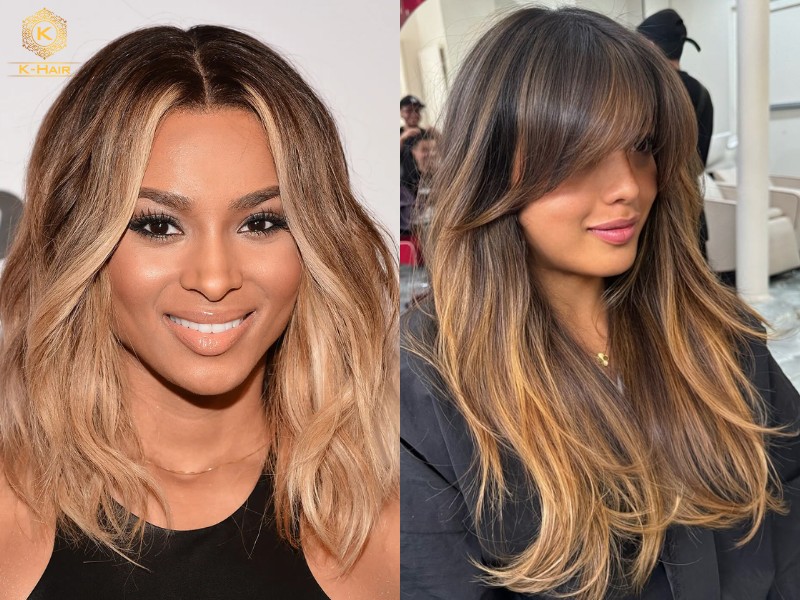
In today’s world, given the busy lifestyles of many women across the globe, less and less of them are willing to spend their precious time and schedule on lengthy and tiring salon visits just to maintain and care for their hair. Hence, instead of going for the classic and hard-to-maintain foiling highlights, many women have switched to balayage hair – a more manageable and convenient alternative to better suit their tight working schedule. Another plus of balayage hair is that it still leaves the hair roots completely untouched and in its pristine state. Hence, even if the bleached hair part is damaged, the clients can still maintain a healthy hair growth rate at the root and replace the bleached part.
Notes: learning what is balayage hair, you have to understand that even though the balayage hair technique are said to be for everyone, several cases are still highly advised against using this coloring technique:
- Clients with severely damaged hair: one thing for certain is that, people with highly damaged hair from prior heat-styling and chemical involvement should focus more on maintaining and caring for their own hair, rather than jumping to another intense coloring treatment like the balayage. Indeed, even if the chemical is applied only to the mid-length reaching downward, using hair bleach or color lightener can penetrate even further through the outer protective layer and cause the hair to take even more damage. In the worst cases, after the application and rinsing of the residues, the damaged hair can even fall out or break down completely.
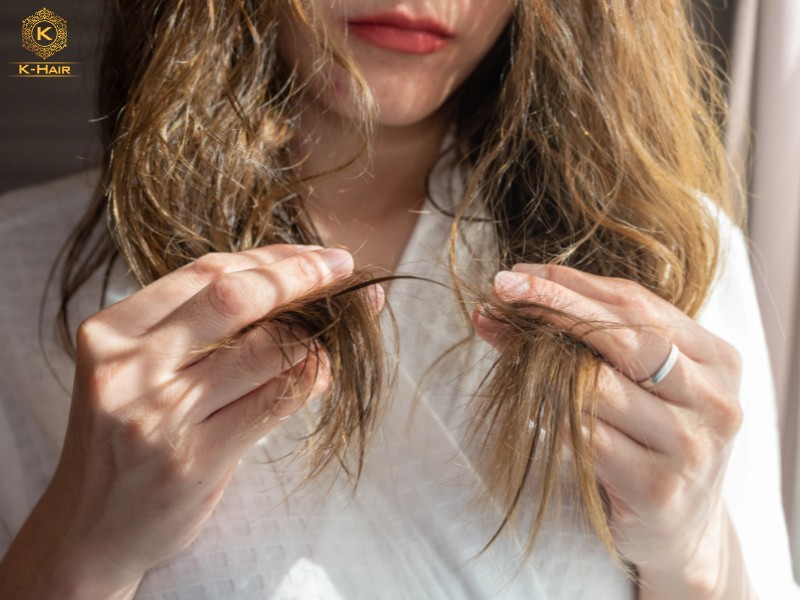
- Clients wanting extremely light color on dark hair base: hair clients with dark hair color bases, such as black, dark-brown hair, should also bear in mind that, to achieve the extreme light color and a sharp color contrast, the stylist would have to bleach their hair multiple times, causing layers of damage to the original healthy hair. Doing this is not ideal, for that the collective damage from the process can easily strip off more natural hair oil, protective cuticles of the strands, making the hair more prone to dehydration and breakage.
- Chemically coated hair: salon clients whose hair has already been treated with chemicals – clients with box-dyed, straightened or keratin-treated hair, are also not suitable for balayage coloring treatment. For these cases, the final hair color would most likely come out uneven or spotty, due to the excessive chemical residues on the hair. Hence, these clients are often better off with the classic foiling technique – the highlighting method able to penetrate through layers of build-up and achieve the desirable coloring products.
5. Maintaining Balayage hair at home
The next step in learning “what is balayage hair” is to know how to maintain it. Indeed, as beautiful as it can look fresh out of the salon, the nature of colored hair is that, the coloring outcome can be quick to fade, or even worse, the hair can easily dry out, making the overall balayage hair look dull and lifeless. Hence, to maintain that perfect salon-made hair look, it is crucial for all clients to be aware of the necessary maintenance steps for this specific coloring method:
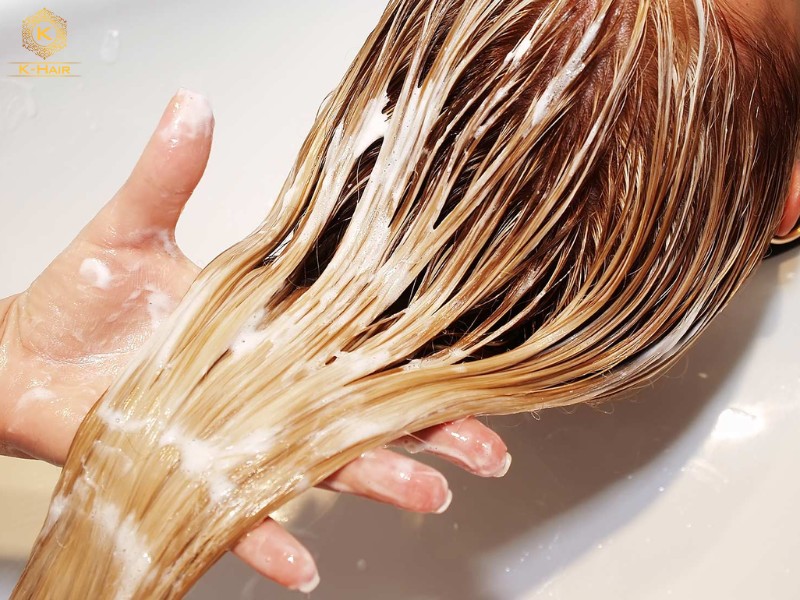
- Choosing the right washing products: for balayage hair, picking the right washing products is absolutely essential, since the wrong shampoo can make the color fade out quickly and leave the whole look flat and lifeless. With all the products available on the market, clients should always reach for sulfate-free, color-protecting shampoos and conditioners. These formulas are gentler, help the hair stay moisturized, and prevent the cuticles from opening too much, which is one of the biggest reasons why dyed hair loses its color so fast. Because balayage usually involves lighter ends or brighter face-framing pieces, adding a purple or blue shampoo into the routine can help cancel out any brassiness and keep the blonde sections clean and bright. Meanwhile, for balayage that leans deeper or warmer, using color-depositing conditioners can help refresh the tones and bring back dimension after each wash.
- Enhancing the colors: to keep a balayage looking shiny, dimensional, and as fresh as the day it was done, clients can also add a few color-enhancing products into their weekly routine. Lighter balayage pieces benefit a lot from glossing treatments or toning masks, since these help push away any unwanted yellow or orange tones while restoring that reflective shine. For balayage with richer or deeper shades, moisture-heavy masks or lightweight oils infused with color-enhancing ingredients help keep the darker tones smooth, defined, and full of depth. Using these kinds of products consistently doesn’t just help the color last longer, it also tackles dryness, which is one of the most common issues after any chemical coloring.
- How to properly wash the hair: proper washing techniques also play a major role in keeping balayage looking good, since overwashing or rough washing can fade the color way faster. Clients should try to wash their hair only 2-3 times a week so they don’t strip away the natural oils that protect both the strands and the color molecules. It’s also better to wash with lukewarm or cool water, because hot water raises the cuticles, making the color rinse out faster and leaving the hair drier and frizzier. Gently massaging the scalp while avoiding aggressive scrubbing on the colored lengths can help maintain an even, shiny color result and prevent the balayage from losing its dimension.
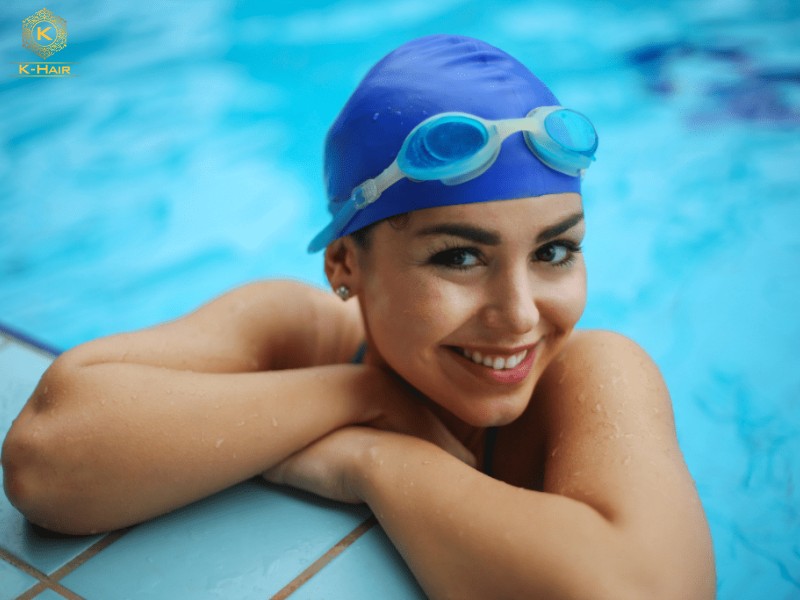
- Protection from external factors: external factors like heat styling, UV rays, chlorine, and pollution can all shorten the lifespan of balayage hair. So it’s important to limit heat usage whenever possible, always apply a heat protectant before styling, and avoid daily heat if you can. When staying outdoors, wearing a hat or using UV-protectant sprays can shield the hair from sun damage, balayage tends to fade faster in the lighter areas, so extra protection really matters. And for clients who swim often, especially in chlorinated pools, wetting the hair beforehand, adding a leave-in conditioner, or using a swim cap can reduce chlorine absorption, one of the main culprits behind color distortion and extreme dryness.
Read more: Hair Lowlight vs Hair Highlights
6. Conclusion
With the information provided in this article, we hope that we have managed to assist young women in the hair industry with the overall information, tips, and most importantly, what is balayage hair. Navigating through the complex hair industry requires long-term commitment and support from trustworthy partners, we proudly present ourselves not only as a trusted hair expert, but also a supportive friend who will always have your back in this somewhat overwhelming market.
Tired of taking care of your natural hair and thinking about switching to hair extensions and wigs? Contact us through the following link:
- Website: https://khairvn.com/
- Address: 10A, 171 Nguyen Ngoc Vu, Cau Giay, Hanoi, Vietnam
- Phone: +8492 633 2545 (WhatsApp)
- Email: [email protected]
- Facebook: https://www.facebook.com/KHairFactoryVN/
- Youtube: https://www.youtube.com/c/KHAIRFACTORYBESTVIETNAMHAIR
- Whatsapp: +8492 633 2545