
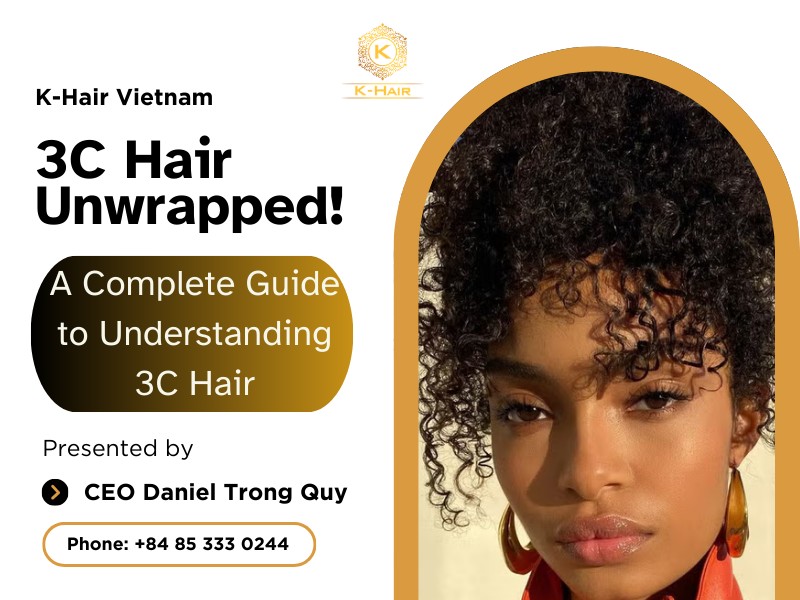
To many, 3C hair stands out as a vibrant and dynamic curl type, instantly recognizable by its lustrous, springy, and energetic coils. Its bold volume and eye-catching presence are often the first traits that come to mind.
However, these impressions only scratch the surface. To truly understand what defines 3C hair, it’s important to look beyond its appearance and explore the characteristics that shape it at a deeper level. This is also what this article aims to provide, with in-depth information about the curl patterns, maintenance needs, as well as its distinct features that make 3C as special as it is.
1. What is 3C Hair?
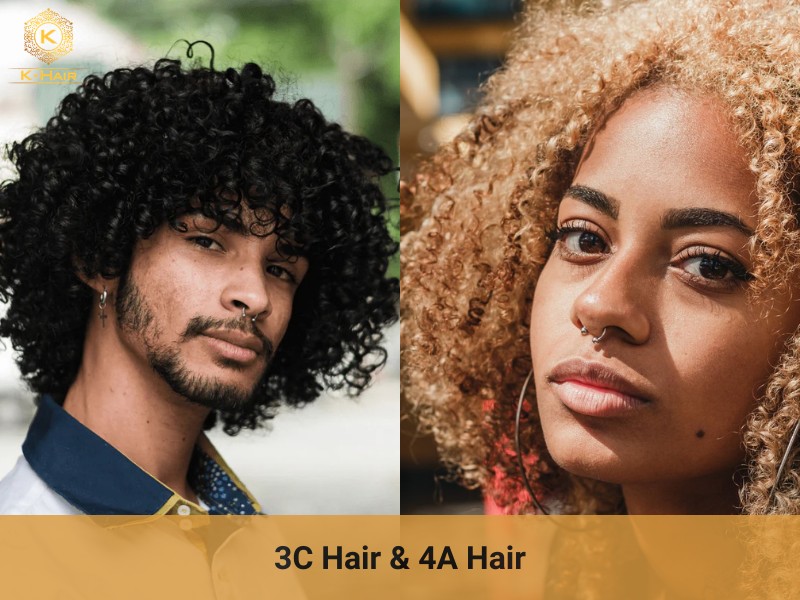
According to the Hair Typing system, 3C hair is the last member of the curly hair family, positioned at the border between curly and kinky hair. Hence, 3C hair would possess many unique traits of both, such as volume, shrinkage. In fact, for those blessed with 3C hair, you can notice that your hair might appear to have much more volume and texture compared to your curly-haired friends.
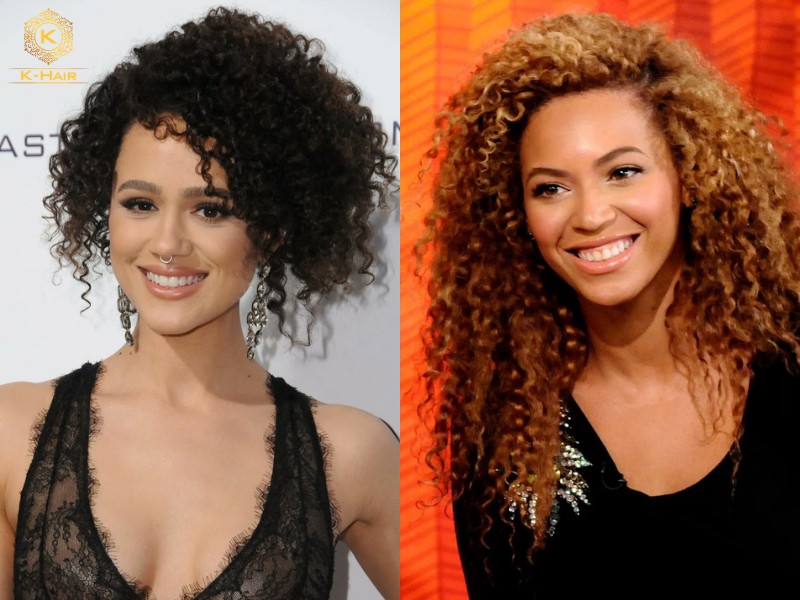
Some celebrities who also have this unique hybrid hair might include Nathalie Emmanuel – the talented British actress, or Beyonce – the global all-star icon,… Hence, if you ever feel like your hair looks just like what they got, there might be a high chance that your hair type would fall into the same category as theirs!
2. Getting to Know 3C Hair Features
Getting to know 3C hair, we would have to dive deeper into its traits and appearance in order to distinguish it from other confusing misconceptions.
2.1. What does it look like?
Being the last member of the curly hair family, 3C hair would obviously have the most heightened signature traits of curly hair patterns:
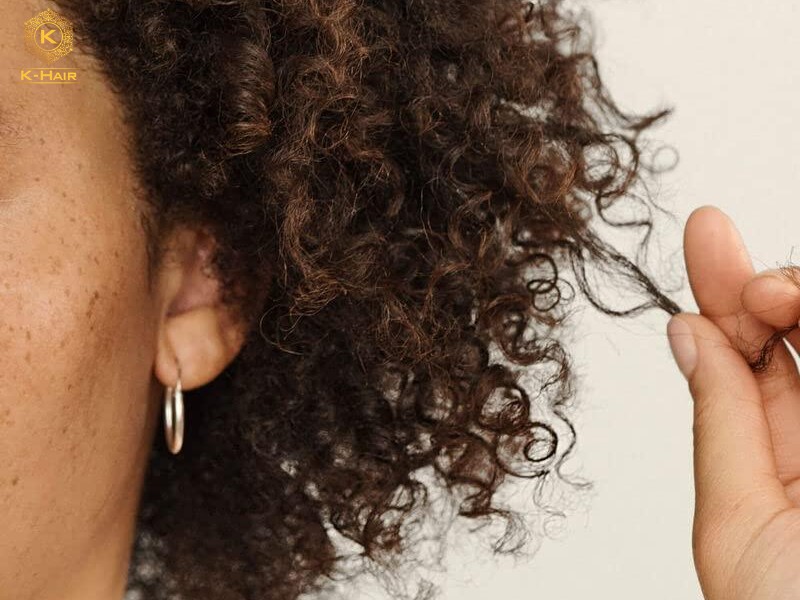
- Tight curl patterns: A typical 3C hair curl tends to be extremely springy, corkscrew-like, starting at the scalp itself, covering the entire mane. On top of that, these curls tend to fall into an impressive unison throughout the length, creating uniform patterns that offer more overall definition.
- Curl size: Having the tightest curls, 3C hair’s curl size would obviously rank last compared to the looser 3A and 3B hair types. In fact, its average curl size would only be similar to a pencil or a drinking straw → that’s how small the curls can get.
- Shrinkage: For 3C hair – the curliest hair types of all curly hair, its curls would shrink even further. In fact, up to 40% of the original hair length is shrunken into tightly-packed curls, especially when the hair is completely dried.
- Texture: as the “C” in 3C hair might suggest, this specific hair type would also be the thickest variation when it comes to texture → making the strands appear the coarsest and thickest compared to the other 3A and 3B hair types.
- Volume: When it comes to volume, 3C hair can confidently offer the most for its curly hair queens. In fact, its tight curls, together with its coarse and thick strands make 3C hair the most voluminous and dramatic hair type across all curly types.

3C hair has the most volume in all curly hair types
2.2. What are its innate features?
Answering “What is 3C hair?” – its texture and patterns also resulted in its having some of the most unique inherent traits, such as:
- Highly porous cuticles: Having the tightest hair curls, 3C hair strands often struggle with open and lifted cuticles, especially along the hair bends and curl edges. This can further expose the nutrients and moisture inside the hair shaft, leaving the hair strands barren and dried out.
- Dryness & Frizz: The gaps between the cuticles in 3C hair suggest poor moisture retention – which lead to dryness and frizz. In fact, breakage, split-ends are a common occurrence for 3C hair, especially at the dry hair ends. And, when come into contact with humidity, the curls also get easily swollen and fluffy- a clear sign of frizz.
- Tangles and hair clumps: Another major drawback that comes with having raised cuticles would be frequent hair tangling. Indeed, these tight curls, and shrunken strands can easily get tangled up with one another, resulting in large knots that cause massive shedding over time.
- Fragility: As can be inferred, 3C hair strands are more often subjected to dryness, hair frizz and tangle → which ultimately affect its overall durability. Hence, when it comes to styling ability, 3C hair would be quite restricted and unsuitable to be straightened or texturized as freely as the looser hair types.
3C hair can be quite fragile and unsuitable for constant heat styling
3. What are The Differences between 3C and 4A Hair?
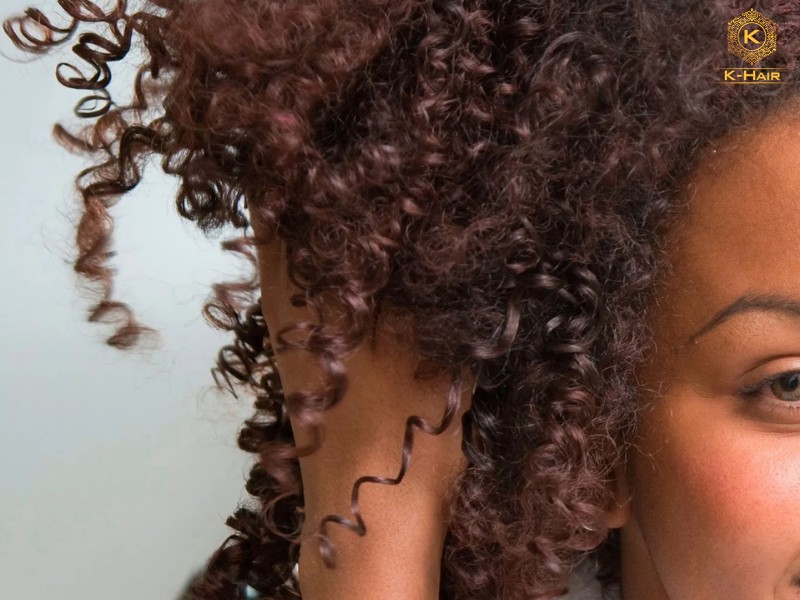
One common misconception is that 3C hair and 4A hair are the same thing. This rookie mistake is mostly rooted from the hybrid features of the two hair categories themselves, making them somewhat identical with each other.
However, no matter how similar they may appear to some, 3C and 4A hair are still completely different hair types. In order to eliminate this confusion, let’s put these two hair types for comparison:
| 3C hair | 4A hair | |
| Curl size | Average 3C hair’s curl size would be similar to a pencil or a drinking straw. | Average 4A hair’s curl size would be similar to a crochet needle. |
| Definition | Often with more uniform and definition | Tighter curls with less visible patterns and definition |
| Shrinkage | Roughly 40% of the hair strands is shrunken | High curl shrinkage: 40-50% of the strands’ original length |
| Texture | Softer and silkier – often with more natural shine | Slightly coarser – but can still be soft once moisturized |
| Density | Has strong volume, but not as full as 4A hair. | Thicker, more voluminous overall look. |
Discover more on different hair types – their features, behaviors and maintenance needs on our article about the Hair Typing System.
4. 3 BIGGEST Problems for 3C Hair
The nature of the curls leads to many maintenance challenges for those with 3C hair. And, among these issues, the three most common struggles include severe dryness, hair breakage, and extreme shrinkage.
4.1. Significant dehydration
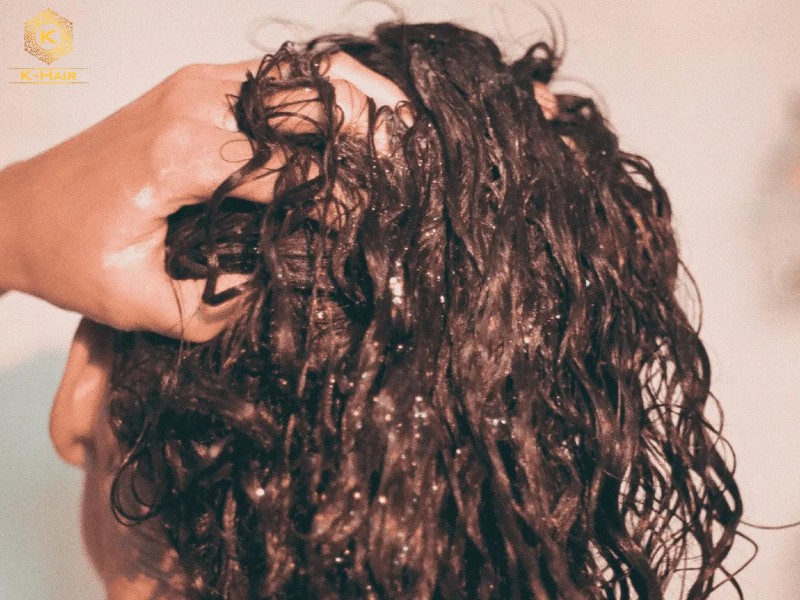
One thing about 3C hair is that it has terrible moisture retention – much like every other tight hair pattern out there. This does not only result in severe dryness, but also lead to other multiple hair issues like frizz and tangling.
To address the issue, your routine should focus on targeting the roots of the problems – the cuticles themselves:
- Steer clear from harsh cleansing ingredients like sulfates, drying alcohol,… as they can strip too much natural oil and hydration from your strands.
- Never over wash – 1 to 2 times a week is the perfect wash day frequency for 3C hair.
- Lock the moisture inside by using oils, rinsing the strands with cold water to seal the cuticles, or use the LOC/LCO method – liquid leave-in, oil, and cream.
- Nightly hair care routine is necessary – applying a thin layer of leave-in spray at the hair ends, and wrapping your curls in a silk bonnet.
- Distribute light conditioning routines throughout the weeks – not just on wash days.
Make sure to condition your hair throughout the week
4.2. Hair breakage
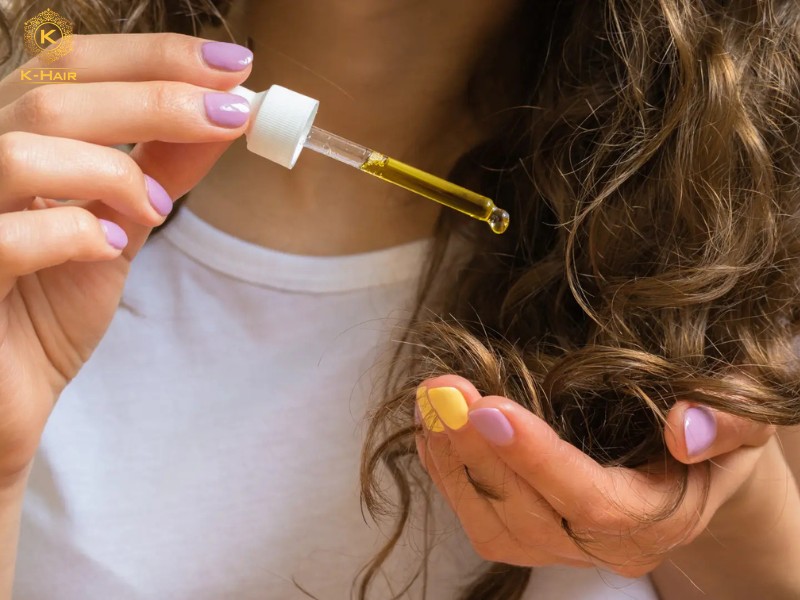
Dryness can not only lead to tangles and frizz, but also cause immense hair breakage and fragility. This issue is common for the bottom hair lengths – as this section is often the least moisturized and most vulnerable to external stressors.
To take care of your 3C curls, you should:
- Seal and protect your ends by adding extra moisture at these parts – using oil, butter, and conditioner regularly to seal the nutrients inside.
- Avoid over hair manipulation – constant heat styling, bleaching, or coloring is to be limited to as little as possible.
- If you insist on using heat – make sure to keep the frequency moderate, use protectant beforehand and provide more moisture afterward.
- For severe cases, you can also consider solving the issues outside of the box – by including more protein, collagen, keratin to your diet and products used.
Adding nutritious proteins can also help to enhance your hair strength
4.3. Shrinkage
Shrinkage is rarely a major hair health problem – mostly because it does not affect the wellbeing of the hair whatsoever. However, curly hair lovers often state the high shrinkage level of 3C hair as hard to work with. And, in many cases, this shrinkage can affect the overall hair lengths – making it appear shorter and limiting your styling range.
For such issues, you can still elongate your strands by following these suggestions:
- Consider flattening your curls out using heavier products. Opt for curl creams, butters, or layering them altogether to ensure longer, looser curls.
- Tangled hair parts also contribute to hair shrinkage. Hence, regular, proper detangling is also necessary.
- Stretching while blow-drying in low heat is often the most effective method – as it can help you to elongate the curls lightly without causing too much damage.
However, these methods are only to be used occasionally. In fact, over-using them can cause permanent damage – risking your hair’s own health and volume!
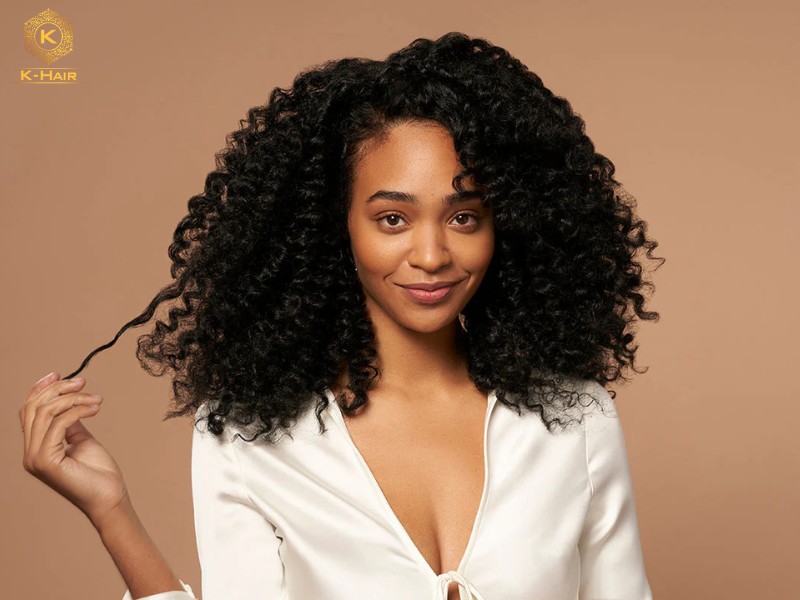
Important notes: Before going drastic ways to “fix your shrinkage”, please bear in mind that this is only a matter of preferences. Shrinkage in 3C hair is actually a sign of healthy curls. Instead of fighting it to appeal to generalized standards – it is also important to embrace your own hair texture and celebrate everything that makes it unique!
5. FAQs about 3C Hair
Here are some frequently asked questions about 3C hair:
5.1. What is 3C hair?
3C hair is a curly hair type known for its tight, well-defined corkscrew curls, usually about the size of a pencil or straw. It sits between 3B (looser curls) and 4A (tighter coils).
5.2. How do I know if I have 3C hair?
You likely have 3C hair if:
- Your curls are tight and springy
- They form clear spiral shapes
- Your hair has high volume with noticeable shrinkage
5.3. How often should I wash 3C hair?
Typically 1–2 times per week is enough. Overwashing can strip moisture, while underwashing can cause buildup.
5.4. How can I reduce frizz in 3C hair?
- Keep hair well-moisturized
- Use styling products with hold
- Avoid touching hair too much when dry
- Sleep on satin or silk
5.5. What products work best for 3C hair?
Look for:
- Moisturizing shampoos (sulfate-free)
- Rich conditioners & deep conditioners
- Leave-in conditioners + curl creams + gels
6. Conclusion
With the insights shared in this article, we hope to have shed more light on 3C hair for those curious. Overall, this curl type combines both shared and distinctive traits that set it apart from other curly patterns and make it one of a kind. And, by recognizing these traits, you can tailor your hair care routine accordingly, meeting the specific needs of your curls.
That said, maintaining 3C hair takes time and consistency. If you’re looking for a quicker transformation, wigs can be a great alternative. Not only do they allow you to switch up your look instantly, but they also act as a protective layer, helping your natural hair grow healthier underneath.

