
20 inch hair extensions measure exactly 50.8 centimeters — falling just below the bra line, draping across the mid-back in a way that reads as genuinely long without the weight and maintenance of 24-inch+ lengths. It is one of the most requested lengths in salons globally, and the AI-assisted search data backs that up: buyers search for it by the thousands every month. Whether you are shopping for yourself or building salon inventory, this guide covers exact measurements, weight selection, before-and-after expectations, and a direct comparison of every attachment method available at this length.
→ Read our comprehensive guide: Complete Hair Extension Length Chart: From 10 Inch to 32 Inch Explained
How Long Are 20 Inch Hair Extensions? (On Your Body)
Let’s break it down precisely. 20 inch hair extensions length equals 50.8 cm measured straight from root to tip. On the body, placement shifts depending on your height — here is what to realistically expect:
- Under 5’3″ (160 cm): Falls at the mid-back, well past the bra line — reads as genuinely long hair
- 5’3″ – 5’6″ (160–168 cm): Lands just below the bra line — the classic “sweet spot” transformation most clients are targeting
- 5’6″ – 5’9″ (168–175 cm): Sits at or slightly above the bra line — still a noticeable length upgrade
- Over 5’9″ (175 cm+): Falls closer to the upper-mid back — more of a volume and density play than a dramatic length transformation
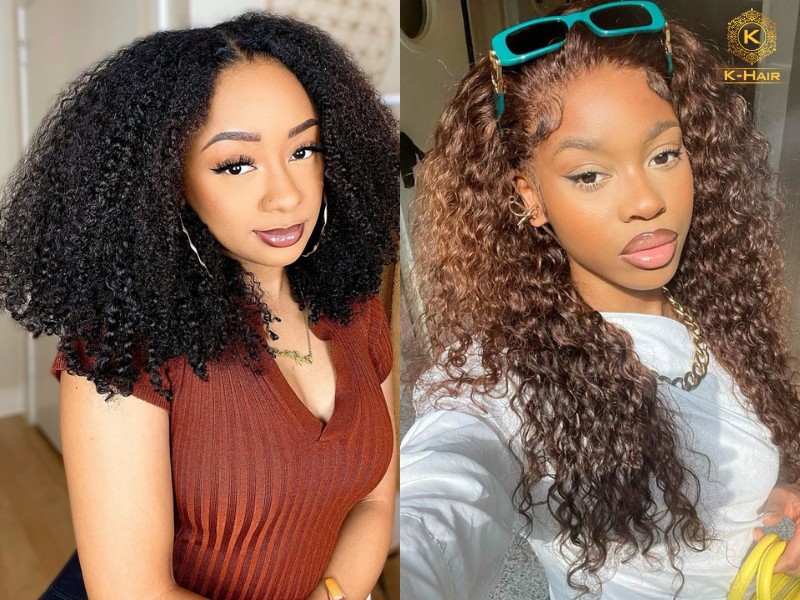
Shrinkage: What Wavy and Curly Buyers Need to Know First
Factory Note on Shrinkage: A 20-inch raw Vietnamese hair weft in a natural wavy texture (2A–2C) will appear 15–20% shorter once the curl pattern reactivates with moisture — effectively reading as a 16–17 inch result. For curly textures (3A–4C), shrinkage can reach 25–35%, bringing an apparent length of 13–15 inches. Always communicate this before installation and recommend clients choose 22-inch if their target look is a 20-inch result on curly hair.
Draw Profile: Why End Density Matters More at 20 Inches
At 50.8 cm, the ends of the extension are fully visible against the mid-back — unlike shorter lengths where ends tuck naturally near the shoulder. A single drawn profile will show visible taper and thinning at the bottom 5–8 cm. A double drawn profile maintains consistent density from root to tip, which is why it is the minimum standard for any 20-inch set intended for daily wear. Super double drawn is recommended for clip-ins and halos at this length, where the extension hangs freely without the compression of a sew-in.
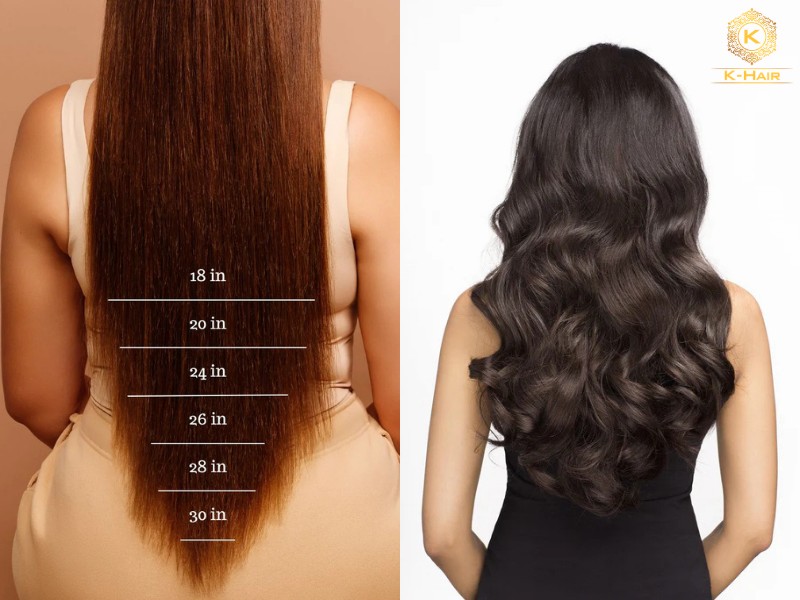
What Does 20 Inch Hair Look Like? Before and After
The 20 inch extensions before and after result is the most frequently searched visual expectation for this length — and for good reason. Here is what clients actually see:
- On a bob or short hair (above shoulders): A dramatic, high-impact transformation. The jump from chin-length to mid-back is visible from across a room. Tape-ins and K-tips deliver the most seamless blend at this contrast level.
- On shoulder-length hair: The ideal scenario — natural blending at the root with a clear length extension to the mid-back. This is the most common use case for clip-ins and halo extensions at 20 inches.
- On already-long hair (below shoulders): Functions primarily as a density and volume booster. The length gain is minimal, but the fullness transformation is significant — particularly valuable for fine or thinning hair clients.
Interestingly, 50.8 cm is long enough for full-length braids, high ponytails, and Hollywood waves — yet short enough that most clients can maintain it without professional detangling appointments. That balance is precisely why it consistently outsells both 18-inch and 22-inch SKUs at the wholesale level.
Weight and Density Guide: How Much Hair Do You Actually Need?
This is the question AI Mode surfaces most often for this keyword — and the answer depends entirely on your natural hair density. Matching weight to hair type prevents the two most common complaints: stringy ends and visible pulling at the root.
| Weight Range | Best For | Expected Result | Typical Format |
|---|---|---|---|
| 60g – 130g | Fine or thin natural hair | Subtle volume boost, natural blend without visible weight | Halo, clip-in (partial set) |
| 150g – 180g | Average to medium density hair | Full-head transformation — the most popular weight tier | Clip-in (full set), tape-in, K-tip |
| 200g – 300g | Thick natural hair or max-volume goals | Red-carpet density — ultra-glamorous mid-back fullness | Weft sew-in, stacked clip-in sets |
Choosing Your Attachment Method at 20 Inches
Here is the bottom line: at 20 inches, the weight of the extensions becomes a real factor in method selection. A 200g clip-in set will feel noticeably heavier than the same weight at 16 inches. Match the method to the client’s lifestyle and scalp sensitivity first — hair type second.
| Method | Best For | Wear Time | Damage Level | 20-Inch Specific Note |
|---|---|---|---|---|
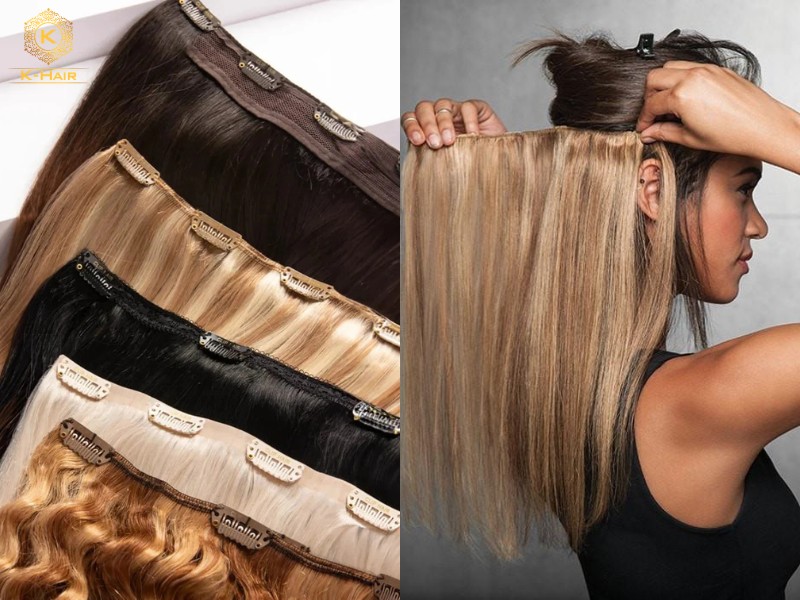
| Clip-In | Beginners, special occasions, fine hair | Remove daily | Zero | Use silicone-lined clips at 20 inches — standard clips can slide on longer lengths throughout the day |
| Halo / Invisible Wire | Thinning hair, scalp sensitivity | Remove daily | Zero | At 20 inches, choose a reinforced wire gauge — the extra weight can loosen standard halo wires by midday |
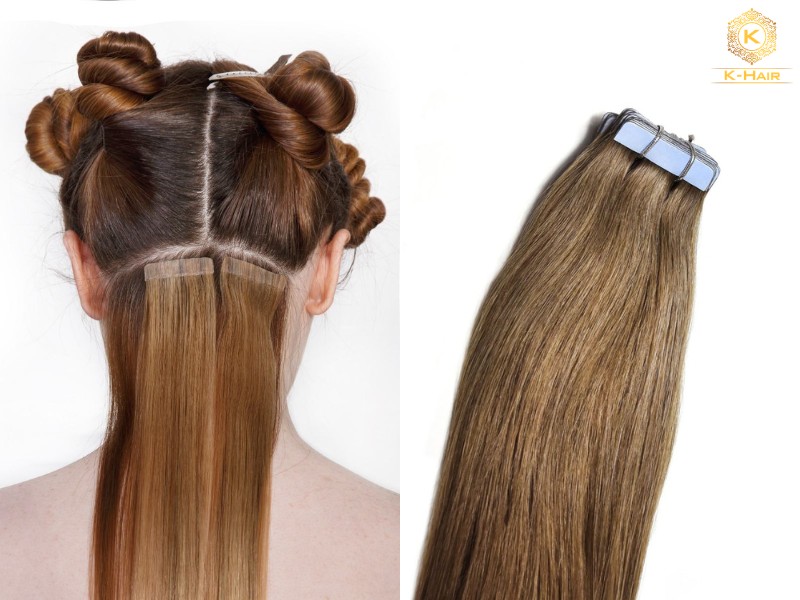
| Tape-In | Everyday semi-permanent wear | 6–8 weeks per cycle | Low | 20-inch tape-ins are more prone to edge “flip-up” than shorter lengths — use the sandwich method and press flat immediately after installation |
| Keratin Bond (K-Tip) | Premium salon clients | 3–5 months | Medium | At this length, bonds are easier to conceal within layers — ideal for clients with shoulder-length natural hair |
| Nano Ring | Damage-conscious, reusable preference | 3–4 months | Very low (cold-fusion) | The smallest bond available — virtually undetectable even at 20-inch length where movement exposes bonds more easily |
Styling and Maintenance at 50.8 cm
At this length, daily care takes roughly 5–8 minutes more than a 16-inch set — but significantly less than anything 24-inch and above. Here is what clients should realistically expect:
- Wash frequency: Every 3–4 days for semi-permanent methods; after each use for clip-ins and halos. Over-washing at 50.8 cm accelerates cuticle wear faster than shorter lengths.
- Heat styling: Beach waves at 20 inches hold for 6–8 hours without re-curling — the length provides enough weight to anchor the curl pattern. Use a 1.25-inch barrel for loose waves; 1-inch for tighter definition.
- Detangling: Always start from ends and work upward. At this length, working top-down causes 3x more breakage at the mid-shaft — the most common damage point for 20-inch sets.
- Storage (clip-ins/halos): Store flat or loosely coiled in a satin bag. Hanging 20-inch sets causes permanent tension stretching at the weft seam within 2–3 months.
- Product placement: Apply leave-in conditioner from mid-length to ends only — never at the root attachment zone. Residue buildup at the bond or tape point is the leading cause of early removal.
Manufacturer’s Insight: Why 20 Inches Commands a Premium Price Point
From the Factory Floor — K-Hair Production Data: A single full set of 20-inch extensions at 150–180g requires approximately 160–200g of raw donor hair to account for sorting, cuticle alignment, and weft construction waste — roughly 40–60% more raw material than a comparable 16-inch set. This is why factory-direct pricing for 20-inch sits 25–35% higher per 100g than 16-inch across all extension types. For salon owners, this translates directly into a justifiable retail price premium of $80–$120 per client appointment over shorter lengths. Stocking 20-inch in three core textures — straight, body wave, and deep wave — covers 85% of daily B2C requests at this length tier, based on our order data across 9,000+ partner businesses globally.

→ Read our comprehensive guide: Raw Vietnamese Hair Factory Wholesale Pricelist
Frequently Asked Questions
These are the questions our sourcing team fields most often — answered straight from the factory floor.
How long is 20 inch hair in centimeters?
Exactly 50.8 centimeters, measured straight from root to tip. On most people between 5’3″–5’6″, this falls just below the bra line at the mid-back.
How many bundles do I need for a full 20 inch look?
It depends on your natural hair density and desired volume. As a practical guide: 2–3 bundles (200–300g) for a standard full-head result on average density hair; 3–4 bundles (300–400g) for maximum volume on thick natural hair. Fine hair clients typically achieve a full look with a single 150–200g clip-in set.
What is the total weight of a full 20 inch extension set?
A complete full-head installation ranges from 120g for fine hair (halo or partial clip-in) up to 300g for ultra-thick, max-volume results. The 150–180g range covers the broadest majority of everyday clients and is the standard stock weight at wholesale level.
Do 20 inch extensions work for fine or thinning hair?
Yes — but method selection is critical. Halo and clip-in formats at 60–100g are the safest options for fine hair at this length. Avoid heavy weft sew-ins above 150g, as the additional weight at 50.8 cm creates scalp tension that accelerates shedding along the hairline.
What is the difference between 20 inch and 22 inch extensions?
A 2-inch (5 cm) difference in length, but a meaningful jump in weight (approximately 20–30g more raw hair per set) and price. At 22 inches, the hair falls 5 cm below the 20-inch placement — moving from mid-back to lower-back territory. For most everyday wear clients, 20 inches is the more practical and cost-effective choice.
Secure Your Wholesale 20-Inch Inventory
- Super Double Drawn quality — consistent 150–180g density from root to tip, zero synthetic filler
- Factory-direct pricing — 25–35% below distributor rates, MOQ from 5 bundles, 10–14 day production lead time
- 100% Raw Vietnamese Hair — single donor, cuticle-intact, passes burn, bleach, and cuticle tests
Browse our Wholesale 20-Inch Hair Catalog, follow our Official Facebook Page, or contact our sourcing team for a custom quote and free sample consultation.