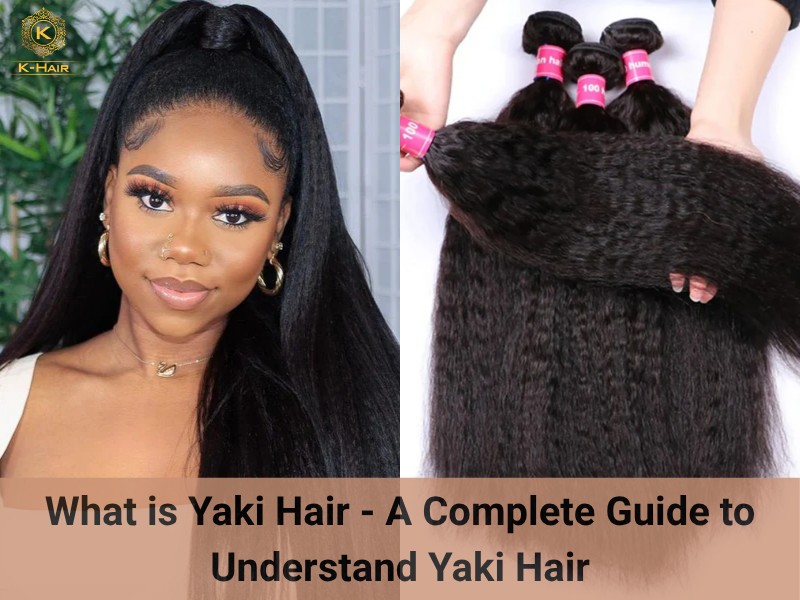
If you are a wholesale hair vendor or salon owner catering to the African American market, understanding what is yaki hair is crucial. Simply put, Yaki is a specialized hair texture meticulously designed to mimic the look and feel of 4B/4C natural hair that has been chemically relaxed or heat-pressed.
1. What is Yaki Hair?
When clients ask what is yaki hair, they are inquiring about a specific texturizing technique rather than a hair origin. The defining core of any Yaki texture is the presence of micro-kinks—microscopic, crimped folds applied to individual hair strands. These micro-kinks disrupt the unnatural smoothness of standard straight extensions, creating a robust, voluminous, and highly texturized appearance.
This unique manufacturing process perfectly simulates 4B/4C textures that have undergone a fresh blowout. By incorporating these micro-kinks, Yaki hair bridges the gap between sleek elegance and natural authenticity, making it an undeniable top-seller for clients seeking a natural yet elevated extension that blends flawlessly with their own bio-hair.
2. The 4 Types of Yaki Hair Textures
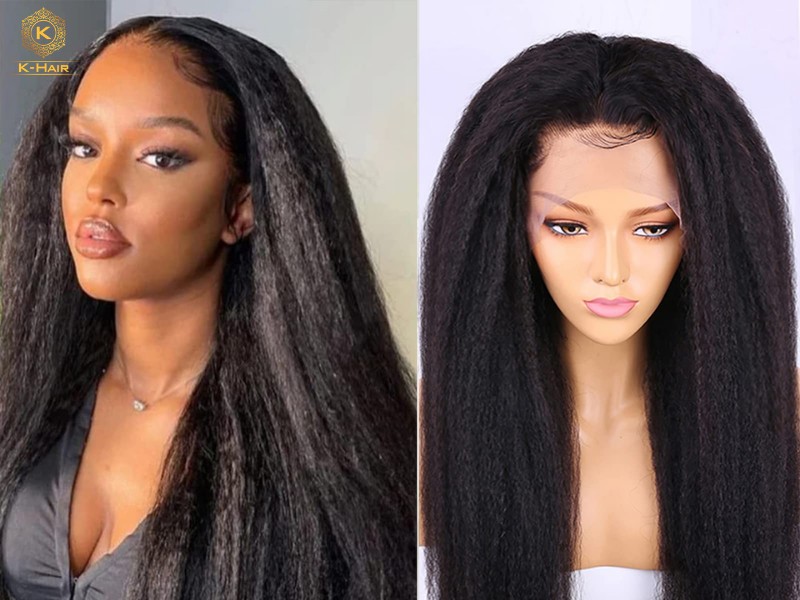
To successfully stock inventory for your hair business, understanding the different yaki hair types is mandatory. Depending on the desired volume and closeness to natural Afro-textures, the market categorizes Yaki into four distinct variations. Below is a quick comparison table to help your salon clients choose the perfect match:
| Yaki Texture | Micro-Kinks Density | Appearance / Luster | Best Suited For |
| Silky Yaki | Very Light (Almost invisible) | High shine, extremely sleek | Freshly relaxed, flat-ironed look |
| Regular Yaki | Moderate | Natural dim luster, voluminous | Standard blowout on natural hair |
| Kinky Straight | High (Highly visible kinks) | Low shine, fluffy & thick | Blow-dried 4B/4C natural hair |
| Coarse Yaki | Maximum (Tightest kinks) | Matte finish, ultra-robust | Natural, un-relaxed Afro look |
2.1. Silky Yaki
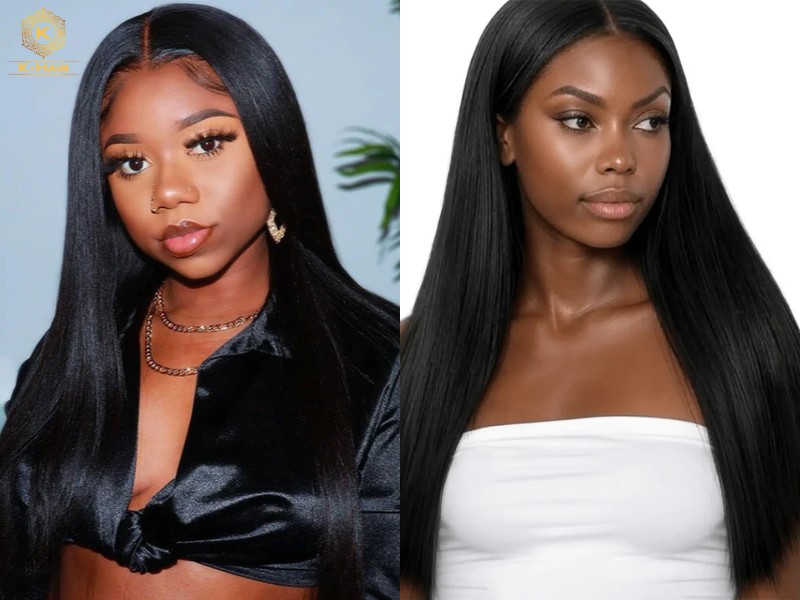
Silky yaki is the smoothest, most elegant variation in the Yaki family. Upon first glance, it might be mistaken for a standard bone-straight texture. However, the delicate micro-kinks embedded in the strands give it a more natural flow and realistic density compared to traditional straight hair. It provides an eye-catching, glossy shine while remaining incredibly lightweight, perfect for sleek high ponytails or elegant, flat-ironed styles.
2.2. Regular Yaki
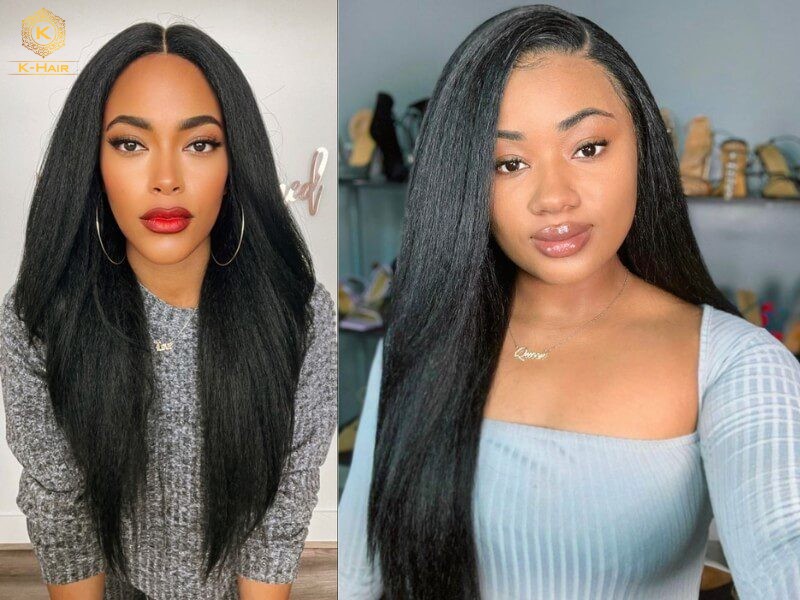
Regular Yaki strikes the perfect balance between sleekness and volume. The micro-kinks are more pronounced than in Silky Yaki, simulating the look of natural African American hair that has been lightly straightened or blown out. It diffuses light beautifully, offering a realistic, laid-back luster rather than an artificial gloss. This is the safest, most universally flattering option for wholesale buyers to keep in stock.
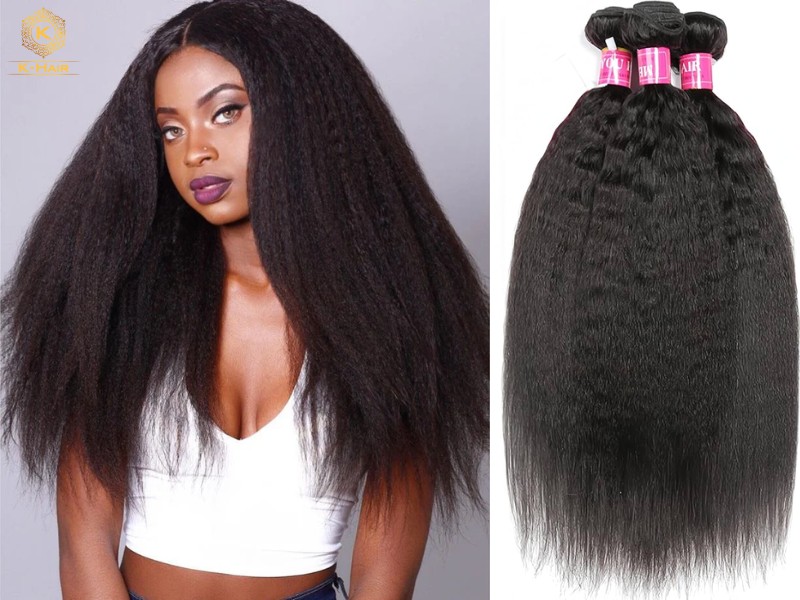
2.3. Kinky Straight (Kinky Yaki)
Kinky straight is undeniably one of the most sought-after textures in the US and African markets. It boasts highly defined, dense micro-kinks that deliver massive volume and thickness. It flawlessly mimics 4B/4C hair that has been freshly blow-dried without flat-ironing. For clients looking to add maximum fullness to their look while maintaining a natural, relaxed edge, Kinky Straight is the ultimate choice.
2.4. Coarse Yaki
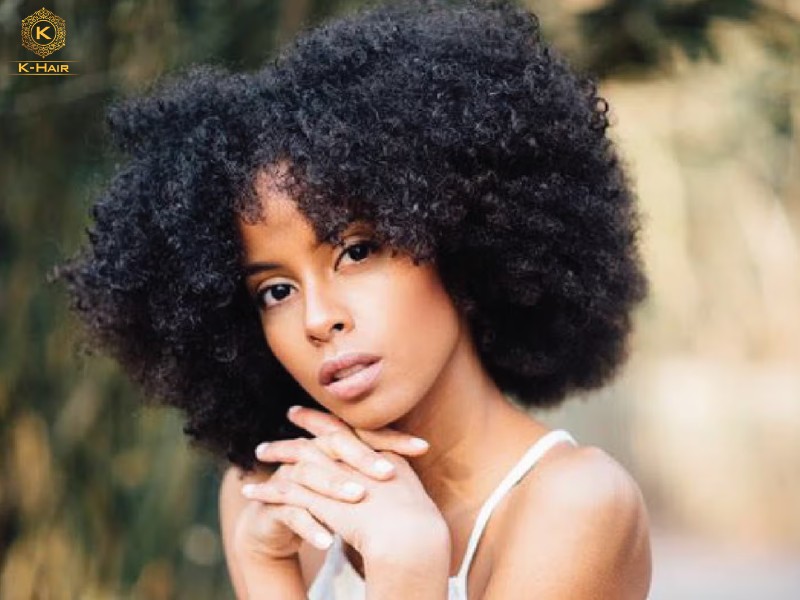
Coarse Yaki is the most robust and textured option available. With extremely tight and defined crimps, it closely resembles untreated, natural African American hair. It offers unparalleled volume and a highly textured, matte finish. While its styling versatility is slightly more limited due to its coarse nature, it is the absolute best texture for protective styles, braiding, or achieving a classic, voluminous Afro look.
3. Virgin Yaki vs. Synthetic: Which is Better for Your Business?
For professional salons and distributors, supplying the right material determines your brand’s reputation. While synthetic fibers may initially seem cost-effective, they tangle aggressively, look artificially shiny, and instantly melt under heat. To ensure high customer retention, we strongly advise businesses to invest exclusively in 100% human hair extensions, specifically Virgin or high-grade Remy Yaki. Because Virgin human hair has its cuticles intact and fully aligned, it allows clients to use flat irons, curling wands, and high-heat styling tools without destroying the signature micro-kinks. Investing in human hair guarantees a premium user experience, allowing your clients to wash, dye, and restyle the hair for years.
4. Why Salons Choose Vietnamese Yaki Hair?
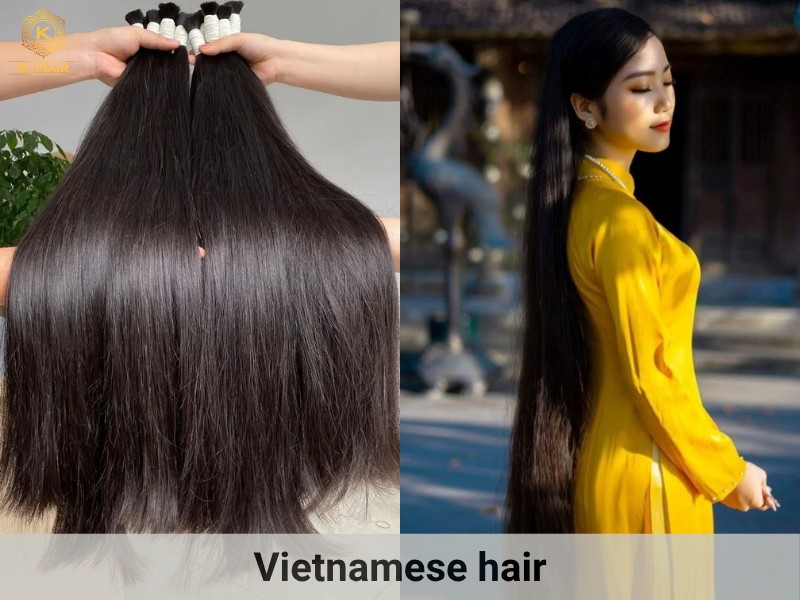
Creating a flawless Yaki texture requires intense thermal crimping and steaming. If the raw material is weak or previously chemically processed, the hair will simply snap and break during manufacturing. This is exactly why top-tier salons and luxury wig makers globally choose Vietnamese yaki hair over other alternatives.
Raw Vietnamese hair is globally recognized for its extraordinarily thick, strong, and durable strands, nourished by healthy diets and a chemical-free lifestyle in the mountainous regions. When this incredibly healthy hair base undergoes the rigorous Yaki texturizing process, it holds the micro-kinks perfectly, retaining moisture without becoming brittle. As professional Vietnamese wholesale hair vendors, we can confidently state that the innate resilience of Vietnamese hair ensures the crimps stay bouncy and defined for over 3-5 years, preventing the dreaded shedding and breakage often seen in lower-quality origins.
5. How To Style Yaki Hairstyles?
To maximize the potential of your extensions and educate your end-users, knowing how to properly style Yaki hair is essential. Since high-quality Yaki is made of human hair, the styling possibilities are endless:
5.1. Heat Styling
You can absolutely use flat irons or curling wands to customize the look. However, to preserve the built-in micro-kinks, it is highly recommended to apply a premium heat protectant spray beforehand. Keep your styling tools at a moderate temperature (around 300-350°F) to prevent cuticle damage or extreme dehydration. Work in small sections for the best, longest-lasting results.
5.2. Non-Heat Styling
For those wanting to avoid heat altogether, Yaki hair holds non-heat styles beautifully thanks to its textured grip. Methods like Bantu knots, overnight braiding, or fabric curling (using a silk strip) will leave the Yaki hair with gorgeous, effortless, and bouncy waves by the next morning.
6. Maintenance & Longevity: How Long Does Yaki Hair Last?
The longevity of Yaki extensions heavily depends on the raw material and the care routine. High-quality Vietnamese Virgin Yaki can last up to 3 to 5 years with proper maintenance, making it a highly profitable investment for consumers.
- Washing Routine: Use only sulfate-free shampoos to prevent stripping the hair of its essential moisture. Wash the hair 1-2 times a week, focusing the conditioner purely on the mid-lengths to the ends.
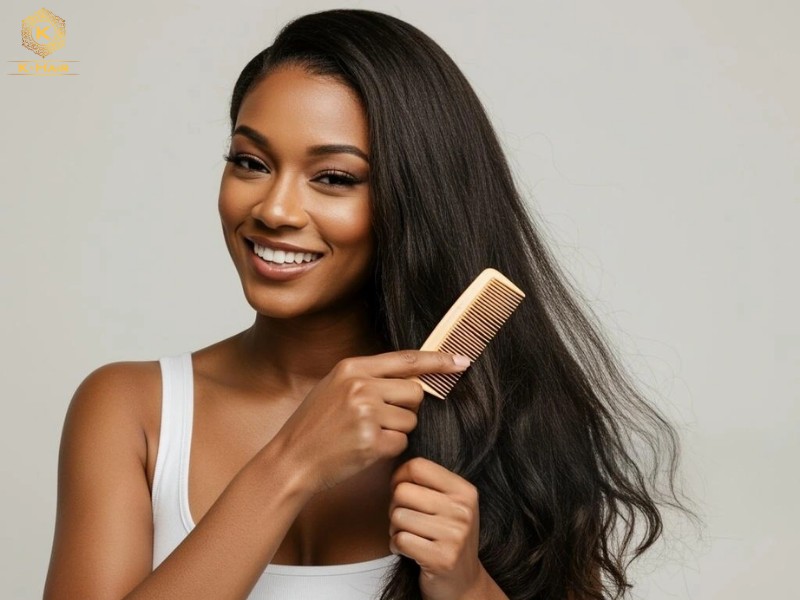
- Detangling: Because of the micro-kinks, Yaki hair requires a gentle touch. Always use a wide-tooth comb or a specialized extension brush. Start detangling from the ends and slowly work your way up to the roots to prevent shedding.
- Night Care: Sleep with a silk or satin bonnet, or use a silk pillowcase to reduce friction, keeping the cuticles smooth and preventing overnight matting.
7. Trendy Hairstyles with Yaki Hair in 2026
Yaki hair is incredibly versatile. Whether your clients are looking for an everyday look or a red-carpet-ready style, here are the top trends dominating the market:
7.1. The Sleek High Ponytail
Perfectly executed using Silky Yaki. The lightweight nature of the hair allows for a voluminous, bouncy ponytail, while the base can be gelled down flawlessly. It offers an elegant, glamorous aesthetic popularized by A-list celebrities.
7.2. Protective Braided Styles
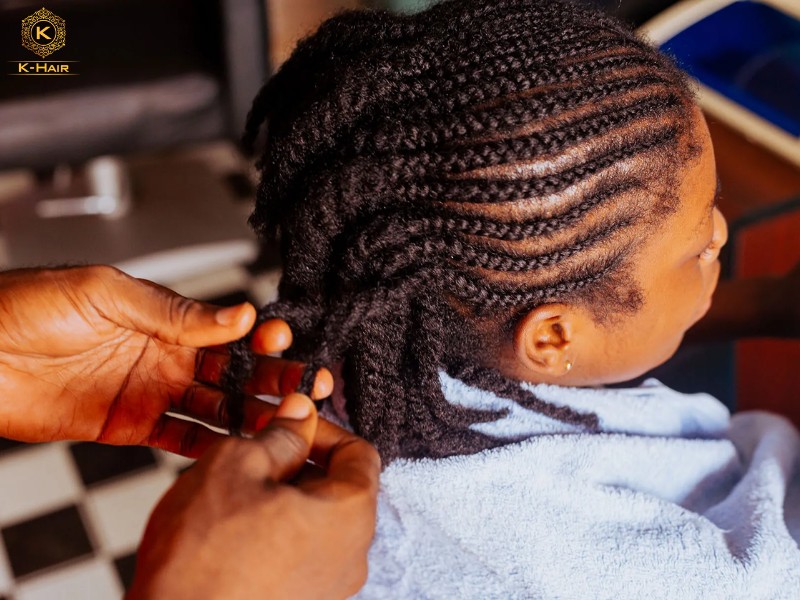
Yaki is the absolute best texture for protective styling. The coarse texture of Kinky Straight or Coarse Yaki provides incredible grip, ensuring box braids, cornrows, or twists stay neat and locked in for weeks without slipping.
8. Frequently Asked Questions (FAQ)
To provide further clarity for wholesale buyers and salon professionals, here are the answers to the most common inquiries regarding Yaki textures:
Can you bleach yaki hair?
Yes, absolutely! As long as the Yaki extensions are made from 100% human hair (like Virgin or Remy Vietnamese hair), they can be successfully bleached and dyed. You can safely lift the hair to warm blonde shades like #27 Honey Blonde or even #613 Platinum. However, because the hair has already been heat-processed to create the micro-kinks, we highly advise having a professional colorist perform the bleaching to maintain the hair’s structural integrity.
Does yaki hair tangle?
High-quality human Yaki hair rarely tangles if properly maintained. However, due to the artificial micro-kinks and textured nature of the strands, it requires slightly more care than bone-straight hair. Synthetic Yaki, on the other hand, will tangle and mat severely. To prevent tangling on human Yaki hair, always use a wide-tooth comb, detangle from ends to roots, and keep the hair deeply moisturized with lightweight serums.
Can I flat iron kinky straight yaki hair?
Yes, you can flat iron Kinky Straight human hair to achieve a sleeker look. Once washed, the hair will revert back to its original voluminous, kinky-straight texture. Always remember to use a high-quality heat protectant before applying the flat iron.
Ready to Elevate Your Catalog with Premium Curls?
Source 100% chemical-free, hot-steam processed Vietnamese curly extensions directly from K-Hair Factory. Guarantee your clients unmatched curl retention and tangle-free longevity at factory-direct wholesale prices.
- Address: 10A, 171 Nguyen Ngoc Vu, Yen Hoa, Hanoi, Vietnam
- Phone/WhatsApp: +84 85 555 5344
- Facebook: K-Hair Factory