The US hair market is undergoing a huge shift – after years of Indian, Brazilian hair dominating the market – Burmese hair emerges as one of the most popular alternatives. Given its durability and naturally thick texture, more and more salons, suppliers are turning to Burmese hair as their main tool of customer retention. Add this with the blooming market of braiding services – services that thrive on the thick, coarse Burmese strand, and you have a blooming, lucrative market waiting for exploitation.
To jump start your success with Burmese hair – you’ll need a guide, a cheat sheet. This article will give you just that – its features, trends, as well as the most trusted Burmese hair vendors to start the sourcing process.
1. What is Raw Burmese Hair? Origin & Sourcing Realities
Understanding where raw Burmese hair originates is necessary. It directly determines its market, pricing strategies – as well as how you can target this unique hair line to your audience.
1.1. Where Do Burmese Hair Vendors Source From? Buddhist Temples vs. Rural Villages
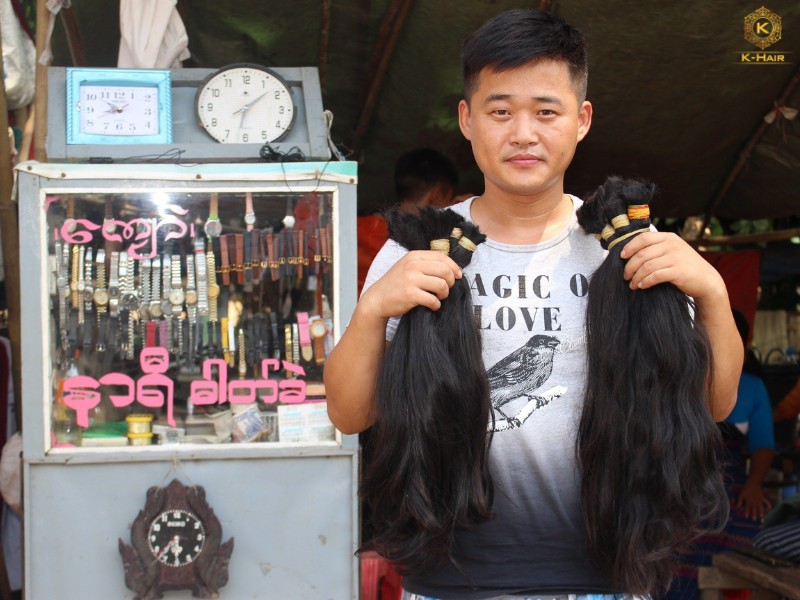
Much like the name might suggest, Burmese hair originated from the country of Myanmar, formerly known as Burma. But one thing that many business owners are yet to know is that Myanmar’s supply chain draws its raw hair from two distinct streams:
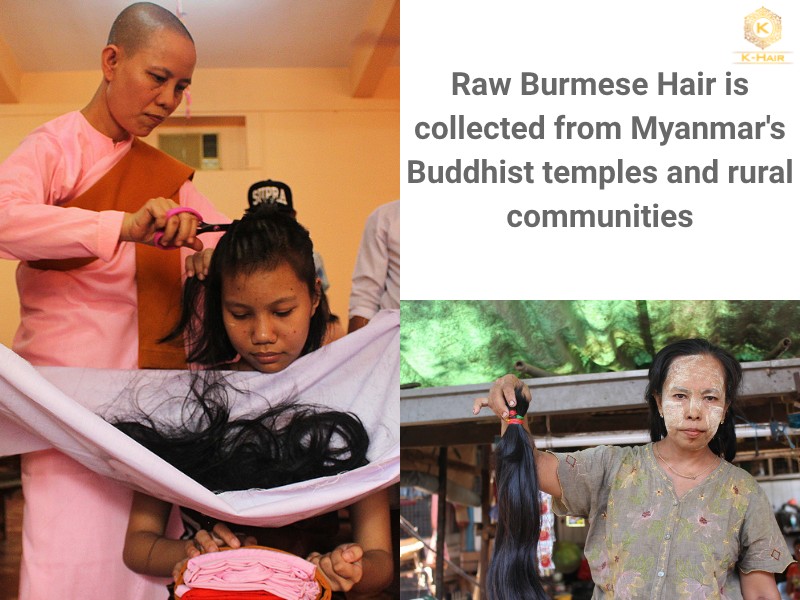
- The first stream originates from Myanmar’s Buddhist temples, where temple goers offer their hair as a religious act of devotion. Because this hair is donated freely rather than collected under economic gain, the hair often arrives with fully intact cuticles, and it has never been exposed to chemical pre-treatment of any kind.
- The second source consists of voluntary hair collection in rural communities, where herbal hair care traditions remain intact. And, the results are lower hair porosity, higher elasticity, and overall more durability and versatility compared to urban-sourced hair from women using chemical-ridden hair care lines.
The results? Raw, unprocessed Burmese hair that carries its own set of signature features. For example: natural coarseness, thickness and slight curly, wavy textures that set it apart from the soft, fine hair strands of Indian, Vietnamese and other hair lines.
1.2. The Supply Chain Evolution: Bypassing the Middlemen
For most of the 2000s and early 2010s, Burmese hair vendors operated exclusively as raw material collectors feeding large Chinese manufacturing empires.
It used to go like this: The Myanmar supplier collected the raw hair, sold it at a low kilogram-price to Chinese factories, and the factory processed, packaged, and sold it at a premium price. US boutique owners were paying Chinese factories what was fundamentally a Myanmar-origin product.
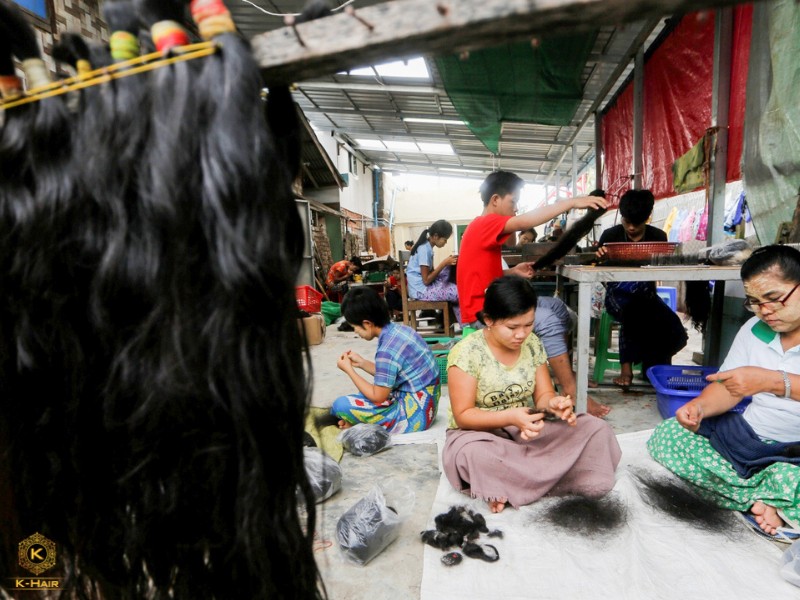
However, that model is no more. Increased internet infrastructure, international B2B platform access, and rising technical capabilities have allowed Burmese hair vendors to progress – building their own machines, operations, and direct export logistics.
Factory-direct raw hair sourcing from Myanmar now gives US buyers access to the same raw material, while charging only 40-60% of the Chinese wholesale pricing. Not only price-wise, but this direct sourcing approach also lands wholesale buyers more control over quality and sourcing – without being dependent on the dominant Chinese hair suppliers.
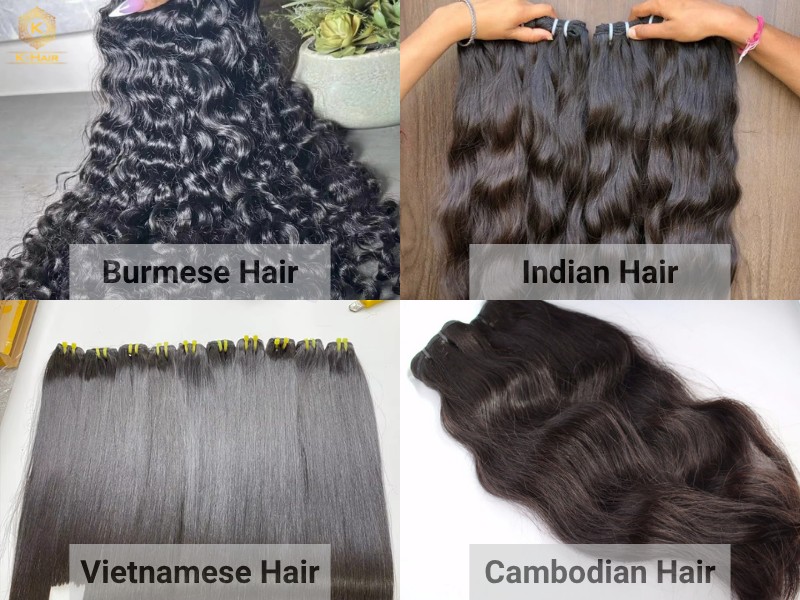
2. Texture & Market Comparison: Burmese vs. Indian vs. vs. Vietnamese vs. Cambodian Hair
Choosing the right origin hair is fundamentally a client-matching exercise. Not only does it have to depend on your target audience’s natural hair textures, but also on their buying purposes.
Beside Burmese hair vendors, in the market, there are quite a number of other hair origins – Vietnamese, Indian, and Cambodian hair. Much like Burmese, they also have their signature traits, which makes it easy to get confused and lost – not knowing which choice is better suited for your business.
Learn more about them to make better choices for your business, using the comparison below:
| Textures | Longevity | Pricing Tiers | Target Clienteles | |
| Burmese Hair | Coarse & thick: High hair volume with natural straight and deep waves textures | 2 to 3+ Years – highly durable | Mid to High – due to limited sourcing | Clients wanting maximum volume; clients with textured hair |
| Indian Hair | Fine to Medium: Silky but thin, naturally wavy or curly | 1 to 2 Years – due to the finer strands | Economical to Mid – due to abundant supply | Budget-conscious buyers; clients wanting lightweight hair |
| Vietnamese Hair | Silky & Smooth: Naturally straight, dense, and heavy per bundle | 3 to 5+ Years – the most durable option | Mid to High – due to quality and long lifespan | Clients wanting sleek hair; stylists wanting versatile hair they can work with |
| Cambodian Hair | Coarse & Textured: Slightly rougher to the touch; holds waves and tight styles better | 2 to 3 Years – slightly prone to dehydration | Mid to High – due to rare supply | Clients looking for textured, high-density curls |
3. The Trendiest Burmese Hair Lines in the US Market
Working with Burmese hair vendors would require you to first have a purchase plan – which product, texture you will source. Below is a breakdown of the commercially successful lines – the trending product of the US hair market in 2026:
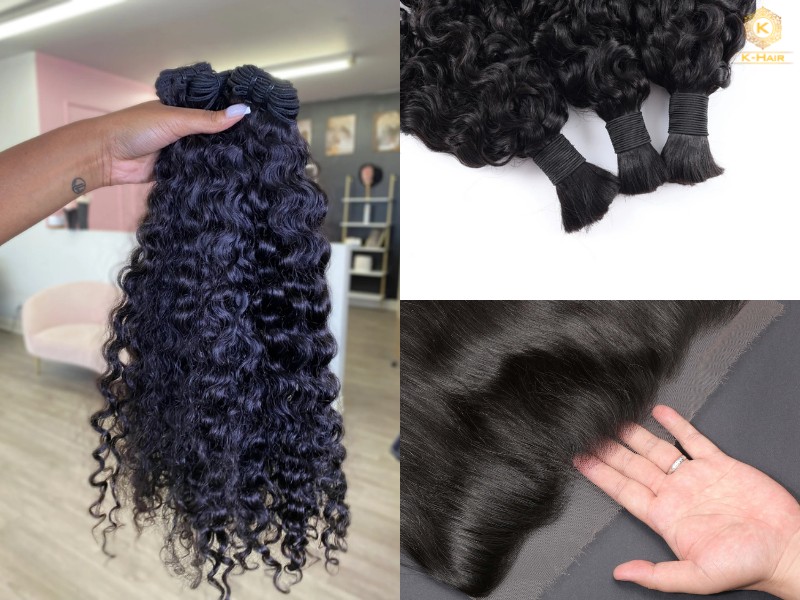
- Raw Burmese Bulk Hair for Boho Braids: Tailored to the unexploited braiding hair market. Burmese hair provides the most suitable coarse texture and grip for seamless, long-lasting knotless braids, making it a highly profitable, fast-moving SKU for US boutiques.
- Burmese Curly Hair Textures: Perfectly cater to the market’s rising demands for natural-looking hair. Burmese hair mimics 3B/3C curl patterns with a distinct, coarse texture that offers superior volume and hold → making it highly sought-after and in demand by the US textured-hair demographic.
- Double Drawn Burmese Straight Wefts: Featuring the ideal hair density – 60-65% full length strands, Double Drawn Burmese hair is considered the most suitable thickness for installation and personal use – without weighing the hair down or causing discomfort. And, for end-users this thickness is the most balanced option – not too thin but not too bulky-looking, satisfying their needs for volume and seamlessness.
- HD Lace Closures & Frontals: The US hair market is a picky one – with high standards for their hair and its blending ability. And, only the seamless, High Definition (HD) lace can match such a requirement – allowing the bundles and wig to blend in perfectly with the user’s natural scalp. Considering the rising demand for natural-looking hair solution, the demands for Burmese HD lace will continue to skyrocket in 2026.

Some of the most selling items that Burmese hair vendors offer – Burmese braiding hair, Double Drawn wefts, HD lace, and Burmese curly textures
Expert Insight: One thing about the hair market is that it is constantly changing – different seasons, different regions will have different trends. For example, in the summer – Burmese Curly, Burmese Deep Waves are the best-selling vacation hair; while Double Drawn Straight hair attracts more sales during the winter months.
When sourcing from Burmese hair vendors – make sure to do your own research first to make sure you are purchasing the right lines.
Read More: Hair Extensions Manufacturer in Spain
4. Top 10 Wholesale Burmese Hair Vendors – 2026 Cheat Sheets
The vendors below are the most well-known factory-direct Myanmar suppliers in the market, specialized in Burmese hair sourcing and international export. With each name comes its analysis – hair quality, product diversity, MOQ, US delivery speed, as well as their pros and cons. Hence, if you are yet to find your perfect match – you can check out our listing below:
4.1. K-Hair
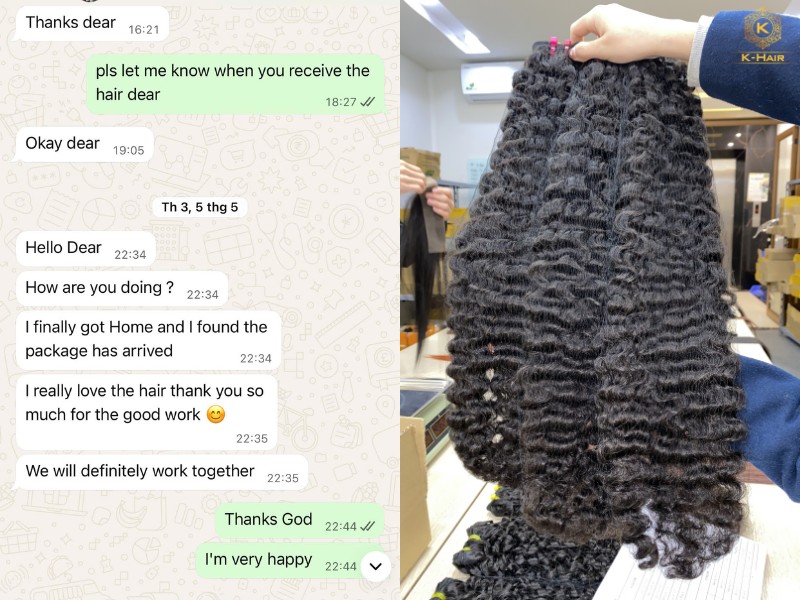
K-Hair has built one of the most sophisticated export infrastructures, maintaining consistent B2B relationships with major US boutiques across New York, Atlanta, and Los Angeles. Their factory-direct logistics model and multilingual client support make them the go-to starting point for US buyers entering the premium wholesale market.
| Hair Quality | Premium grade, 100% human virgin hair processed with advanced cuticle-alignment techniques. |
| Diversity | High-quality wefts, bulk braiding hair, HD lace closures, frontals, and colored extension lines. |
| MOQ | Low – sample orders accommodated from 3 bundles. |
| Delivery to US | 3-5 business days via DHL/FedEx Express. |
| Pricing | Competitive factory-direct wholesale tiers with volume incentives. |
| Pros | Excellent B2B communication, unedited video inventory verification on request, stable supply chain for high-volume seasonal orders. |
| Cons | Custom-colored or specialty textures require 7-10 additional business days beyond standard lead time. |
4.2. Naing Myanmar Hair Company
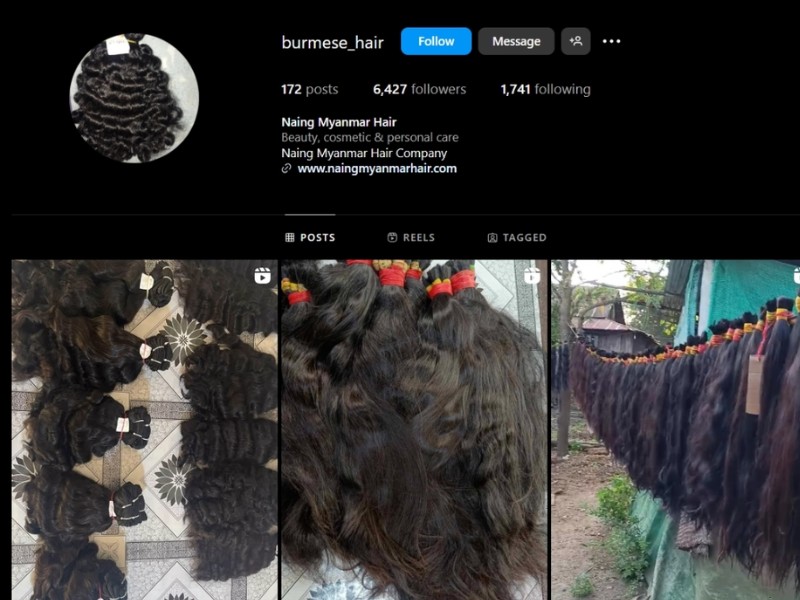
Naing Myanmar is among the Burmese hair vendors that sources completely unaltered raw hair through rural communities within Myanmar, without any intermediary processing. If single-donor provenance and zero chemical contact are non-negotiable for your brand, this is your vendor.
| Hair Quality | 100% true raw, completely unprocessed Burmese virgin hair with fully intact cuticles. |
| Diversity | Medium – raw bundles, deep wave textures, closures, and frontals. |
| MOQ | Volume-oriented; bulk pricing activates at 1-5 kg tiers. |
| Delivery to US | 5-7 business days via international air cargo. |
| Pricing | Affordable direct household-factory wholesale – well below Chinese distribution premium. |
| Pros | Exceptional documented longevity; handles heavy heat styling and chemical lifting without structural deterioration. |
| Cons | Myanmar-based communication infrastructure can introduce occasional connectivity delays during initial outreach. |
4.3. Tet Nay Lin Co., Ltd.
Tet Nay Lin bridges the gap between authentic sourcing and the fast-evolving demands of the US market. This Burmese hair vendors specialize on trending lines like ombre waves and tape-ins at some of the most accessible entry-level wholesale pricing in this category. Over a decade of verified global export experience makes them a reliable low-risk starting partner for new boutique owners.
| Hair Quality | Single-donor raw and remy single/double drawn human hair with consistent cuticle alignment. |
| Diversity | High – ombre waves, clip-ins, tape-ins, and core raw bundle inventory. |
| MOQ | Highly accommodating; low-risk sample bundles available for first-time buyers. |
| Delivery to US | 5-7 business days; free shipping brackets available above defined order values. |
| Pricing | Entry-level wholesale from approximately $20 for shorter bundle lengths, scaling with length and density. |
| Pros | Active social media presence and 10+ years of verified global export experience. |
| Cons | Premium length availability (26″+) fluctuates with seasonal donor harvesting cycles – plan ahead for peak windows. |
4.4. Efficient Hair Myanmar
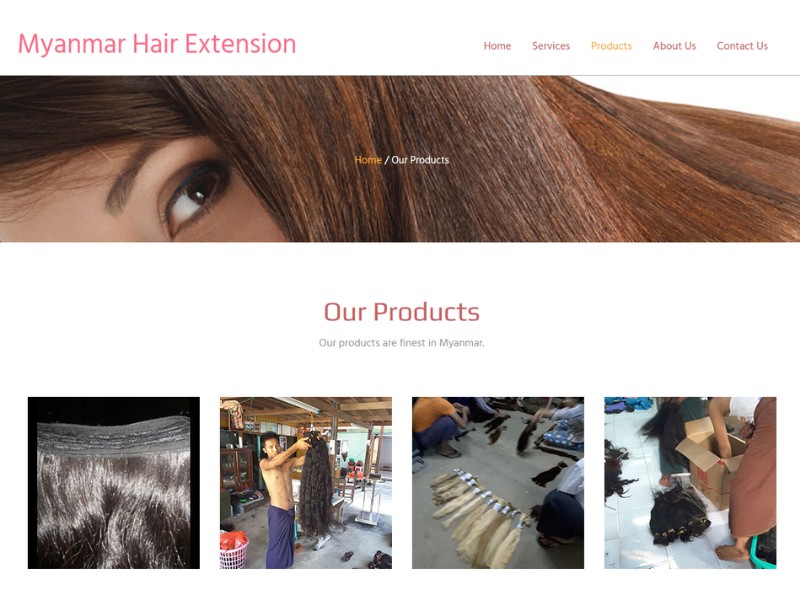
Efficient Hair operates under strict, commercial-grade quality standards more commonly associated with European luxury manufacturers than typical Southeast Asian suppliers. This elite reputation was earned through years of serving established international brands that demand nothing less than export-certified perfection.
| Hair Quality | High-grade, export-certified clean raw Burmese hair meeting international quality benchmarks. |
| Diversity | Medium – raw bulk braiding hair and raw machine wefts. |
| MOQ | Higher initial minimums; oriented toward established commercial salons. |
| Delivery to US | 6-8 business days to major US shipping hubs. |
| Pricing | Structured wholesale pricing for long-term contractual accounts. |
| Pros | Strict multi-point quality control – virtually zero shedding or undisclosed blending. |
| Cons | Limited catalog for pre-styled colored wigs or fashion-forward trend textures. |
4.5. Kyaw Hair Factory
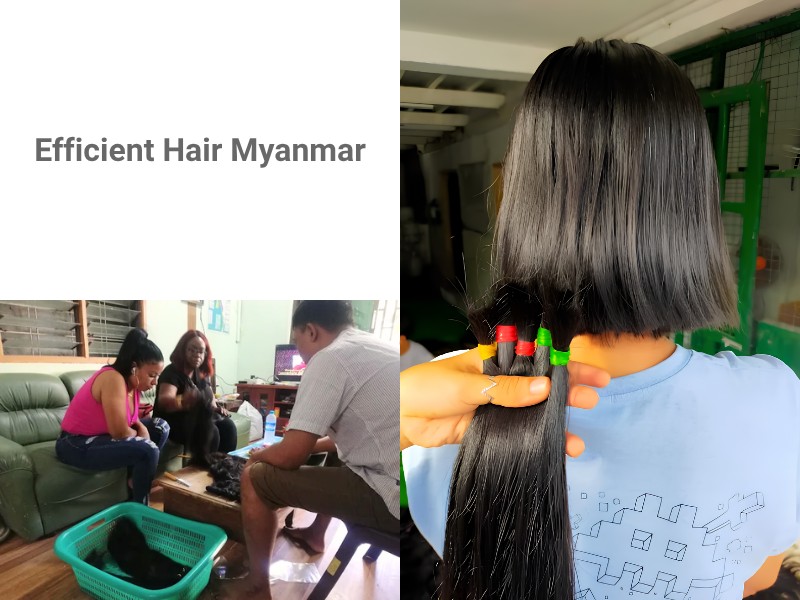
Kyaw Hair Factory is the professional sourcing experts’ secret – a localized factory producing some of the heaviest-density, most textured raw bundles out of all Burmese hair vendors out there. Boutique owners who prioritize raw authenticity over digital convenience will find exceptional value here.
| Hair Quality | 100% raw Burmese hair – deep natural wave and coarse straight textures, sourced from Mandalay region donors. |
| Diversity | Low to medium – raw bundle sets and raw bulk braiding material. |
| MOQ | Medium – optimized for consistent monthly boutique volume. |
| Delivery to US | 7-10 business days depending on air freight scheduling. |
| Pricing | Low cost-basis reflecting fully localized Mandalay manufacturing without added Chinese factory overhead. |
| Pros | Raw textures maintain natural elasticity and visible bounce for extended periods post-styling. |
| Cons | Minimal digital infrastructure; order processing handled manually via social messaging platforms. |
4.6. Soe Sandar Human Hair Trading
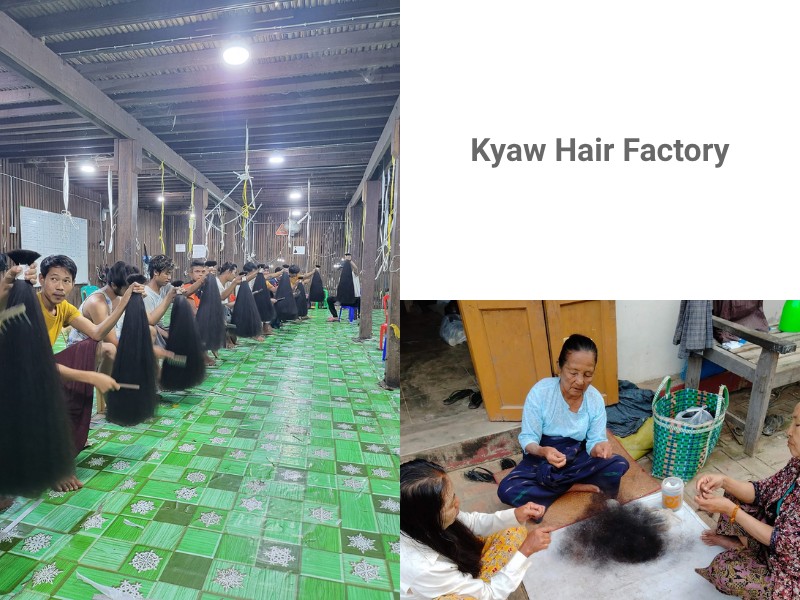
With fifteen years of uninterrupted international logistics history behind them, Soe Sandar operates with fluency and bulk-volume processing capabilities of a heavy-hitting trading veteran. For hair businesses wanting authentic Burmese hair, this supplier and its well-established standing can be an attractive choice:
| Hair Quality | Clean, durable natural human hair with long-standing quality verification through international export channels. |
| Diversity | Medium – standard bulk raw bundles, heavy weave sets, and baseline extension lines. |
| MOQ | Prefers heavy-volume wholesale; accepts scaling US brands case by case. |
| Delivery to US | 5-7 business days through established air cargo partnerships. |
| Pricing | Deep wholesale discounts sustained by long-standing regional raw collection market positioning. |
| Pros | 15+ years verified international export history; bulletproof customs documentation and zero-friction clearance record. |
| Cons | Conservative styling options require skilled in-house processing to meet custom US trend requirements. |
4.7. Golden Lotus Hair Trading
Golden Lotus was built for independent stylists and drop-shippers. This is one of the rare Burmese hair vendors that removes the capital barriers without sacrificing the natural softness and density that makes Burmese hair worth stocking in the first place.
| Hair Quality | 100% natural Burmese hair processed to protect cuticle health and preserve natural softness. |
| Diversity | High – raw bundles, matching closures, and a broad lace frontal selection. |
| MOQ | Low – specifically designed to onboard independent stylists and drop-shipping startups. |
| Delivery to US | 5-8 business days to East and West Coast addresses. |
| Pricing | Accessible entry-level wholesale rates targeting high-volume, lower-margin market segments. |
| Pros | High bundle density, consistent natural weight, and notably soft hand-feel that impresses clients at first touch. |
| Cons | Naturally coarse fiber may require additional flat iron passes to achieve a polished bone-straight finish. |
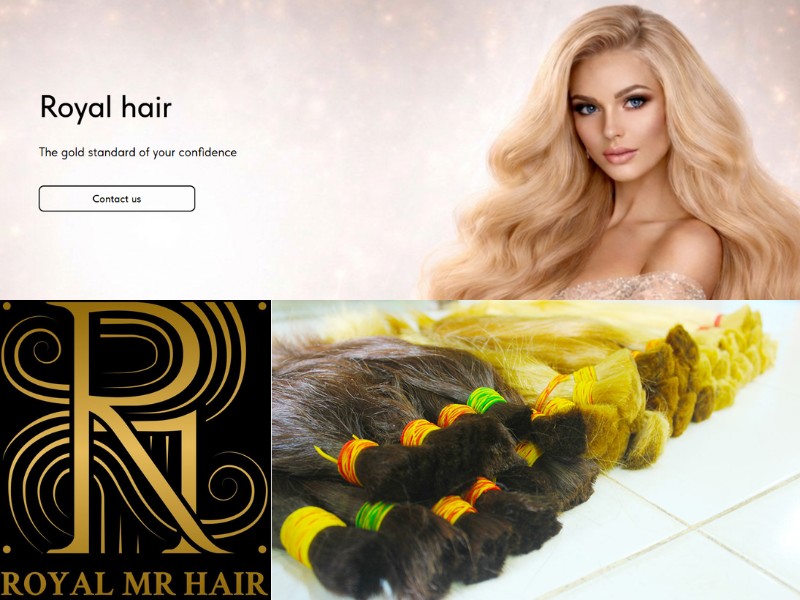
4.8. Royal Myanmar Hair Export
Royal Myanmar Hair Export exists for one type of client: the luxury boutique owner targeting only the highest hair quality that can actually meet the high standards of US, Russian hair buyers. For those interested, this is the premium tier of the Myanmar export market.
| Hair Quality | Luxury-grade premium raw single-donor hair and high-end virgin selections with meticulous sortation. |
| Diversity | High – premium virgin bundles, ultra-thin HD lace closures, and fully constructed luxury wig units. |
| MOQ | Medium investment threshold required to access the premium quality tier. |
| Delivery to US | 4-7 business days via prioritized express shipping. |
| Pricing | Premium pricing reflecting high-grade sortation, single-donor collection, and HD lace construction. |
| Pros | Hyper-thin HD lace melts cleanly into all skin tones – the gold standard for wig customization boutiques. |
| Cons | High barrier to entry makes Royal Myanmar a poor fit for early-stage or low-capital buyers. |
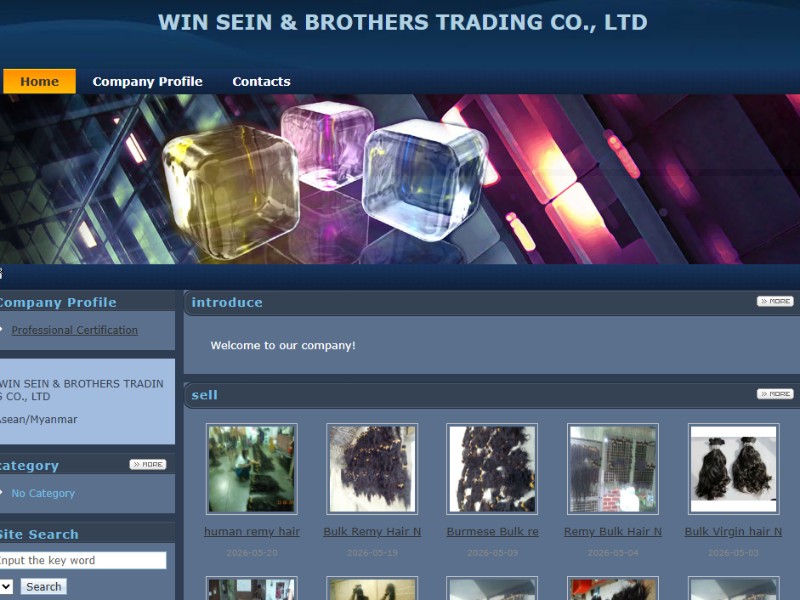
4.9. Win Sein and Brothers Trading Co., Ltd
Win Sein and Brothers is not a boutique supplier – it is an industrial manufacturing giant based in China, engineered to fulfill wholesale orders with massive production capacity. If you are running a national distribution operation, this is among the large-scale Burmese hair vendors you need.
| Hair Quality | Standard remy and sorted single/double drawn human hair components optimized for large-scale distribution. |
| Diversity | High – single-drawn remy to industrial bulk hair components for factory supply chains. |
| MOQ | Rigid bulk export metrics designed for heavy industrial distributors. |
| Delivery to US | 7-10 business days depending on custom order specifications. |
| Pricing | Aggressive discount tiers at high-kilogram contractual order volumes. |
| Pros | Mass-scale production capability; reliable fixed-output model for large inventory pipelines. |
| Cons | Stock lines require professional deep conditioning and co-washing before meeting elite US boutique presentation standards. |
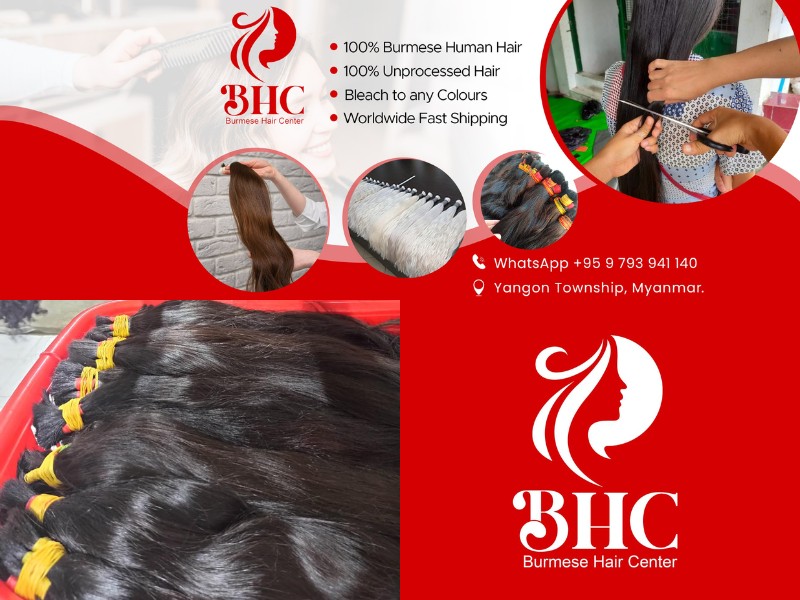
4.10. Burmese Hair Center
Yangon-based Burmese Hair Center has cultivated a niche reputation among professional colorists and wig specialists for sourcing the highest-elasticity single-donor hair in the Myanmar market. If strands that lift evenly, bleach without snapping, and hold toner beautifully across the full color spectrum are your thing – Burmese Hair Center will be your final destination
| Hair Quality | Premium single-donor hair with exceptional natural elasticity and selective screening at point of collection. |
| Diversity | Medium – premium natural curly and wavy bundle sets. |
| MOQ | Low to medium – accommodates custom test sampling easily. |
| Delivery to US | 5-7 business days. |
| Pricing | Mid-to-high wholesale tiers reflecting single-donor screening and selective collection. |
| Pros | Hair lifts to 613 blonde without structural snapping – a significant technical differentiator for color-focused boutiques. |
| Cons | Turnaround times can extend during peak seasonal buying windows due to supply-constrained single-donor sourcing. |
Read More: Raw Hair Vendors List
5. Wholesale Pricing Architecture: Managing B2B Profit Margins
After sourcing from Burmese hair vendors, what will be next? Well, the next step in transitioning your wholesale hair extensions into high-profit items is to apply the right pricing to it. The hard part about this is that – the right price should be high enough to reflect its true value and market’s demand, but reasonable enough to create advantage.
Here’s how you can do it:
- Length Premium – The Most Important Factor of The Pricing: A 10″ Burmese straight weft may wholesale for $25-35. The same specification at 30″ runs $90-140, because longer donor hair is disproportionately scarce. The length premium is exponential, not linear. With the same logic, stocking the rarer 28″-30″ lengths is the key to out-perform your competitors, and enjoy the premium profit margin.
- Density & Draw Specification: Single-drawn bundles – natural layered from root to tip – are the least expensive tier. Double-drawn bundles, which require significant manual sorting to remove shorter hairs, should be priced at least 20%-40% higher than the Single Drawn. This goes the same for Super Double Drawn hair – which should be 50%-80% more expensive.
- Collection Method: True single-donor raw Burmese hair carries the highest base cost – due to its limited sourcing availability. Meanwhile, remy hair collected from 2-3 donors is less expensive and more consistently available but lacks the similar performance and purity needed for premium retail pricing and repeat client loyalty.
How can you price your Burmese hair strategically?
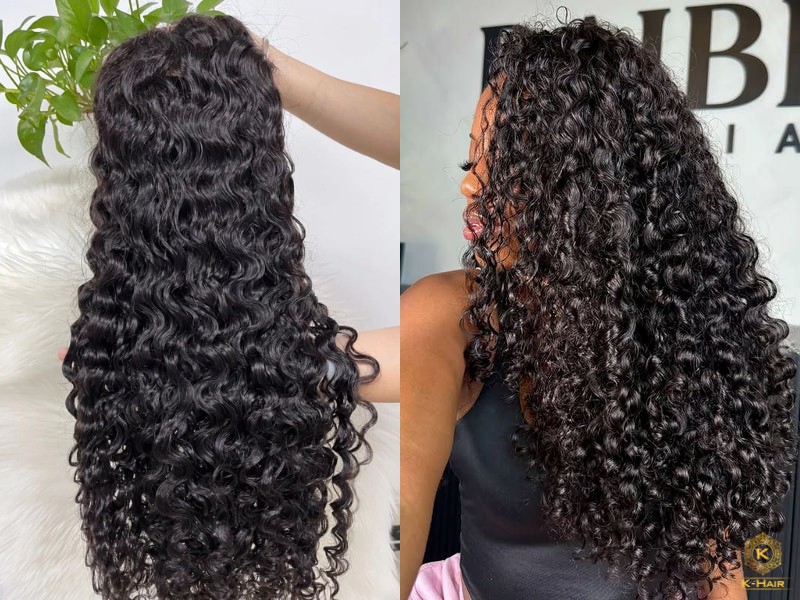
For retail pricing strategy, raw Burmese hair supports a 100-200% markup over wholesale cost in the current US market. A $60 wholesale raw curly bundle retails at $120-180 without buyer friction – thanks to its market rarity and popularity.
Boutiques with established sourcing narratives and documented provenance consistently achieve the upper end of that range. Resist the urge to compete on price – as raw Burmese hair is a premium asset, and your retail pricing should reflect that without compromisation.
6. B2B Sourcing Strategy: Shipping, Logistics, and Scam Prevention
Having the right Burmese hair vendors means nothing if the inventory arrives three weeks late or turns out to be floor hair inside a premium bundle. Avoid these issues and scale up your business by using the right way to stock your inventory.
6.1. Fast Turnaround: US Shipping & Logistics Demands
Any vendor you consider must ship to the United States via DHL, FedEx, or an equivalent tracked international express carrier within 3-7 business days. This should be the basic standards – a necessity even, when you are working with urgent orders or sales rushes.
Burmese and Southeast Asian hair imports into the US will be subject to standard import duties. In most cases, established vendors will produce correct commercial invoice documentation. But, if you are placing orders above the $800 de minimis threshold, budget 3-7% landed cost for customs processing from the outset. A customs broker or importer of record is worth engaging on the first few larger orders until the process is familiar.

6.2. Risk Mitigation: Guarding Against Fraud and “Floor Hair”
Floor hair – low-quality, heavily-processed hair – is the most widespread fraud used by shady Burmese hair vendors. It is nearly indistinguishable from authentic raw hair due to its coating and artificial luster, but has no cuticle alignment, and a lifespan measured in weeks rather than years.
The differences are almost undetectable under untrained eyes, but – with the right methods – you can still tell them apart easily:
- Request unedited, close-up video of the specific product you are purchasing before the shipment. Legitimate factory-direct vendors will have the product on hand and can provide a walk-through of raw bundles, lot numbers, and condition before packaging at ease.
- Place small sample orders first. A $150-300 test order that confirms hair quality, transit time, and responsiveness is the cheapest way yet delivers the most realistic and honest review of the vendor. Most legitimate factory-direct vendors encourage this – as a way to establish trust with their future customers.
- Perform a burn test on every new sample order. Genuine raw human hair produces a faint smell similar to burning feathers, and leaves soft gray ash that can be easily crushed between your fingers. Synthetic blends will melt, curl up, produce black acrid smoke, and leave hard plastic residue.
- Verify vendor legitimacy through independent channels. Request a physical business registration number. Look for consistent reviews from other US-based buyers and other online review platforms like Trustpilot, Google Maps,….
- Be skeptical of pricing significantly below every comparable vendor. Factory-direct pricing has a floor determined by real collection costs, skilled labor, and international shipping logistics. A vendor quoting 30″ single-donor raw Burmese bundles at $25 wholesale is not running a more efficient operation – they are selling something else.
Risk Mitigation: Guarding Against Fraud and “Floor Hair”
7. Conclusion
With this article, we hope that we have been able to give you more insight about Burmese hair – as well as Burmese hair vendors you can source with. After all, the opportunity in raw Burmese hair is not a trend – it is a structural market shift driven by demographic demand and performance superiority. The brands winning in this market right now are the ones that stocked raw Burmese hair, and positioned themselves as the pioneer of this high-longevity, texture-matching inventory.
Ready to lead the market shift? Partner with K-Hair today to secure premium, authentic Burmese hair and position your brand as an authority of this unexploited market.