Sleek, straight hair does not necessarily mean easy, effortless hair maintenance – this is especially accurate for 1A hair. This rare hair type can appear sleek, silky at first, but behind its appearance lies many lasting struggles demanding extra effort and time to tend to.
If you are born with this type, these issues must have already become a familiar occurrence. Your hair is greasy and flat 90% of the time, and somehow – keep on snapping back no matter how many times you curl it!
To solve these issues – you would need to trace them back to its original causes. And what better ways to do this than getting to know more about its features and behavior?
1. What is 1A hair?
We can infer many details just by its name alone. The number in its name suggests that this hair type belongs to the straight hair family. And, the letter means that this type would be the finest, thinnest and with the least texture among its siblings.
Being a type of straight hair itself, the signature trait of this hair type is its pin-straight appeal, with ultimate smoothness and hair luster. However, due to the effects made by adaptation and genetic mixings, finding someone with this ultimately straight hair pattern is extremely hard. This helps explain why 1A hair is the rarest hair type available!
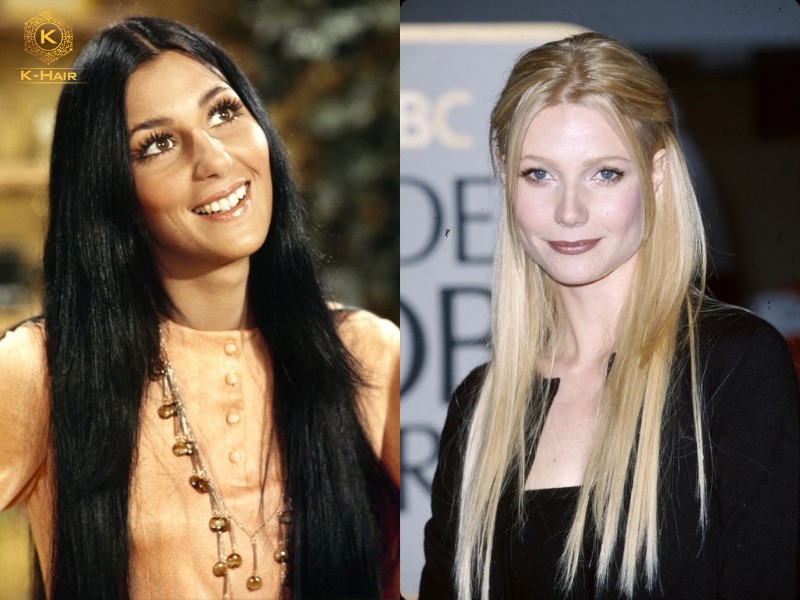
In reality, some examples of people with natural 1A hair can include: Cher – the iconic pop star, or Gwyneth Paltrow – the famous leading lady of Hollywood. So if you ever find your hair similar to these, there is a high chance that your hair belongs to the same category.
Every hair type is special in its own ways – like how 1A hair is unique for its ultra-sleek look. Discover more about the exotic traits of all hair types – and see if your hair belongs to which category by reading our article on Hair Typing System.
2. Getting to Know 1A Hair Features
1A hair has many iconic traits that cannot be seen in any other categories. In fact, such a look is one of the hottest styles on the market – with many styling methods created to copy its sleekness.
However, 1A hair should not be over-glorified. Much like any other hair types out there – 1A hair has its own signature traits that can be both advantages and disadvantages. Let’s take a closer, more objective look into its appearance and behavior, in this section below:
2.1. Hair Appearance
In terms of looks, 1A hair can deliver quite a distinct, unique look:
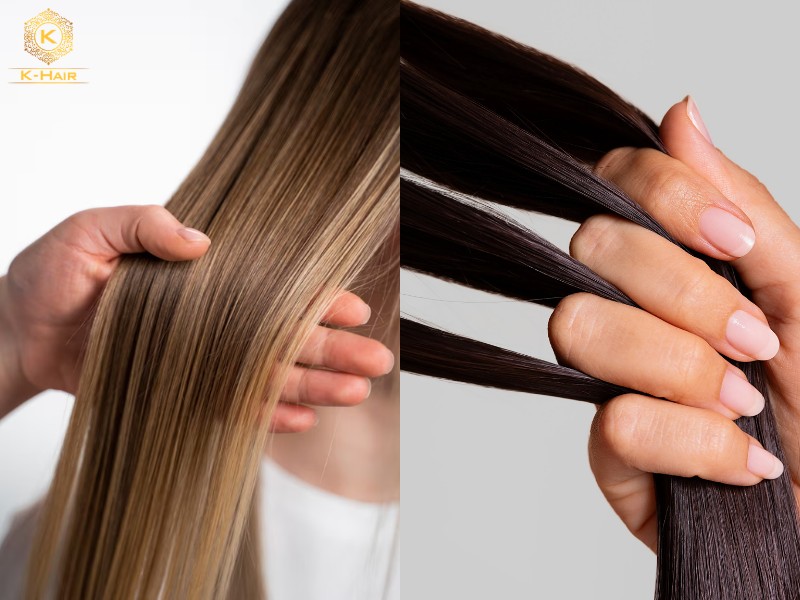
- Sleekness: One signature trait of 1A hair is its pin-straight, smooth, and ultimately sleek texture, with no curls or waves in sight. This means, among all straight types, 1A hair would be the straightest!
- Texture: The hair strands seen in 1A hair tend to be softer and thinner than most of the other types of straight hair. This is something you can actually feel when sliding your finger through the strands. However, having such a thin strand texture also makes 1A hair more demanding and prone to breakage.
- Volume: As sleek as the hair strands can get, they tend to lie flat against the scalp. This, combined with the fine and delicate hair strands, creates the least volume for 1A hair – compared to all other hair types in the system!
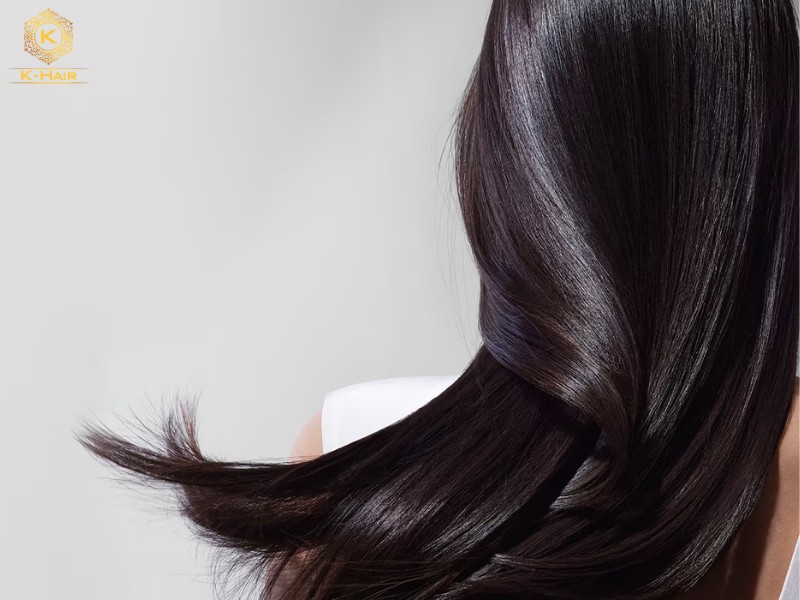
- Hair shine: In exchange for volume, 1A hair excels in luster. Indeed, the sleek and straight hair texture allows the hair to reflect light beautifully. On top of that, the sleek texture also allows a smooth path for natural hair oil to be evenly distributed – adding more gloss all throughout the strands.

The sleek and straight hair texture allows 1A hair to reflect light beautifully
2.2. Hair Behavior
When closely observed, 1A hair and demonstrate many interesting features and behaviors, such as:
- Closed cuticles: Having closed cuticles is a shared trait for most straight hair. For the sleek 1A hair, this situation heightens – as almost every cuticle is perfectly closed and sealed. This means better moisture retention, indeed, but it can also make it harder for moisture to penetrate inside – making hydration more time-consuming.
- Manageability: However, having closed cuticles is still a huge perk. First, it makes the strands smooth and less tangle-prone. Second, it provides a stronger protection from external factors → making this hair type slightly easier to manage.
- Rapid oil Distribution: One thing about 1A hair is that it would get sticky extremely quickly. Due to its patterns, over time, these strands are quicker to get coated up with sebum – creating a greasy and unclean look we try to avoid. Furthermore, this also causes more slippage, making it unsuitable for tight styles like slicked back or buns.
- Resistance to styling: 1A hair is inherently hard to style – given its closed cuticles and extreme slippage. In most cases, to transform 1A hair would require much higher heat → causing irreversible damage during the process. And, even after everything, the final style cannot last for long before snapping back to its original state.
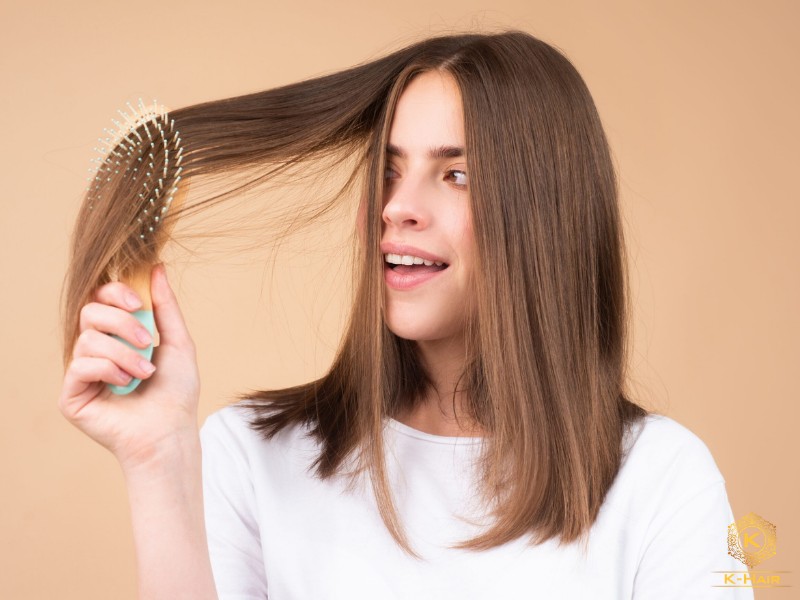
1A hair is inherently hard to style – given its closed cuticles and extreme slippage
3. 3 BIGGEST Problems for 1A Hair
As mentioned above, 1A hair comes with its own perks and drawbacks. On the one hand – indeed, 1A hair truly stands out for its sleek, smooth and lustrous strands. On the other hand, those born with this hair type often have to face with 3 major challenges – oiliness, lack of volume, and styling difficulty:
3.1. Excessive Oiliness
Oiliness is among the biggest headaches for those with natural 1A hair. For example, if it takes 4-5 days for the hair to get oily for other people, for you, it only takes 1-2 days! And it only gets worse with styling. The rapid oil distribution only creates more slippage – making your strands more resistant to most styling methods.
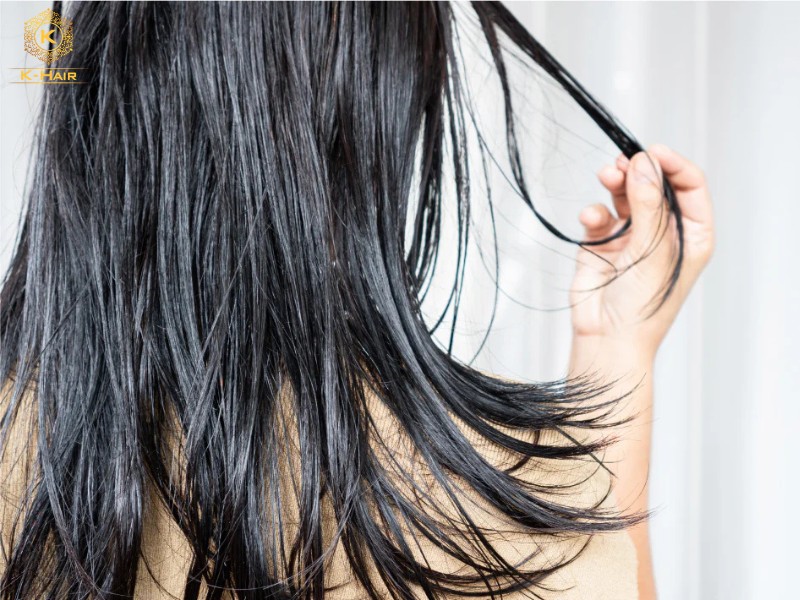
However, this issue is not beyond saving, as you can still follow many methods to minimize it:
- The first step in 1A hair care routine is to first wash it the right way. For 1A hair, to get rid of excess oil without over-stripping, the best wash frequency is 2-3 times a week.
- Using the right products also matters. And, as 1A hair is prone to rapid oiliness, make sure to steer clear from products that can create more slippage like oil, heavy silicones,…
- 1A hair does not need an abundant amount of moisture like the other – so make sure to apply the right amount of products. In fact, for conditioner and moisturizer, you would only need to use a quarter-sized amount, and apply to your ends only.
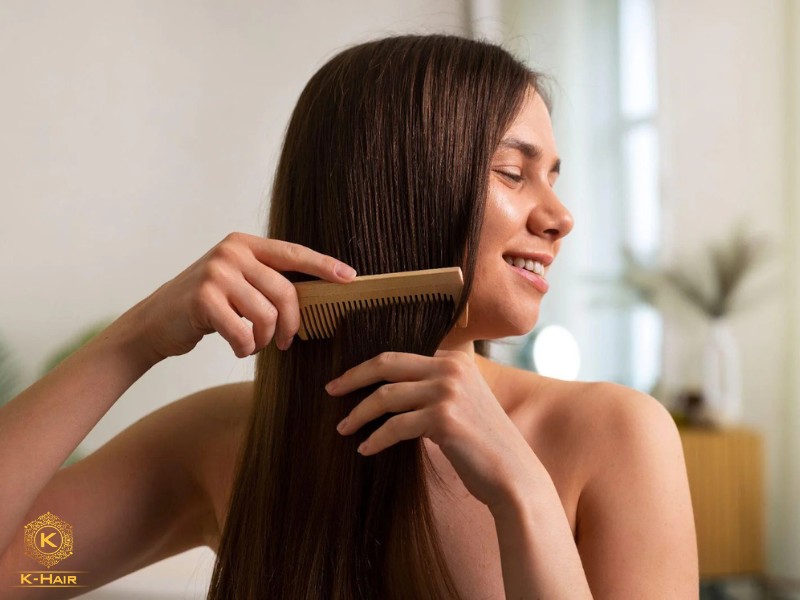
- Frequent detangling might not be necessary for 1A hair – after all, it is one of the least tangle-prone hair types. To avoid spreading oil further, you should brush the roots and the ends separately, or if needed, detangle from the mid-ends downward only.
To avoid oiliness, you should detangle from the mid-ends downward only
3.2. Lack of Volume
The lustrous, sleek and silky appeal of 1A hair comes with a price – its own hair volume. For this hair type, most of its fine strands fall straight down from their roots – lying flat against the scalp. This only creates a light amount of volume – causing your hair to appear thin and unflattering.
But, with the right product use and styling, this lack of volume will not be an issue:
- The focus of these methods should be the hair roots – as root volume can directly affect the whole hair look. If you struggle with thin hair roots, there are quite a number of steps you can do to elevate this:
- Using volumizing products – root-lifting sprays, texturizing products, or volumizing hair clips,…
- Blow-drying with your head flipped, or lifting hair sections upward while drying for an artificial lift.
- Certain styles can also help with this lack of volume. In fact, some of the popular hair styles for the pin-straight 1A strands include: short, or shoulder-length cuts, with light layers,…
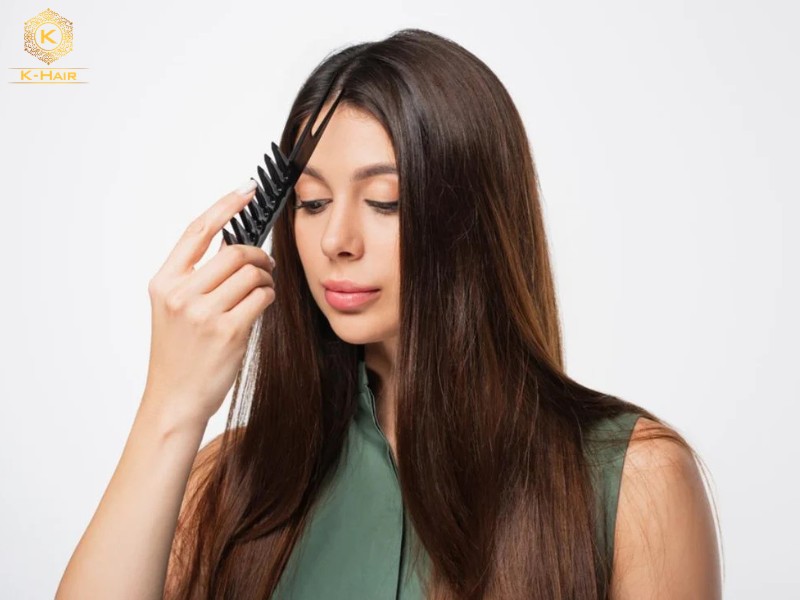
- Instead of the usual middle parting – maybe it is time to switch things up to achieve more hair volume. Parting options like 3-7 partings, or zig-zag can instantly add more lift to your usual look, without demanding any product use! Try it out yourself!
Parting options like 3-7 or zig-zag can instantly add more lift without any product use
3.3. Styling Difficulty
As mentioned above, 1A is one of the most stubborn hair types ever! Its inherent features – oiliness, cuticle alignment, can not only cause more slippage, but also provide less hold altogether. This makes working with 1A hair extremely time and effort-consuming – a huge challenge for stylists!
However, you can still achieve the desired styling results in 1A strands – by taking steps to solve its styling difficulties:
- Prepping your 1A strands is a must-do. For this hair type – styling directly on clean, conditioned hair is a huge mistake. Instead of this, make sure to prep and create more grip to your hair by using texturizing products before styling.
- Here are what can save your wallet from expensive salon visits: You can actually create more curl hold to your 1A strands yourself, using the right styling methods:
- To create better hold, instead of using higher heat, you can set the shape for a longer time. This can – not only reduce the amount of heat damage from high heat, but also help to lock the style in shape!
- Afterward, make sure to pin your curls up for a few minutes. This step is a must – as it helps to set the strands into the patterns, the secret to having long-lasting curls for 1A hair.
- The fine and thing 1A strands do not go well with heavy products – as they are easily weighed down. Instead of these, products with a lightweight hold are always a better choice.
For 1A hair, products with a lightweight hold are always a better choice
4. FAQs about 1A Hair
Here are some frequently asked questions about 1A hair:
4.1. What is 1A hair?
1A hair is the straightest hair type, with no natural wave or bend at all. It usually looks very sleek and shiny because light reflects easily off the smooth surface, giving it that “silky” appearance.
4.2. Why does 1A hair get oily so fast?
Since the hair is completely straight, natural oils from the scalp can travel down the strands very quickly. This is why 1A hair often starts to look greasy much sooner than wavy or curly hair types.
4.3. Is 1A hair thick or thin?
Most 1A hair is fine and soft in texture, though density can vary from person to person. Because the strands are so smooth and lightweight, it can sometimes appear thinner than it actually is.
4.4. What products should I avoid for 1A hair?
It’s best to avoid heavy oils, thick creams, and overly rich conditioners, especially near the roots. These can make the hair greasy faster and reduce any natural volume you might have.
4.5. How do I add volume to 1A hair?
Focus on lifting the roots with blow-drying and using lightweight volumizing products. Even small changes like flipping your part or adding subtle layers can make a noticeable difference.
5. Conclusion
With the information provided in this article, we hope that we have provided all the needed information about 1A hair for those curious. In short, you can define this hair type by its ultimate sleekness, with pin-straight, lustrous appeal – one of the rarest hair types on the planet! However, these strands also come with their own challenges, such as rapid oiliness, lack of volume, and extreme styling difficulty.
Working with 1A hair can be quite a challenge, therefore, many of my clients have turned to wigs as an alternative. Unlike your natural hair, wigs can come with multiple volume options. And, better yet – they also come with multiple colors, textures, allowing as many styles as you can dream of, without damaging your own hair, of course!