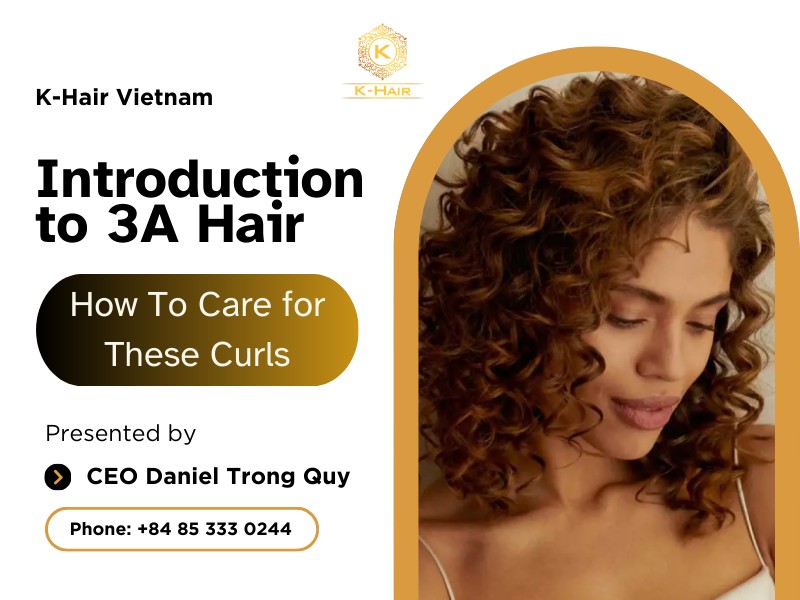
In the world of curls, 3A hair would definitely have one of the softest, loosest and least defined curl patterns compared to the other variations. Among the typical hair typing chart, these strands is easily one of the most versatile hair types there is, with eye-catching shines and natural bounce. However, this versatility also makes it easier to mistake this category with other wavy types – one common mistake for most beginners out there.
In this article, we’ll break down everything you need to know about 3A hair – covering the hair’s most defining features, common maintenance challenges, and so much more.
1. What is 3A Hair?
The system in which 3A hair is rooted from was invented by Andre Walker – the famous celebrity stylist. The number here represents the overall pattern type of the hair, and the capital letter represents strand thickness, pattern tightness and overall texture distribution.
Hence, based on this information, we can infer that, 3A hair is a type of curly hair – type 3 hair. And, its strands would also be the most lightweight, with the loosest texture – based on the “A” in its name.
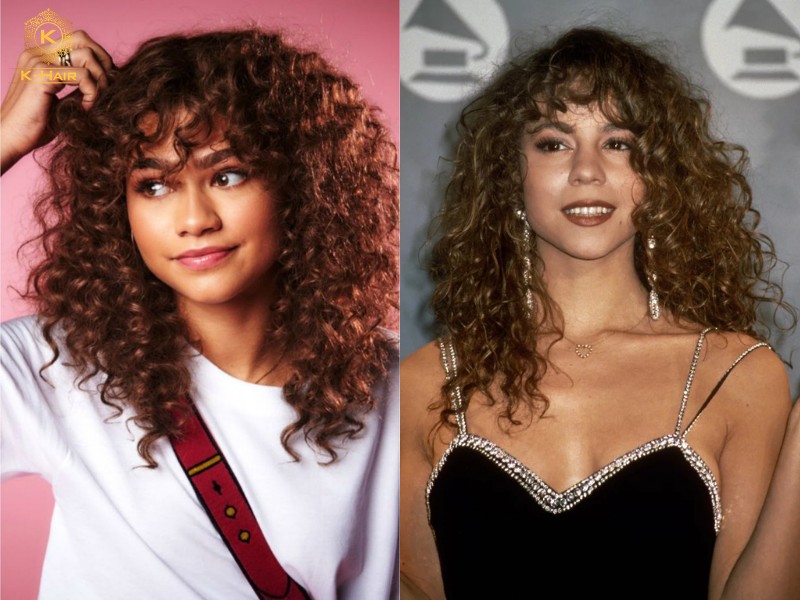
Across the globe, 3A hair tends to be quite popular for the Latin American, African and European demographics. In fact, some popular public figures with this hair type might include: Mariah Carey – the world-renown record-breaking songbird; and Zendaya – the successful, award-winning actress.
You can also learn more about the complete list of 4 hair types and learn more about their differences in our article about Hair Typing System.
2. Getting to Know 3A Hair Features
One thing for certain, 3A hair itself carries a lot of common and similar traits to 2C hair types and other curly variations. However, 3A hair can still possess many unique features – its mixed patterns, curl size, and styling ability, that differentiate it from other variations:
2.1. What 3A Hair Looks Like
Based on close inspection, you can easily spot out some of its physical traits, such as:
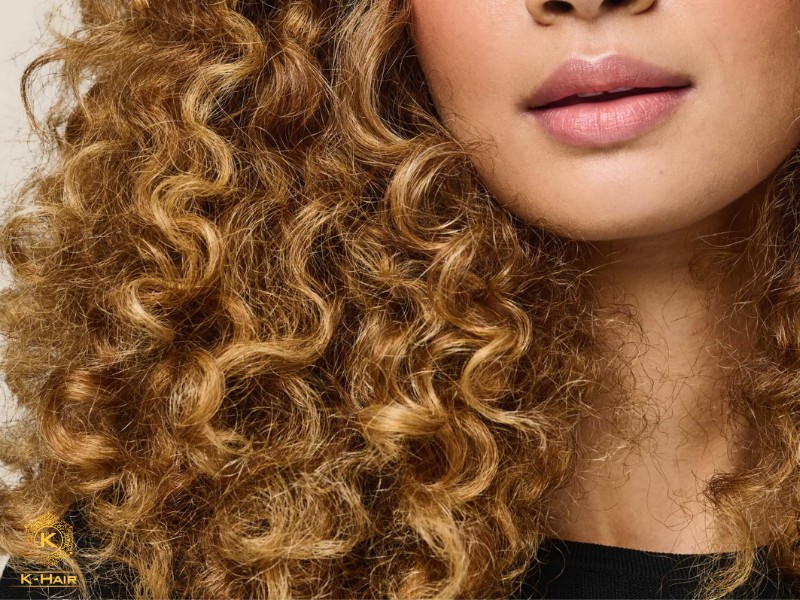
- Loose curl patterns: Compared to all the other members of the curly hair family, 3A hair would definitely have the loosest curl patterns. The hair type often features soft, loose corkscrew-like ringlets, which appear extremely bouncy and elastic.
- Curl size: Among all curly hair types, 3A hair would have the biggest curl size: with an average circumference of from 0.5-1.5 inch → quite similar to a side-walk chalk, or a small door handle in size.
- Texture: 3A hair has the lightest strand texture compared to the other 3B and 3C hair types. This indicates that their strands would be much softer, thinner and finer → making the strands more manageable, yet easier to be weighed down.

Soft, thin and fine strands are the nature of 3A hair - Shrinkage & Volume: Having curls would mean that the hair has a certain level of shrinkage: often 1-3 inches of the hair is shrunken when fully dried. This, combined with the strand’s curl distribution, creates a light, natural voluminous look – making 3A hair much thicker than other wavy types.
- Mixed patterns: Despite the majority of its textures being curls, 3A hair would still feature S-shape waves along the mane from here to there. Hence, 3A hair is often considered as the most versatile hair type among the charts.
2.2. Deeper Look into Its Innate Traits
Its signature texture and pattern range also lead to several innate, inherent traits, such as its proneness to dehydration, cuticle alignment and so on…
- High porosity: 3A hair would have numerous lifted cuticles, especially along the curl edges – making it more porous compared to other hair types with looser patterns. This porosity would also lead to other features, such as moderate moisture retention, dryness, and frizz-prone strands.
- Elasticity: The natural loose curls would make 3A hair extremely bouncy and elastic. In fact, when stretched out, these strands will bounce back into their original curls like a spring.
- Moderate Oil Distribution: Compared to other curlier types, for 3A hair, the natural scalp oil would be more evenly distributed along the strands – mainly because of the looser curls. This makes the strands much better moisturized and less prone to dehydration – especially from the mid-length up. For 3A hair, the natural scalp oil would be more evenly distributed along the strands
For 3A hair, the natural scalp oil would be more evenly distributed along the strands - Frizz: One trait seen in 3A hair is hair frizz. In fact, the lifted cuticles will make the strands more vulnerable to humidity – making it look poofy, tangling-prone and unmanageable.
3. What are The Differences between 3A vs Wavy Types?
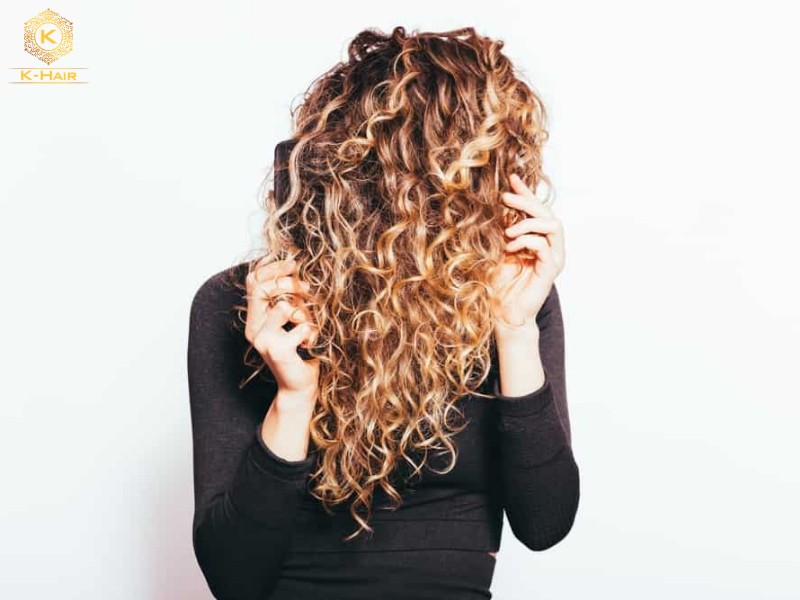
One common mistake for many inexperienced individuals out there is mistaking 3A hair for 2C hair. This popular misconception is rooted from the mixed patterns of 3A itself – making the hair appear somewhat wavy to some.
Hence, it is crucial for all to be able to tell the differences between these two hair types, in order to avoid any potential mistake when shopping for hair care products:
| 3A hair | Type 2 Wavy Hair | |
| Curl patterns | Defined, bouncy and loose corkscrew-like ringlets, with only a little amount of waves included.
→ Tighter, bouncier curls with more definition |
Mostly consists of S-shaped waves, not full curls.
2C hair only has little curls integrated. → Looser overall patterns |
| Starting points | The curls typically stem right out of the scalp | Mostly start outside of the roots |
| Volume | Naturally bouncy with light shrinkage more lift at the roots | Flatter, thinner overall appearance, especially at the roots |
| Frizz | Highly more prone to frizz and dryness due to coarser texture strands and tighter curls | Less hair frizz compared to 3A hair, often with softer and smoother hair strands |
| Styling ability | Focus mostly on moisture-rich styling products, however their curls tend to stay longer and more defined. | Easier to styled, but wavy hair can also be quick to get weighed down and flatted from residue. |
4. 3 BIGGEST Problems with 3A Hair
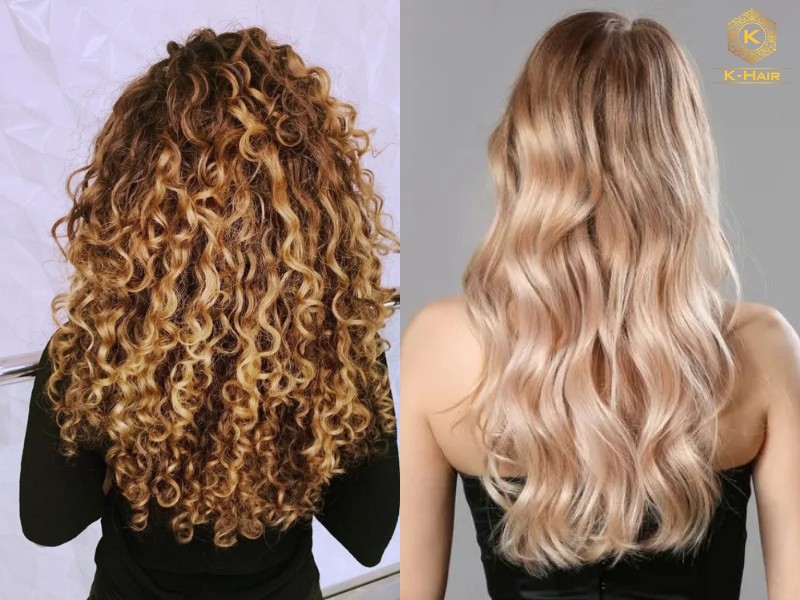
Despite being one of the easiest to maintain curly hair types, the importance of hair care in 3A hair should not be overlooked. In fact, for 3A hair, there are 3 major problems that, if not taken seriously, can make the strands difficult to work with, or cause irreversible damage. These three issues are frizz, dry hair ends, and uneven patterns.
In my opinion, it is never too late to start investing in your hair. And, with the right guidance, you too, can provide the curls with what they need and help them get to their healthiest stage:
4.1. Frizz Proneness
One common issue for most curly, kinky hair types has to struggle with is hair frizz – 3A hair is no exception. Indeed, the lifted cuticles seen in 3A strands more vulnerable to humidity and friction – making the curls appear puffy and frizzy.
The situation with hair frizz seen in 3A hair is still controllable – its frizz-control methods are often easier and more doable:
- Make sure to lubricate and moisturize your cuticles by applying deep conditioning, using moisturizing shampoo, rich conditioner and leave-ins in your routine.
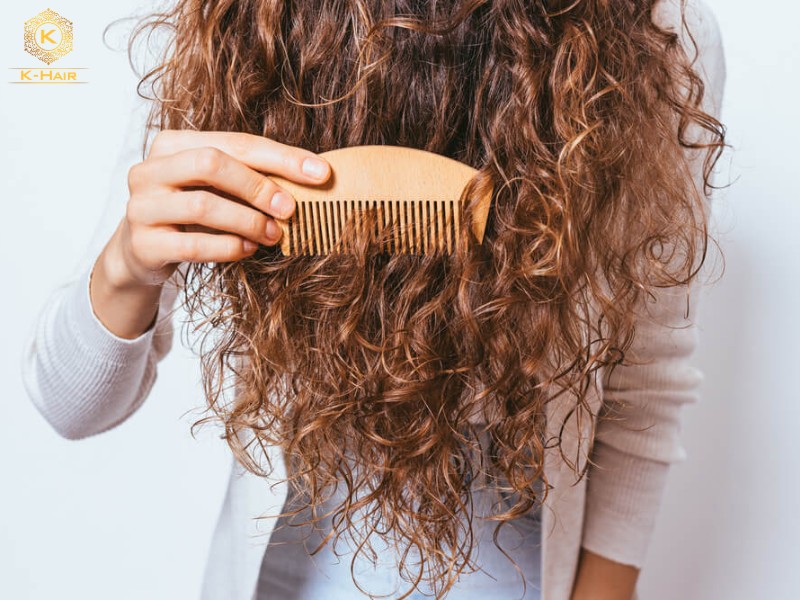
- Brushing on dry hair can cause more friction which will ultimately lead to more hair frizz. Therefore, make sure to avoid this habit at all costs.
Over brushing is harmful for 3A hair, as it cause more friction and frizz - Rough drying routines like towel drying or high-heat blow drying can also make the situation worse. Hence, you should switch to using a microfiber towel or diffuse at low heat for safer hair drying.
- Humidity can also cause your hair to appear frizzy – make sure to provide more protection for your curls by infusing light serums, oils, or anti-humidity spray to your routine.
4.2. Dry Hair ends
Having moderate oil distribution, but oftentime, 3A hair ends tend to be much drier compared to the roots. Indeed, the curl patterns often make it extremely hard for the natural sebum to travel downward – causing what we know as dry hair ends.
However, this problems can still be solved, using certain methods below:
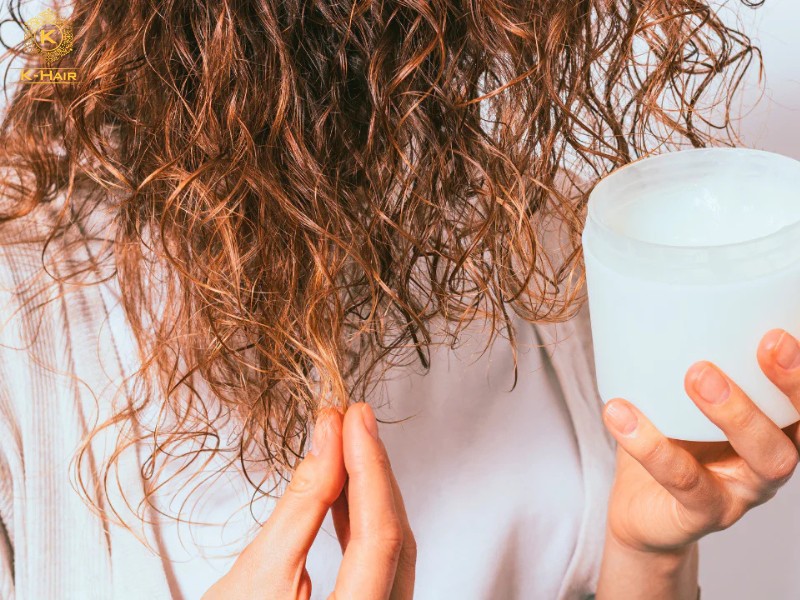
- Applying conditioner the right way is the perfect way to start: make sure to focus at the mid-length downward only, and let the product sit for 5-10 minutes before rinsing.
- To make sure more moisture is able to penetrate inside the shaft, you can also lock the hair ends with lightweight hair oils.
- Split-ends are a common occurrence for 3A hair – you should also trim these sections regularly to avoid the damage to travel upward and make the strands look straw-like.
- Heat-styling is also to be avoided – instead, you should turn to other non-heat methods or at least use a protectant first.Make sure that the strands are fully moisturized and protected before heat styling
Make sure that the strands are fully moisturized and protected before heat styling
4.3. Uneven Hair Patterns
This might not be a major problem for some individuals – after all, this does not directly affect the hair’s health like the above. However, these inconsistent patterns have made styling difficult for many people with 3A hair – making the hair look messy and uneven.
However, instead of forcing uniformity, we can encourage inconsistency and bring out more curls formation, through these methods:
- First, you would have to section out the area with less curl formations – as these sections would demand more products and manipulation than the rest. You can bring the curls out by:
- Using finger coiling – wrapping the strands around your fingers and letting them set while drying.
- Applying more curl cream or gel on these looser areas.
- Diffusing your hair using low heat to boost volume and bring out more curl definition.
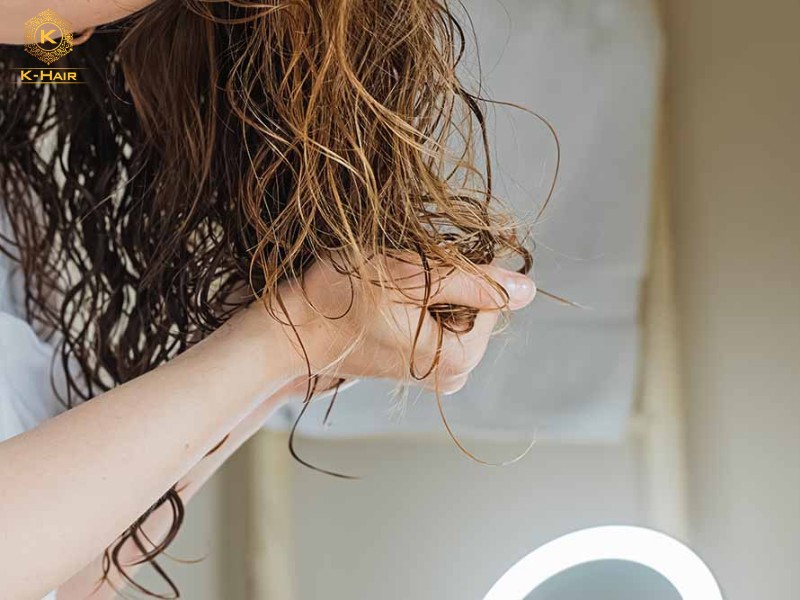
- Applying curl-enhancing products on wet hair, and scrunching your hair upward is also a way to encourage a more even curl formation.
Scrunching your hair can help bring out more curl formation
5. FAQs about 3A Hair
Here are some frequently asked questions about 3A hair:
5.1. How can you tell if you have 3A hair?
You likely have 3A hair if your hair:
- Forms visible spiral curls or ringlets
- Has a loose curl pattern (not tight coils)
- Is prone to frizz and dryness
- Has noticeable bounce and volume
Letting your hair air-dry naturally without heavy products can help you identify your true pattern.
5.2. Why is 3A hair frizzy?
3A hair tends to be frizzy because:
- Natural oils don’t travel easily down curls
- The cuticle is more raised
- Humidity affects the curl structure
5.3. How often should you wash 3A hair?
Most people with 3A hair should wash their hair 2-3 times per week. Washing too often can lead to dryness.
5.4. What products are best for 3A hair?
3A hair benefits from moisture + light hold:
- Leave-in conditioner
- Curl cream
- Lightweight gel
- Anti-frizz serum
5.5. Can 3A hair become straight or wavy?
Yes. 3A hair can appear less curly due to:
- Heat damage
- Product buildup
- Improper care routines
With proper care, curls can often be restored.
6. Conclusion
As a hair expert with years in the industry, I sure hope that this article has successfully quenched your thirst for knowledge for everything related to 3A hair. All in all, we can define this hair type by their loose, large spiral curls and mixed, eye-catching hair patterns. However, in order to preserve the natural beauty of this hair type, you should focus more on dealing with its frizz, dry ends and inconsistent curls.
Maintenance might take quite a long time to actually deliver results. If you find this waiting game too tiring, you can also consider switching to extensions and wigs as an alternative. In that case, we proudly offer ourselves as a reliable source.