Nowadays, more and more women are turning to hair extensions to elevate their natural beauty and achieve their dream hair goals.
However, one of the most common questions consumers ask is: ‘How long do hair extensions last?’ Hair extension longevity is a qualitative metric that measures the structural integrity of the hair cuticle and the durability of the attachment bond over a period of professional use.
In this article, we will explore the lifespan, maintenance, and application methods for every type of extension to answer once and for all: How long do hair extensions last?
1. How long do hair extensions last?
By definition, hair extensions are cosmetic enhancements often recommended by hair professionals and even medical practitioners as a way to add volume, length, and highlights to a client’s natural look.
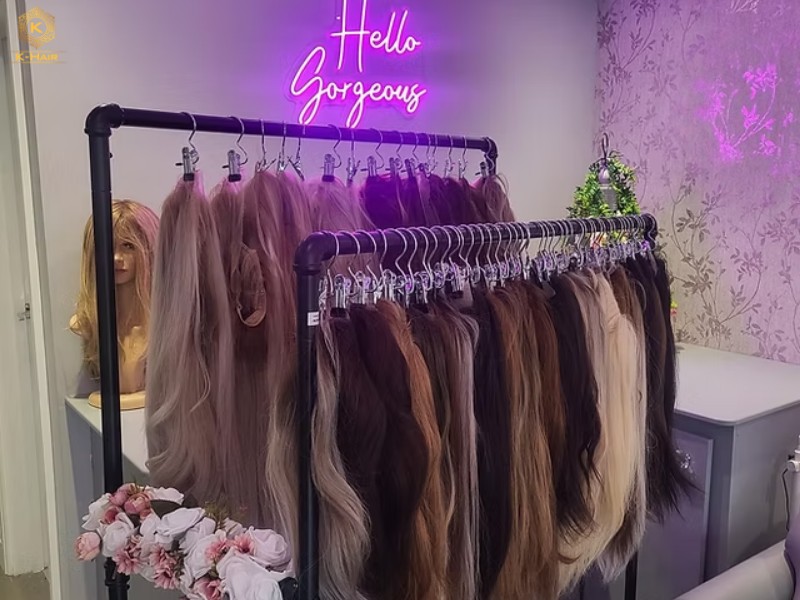
The total lifespan of hair extensions is a function of two variables:
- Wear time: How long the attachment bond (the sew-in, tape, or bond) stays secure.
- Hair reusability: How many times the hair can be removed and reinstalled without losing its aesthetic value.
There are many types of hair extensions on the market today, and because of their varying construction and application methods, their lifespans differ significantly. Furthermore, the hair’s origin remains a critical factor that determines its overall longevity and performance over time.
1.1. How long do hair extensions last – Regard to hair grade
The combination of where the hair comes from and how it’s treated in the factory creates a massive gap between extensions that last three months and those that last two years.
The source determines the hair’s natural protein structure, its strength, and how well it will blend with various natural textures after multiple washes.
| Hair grade | Wear time | Reusability | Total lifespan |
| Raw hair | 6-10 weeks | 4-8+ times | 2-5+ years |
| Virgin hair | 6-8 weeks | 2-4 times | 1-2 years |
| Remy hair | 6-8 weeks | 1-2 times | 6-12 months |
| Non-remy hair | 2-4 weeks | 0 (Single use) | 1-3 months |
| Synthetic hair | 1-4 weeks | 0 (Single use) | <3 month |
1.2. How long do hair extensions last – Regard to hair extension type
Thanks to technological advancements and the influence of social media, the market is now flooded with innovative extension variations to meet increasingly complex demands.
When answering “How long do hair extensions last?” a vague, general estimate is rarely helpful. The lifespan varies greatly depending on the construction of the piece and the tension of the application method. To give you a clear roadmap, here is a brief breakdown of what to expect from the most popular methods:
| Hair extension types | Wear time | Reusability | Total lifespan |
| Hair wefts (sew-in) | 6-8 weeks | High | 1-2 years |
| Tape-in | 4-8 weeks | Medium | 9-12 months |
| Clip-in | Daily | Very high | 6-12 months |
| Keratin bond (K-tips) | 3-5 months | Low/none | 3-6 months |
| I-tip | 8-12 weeks | High | 3-5 months |
1.3. What salon owners need to know about how long do hair extensions last
Understanding how long do hair extensions last is not just a question of aesthetics. For salon professionals and wholesale distributors, it is a direct driver of business profitability and client retention. When sourcing hair extensions at scale, the purchase price per bundle is only part of the equation. The true cost-per-use tells a very different story:
A bundle of non-remy hair priced at $15 with zero reusability costs $15 per install. A bundle of raw hair priced at $80, reinstalled up to 8 times, costs as little as $10 per install while delivering a dramatically superior client experience.
For salon owners managing a high volume of installs, this difference compounds quickly across your entire client base. Indeed, clients rarely blame the installation when extensions fail early. They blame the salon. Delivering extensions that last as long as promised is one of the most powerful trust signals in the professional hair industry.
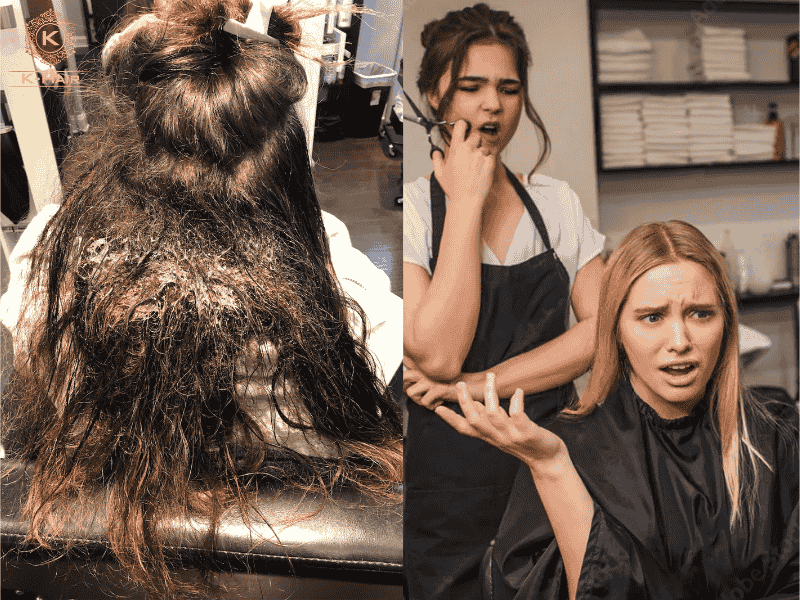
Salons that consistently source high-grade hair report significantly higher rebooking rates and stronger word-of-mouth referrals compared to those competing purely on price.
Hence, when evaluating a new supplier, always request reusability data alongside price sheets. A supplier who cannot specify how many reinstalls their hair withstands is likely sourcing inconsistently, and that inconsistency will surface in your clients’ experience, not theirs.
2. Key factors that affect how long do hair extensions last
So, are you curious what makes these hair extensions last that long? If you wish to make full use of your investment, you should also look into the factors affecting longevity, or how long do hair extensions last. Hence, as well as avoiding unwanted, detrimental hair habits that might cause their extensions to be worn-out faster.
2.1. Hair origin, processing & extension types
At the source, single-donor raw hair is the gold standard. Because every strand comes from one person, the porosity and elasticity are identical, ensuring the hair reacts uniformly to washing. In contrast, multi-donor hair mixes different structures, leading to inconsistent behavior and “micro-tangling”.
Furthermore, the processing method is the “make or break” factor; while raw hair keeps its protein structure intact and can safely reach 613 blonde, heavily processed hair has a weakened internal structure that degrades quickly under daily friction.
This creates a clear hierarchy in the market: Raw hair offers the longest lifespan, followed by virgin, remy, and non-remy, with synthetic hair providing the lowest performance.
However, even high-quality hair is limited by its application method. Different types are designed for different purposes, which dictates their “wear time”. For instance, disposable options like keratin bonds typically last 3–6 months because they are not intended for reinstallation.
Meanwhile, reusable options like wefts or tape-ins can last 6–12 months or longer with professional maintenance. To make a worthwhile investment, buyers must choose a hair grade that matches the intended lifespan of their chosen application method.
2.2. Maintenance & care routine
Just like our natural hair, extensions are vulnerable to the world around them. Constant exposure to high-heat styling (like daily straightening or curling) does more than just temporarily change the texture; it causes serious dehydration and structural damage.
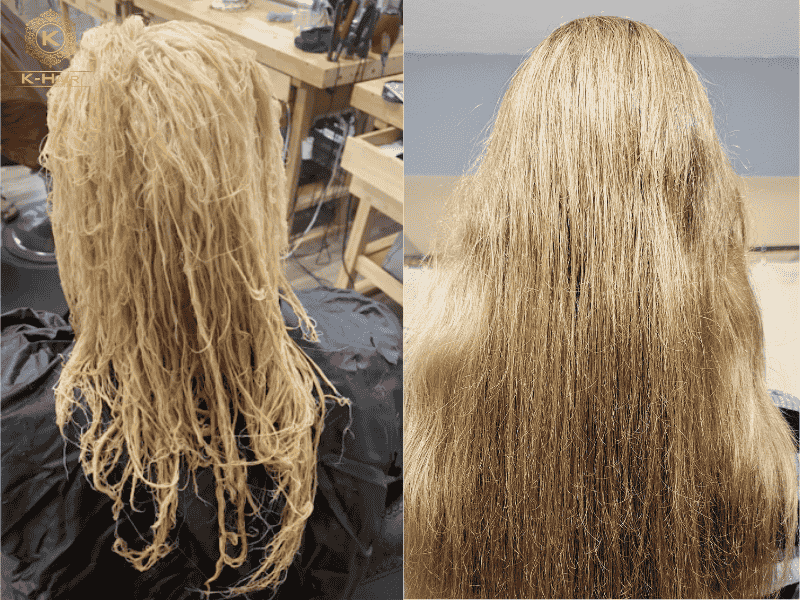
Chemicals are another silent killer. Bleaching or harsh styling treatments can strip the hair of its original health, making the strands brittle, lifeless, and prone to shedding. If these issues aren’t managed, your extensions will “age” much faster, regardless of how high the quality was at the start.
For salon owners, this is where client education becomes a direct revenue protection tool. Building a structured aftercare handout into every installation appointment, complete with recommended product types and washing frequency, significantly reduces premature replacement complaints and reinforces your positioning as a professional-grade provider.
2.3. Frequency of use
It’s a simple truth: the more you wear them, the faster they wear out! “Nothing lasts forever” definitely applies here. External factors like constant sun exposure can dehydrate the hair, while your scalp’s natural oils can cause product buildup on the attachment points.
If you’re a “24/7” extension wearer, expect a bit more wear and tear. To keep them looking fresh, try adopting protective habits, like wearing a silk bonnet at night or using UV protectant sprays, to preserve that gorgeous look for as long as possible.
2.4. Natural hair condition
Unlike many might assume, the natural hair state of our own hair can actually have a certain impact on the lifespans and function of hair extensions.
For instance, hair users with oily, silky natural hair might expect more slippage when using hair extensions, as their natural scalp oil can not only provide less grip for the hair extension to stay attached, but also causing product, material buildup that causes the hair to lose its shine and functionality overtime.
2.5. Living environment
For customers living in regions like California, Texas, or Florida, “hard water” is a real challenge. In these areas, tap water is packed with minerals like calcium and magnesium.
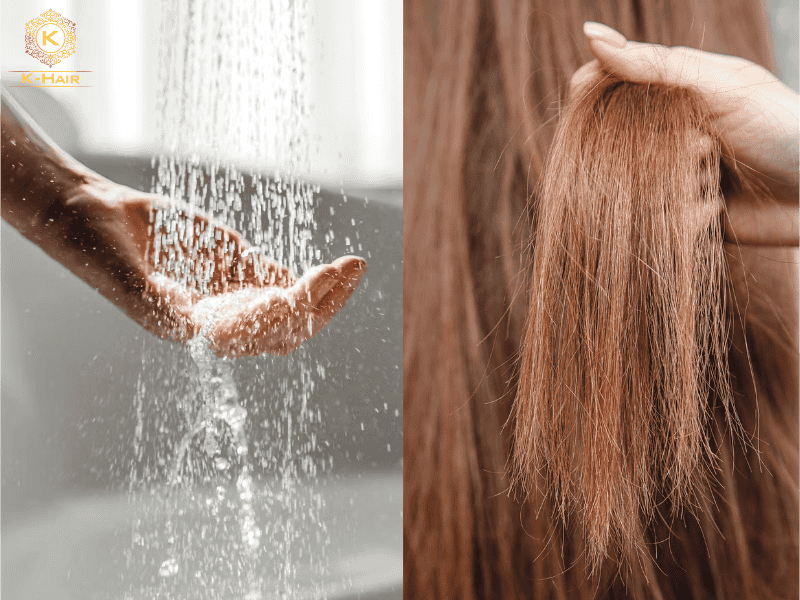
Because extensions don’t receive natural oils from your scalp to protect them, these minerals build up quickly on the hair shaft. This can make the hair feel frizzy, dry, or even turn “brassy”, causing the extensions to degrade and break up to 2 times faster than normal.
2.6. Lifestyle
It’s great that more women are embracing healthy lifestyles through Gym, Pilates, Yoga, or Saunas. But your extensions might not love the sweat as much as you do!
Sweat contains salt and acid, which are natural enemies of extension bonds. If you engage in high-intensity training frequently, that salt can break down the glue on tape-ins or cause the keratin joints of K-tips to become brittle. To keep your look secure, it’s essential to rinse or clean your hair after a heavy workout to wash away those destructive salts.

3. How to care to make hair extensions last longer
Educating your clients on proper maintenance is the most effective way to protect their investment and reduce complaints. By teaching them to treat extensions with the same care as their natural hair, you can significantly increase how long do extensions last.
Implementing the following routine as a standard “aftercare guide” will help your clients achieve maximum longevity across all hair types:
- Washing but not overwashing: Extensions do not get oily like your natural hair, washing the extensions too often can even strip the extensions of moisture. But don’t you dare to never wash it either! Allowing dirt and dust to build up is just… ew! Aim to wash every 10–14 days to keep the “environment” on your head clean and fresh.
Expert tip: Step by step in the shower for the correct washing:
- Use warm water, not hot. Hot water dries out the hair cuticle instantly.
- Use oil-free and sulfate-free products. This isn’t just a suggestion, it’s a requirement for longevity!
- Apply shampoo to the roots, rubbing it sideways rather than in circles to avoid tangling the attachment points.
- Wash your hair in sections from top to bottom to minimize shedding and tangling.
- Rinse longer than you think you need to. Product buildup is the enemy of shine.
- Apply conditioner only from mid-length to the ends. Never put conditioner on the roots or attachment points, as it can cause slippage.
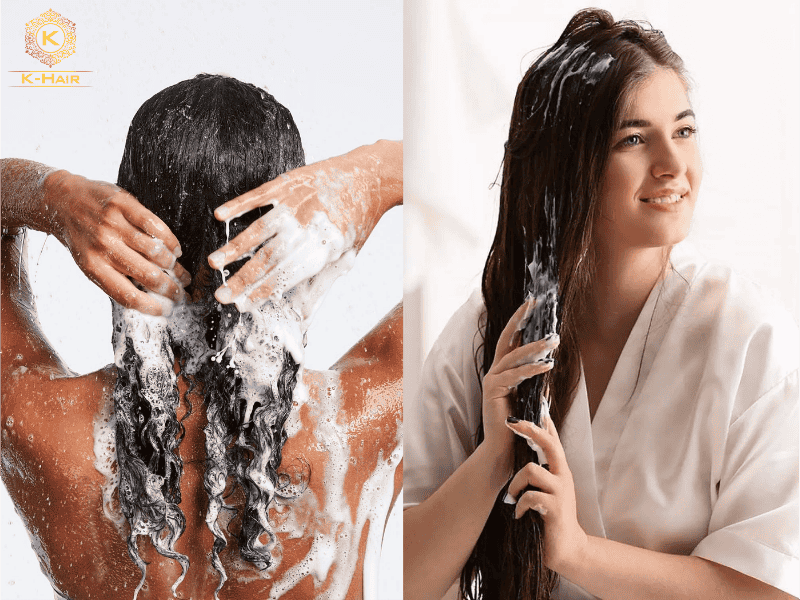
- Drying: Never sleep on wet hair! Gently squeeze out moisture with a microfiber towel to avoid rough cotton to prevent frizz. Always blow-dry the roots and tracks on a cool setting. If the braids underneath stay damp, they can develop “weave mold,” forcing you to remove the hair prematurely.
- Styling tips: Even your natural cannot stay healthy at high heat, so how can an extension? Keep tools below 180°C to protect the hair’s protein structure and always mist with a lightweight heat protectant before using a flat iron or curling wand.
- Brushing & detangling: Tangled hair leads to shedding, or worse, having to cut out a knot. To avoid this nightmare, use a wide-tooth comb or extension brush, starting at the ends and working your way up. Be extra gentle near the sewing line to avoid snagging the thread.
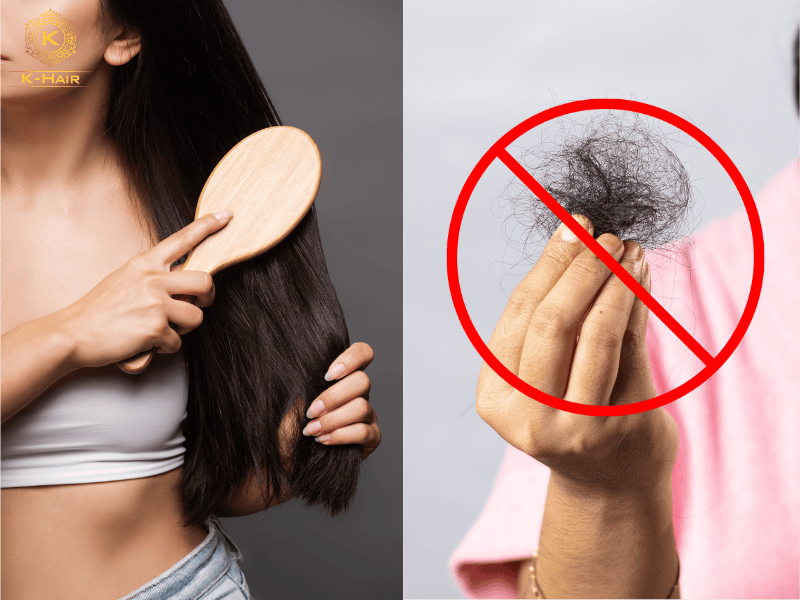
- Store extensions properly: For removable extensions, keep them in a cool, dry place when not in use. Hanging them or laying them flat in a satin pouch is the best way to prevent dust accumulation and annoying tangles.
- Combat hard water damage: Installing a shower filter is the best way to neutralize minerals before they touch your hair. For extra protection, use a clarifying shampoo 1-2 times a month to strip away mineral buildup, followed by a deep conditioning mask to restore moisture.
- Lifestyle protection: Simply apply dry shampoo to the tracks before your workout to absorb sweat as it happens, wear a loose braid to keep hair off your neck, and always rinse your hair afterward to neutralize salt and maintain softness. By following these steps, you can feel as beautiful on the inside as you look on the outside.
4. Signs your hair extensions need replacing
Every buyer wants hair that lasts, ensuring their investment is truly worthwhile. To understand how long do hair extensions last, you must recognize the warning signs of aging. These indicators don’t just signal it’s time for a replacement, they also negatively impact your overall look, making the hair appear less attractive:
- The hair grows out too much: Don’t forget to check your attachment points every week. If the gap between the scalp and the extension joint exceeds 2 inches, it’s time for a move-up. Leaving them in too long adds excessive weight to your natural roots, which can lead to scalp tension and discomfort.
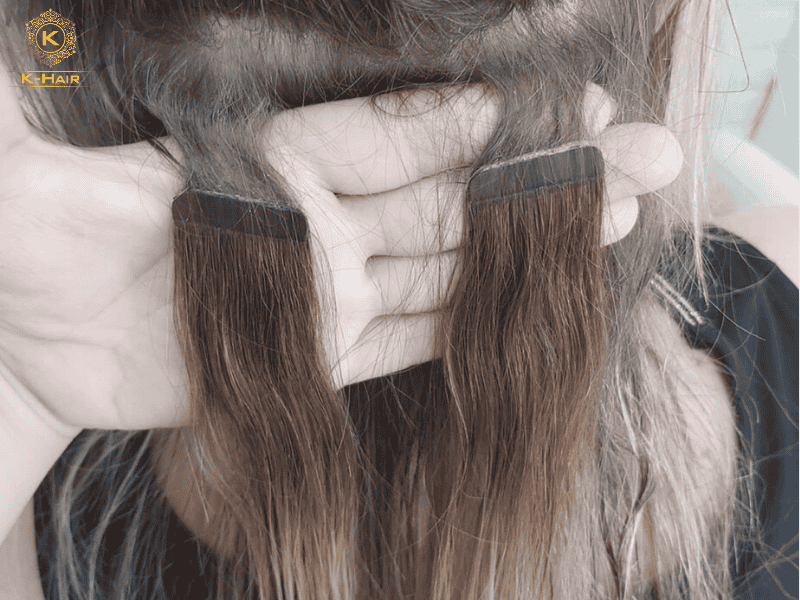
- Excessive tangling & shedding: One obvious sign that your hair is past its prime is constant tangling and shedding. This happens when the hair has lost its essential moisture and the cuticle layers have become dry or misaligned.
- Physical damages: While you can easily replace a stray micro-ring or a piece of tape, a ripped weft or a crumbling keratin bond is a different story. If the structural base of the extension is compromised, a total replacement is necessary to ensure a safe and secure install.
- The tape starts to melt: Have you ever brushed your tape-ins extensions and found a sticky residue on your comb? That is a sign the tape adhesive is breaking down or “melting.” You should replace or re-tape your extensions immediately to prevent your natural hair from turning into a sticky, tangled mess that is difficult to clean.
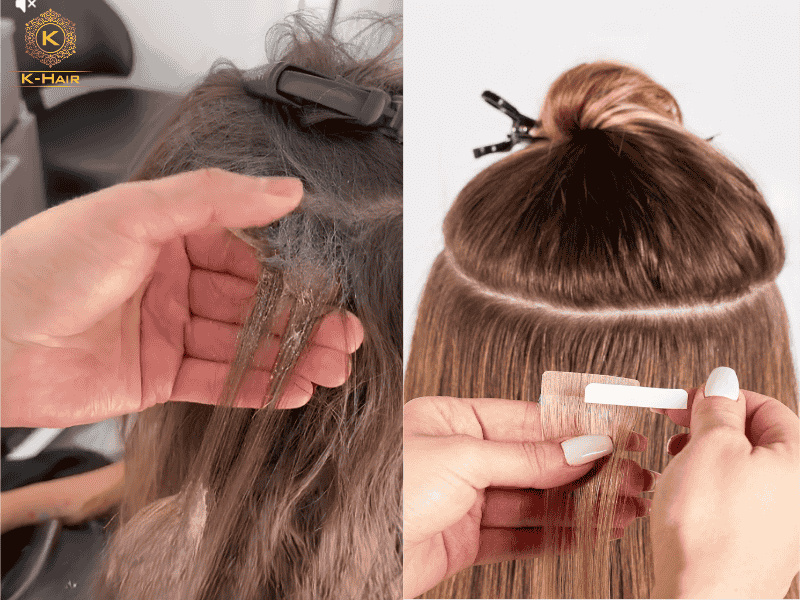
- Product buildup: After months of use, buildup from gels, hairsprays, and minerals is inevitable. This makes the extensions feel heavy, greasy, and dull, especially at the roots. For adhesive-based methods like tape-ins, this excessive buildup also weakens the glue, leading to frequent slippage and a lifeless overall appearance.
Expert tip: To protect your clients’ natural hair and prevent disappointment, always schedule maintenance check-ups at specific intervals tailored to each method. Setting this timeline early ensures the scalp stays healthy and the extensions never cause tension damage, keeping your clients happy and their natural hair thriving.
5. FAQs about how long do hair extensions last
Here are some frequently asked when it comes to how long do hair extensions last:
5.1. How long do hair extensions last on straight hair?
It depends on the extension type and quality grade. Typically, high-quality straight hair can last between 3 to 6 months before needing professional maintenance or replacement, though premium raw hair can last much longer with the right care.
5.2. Do extensions damage your hair?
Sadly, they could. If hair extensions are improperly installed, too heavy or poorly maintained, they can lead to breakage and traction alopecia, which is not good for your natural hair’s health.
However, when applied by a professional and cared for properly, they do not inherently ruin hair. The primary cause of damage is excessive, prolonged weight on the hair follicles.
5.3. Can I reuse my extensions?
Most human hair extensions, especially wefts, tape-ins, and I-tips, are designed to be reusable if the hair remains healthy. In contrast, synthetic extensions generally cannot be reused once they are removed as the fiber degrades quickly.
6. Conclusion
In summary, how long do hair extensions last is a variable result of hair origin, the chosen attachment method, and your daily commitment to maintenance. While different methods have varying standard durations, practicing a consistent care routine can significantly extend their wear and keep them looking naturally gorgeous for longer.
Ultimately, even the best care cannot save low-quality hair. If you are looking for a supplier that provides authentic raw or virgin hair extensions designed to last the longest, look no further than K-Hair. With 30 years of experience as a premier Vietnamese hair supplier, we specialize in high-durability hair that maintains its luster and strength through countless installs.
Contact us today to secure the highest-grade hair for your business and give your clients the longevity they deserve!Nowadays, more and more women are turning to hair extensions to elevate their natural beauty and achieve their dream hair goals.
However, one of the most common questions consumers ask is: ‘How long do hair extensions last?’ Hair extension longevity is a qualitative metric that measures the structural integrity of the hair cuticle and the durability of the attachment bond over a period of professional use.
In this article, we will explore the lifespan, maintenance, and application methods for every type of extension to answer once and for all: How long do hair extensions last?